When we think of World War II, images of combat, tanks, and aircraft often come to mind. But behind every soldier's daily life was a crucial, often overlooked element: field rations and the kitchen gear used to prepare and consume them. From the humble mess kit to portable stoves and storage containers, WWII kitchen gear was designed for durability, portability, and efficiency. These items not only sustained troops but also boosted morale, offering a taste of home amid the chaos.
Today, collectors and reenactors seek authentic pieces to recreate the soldier's experience. Understanding the role of kitchen gear in WWII field rations provides insight into military logistics and daily life. In this article, we'll explore the key components of WWII field kitchens, how they evolved, and why they remain significant for history enthusiasts.
The Mess Kit: The Soldier's Personal Kitchen
The mess kit was the cornerstone of individual field rations. Typically made of aluminum or enameled steel, it included a deep dish, a shallow pan, and a folding handle. Soldiers used it to heat rations over campfires or portable stoves. The design was simple but effective: lightweight, stackable, and easy to clean. For reenactors, finding an original or reproduction mess kit is a top priority, as it's a direct link to the daily experience of WWII soldiers.
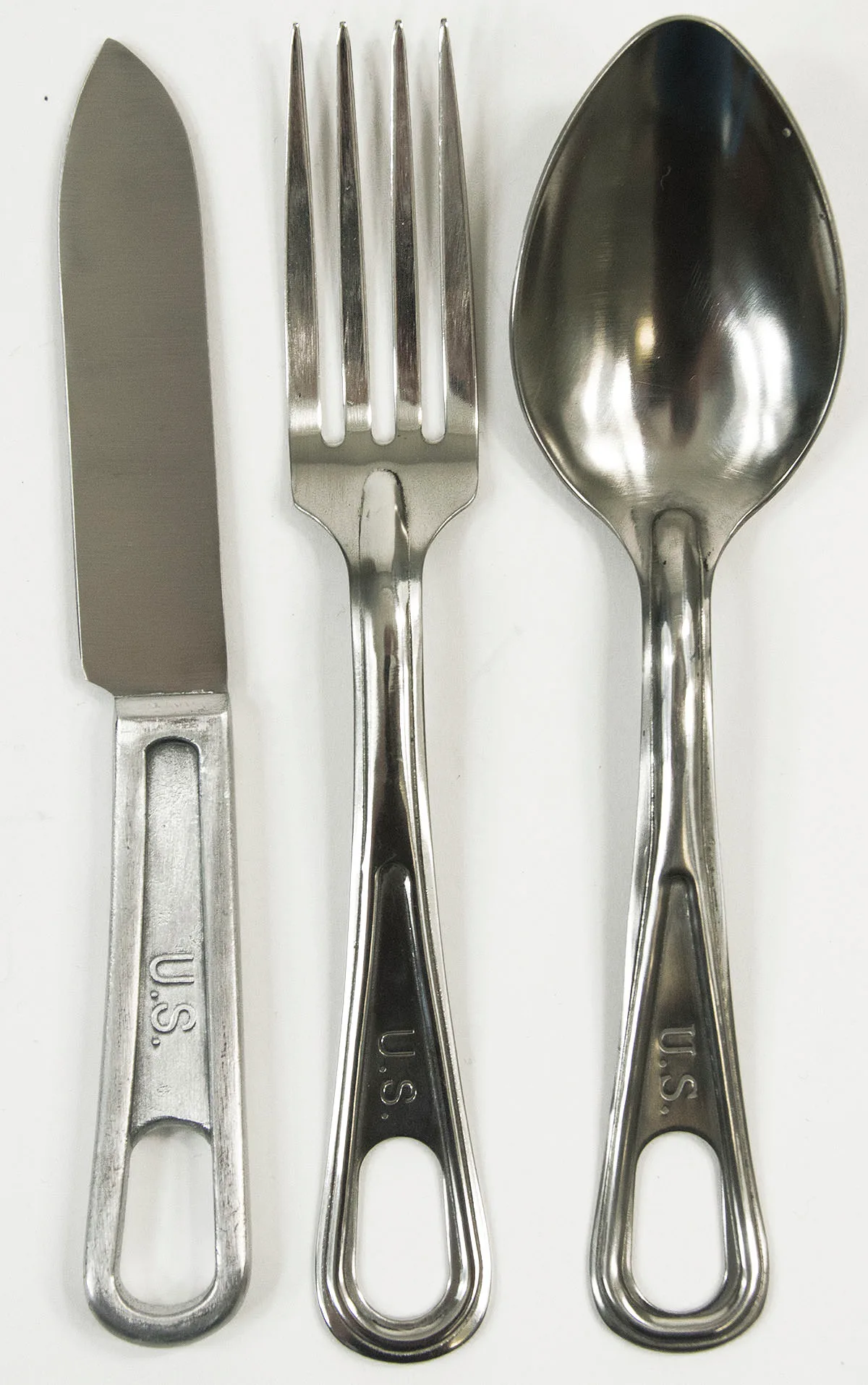
Beyond the mess kit, soldiers relied on utensils like the folding knife, fork, and spoon set. These were often issued as part of a mess kit or sold separately. Collectors should look for pieces with period-correct markings and materials. While not all gear is equally available, items like the https://wildernessworks.shop/products/musette-bag-kirkman-99183Musette Bag, Kirkman were used to carry personal belongings, including mess kits, adding to the authenticity of a reenactor's impression.
- Look for mess kits with original paint or patina for authenticity.
- Pair your mess kit with a period-correct canteen and cup for a complete field ration setup.
Portable Stoves and Field Kitchens
While individual soldiers often cooked over open fires, larger units used portable field kitchens to prepare meals for dozens or hundreds of men. The most common was the M1937 field range, a gasoline-burning stove that could boil water, cook stews, and bake bread. These stoves were mounted on trailers and towed behind trucks. They were essential for providing hot meals, which were critical for morale and health.
For reenactors, replicating a field kitchen display can be a highlight of any event. However, even a small portable stove, like the Coleman GI pocket stove, can add realism. When assembling your kit, consider how to store and transport food items. The Carlisle Boxes were originally used to carry medical supplies, but reenactors often repurpose them for storing rations or cooking gear, thanks to their sturdy construction and stackable design.
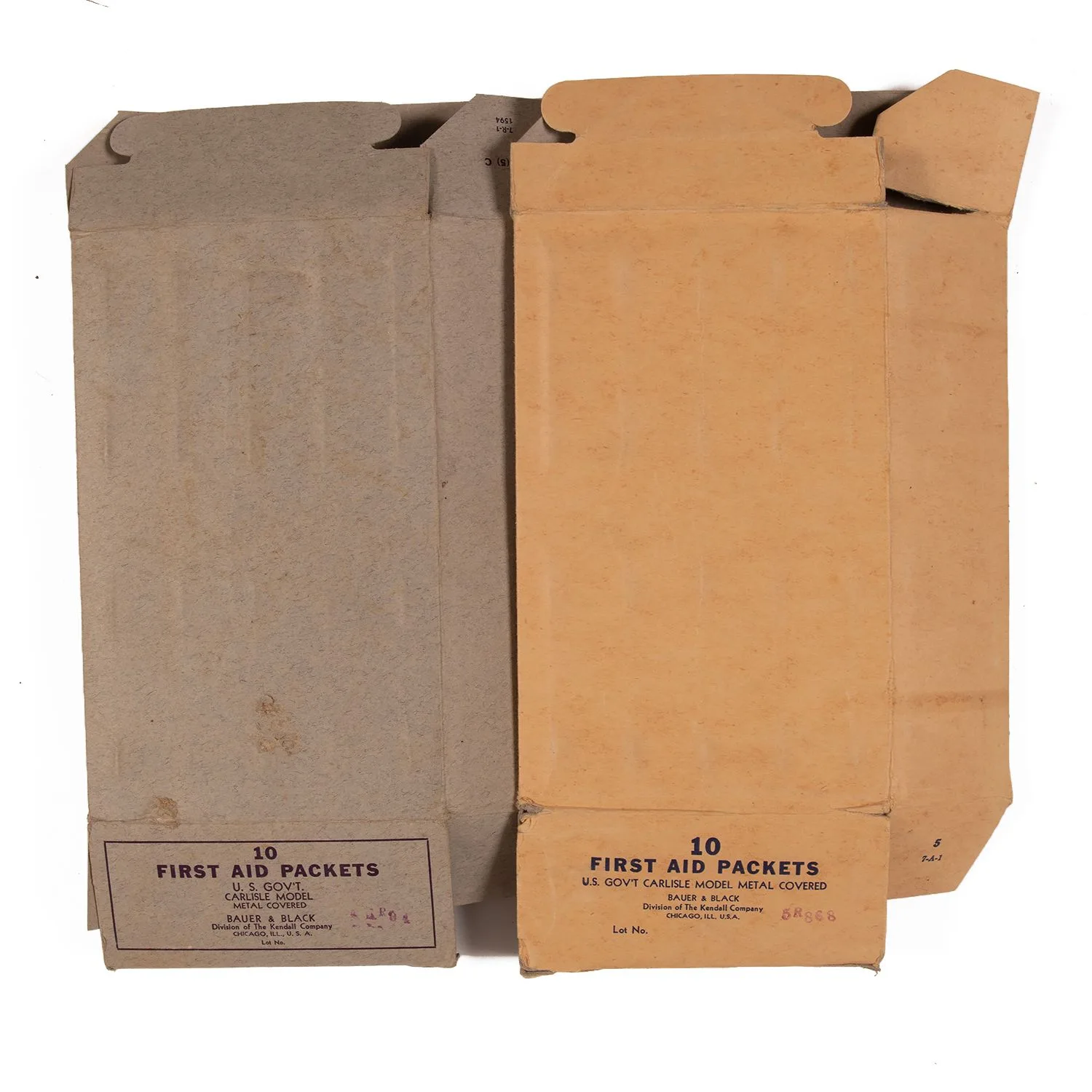
Carlisle Boxes
- Use a reproduction M1937 stove for large-scale reenactments.
- Carlisle Boxes are versatile for storing canned goods, utensils, and other kitchen essentials.
Field Rations: From C-Rations to K-Rations
WWII field rations evolved significantly during the war. The C-ration, introduced in 1938, consisted of canned meat and vegetables, while the K-ration, developed for paratroopers, was a lighter, more compact meal. Soldiers often supplemented these with personal items like coffee, sugar, and crackers. The preparation of these rations required basic kitchen gear: a mess kit, a canteen cup, and a heat source.
For collectors, original ration packaging is rare and valuable. Reenactors often use reproduction items to simulate the experience. When building your impression, consider the specific branch and theater of war. For example, a paratrooper impression might include a compact mess kit and a 506th M2 Paratrooper Helmet, while a ground soldier might carry a larger mess kit and a canvas pouch for rations.
- Research the specific rations used by your unit for authenticity.
- Reproduction ration boxes and packaging are available from specialty vendors.
Storage and Transport of Kitchen Gear
Proper storage was vital to keep kitchen gear clean and functional. Soldiers used canvas bags, pouches, and wooden boxes to organize their equipment. The Carlisle Boxes, originally designed for medical supplies, became popular for storing rations and cooking items due to their durability. Similarly, the Musette Bag, Kirkman was a versatile shoulder bag used by paratroopers and infantrymen to carry personal gear, including mess kits and food.
For reenactors, replicating correct storage adds depth to an impression. Using period-correct bags and boxes not only looks authentic but also helps protect valuable gear. When selecting storage items, pay attention to materials, stitching, and hardware. A well-organized kit reflects the discipline of a WWII soldier and enhances the overall experience.
- Use canvas pouches for mess kits and utensils.
- Label storage boxes with unit markings for added realism.
Whether you're a seasoned reenactor or a history enthusiast, understanding the role of kitchen gear in WWII field rations brings you closer to the soldier's experience. From mess kits to storage solutions like Carlisle Boxes, each piece tells a story of resilience and ingenuity. Explore our collection of authentic reproduction gear to build your own period-correct field kitchen setup.