Quick Answer
For most people, creatine monohydrate is the best choice: it has the most research, is affordable, and works. Look for a product with 3–5 g of creatine monohydrate per serving, minimal additives, and a trusted brand. Take it daily, with or without food, and you can skip the loading phase if you prefer a simpler routine.
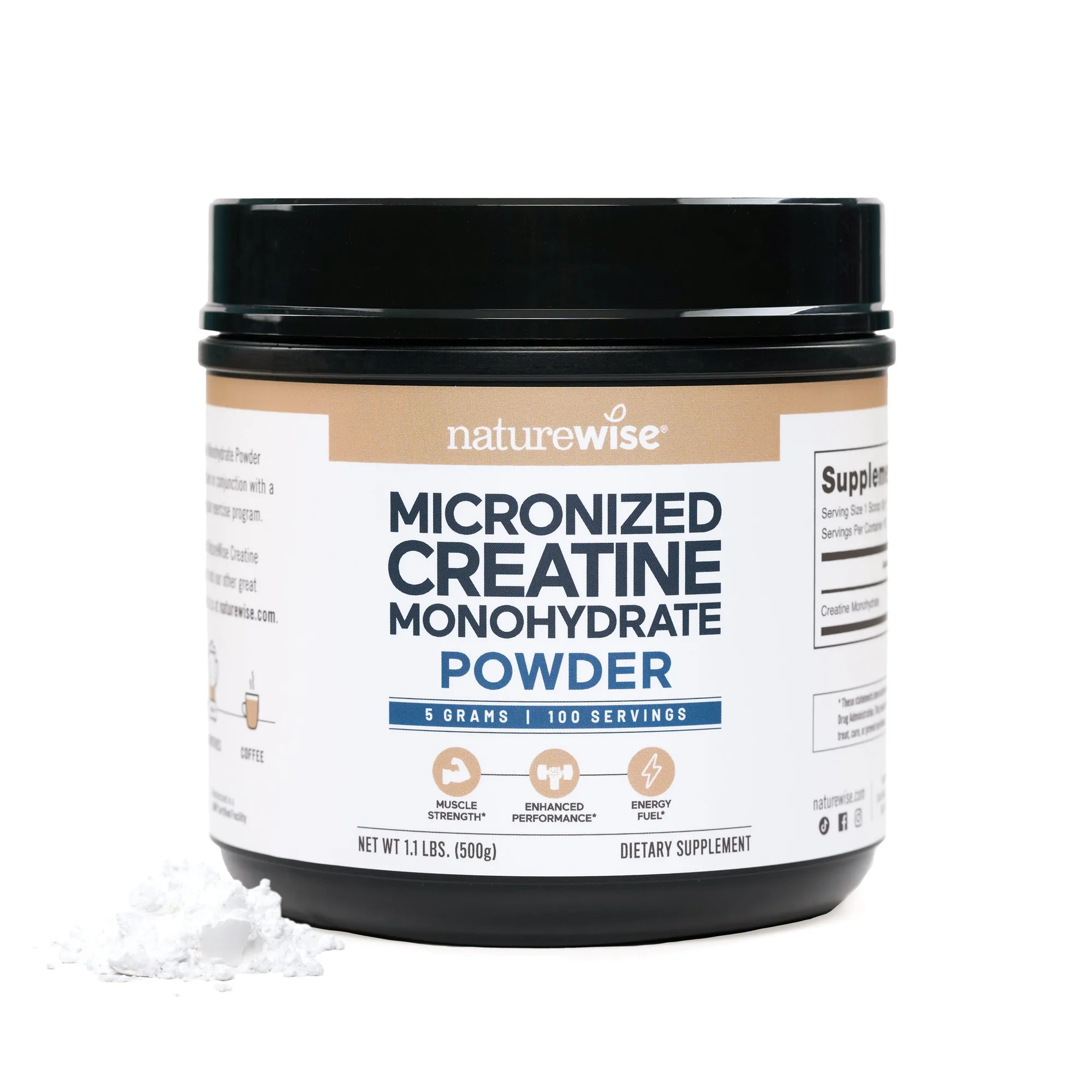
creatine monohydrate
Creatine is one of the most studied sports supplements, but its benefits go beyond building muscle. It supports energy production in cells, which can help with strength, power output, and even cognitive function under stress. If you are new to creatine, the options can be confusing: monohydrate, HCl, blends, gummies, and powders with added flavors.
This buying guide cuts through the hype. You will learn what creatine actually does, how to choose a quality product, and how to dose it for your goals. We will also cover who should avoid it and what to look for on a label.
What Creatine Actually Does
Creatine increases phosphocreatine stores in your muscles, which helps regenerate ATP during short, intense efforts. That translates to more reps, faster sprints, and better performance in activities like weightlifting, HIIT, and team sports. It also draws water into muscle cells, which can make muscles look fuller.
Beyond muscle, creatine may support brain health. Some research suggests it can help with memory and reasoning, especially in vegetarians or under sleep deprivation. However, the evidence is stronger for physical performance than for cognitive benefits. Think of it as a multi-tool: great for muscle, potentially helpful for brain, but not a magic pill.
- Creatine is not a stimulant; it does not provide immediate energy like caffeine.
- It works by saturating your muscles over time, so consistency matters more than timing.
- Vegetarians and vegans often see greater benefits because their baseline creatine levels are lower.
Creatine Monohydrate vs Other Forms
Creatine monohydrate is the gold standard. It is the form used in most studies, it is cheap, and it works. Other forms like creatine HCl, nitrate, or ethyl ester claim better absorption or fewer side effects, but there is little evidence they outperform monohydrate. In fact, monohydrate is often more effective because you get more actual creatine per serving.
If you see a product labeled simply 'creatine,' it is almost always monohydrate. Some brands micronize it to improve mixability and reduce stomach discomfort. Micronized monohydrate is a good choice if regular monohydrate upsets your stomach or clumps in water.
- Avoid proprietary blends that hide the amount of creatine per serving.
- Check the serving size: a 5 g scoop should provide 5 g of creatine monohydrate.
- Flavored options can help with compliance, but check for added sugar or artificial dyes if you want a cleaner product.
How to Read a Creatine Label
Start with the ingredient list. It should say 'creatine monohydrate' and nothing else, unless you want flavoring. Some products add electrolytes, which can be helpful if you train intensely and sweat a lot. But watch out for fillers like maltodextrin, dextrose, or silica if you are sensitive or want to keep calories low.
Next, check the amount of creatine per serving. A standard dose is 3–5 grams. If a product says 'creatine blend' and lists multiple forms, you cannot be sure how much of each you are getting. Also look for third-party testing seals like NSF Certified for Sport or Informed Sport, which verify purity and label accuracy.
- Ignore front-of-label claims like 'ultra-pure' or 'advanced formula' unless backed by a certification.
- If you are a competitive athlete, choose a product with NSF Certified for Sport to avoid banned substances.
- For vegans, check that the capsule or powder does not contain animal-derived ingredients (most creatine is synthetic and vegan-friendly).
Creatine Dosage: Simple Rules
You have two options: loading or steady dosing. Loading means taking 20 g per day (split into 4 doses) for 5–7 days, then dropping to 3–5 g daily. This saturates your muscles quickly. Steady dosing means taking 3–5 g every day from the start; it takes about 3–4 weeks to reach the same saturation. Both work; loading is faster but can cause bloating or stomach upset in some people.
Timing does not matter much. Take it whenever you will remember, with or without food. Some people prefer post-workout, but the difference is negligible. What matters is taking it every day, including rest days. If you miss a day, just resume the next day; no need to double up.
- Start with 3–5 g per day if you want to avoid loading.
- Drink plenty of water; creatine pulls water into muscles.
- If you experience stomach cramps, try splitting the dose or switching to micronized creatine.
Who Should Consider Creatine (and Who Should Not)
Creatine is generally safe for healthy adults. It is popular among athletes, bodybuilders, and older adults looking to maintain muscle mass. Vegetarians and vegans may benefit more because their dietary intake is low. People with sleep deprivation or mild cognitive decline might also see brain benefits, but more research is needed.
However, creatine is not for everyone. If you have kidney disease, liver disease, or a history of these conditions, talk to your doctor before using creatine. Women who are pregnant or breastfeeding should avoid it due to lack of safety data. Also, if you are looking for a quick fix without consistent training and nutrition, creatine will not do much on its own.
- Creatine is not a fat burner; it may cause slight water retention, which is intracellular and not the same as bloating.
- People with bipolar disorder should consult a doctor, as creatine affects brain energy metabolism.
- If you take medication that affects kidneys, check with your healthcare provider.
Decision Rules for Buying Creatine
- If you want the most proven option: Choose creatine monohydrate, ideally micronized, with 3–5 g per serving and no unnecessary fillers. Monohydrate is the standard for a reason: effective and affordable.
- If you have a sensitive stomach: Try micronized creatine monohydrate and start with a lower dose (2–3 g) before increasing. Split doses if needed. Micronized versions mix better and may reduce GI discomfort.
- If you are a competitive athlete: Look for NSF Certified for Sport or Informed Sport seals to ensure the product is free from banned substances. Certification matters for drug-tested sports.
- If you want convenience: Consider flavored powders or capsules, but check the label for added sugar, artificial colors, or low creatine content per serving. Convenience should not come at the cost of quality or dose.
- If you are vegan or vegetarian: Most creatine is synthetic and vegan-friendly, but check the capsule shell (if using capsules) for gelatin. Powder is usually safe. Vegans may benefit more from creatine due to lower dietary intake.
Product Facts from NatureWise
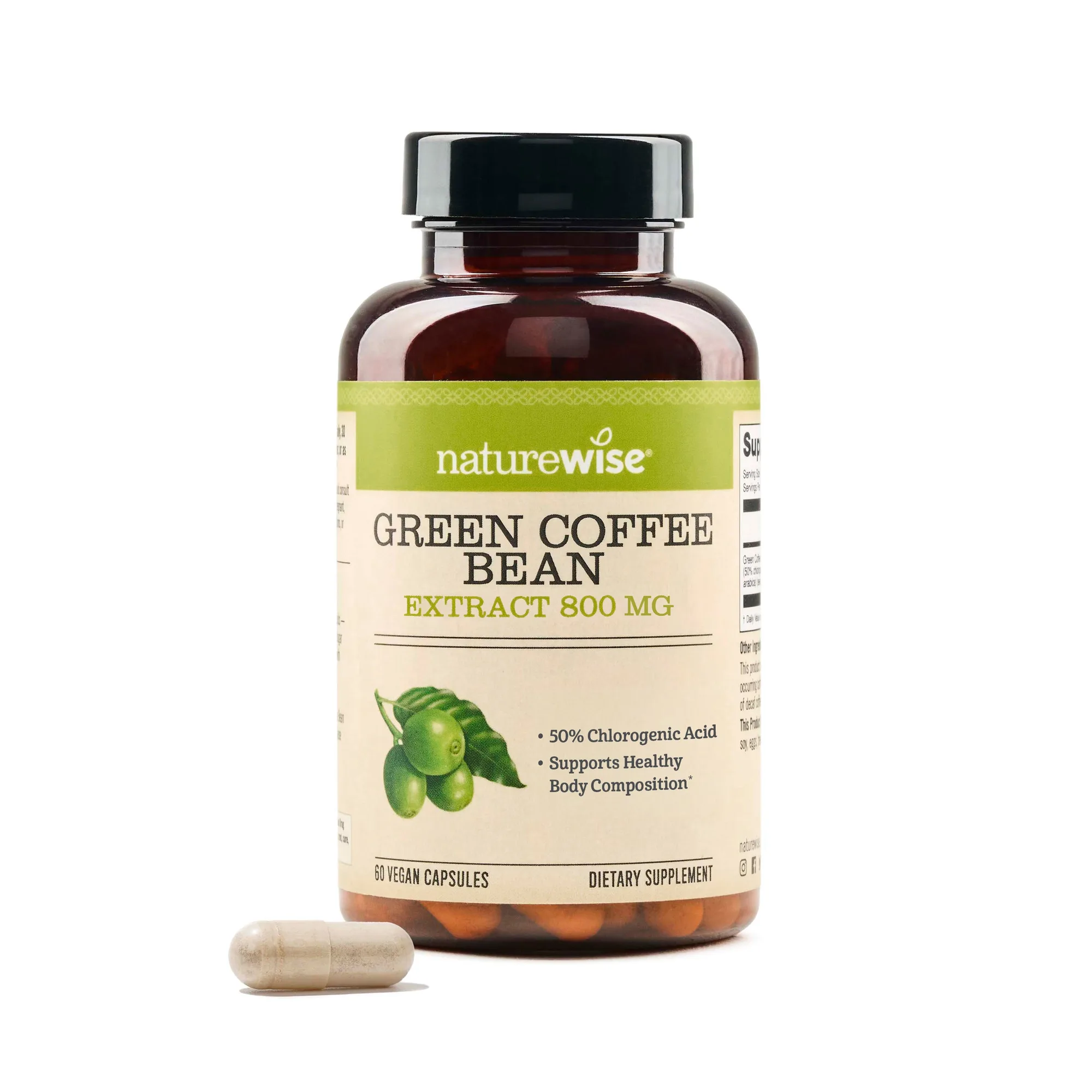
- Green Coffee Bean Extract: Contains 50% chlorogenic acids and 13 mg caffeine per serving; vegan; supports fitness goals, energy, and antioxidant properties. If you want a caffeinated pre-workout boost alongside creatine, this provides a small amount of caffeine (13 mg) and chlorogenic acids, which may support metabolism. It is vegan and low-cost, but not a creatine source.
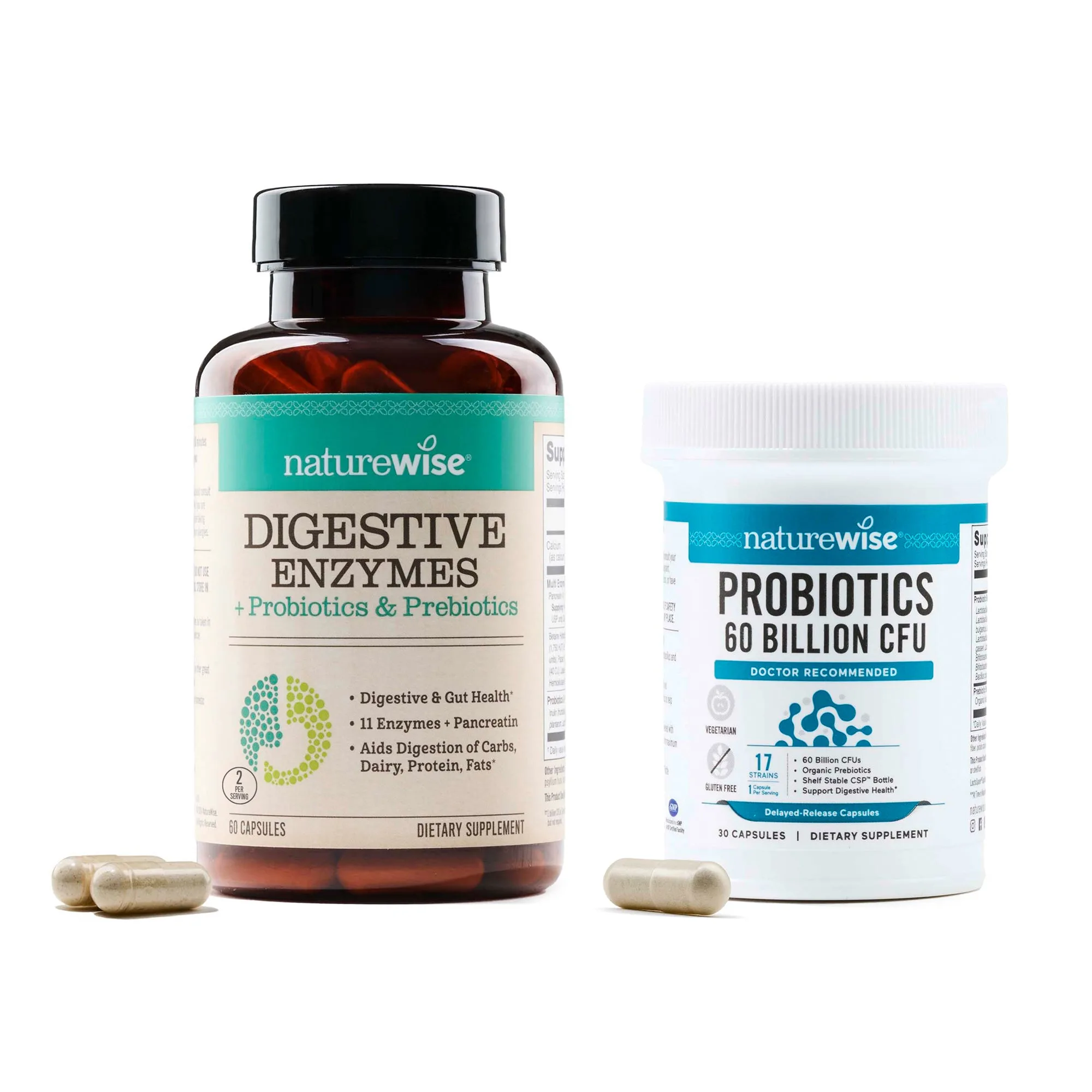
- Digestive Support Bundle: Probiotic product designed to support digestive health and nutrient absorption, with support for bloating. Some people experience stomach discomfort when starting creatine. A probiotic may help support overall digestive comfort, but it is not a cure for creatine-related bloating. Consider if you have ongoing digestion issues.
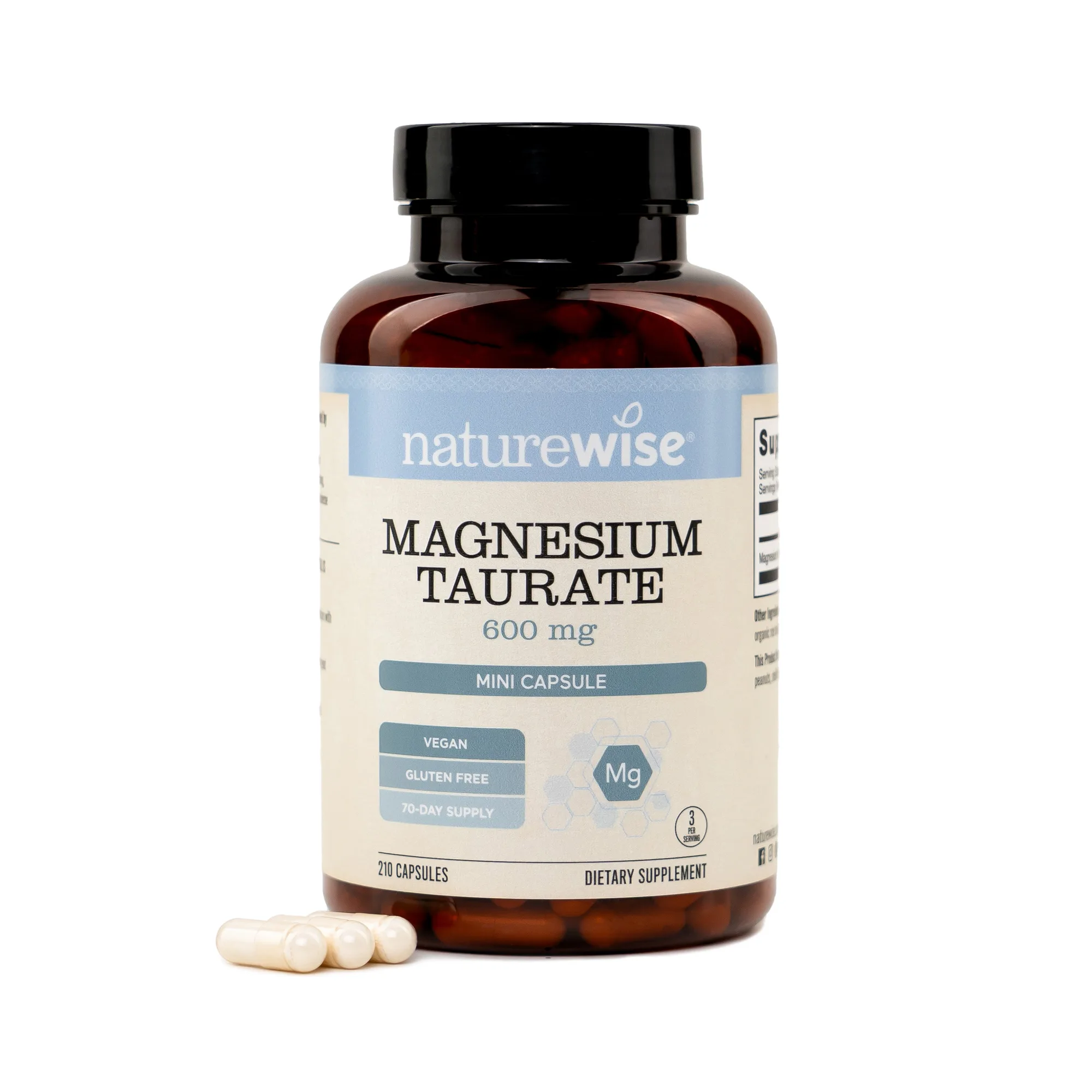
- Magnesium Taurate: Supports cardiovascular health, muscle function, and relaxation; 600 mg magnesium taurate providing 120 mg elemental magnesium; vegan; easy-to-swallow mini capsules. Magnesium supports muscle function and relaxation, which can complement a creatine routine, especially if you train hard and need recovery support. It does not replace creatine but can be part of a foundational stack.
Is Creatine Right for You?
Best for
- Healthy adults who want to improve strength, power, and muscle mass
- Vegetarians and vegans who may have lower baseline creatine levels
- Older adults looking to support muscle function and cognitive health
- Athletes in strength, sprint, or team sports
Not for
- People with kidney or liver disease (consult a doctor first)
- Women who are pregnant or breastfeeding
- Anyone expecting results without consistent training and nutrition
- Individuals taking medications that affect kidney function without medical supervision
Creatine is a simple, effective supplement when you choose the right form and dose. Stick with creatine monohydrate, take 3–5 g daily, and be patient. If you have health concerns, talk to your doctor. For most people, it is a safe and worthwhile addition to a well-rounded routine.