Quick answer
To pack a crossbody bag, place heavier items like your phone and wallet in the back panel closest to your body, then add medium-weight items in the middle, and keep light essentials like keys and lip balm in the front pocket. This weight distribution prevents the bag from swinging and reduces shoulder strain. Always test the bag's balance before heading out.
Start with a realistic essentials list
Before you pack, decide what you truly need for the day. A crossbody bag is designed for the basics: phone, wallet, keys, sunglasses, and a small pouch for extras. Overstuffing defeats the purpose of a lightweight carry. Lay everything out and remove duplicates or items you can leave behind. If you're using a compact sling like the CAMO MONEY SHARK SLING, stick to the core list—it has room for your phone, wallet, sunglasses, and keys, but not much more.
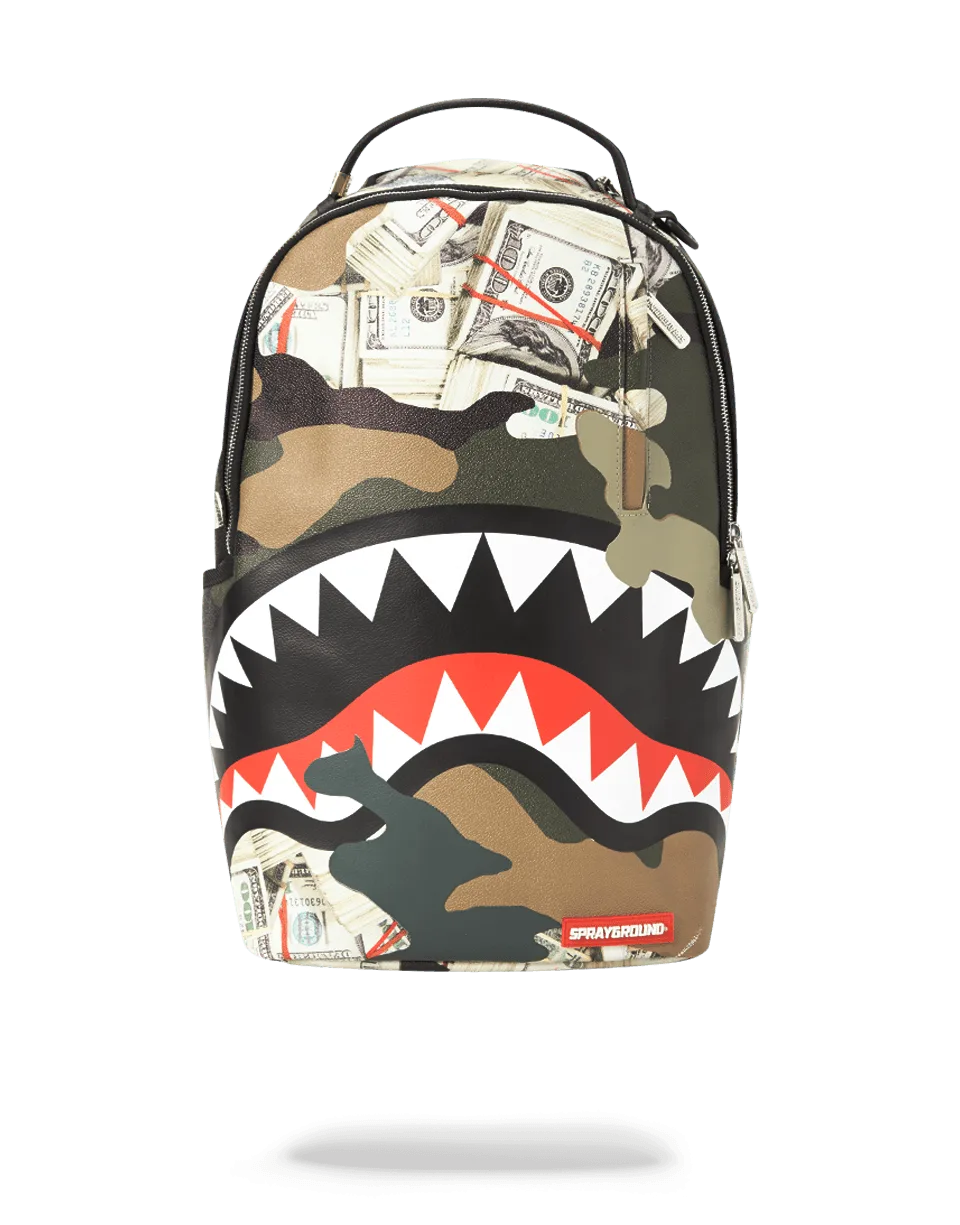
CAMO MONEY SHARK
Organize by weight and frequency
Group items into three categories: heavy (phone, wallet, portable charger), medium (sunglasses, small notebook, snack), and light (keys, lip balm, hand sanitizer). Place heavy items in the compartment closest to your body to keep the bag stable. Medium items go in the main section, and light items in the front or side pockets for quick access. This crossbody bag organization method also makes it easier to find what you need without digging.
Adjust the strap for proper weight distribution
A common mistake is wearing the bag too low or too high. For crossbody bag weight distribution, the bag should sit at your hip or slightly above, with the strap snug but not tight. If the bag swings when you walk, shorten the strap. If it digs into your neck, lengthen it slightly. The goal is to keep the weight centered on your torso, not pulling on one shoulder. Adjust the strap before you load the bag, then fine-tune after packing.
Step-by-step crossbody packing process
- Empty and inspect your bag: Turn the bag upside down and shake out any crumbs or debris. Check all zippers and seams for wear. A clean bag prevents damage to your items and makes packing easier. Checkpoint: If you find a tear or broken zipper, repair or replace the bag before packing.
- Lay out your essentials: Gather everything you plan to carry: phone, wallet, keys, sunglasses, and any small extras. Remove anything you didn't use the last time you carried the bag. Common mistake: Packing 'just in case' items that add weight and bulk.
- Place heavy items in the back compartment: Put your phone and wallet in the compartment closest to your body. This keeps the weight centered and prevents the bag from pulling forward. Checkpoint: The bag should feel balanced when you hold it by the strap.
- Add medium-weight items to the main section: Place sunglasses (in a case), a small notebook, or a snack in the middle. Avoid stacking items on top of each other; instead, arrange them side by side. Common mistake: Overfilling the main section so the bag bulges and loses shape.
- Secure small items in front pockets: Put keys, lip balm, and hand sanitizer in the front or side pockets. These are items you'll reach for often, so keep them accessible without unpacking the whole bag. Checkpoint: Make sure zippers close easily—if they don't, you've overpacked.
- Adjust the strap and test the fit: Put the bag on and adjust the strap so it sits at your hip or slightly above. Walk a few steps to see if it swings or digs in. Fine-tune until it feels secure. Common mistake: Leaving the strap too long, which causes the bag to bounce and strain your shoulder.
Product facts
- CAMO MONEY SHARK SLING: Travel light & efficient with this durable yet stylish Cross-body Shoulder bag. Perfect for your phone, wallet, sunglasses, keys and other small items. This bag is ideal for minimal carry, so you can pack exactly the essentials without overloading.