What Is Cushing's Disease in Dogs?
Cushing's disease, also known as hyperadrenocorticism, is an endocrine disorder that occurs when a dog's body produces too much cortisol. This hormone imbalance can affect multiple organ systems and gradually worsen if left unmanaged. While the condition is serious, understanding what you're dealing with is the first step toward helping your dog.
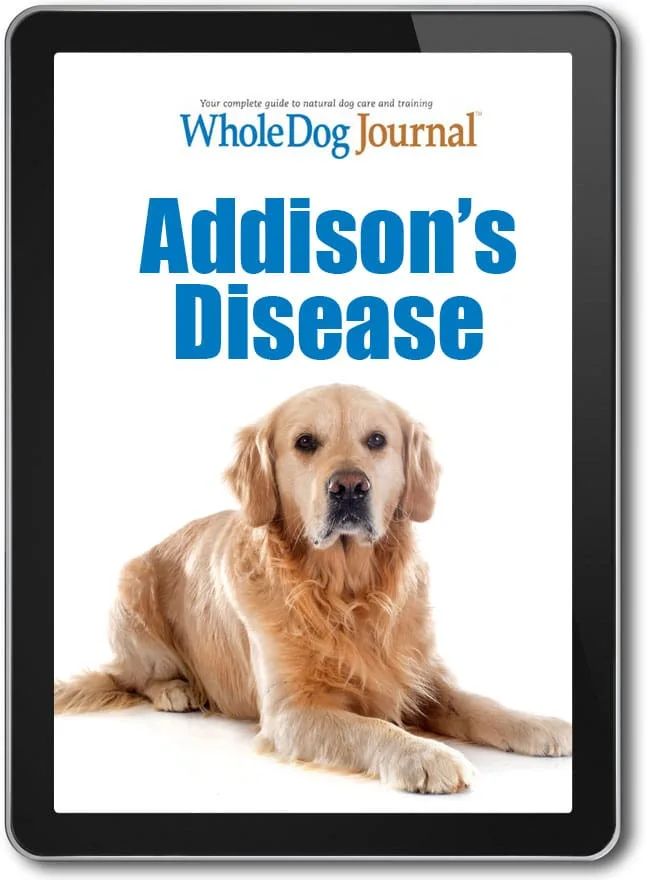
The Whole Dog Journal's resource, Cushing’s Disease, explains that certain breeds are more susceptible and outlines the warning signs owners should watch for. It also covers how treatment has improved over the years, including which medications are no longer recommended.
Recognizing the Warning Signs
Common signs of Cushing's disease in dogs include increased thirst and urination, a pot-bellied appearance, hair loss, and a ravenous appetite. Your dog may also seem lethargic or develop thin, fragile skin. These symptoms often appear gradually, making them easy to dismiss as normal aging.
The Cushing’s Disease guide from Whole Dog Journal details the specific signs you need to know, helping you distinguish this condition from other age-related changes.
A Trusted Resource for Dog Owners
-
Cushing’s Disease: Cushing’s Disease is a focused resource for dog owners seeking to understand this endocrine condition in their pets. It explains the basics of Cushing’s Disease and its impact on dogs, outlines common signs and how the condition is diagnosed, and describes management strategies and treatment options. This guide gives you a clear, practical overview so you can have informed conversations with your veterinarian and make confident decisions about your dog's care.

Cushing’s Disease
How Cushing's Disease Is Diagnosed
Diagnosing Cushing's disease typically involves a combination of blood tests, urine tests, and sometimes imaging. Your veterinarian will look for elevated cortisol levels and may perform an ACTH stimulation test or a low-dose dexamethasone suppression test. These tests help confirm the condition and rule out other illnesses with similar symptoms.
The Whole Dog Journal resource also covers how diagnosis works, so you know what to expect when you visit the vet.
Managing Cushing's Disease in Dogs
While there is no cure for Cushing's disease, it can often be managed effectively with medication, dietary adjustments, and regular monitoring. The goal is to control cortisol production and minimize symptoms, allowing your dog to maintain a good quality of life. Treatment plans are tailored to each dog's specific needs and may change over time.
The Cushing’s Disease guide discusses how alternative medicines, diet, and online support groups can assist in prolonging and improving your dog's quality of life. It also provides practical guidance for working with your veterinarian to find the best approach.
Working with Your Veterinarian
Because Cushing's disease affects each dog differently, close collaboration with your veterinarian is essential. Regular blood work and check-ups help track how your dog is responding to treatment. The Whole Dog Journal resource emphasizes the importance of this partnership and offers practical tips for communicating effectively with your vet.