Quick answer
Only trim the thin, white dead skin that stands up above the nail plate, and never cut living pink tissue near the nail fold. If you feel a pinch, see a bead of blood, or the area turns red and swollen, stop trimming immediately and let the skin heal. A sharp nipper used with light, small snips is safer than a dull one used with force.
A cuticle nipper is one of the most useful tools in a manicure, but it is also the easiest way to cause a painful nick or an infection. Most damage comes from cutting too deep, not from the tool itself. If you have ever finished a manicure with sore, red nail folds, the problem is usually technique and timing, not bad luck.
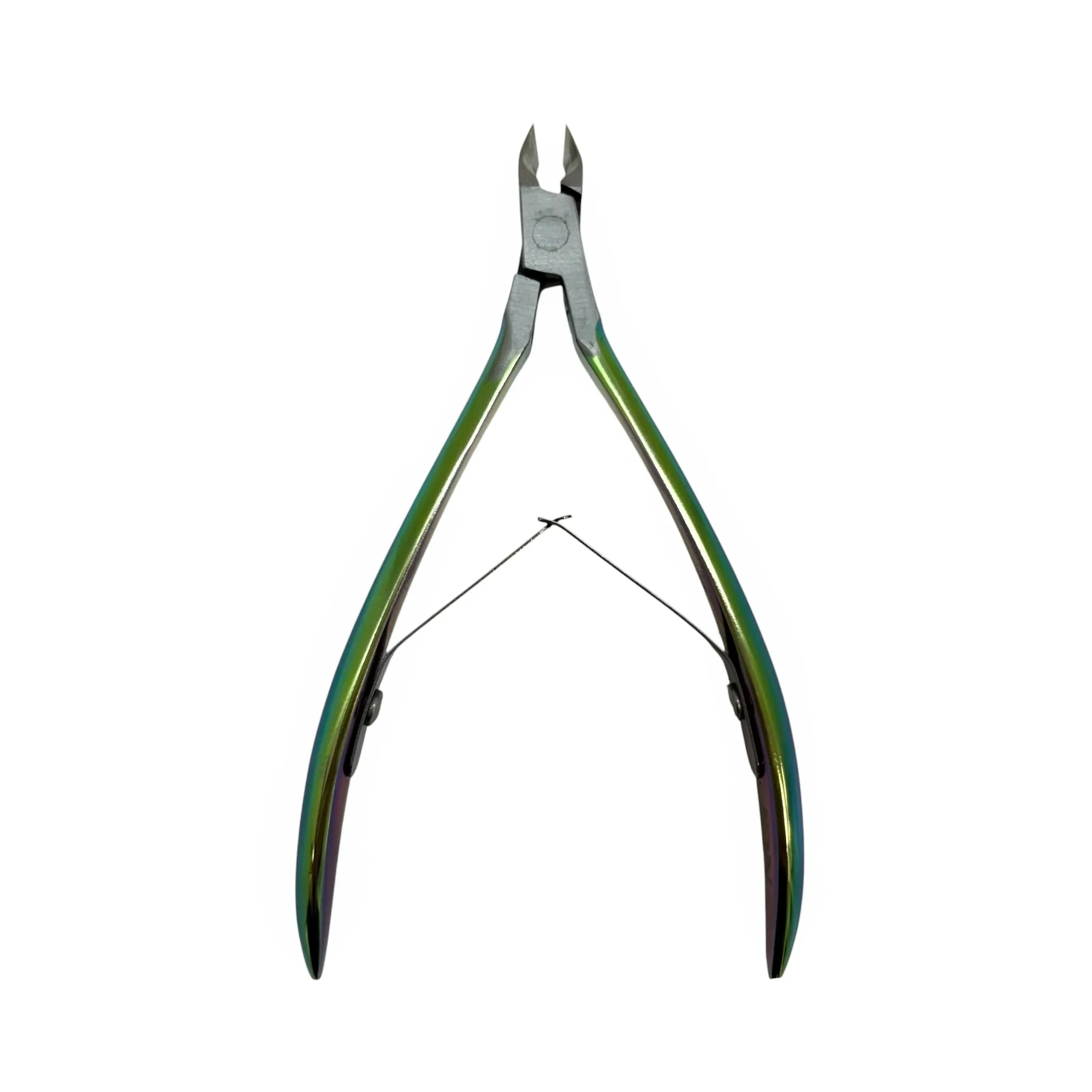
cuticle nipper
This guide separates the symptom from the cause so you can fix the habit instead of just treating the wound. You will learn which skin is safe to trim, how to hold and angle the nipper, and the exact point where you should put the tool down and choose a gentler option.
Symptom: a sharp sting or a tiny bead of blood
A sting during trimming means the nipper blade has reached living tissue. The cuticle that protects the nail matrix is living skin, and it should never be cut. When you feel a pinch, stop and press a clean cotton pad on the spot for a few seconds. Do not keep trimming around it to even things out, because that turns one small nick into a larger wound.
If the sting happens often, your nipper may be dull or misaligned. A dull blade crushes instead of cuts, so you squeeze harder and lose control. Check the blades against a bright light: if you can see a gap or a nick in the edge, the tool needs sharpening or replacing before your next service.
- Stop at the first pinch. Do not chase a clean line.
- Keep a styptic powder or clean cotton pad within reach.
- Replace or sharpen nippers that crush rather than slice.
Symptom: red, swollen, or throbbing nail folds a day later
Redness and swelling that appear hours after trimming usually mean you removed too much protective skin, leaving a break in the barrier. Bacteria that normally live on the skin can enter through that break. This is not a normal part of a manicure, and it should not be ignored.
Clean the area gently with soap and water, keep it dry, and avoid soaking it. Do not apply acrylic, gel, or primer over broken skin, because the chemicals will sting and can trap bacteria. If the redness spreads, the pain increases, or you see pus, see a doctor rather than treating it at home.
- Never apply product over a cut or open skin.
- Keep the area clean and dry, not soaked.
- Seek medical care if swelling or pain gets worse.
Cause: cutting live cuticle instead of dead skin
The cuticle is a seal, not a nuisance. The only part you should trim is the thin, whitish flap of dead skin that lifts off the nail plate after you push it back. If the skin is pink, attached, and sensitive, it is alive and needs to stay. Trimming it opens the door to lifting, infection, and long-term ridges.
Push back first with a cuticle pusher, then look at what stands up. If nothing stands up, there is nothing to cut. Many techs trim out of habit even when the cuticles are already clean, and that habit is the number one cause of over-cutting.
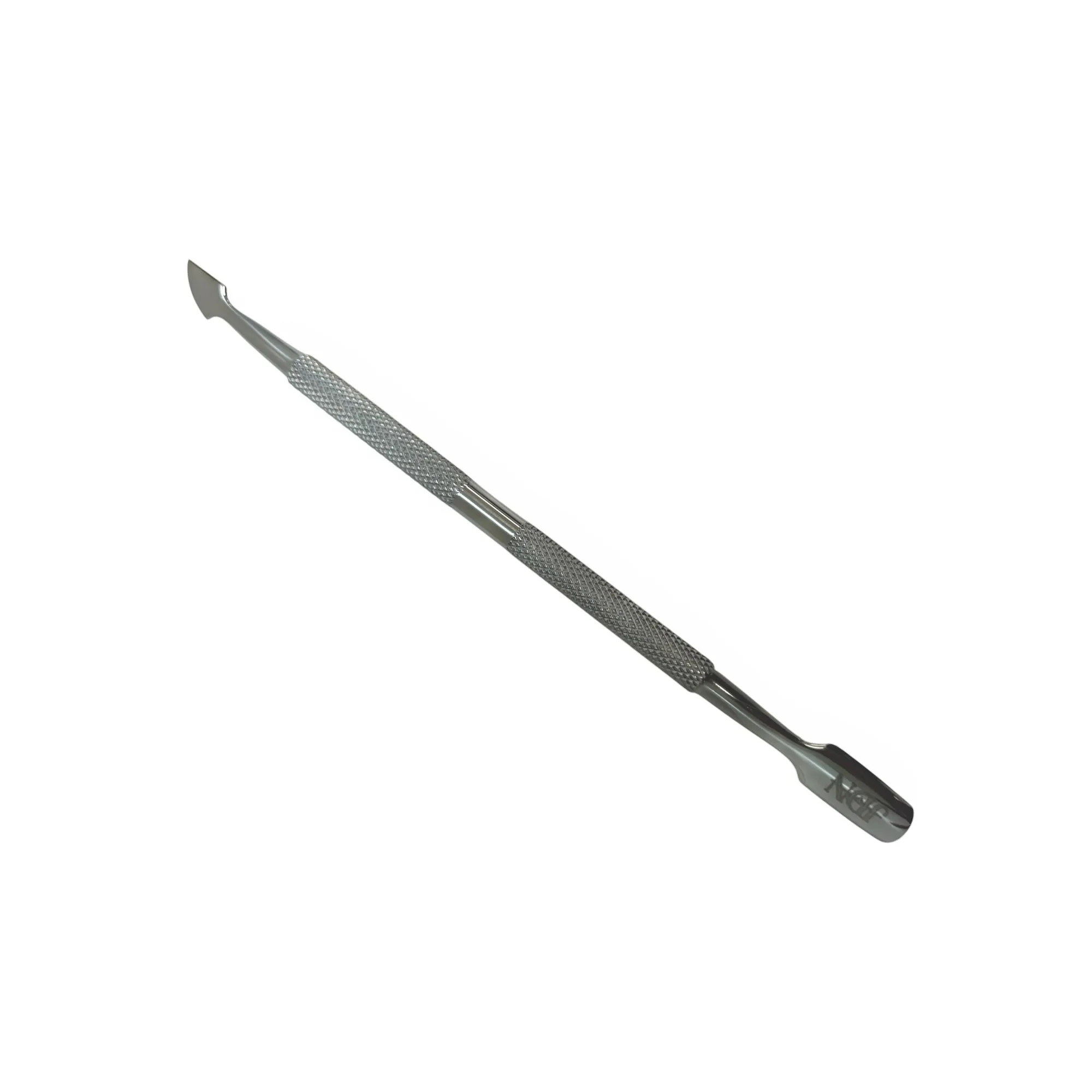
cuticle pusher
- Trim only white, lifted, dead skin.
- If it is pink and attached, leave it alone.
- Skip trimming entirely when nothing stands up.
Cause: the wrong angle, the wrong grip, or the wrong tool
A nipper should be held so the blades are almost parallel to the nail plate, with the tips pointing slightly away from the nail fold. If you angle the tips down into the fold, you will cut living skin even with a light touch. Use small, snip-by-snip cuts instead of one long squeeze, and never pull the skin while cutting.
The jaw size matters too. A large jaw removes too much skin in one bite, while a small jaw gives you more control around the curves of the nail. If your nipper has a spring that sticks or blades that do not meet cleanly, replace it. No technique can compensate for a tool that does not cut properly.
- Keep blades parallel to the nail plate, not angled down.
- Use small snips, not one long squeeze.
- Choose a small jaw for control around curves.
Corrective action: a safer trimming routine
Start with clean, dry hands and a disinfected nipper. Push back cuticles gently, then trim only the lifted dead skin with small snips. Work in good light so you can see the difference between white and pink tissue. When you finish, apply a cuticle oil to condition the skin and reduce the chance of ragged edges that tempt you to cut more.
If you are working on a client, ask before trimming and explain that you will only remove dead skin. Many clients expect a deep trim because that is what they are used to, but a conservative approach heals faster and looks cleaner. A healthy cuticle line does not need to be cut to the quick.
- Disinfect nippers before and after every use.
- Work in bright light to see tissue color clearly.
- Finish with cuticle oil to soften and protect the skin.
Diagnosis: match the sign to the fix
- Pinch or small bleed during trimming: You cut living tissue. Stop immediately, press a clean pad on the spot, and do not trim further to even the line. If bleeding does not stop in a few minutes or the area throbs, stop the service and let it heal.
- Red, swollen nail fold the next day: Too much protective skin was removed and bacteria may have entered. Clean gently, keep dry, and do not apply product over the break. If redness spreads or you see pus, see a doctor instead of treating it yourself.
- Ragged, uneven cuticle line after trimming: The nipper is dull or the angle is wrong, causing crushing and tearing rather than clean cuts. Sharpen or replace the tool and use smaller snips. If the skin is already clean and flat, stop trimming. There is nothing safe left to cut.
Product facts that support safer trimming
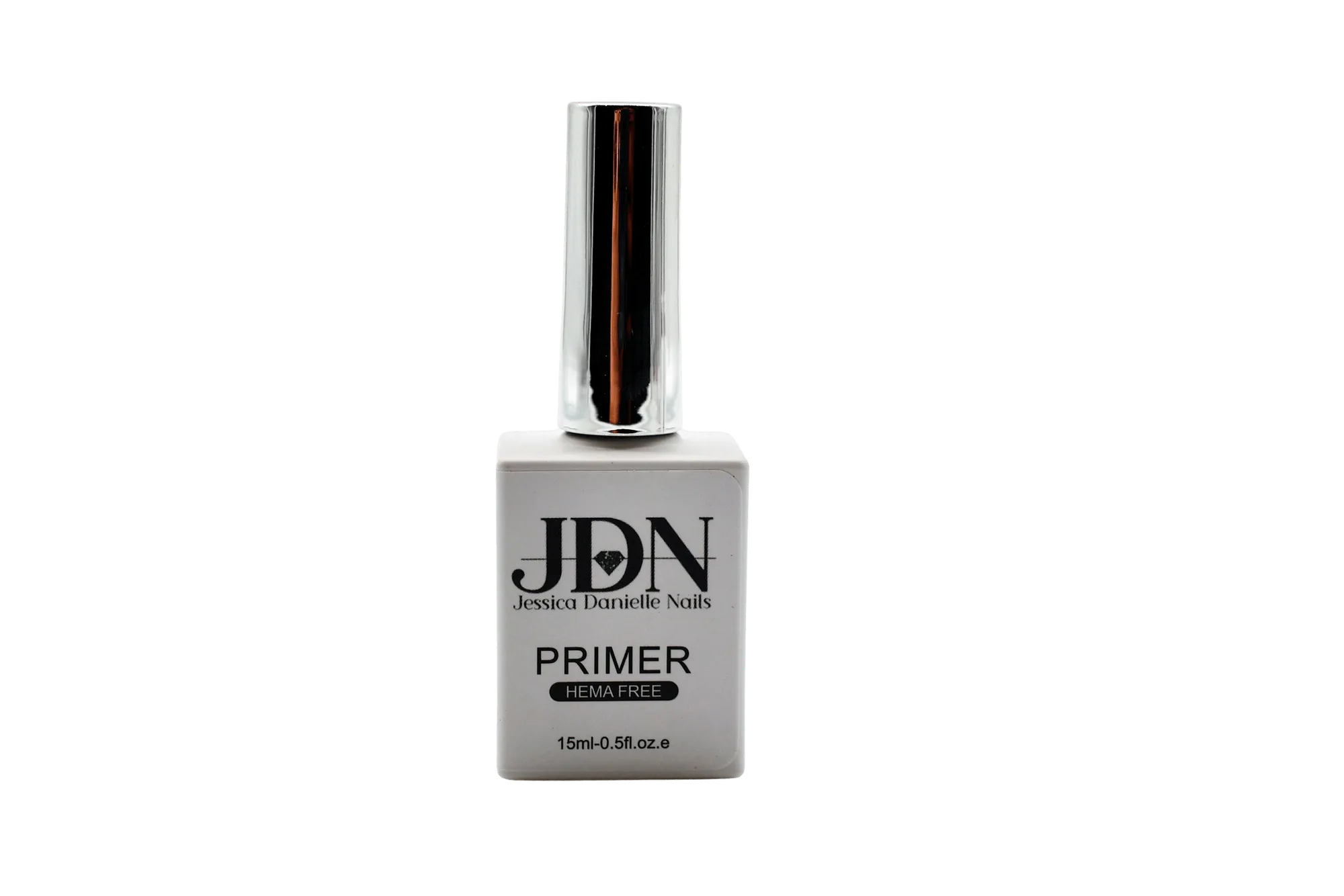
- Nail Primer: Low-odor primer formulated to improve adhesion for acrylic and gel systems; apply one thin layer to the natural nail after proper prep. If you over-cut and leave broken skin, primer will sting and can irritate the wound. Proper prep with primer is a better way to prevent lifting than trimming cuticles too deep.
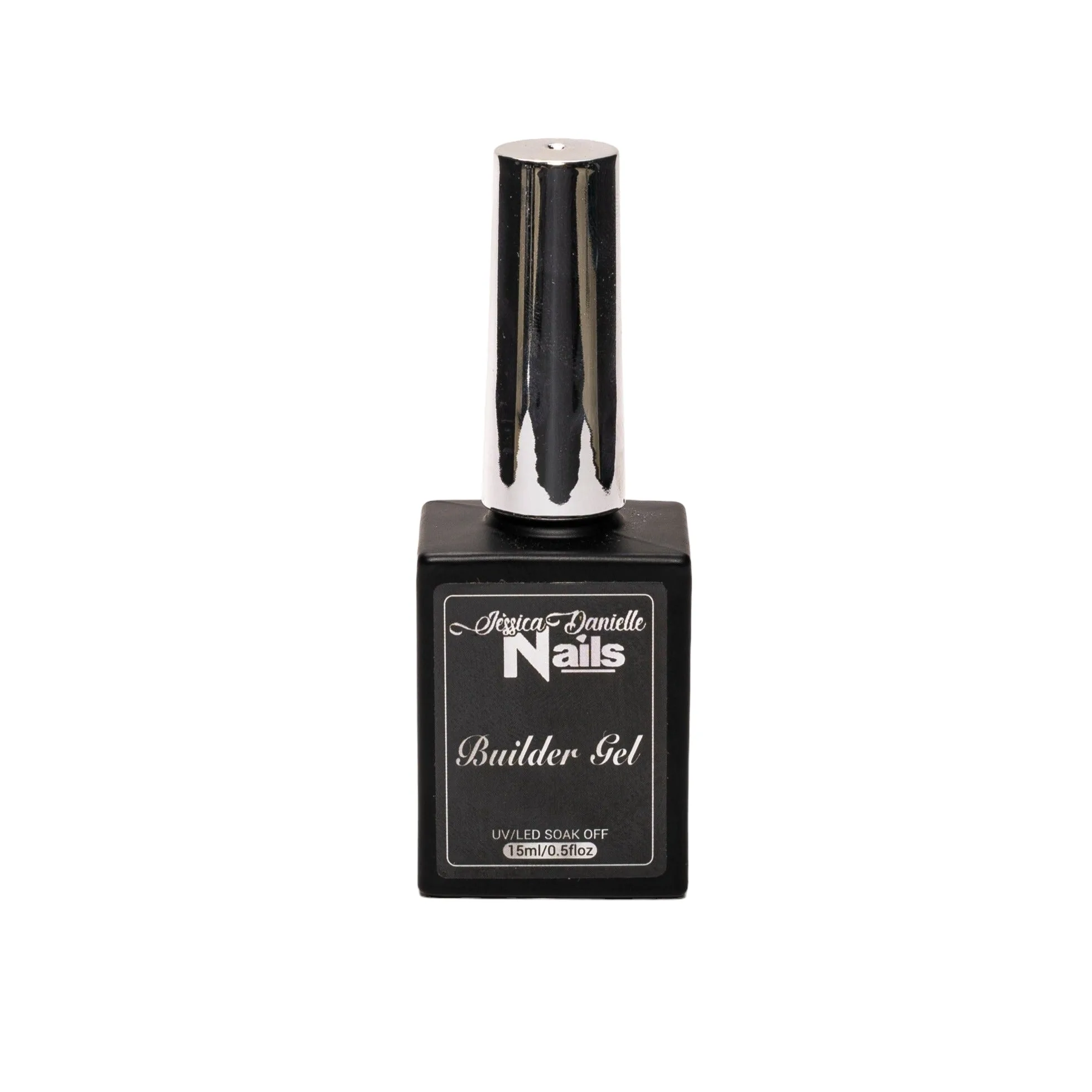
- Builder Gel: Exclusive formula from Jessica Danielle Nails; strengthens natural nails or works with nail tips to create extensions. When cuticles are sore, a strengthening builder gel over the natural nail can protect the nail plate while the skin heals, so you are not tempted to cover damage with acrylic.
Cuticle nipper safety comes down to one rule: trim only dead, lifted skin and stop the moment you feel resistance or pain. A sharp nipper, a shallow angle, and small snips prevent most nicks. When the cuticle line is already clean, put the tool down and reach for cuticle oil instead.