Quick Answer
A cuticle nipper can be a safe ingrown nail tool for a mild, surface-level edge that you can see and reach without digging. It is not safe for a deeply embedded, bleeding, swollen, or infected nail. If the nail is buried under the skin, painful to touch, or oozing, stop and see a podiatrist or doctor instead of cutting.
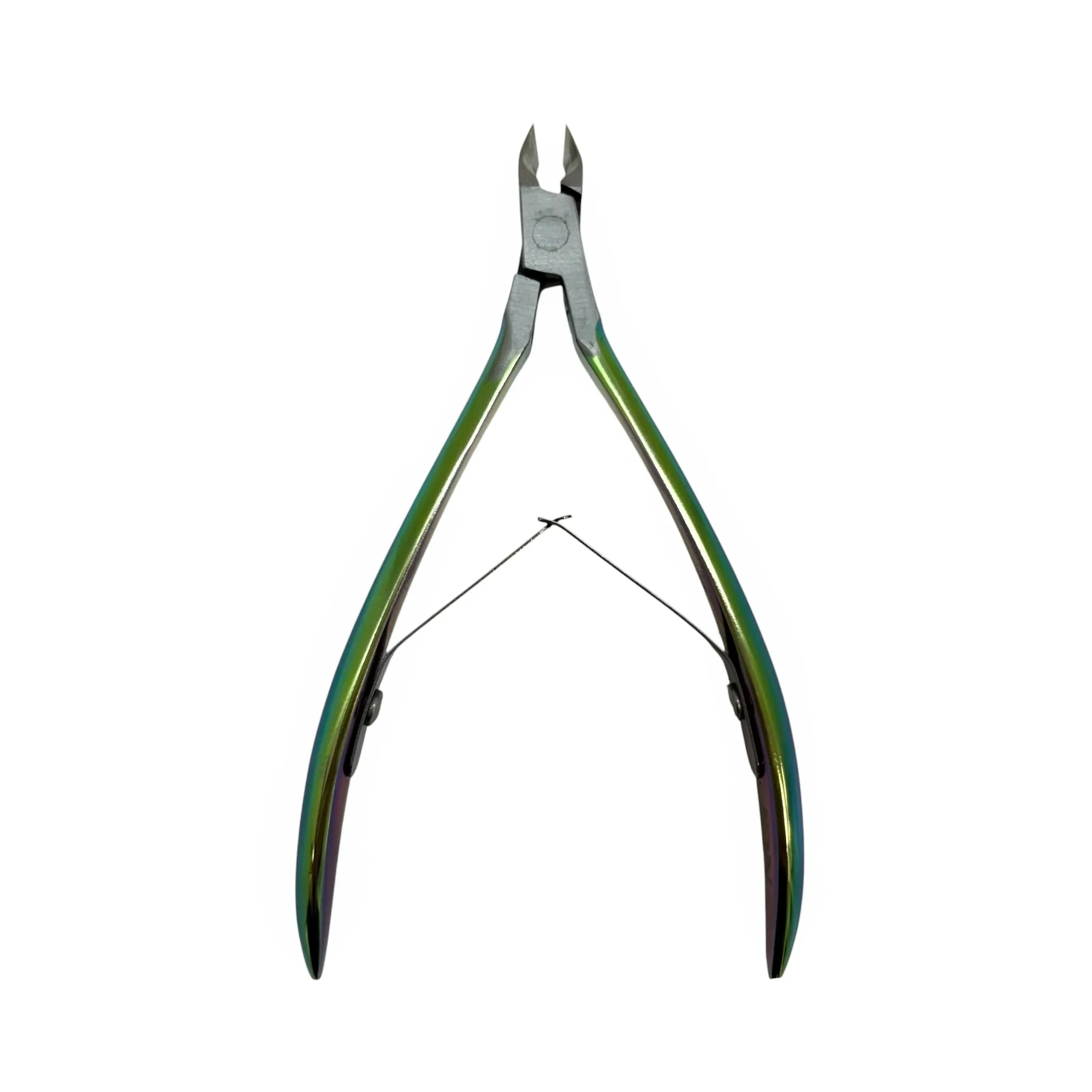
cuticle nipper
Ingrown nails hurt in a very specific way: a sharp, pressured sting at the side of the nail that gets worse when anything presses on it. Because cuticle nippers are already in most nail kits, they are the first tool people reach for. Sometimes that works. Often it makes things worse.
The difference comes down to depth. A nipper can clean up a loose edge sitting on top of the skin. It cannot safely free a nail that has grown into the skin, and trying to force it can create an opening for infection. This guide separates the two situations so you know which one you are dealing with.
What an Ingrown Nail Actually Looks Like
An ingrown nail happens when the edge or corner of the nail grows into the soft tissue beside it. Early on, you may only see redness and slight swelling along one side, with a tender spot when you press. The nail edge is often still visible and sitting close to the surface.
As it progresses, the skin can swell over the nail edge and hide it completely. At that point the area is usually hot, throbbing, and painful even without pressure. This is the stage where home cutting becomes risky, because you cannot see what you are cutting and the tissue is already inflamed.
- Mild: visible edge, tender only when pressed, no drainage.
- Moderate: swollen skin overlapping the nail, constant soreness.
- Stop-and-refer: pus, bleeding, red streaks, fever, or pain that keeps you awake.
When a Cuticle Nipper Is the Right Tool
A cuticle nipper is appropriate only for a mild ingrown edge that is already loose and visible above the skin line. In that narrow case, the goal is not to dig out the nail. It is to trim away the small, sharp corner that is catching on the skin so it can grow out without pressure.
Work on clean, dry feet or hands. Sanitize the nipper first, then make one small snip at the very tip of the visible edge. Do not slide the jaws under the skin, and do not pull. If the edge does not come away with a single clean cut, leave it alone and reassess in a few days.
- Cut only what you can see clearly without pressing or spreading the skin.
- Never round the corner down into the side of the nail, which encourages re-growth into the skin.
- Stop immediately if you feel resistance or the skin starts to bleed.
Why Digging Makes Ingrown Nails Worse
When you push a nipper under swollen skin, you create a small wound in tissue that is already inflamed. Bacteria that normally live on the skin can enter that opening, turning a mechanical problem into an infection. You also risk cutting the nail too short, which lets the new edge grow back even more sharply into the same spot.
There is a second problem: pain makes your hands less steady. The more it hurts, the more likely you are to slip and take a chunk of skin instead of nail. That is why the standard advice for moderate and severe ingrown nails is to stop cutting at home entirely.
- Soaking in warm water can soften the area and reduce pressure, but it does not replace proper treatment for a deep ingrown nail.
- If you have diabetes, poor circulation, or a weakened immune system, do not attempt any home removal.
- Repeated ingrown nails on the same toe usually need a professional fix, not a better nipper.
Choosing and Caring for the Tool
If you keep a nipper for occasional edge cleanup, choose one with a sharp, aligned jaw and a size that matches the job. A smaller jaw gives more control near a nail edge than a large one, and a clean cut is safer than a jagged one that leaves a spike behind. Dull nippers crush and tear rather than cut, which is exactly what you want to avoid near inflamed skin.
Clean and disinfect the nipper after every use, and store it dry with the jaws closed. A nipper that has been dropped or used on thick callus will not hold a clean edge for long. If it starts to bend the nail instead of snipping it, replace it rather than forcing it.
- Reserve one nipper for nails and do not use it on cuticles, calluses, and ingrown edges interchangeably without cleaning between uses.
- Wipe the jaws after each cut so debris does not dull the edge.
- Replace nippers that no longer meet cleanly at the tip.
What to Do Instead When You Should Not Cut
For a moderate ingrown nail, the safest home step is reducing pressure and inflammation, not cutting. Soak briefly in warm water, dry thoroughly, and keep the area clean and covered if it rubs against shoes. A small piece of soft cotton or a foam spacer under the corner can lift the edge away from the skin, but only if it does not increase pain.
If there is any sign of infection, or if the pain is not improving after a few days of conservative care, book an appointment. A professional can remove the offending edge safely and, if needed, address the underlying shape of the nail. That is a better outcome than a home cut that turns into a bigger problem.
- Wear shoes with a wide toe box while the nail settles.
- Keep the nail trimmed straight across rather than curved at the corners.
- Do not apply tight bandages that restrict circulation.
Ingrown Nail Diagnosis: Symptom, Cause, Action, Stop Point
- Symptom: tender edge, no swelling: The nail corner is visible and only hurts when pressed. This is the mild stage where a single small snip with a clean nipper may help. If one clean cut does not free the edge, stop and leave it.
- Symptom: swollen skin over the nail: The edge is hidden under puffy, sore tissue. Cutting now means working blind in inflamed skin. Switch to warm soaks, pressure relief, and a professional appointment.
- Symptom: pus, heat, or red streaks: These are signs of infection, not a mechanical nail problem. No home tool should touch this. See a doctor promptly. Do not cut, poke, or soak in harsh solutions.
Tools That Support Safe Ingrown Nail Care
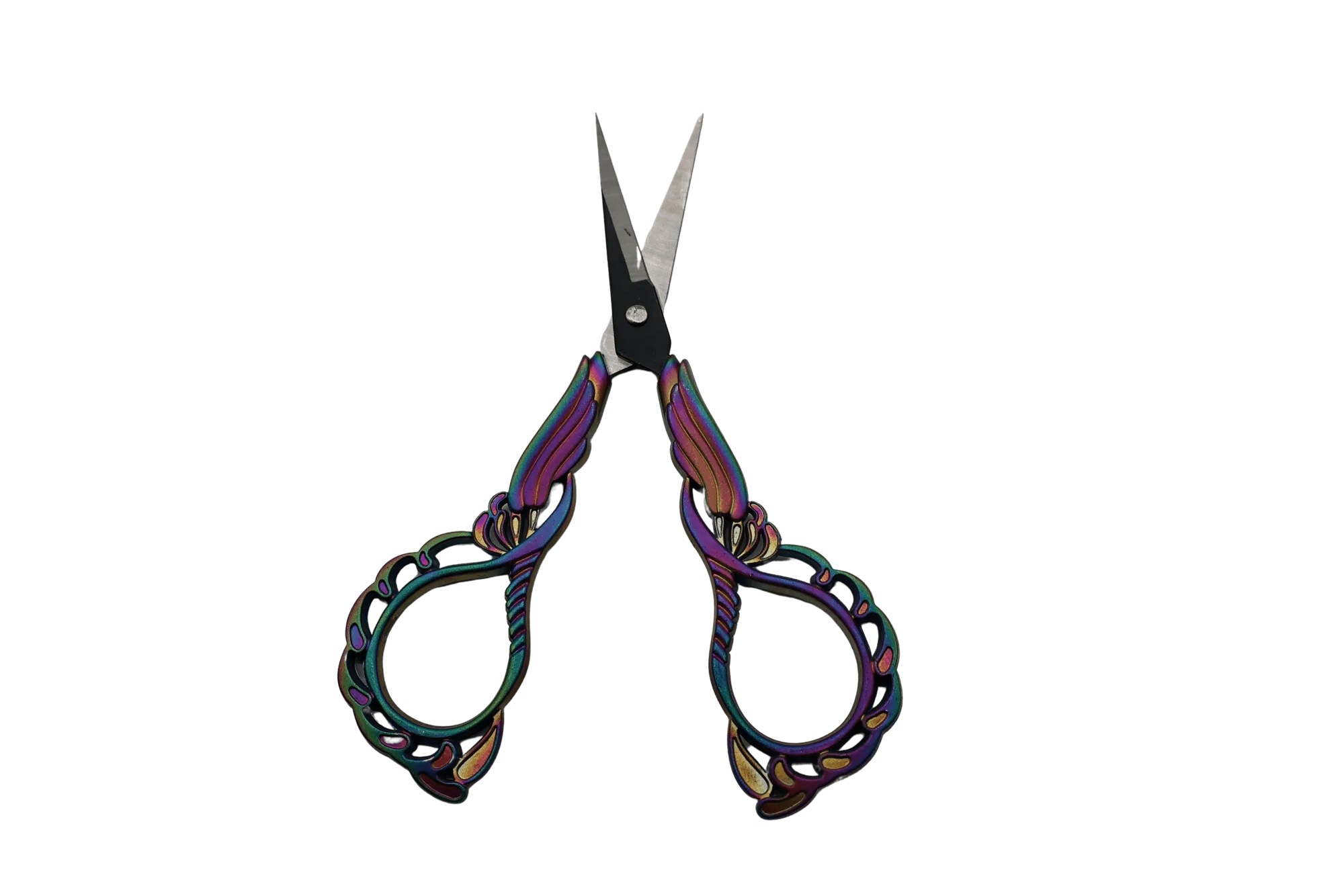
- Scissors: These Multi-Purpose Nail Scissors are described as sharp and durable, designed for cutting nail tips, stickers, and water decals. For trimming a straight nail edge without the curved jaw of a nipper, a straight-cutting tool gives you more control and a cleaner line, which is the shape you want to avoid re-ingrowing.
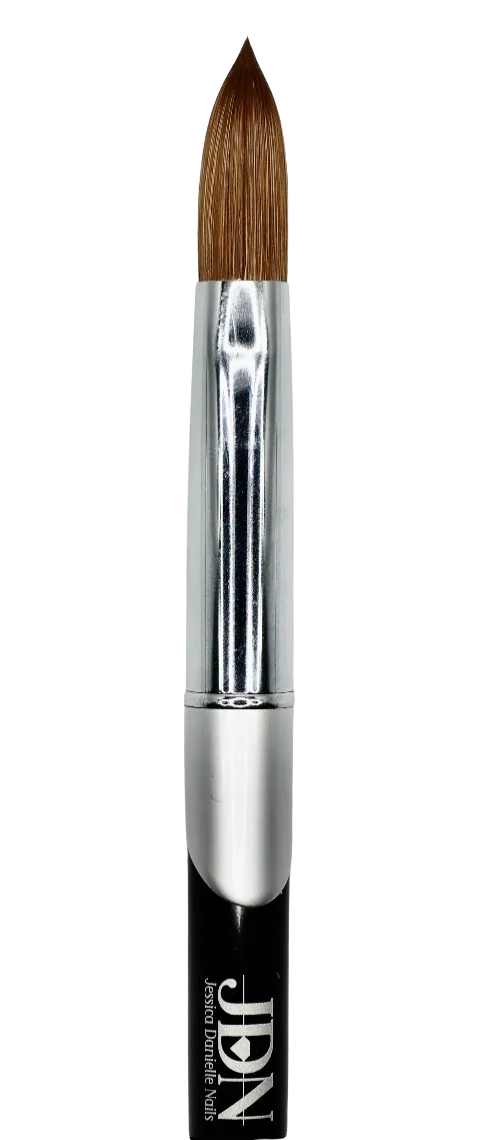
- Acrylic Brush #16: The Jessica Danielle Nails Acrylic Brush #16 is made with 100% genuine kolinsky hair and is pre-pinched and acetone resistant. This is a reminder that precision tools belong to specific jobs. A brush built for acrylic application is not a substitute for a clean-cutting nipper or scissors, and using the wrong tool near inflamed skin is how accidents happen.
A cuticle nipper is a useful tool for a mild, visible ingrown edge and the wrong tool for anything deeper. If you can see it and it comes away in one clean cut, fine. If you have to dig, stop, treat the inflammation, and let a professional handle it.