Quick Answer
Choose a cycling cap for mild to warm rides, light rain, and sun protection; choose a helmet liner for cold rides where you need warmth and ear coverage. If you ride in changing conditions, a cap handles more situations, but a liner is better below roughly 10°C. Fit matters: both must sit smoothly under your helmet without pressure points.
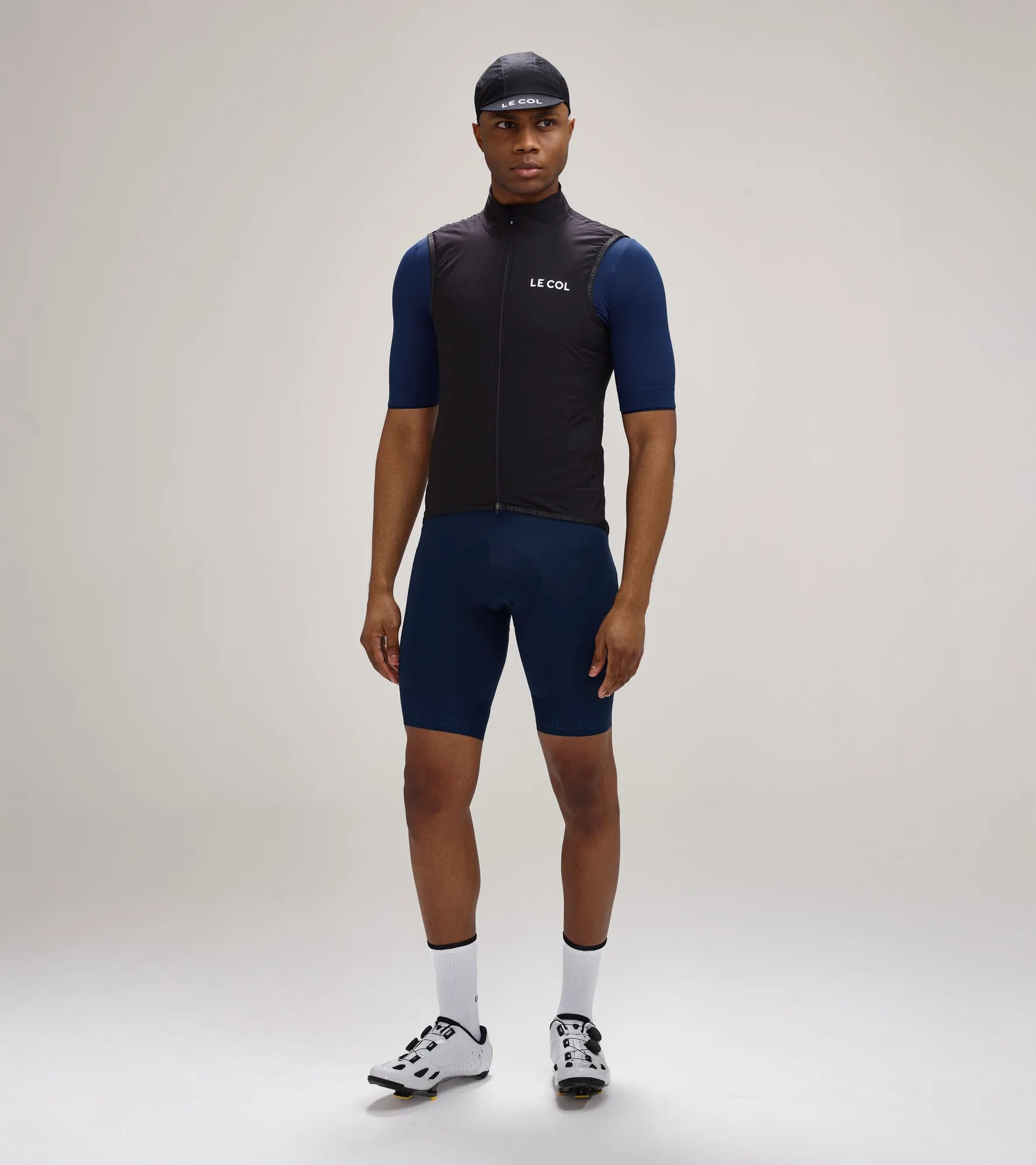
cycling cap
What Each Piece Actually Does
A cycling cap has a short brim that shields your eyes from sun and rain, and a thin cotton or synthetic crown that fits under a helmet. It adds minimal warmth. A helmet liner is a close-fitting skullcap, often with ear flaps, designed to trap heat and wick sweat. It has no brim, so it does not block glare or rain.
Neither replaces a helmet. Both are worn underneath. The decision comes down to temperature, precipitation, and how much coverage you want around your ears and neck.
Temperature Rules That Actually Work
Use a simple threshold: above 15°C, a cap alone is usually enough; between 8°C and 15°C, a cap plus a thin liner or a cap with ear warmers works; below 8°C, a thermal liner with ear coverage is the better call. Wind chill changes this—if you ride fast or into a headwind, add the liner earlier.
In summer, a lightweight cap manages sweat and sun. A liner in summer just adds heat unless it is a mesh or sweatband-style liner meant for moisture management, not warmth.
Rain, Sun, and Visibility
A cap brim keeps rain off your glasses and face, which is why many riders prefer a cap in showers. A liner soaks through faster and offers no eye protection. If you wear prescription glasses, a cap is often the more practical choice in wet weather.
For strong low sun, a cap brim reduces glare. A liner does nothing for glare. If your route faces east in the morning or west in the evening, a cap earns its place even on cool days.
Fit and Helmet Compatibility
Both pieces must be thin enough to avoid changing helmet fit. Add the headwear, then adjust the helmet's retention dial. If the helmet sits too high or presses at the temples, the headwear is too thick or the wrong shape.
Caps with a soft brim can be folded and stowed in a jersey pocket. Liners pack even smaller. If you overheat, remove the liner first; a cap can be worn with the brim flipped up if needed.
How to Build a Two-Piece System
Most riders do not need five options. One breathable cap for mild and warm days plus one thermal liner for cold days covers nearly everything. Add a waterproof cap only if you regularly ride in sustained rain.
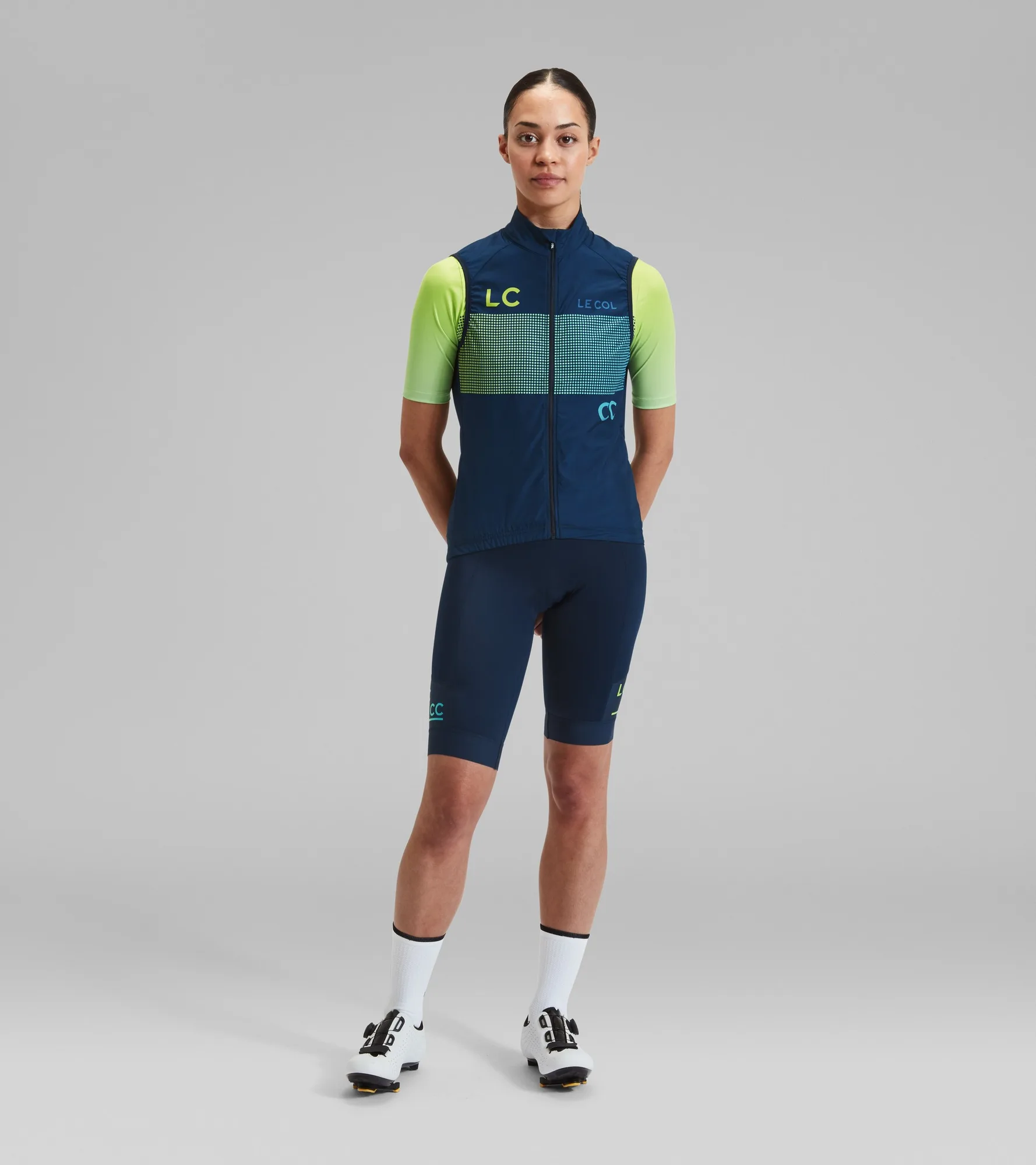
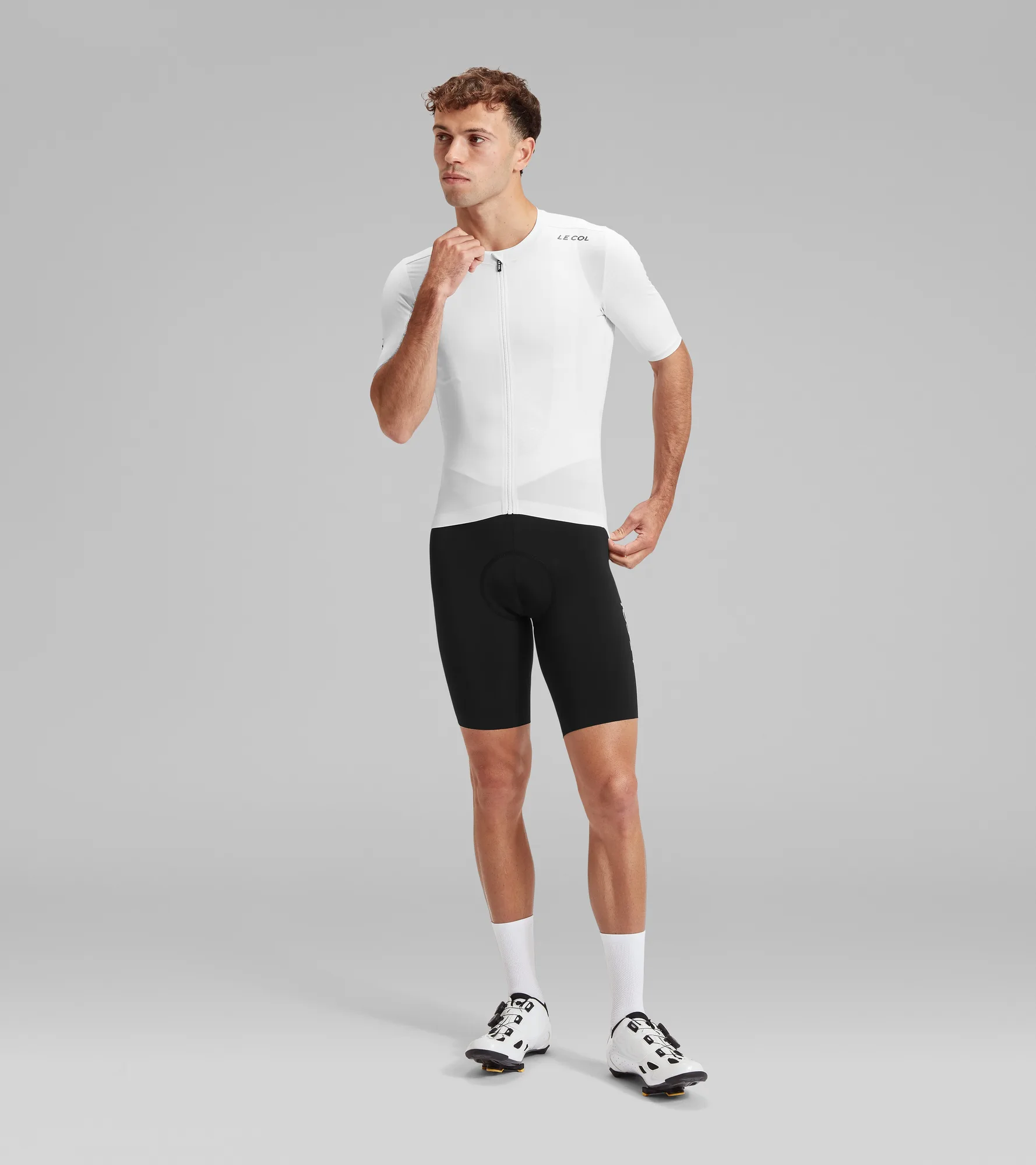
Match the rest of your kit to the headwear. In cold weather, a windproof gilet keeps your core warm so you can wear a thinner liner and avoid overheating. In warm weather, a lightweight jersey and a summer cap keep you cool. For example, the LC__CC Womens Sport Gilet is a packable layer for changing conditions, and the https://lecols.com/products/pro-aero-jersey-1-d0a180804a84edfdaf5bc8c7-760573Pro Aero Jersey is built for fast riding where excess fabric costs speed.
Decision Rules
- Above 15°C or sunny: Wear a summer cycling cap for sweat management and glare reduction. Skip the liner. Cap only.
- 8–15°C or light rain: Wear a cap; add a thin liner or ear warmers if you run cold or ride fast. A cap brim helps in showers. Cap, add liner if needed.
- Below 8°C or windy: Wear a thermal helmet liner with ear coverage. Add a cap only if rain or glare is a factor. Liner first, cap for weather.
- Fit check: Put on headwear, then helmet. Adjust retention. If pressure points appear, try a thinner option. Comfort over thickness.
Product Facts
- LC__CC Womens Sport Gilet: Lightweight, packable, and designed to adapt to changing conditions; windproof and shower-resistant front panel with mesh side and back panels for airflow. A gilet like this lets you wear a thinner helmet liner because your core stays protected, reducing the risk of overheating on cold starts that warm up later.
- Long Tech Wool Cycling Socks: Long cuff for more coverage and compression; high warmth-to-weight ratio; synthetic fibres and reinforced seams for durability; strategically placed cushioning. Warm feet and ankles make cold-weather riding more comfortable, so you can focus on headwear decisions without compensating elsewhere.
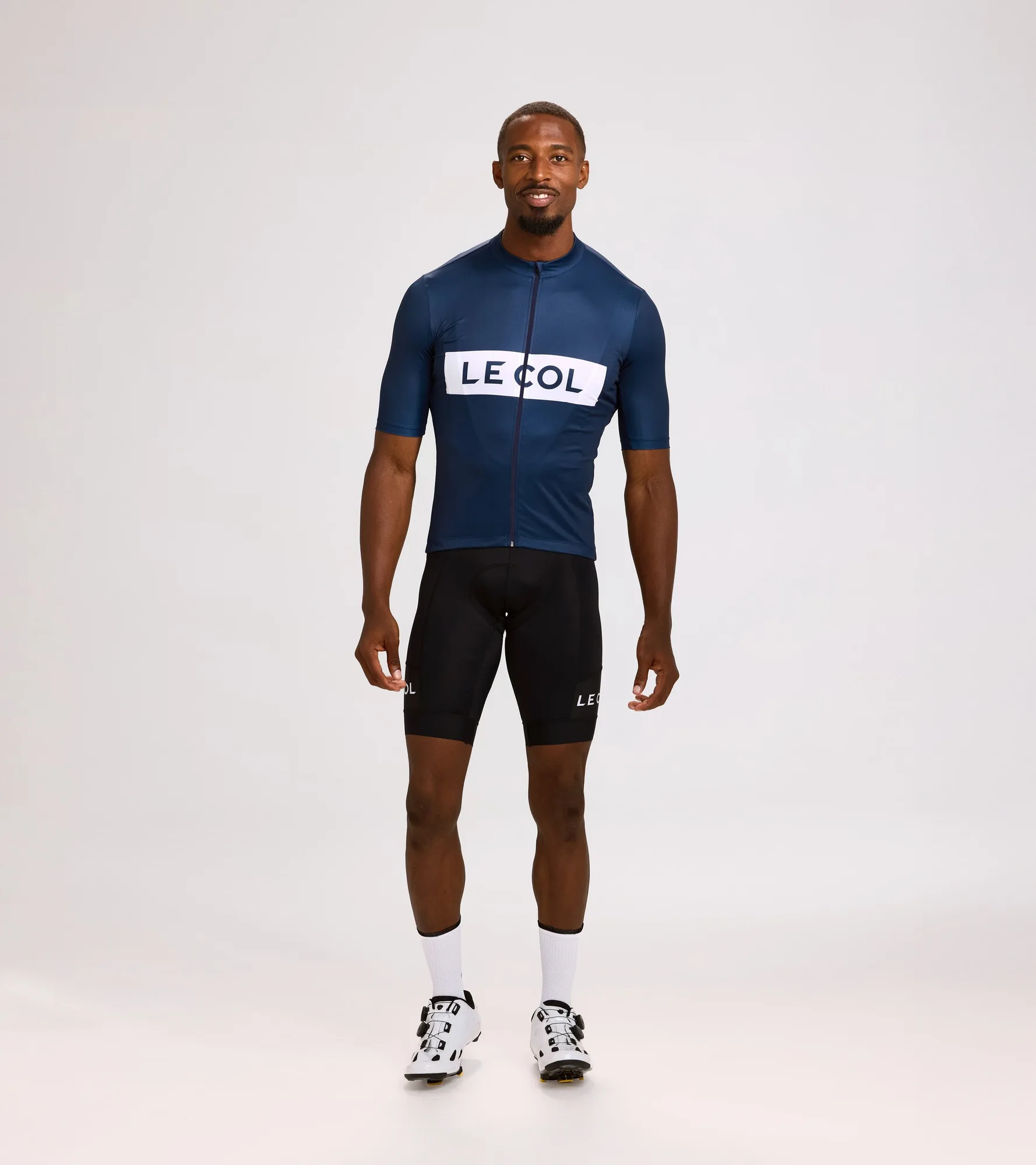
- Sport Logo Jersey: Lightweight mesh pockets, silicone hemline gripper, updated fabrics for relaxed rides or tempo training. A jersey with secure pockets lets you stow a cap or liner when conditions change mid-ride.
Who Should Choose Which
Best for
- Riders in mild to warm conditions who want sun and rain protection
- Commuters who face changing weather and want one versatile piece
- Cyclists who wear glasses and need a brim in showers
Not for
- Very cold rides below 8°C where ear coverage is essential
- Riders who overheat easily and need maximum breathability without a brim
- Anyone who cannot adjust helmet fit to accommodate added thickness