Quick answer
Pick headwear by the temperature at your ride's coldest point, not at the start. A thin cycling cap handles sun, rain, and mild cold under a helmet; a headband or ear warmer covers the cool 45-60 F range when your head would overheat in a full cap; a beanie takes over below roughly 40 F or in strong wind. If you are unsure, start with a cap and add a headband underneath.
What each piece actually does
A cycling cap is a thin, brimmed layer. The brim keeps sun and rain out of your eyes, and the thin fabric fits under a helmet without changing its fit much. It is the most versatile single piece because it works from hot summer rides through cool, wet mornings.
A headband or ear warmer covers the ears and forehead but leaves the top of your head open. That is exactly what you want when your ears ache in the cold but your scalp would sweat under a full cap. It is the piece most riders forget, and it solves the 45-60 F range better than either a cap or a beanie.
A beanie is a full-coverage knit layer for genuinely cold conditions. It traps heat across the whole scalp and ears, but it is bulky under a helmet and gets uncomfortable fast if the temperature climbs. Treat it as a cold-weather tool, not a default.
The common mistake is choosing headwear for the temperature when you leave the house. Your body heats up in the first 20 minutes, so dress for the coldest point of the ride and expect to feel slightly cool at the start.
How to layer headwear under a helmet
Order matters: headband first against your skin, then the cap over it if you need both. This keeps the headband's ear coverage in place while the cap handles rain and glare. A beanie usually goes on alone because adding anything under it makes the helmet sit too high.
Check your helmet's fit dial after adding a layer. Most helmets have enough adjustment range for a thin cap or headband, but a thick beanie can push the helmet up and reduce coverage at the back of the head. If the helmet no longer sits level, the layer is too thick for that helmet.
For summer, a thin cap alone is enough. If you overheat easily, choose an unlined cap and skip the headband entirely. The goal is to block sun and sweat, not to insulate.
Materials, washing, and storage
Headwear sits against your skin and absorbs sweat, so it needs washing more often than you think. Rinse caps and headbands after sweaty rides and wash them with your other technical kit. A washed cotton cap like the Casual Cap can handle a normal gentle cycle, but check the care label before you toss anything in a hot wash.
Keep a spare cap or headband in your bag or jersey pocket. A dry layer for the descent or the ride home makes a bigger difference than an extra jersey. Store them flat or loosely folded so the brim does not crease.
Your step-by-step headwear decision
- Check the coldest temperature on your route: Look at the low, not the current reading, and factor in wind chill on exposed descents or open roads. Checkpoint: if the low is above 65 F, you likely need nothing but a thin cap for sun.
- Match the layer to the range: Above 65 F use a thin cap for sun and sweat. From about 45-60 F use a headband or ear warmer. Below roughly 40 F or in strong wind, switch to a beanie. Mistake to avoid: wearing a beanie in mild weather and overheating within 20 minutes.
- Layer headband under cap when you need both: Put the headband on first for ear coverage, then the cap for rain and glare. This combination covers cool, wet rides better than either piece alone. Checkpoint: if the helmet sits too high or the dial runs out of adjustment, remove a layer.
- Re-check fit with the helmet on: The helmet should sit level and cover the same part of your head as it does without the layer. Adjust the dial and straps after adding headwear. Mistake to avoid: assuming your usual helmet fit still works with a thick beanie.
- Pack a spare and plan to remove a layer: Carry a dry cap or headband in a jersey pocket so you can swap when you warm up or when rain stops. Next step: after the ride, rinse sweat from the layer and wash it with your technical kit.
Headwear from the current range
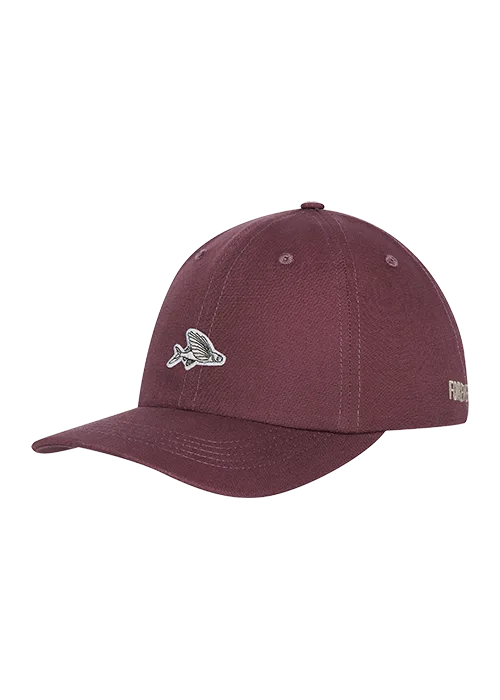
- Casual Cap: Casual Cap is made from washed cotton, 100% organic, with more than 20% recycled fibres, handmade in Poland, with an adjustable buckle strap and the flying fish and Forever Outsiders embroidery. The adjustable buckle lets you fine-tune fit over a headband or on its own, and the cotton construction suits mild and warm conditions rather than deep winter.
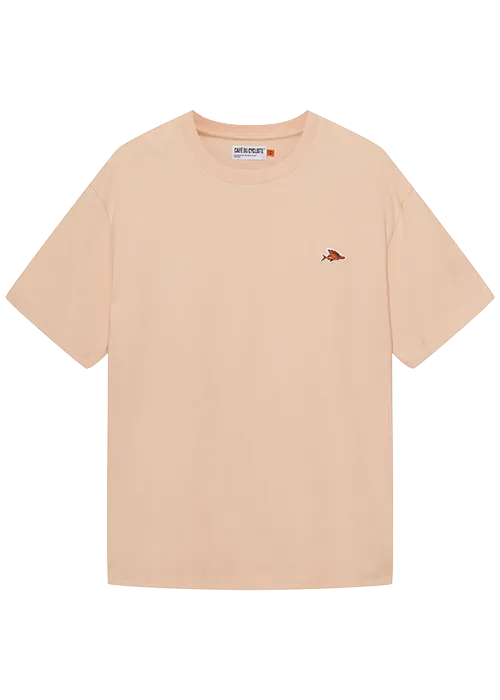
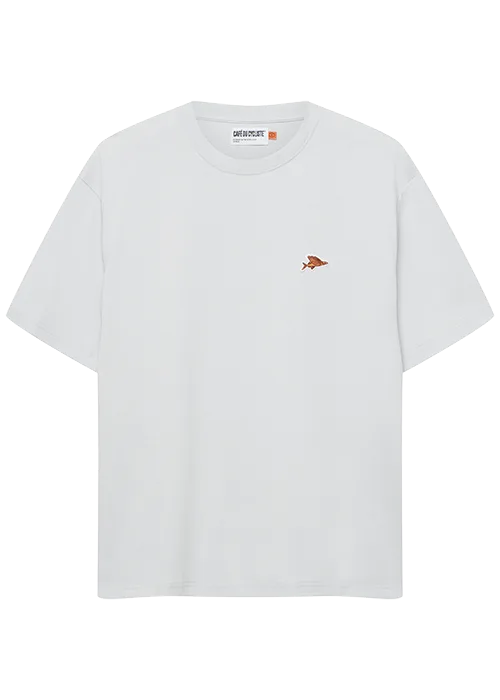
- Anne: anne-off-white-86aaae024e4ab81ffdcc6b4b-762362">anne-black-74f0fc0798ce5447ed0f3c52-762361">anne-puddle-6160c37351824facadbb5bba-762357">anne-austin-7903bcd03c92c184ddf1aee5-762356">Anne is a unisex signature T-shirt in 100% organic cotton with a classic cut, ribbed collar, and set-in sleeves. A breathable cotton layer for before or after the ride, when you take your cap off and want something clean and comfortable.