The core difference: coverage, not just warmth
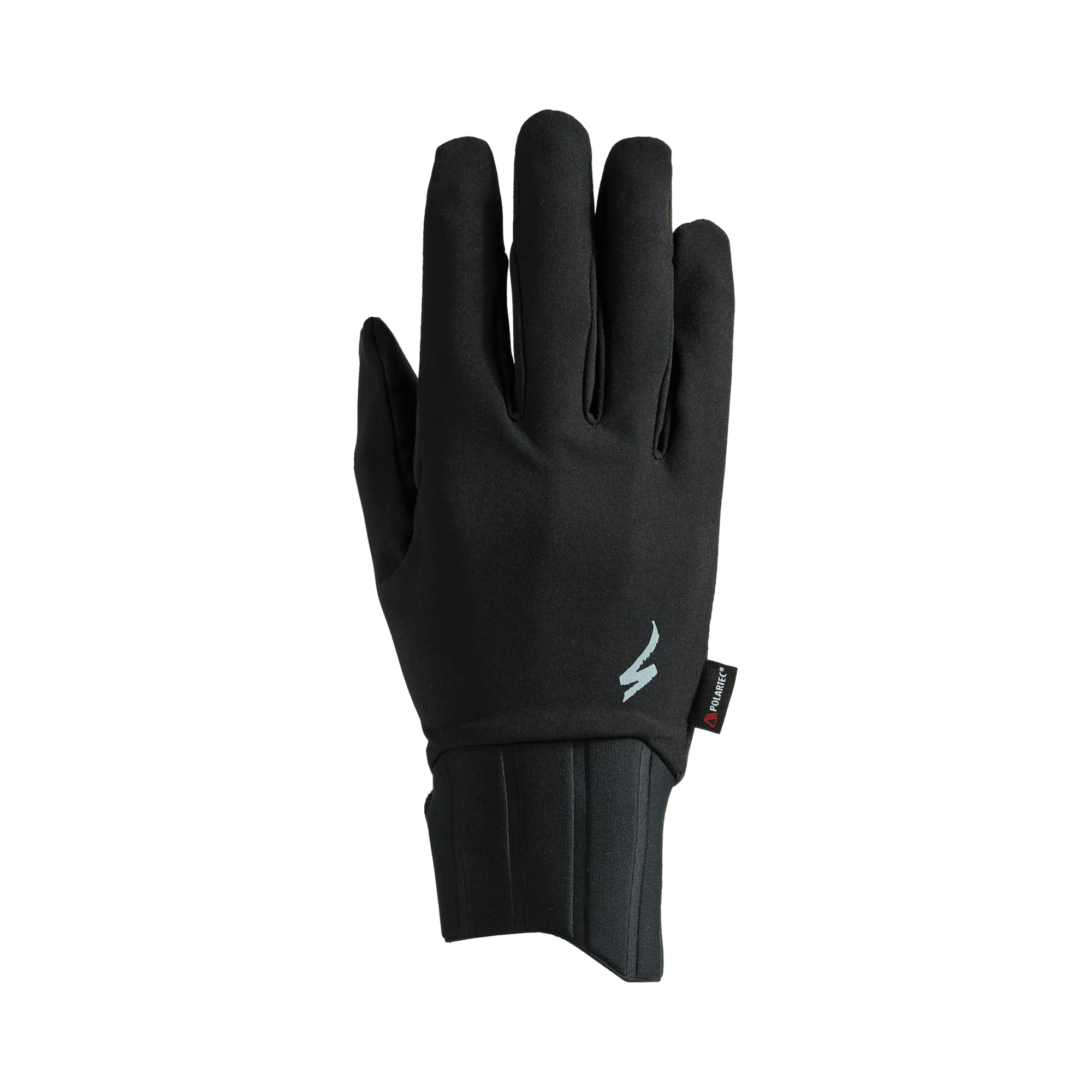
When you compare cycling mitts vs gloves, the obvious difference is finger coverage. Mitts leave your fingers exposed, while full gloves cover them. That single design choice drives everything else: breathability, dexterity, and how well each option suits cold weather cycling handwear.
For cold rides, full gloves are the default choice because they trap warmth around your fingers. Mitts, by contrast, are built for milder conditions where ventilation and feel matter more than insulation. But the decision isn't always black and white—some riders prefer mitts for high-intensity efforts even in cool weather, while others reach for full gloves as soon as temperatures drop.
What the Le Col Cycling Mitts are designed for
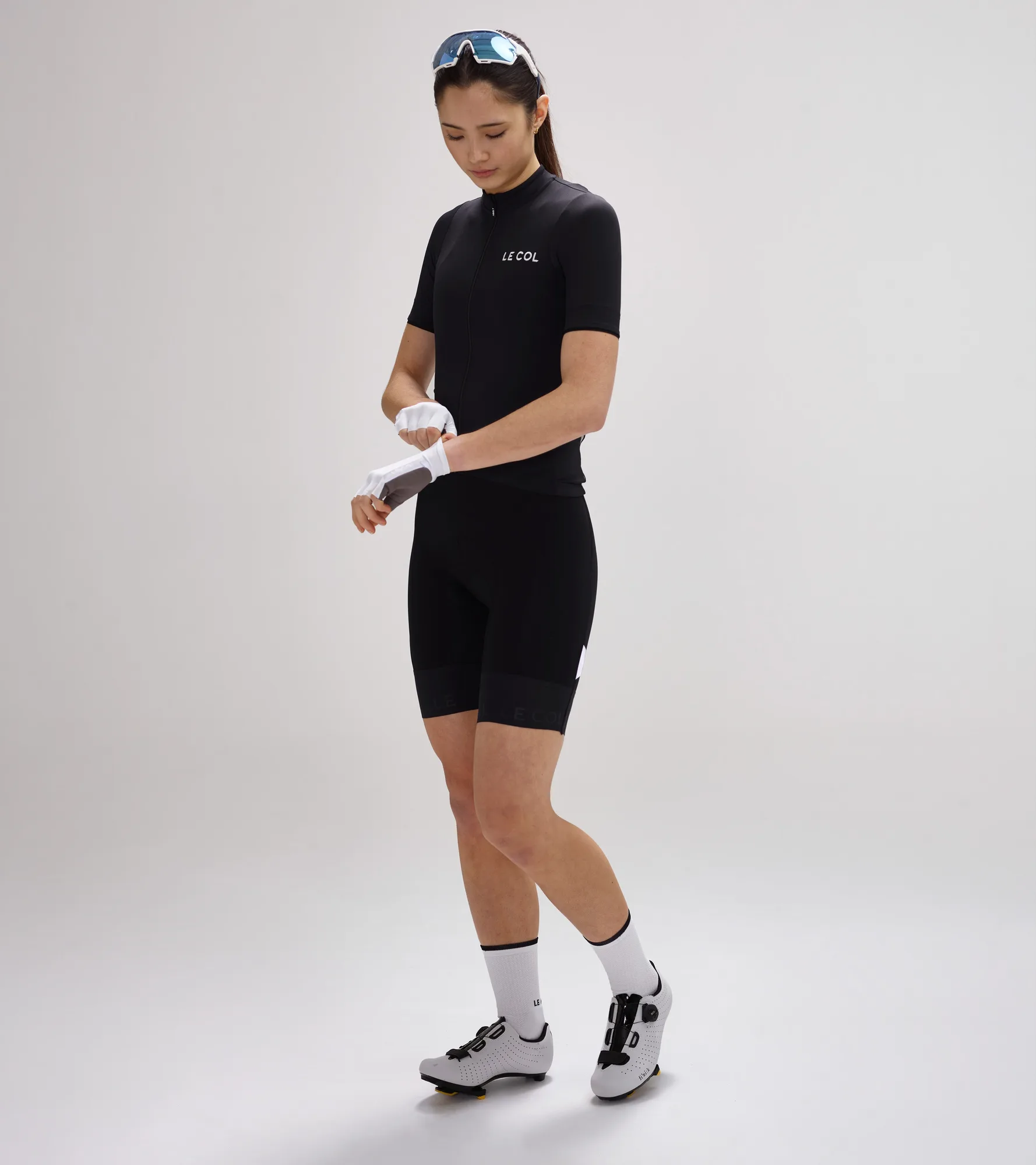
The Le Col Cycling Mitts are an extremely lightweight construction that optimises agility and responsiveness. Perforated holes minimise moisture build-up on the palm and maximise breathability, making them a strong choice for warm or intense rides where sweat management is key. Strategically placed padding targets support to critical weight and stress bearing areas and enhances grip during high-speed manoeuvres, while pull tabs make removal quick and easy.
These features point to a mitt built for performance in mild to hot conditions—not for cold weather. If you're looking for hand protection on the bike during winter, the lack of finger coverage means your digits will be exposed to wind and low temperatures. That's not a flaw; it's a design trade-off that prioritises feel and ventilation over insulation.
Catalog evidence: Cycling Mitts
-
Cycling Mitts: An extremely lightweight construction optimises agility and responsiveness. Lightweight mitts excel when you want maximum bar feel and minimal bulk, but they offer little insulation for cold rides.
Cycling Mitts
-
Cycling Mitts: Perforated holes effectively minimise moisture build-up on the palm and maximise breathability. Breathability is a plus in warm weather or during hard efforts, but in cold conditions it can let chill in—full gloves typically prioritise warmth over ventilation.
-
Cycling Mitts: Strategically placed padding targets support to critical weight and stress bearing areas and enhances grip during high-speed manoeuvres. Padding and grip matter for control and comfort regardless of temperature, but mitts leave fingers uncovered, so you'll need full gloves if you want padded protection across the whole hand.
-
Cycling Mitts: Pull tabs, designed for convenience, facilitate easy removal when every second counts. Quick removal is handy during rides or transitions, but it doesn't compensate for the lack of finger warmth in cold weather.
When to wear cycling mitts (and when to switch to full gloves)
Use cycling mitts when the temperature is mild enough that your fingers won't feel cold, especially if you run hot or plan a high-intensity session where breathability and dexterity are priorities. The Le Col Cycling Mitts, with their perforated palm and lightweight build, are well suited to such conditions.
Switch to full gloves when the mercury drops and you need insulation across your entire hand. Cold weather cycling handwear should cover your fingers to prevent numbness and maintain control. If you're shopping for cycling gloves for winter, look for full-finger designs with materials that balance warmth and breathability—though specific winter glove features aren't covered by the supplied catalog information for this mitt.
Cycling mitts vs full gloves: key trade-offs
The table below summarises the practical differences based on the supplied evidence and general cycling knowledge. Note that full glove specifics are not detailed in the provided catalog, so this comparison focuses on the mitt's confirmed features and the inherent design differences.
- Finger coverage: Mitts leave fingers exposed; full gloves cover them. For cold rides, full coverage is essential to retain warmth.
- Breathability: The Cycling Mitts use perforated holes to maximise breathability and minimise moisture build-up. Full gloves often sacrifice some breathability for insulation, though designs vary.
- Dexterity and feel: Mitts offer a direct feel on the bars and are extremely lightweight, optimising agility and responsiveness. Full gloves add a layer of material that can slightly reduce bar feel but provide protection from the elements.
- Padding and grip: The Cycling Mitts have strategically placed padding for support and grip. Full gloves may also offer padding, but the supplied information doesn't confirm specific padding details for winter gloves.
- Ease of removal: Pull tabs on the Cycling Mitts facilitate quick removal. Full gloves may have their own closure systems, but these aren't specified in the supplied evidence.
- Best use case: Mitts: mild to hot conditions, high-intensity rides, sweat management. Full gloves: cold weather, winter riding, when finger warmth is a priority.
Making the choice: what the evidence supports
If your rides regularly start or end in cold conditions, full gloves are the safer bet for hand protection on the bike. The Le Col Cycling Mitts, while excellent for warm-weather performance, are not designed to keep your fingers warm. Their strengths—lightweight construction, breathability, targeted padding, and easy removal—are best appreciated when the temperature is mild.
For a cycling mitts buying guide, consider the conditions you ride in most. If you rarely face cold fingers, the Cycling Mitts are a well-considered option. If you need winter-specific handwear, look for full-finger gloves with insulation; the supplied catalog doesn't include those details, so check product descriptions carefully for warmth ratings and materials.
Ultimately, many cyclists own both: mitts for summer and full gloves for winter. The key is matching the handwear to the weather and your ride intensity, rather than trying to make one piece of kit do everything.