Quick answer
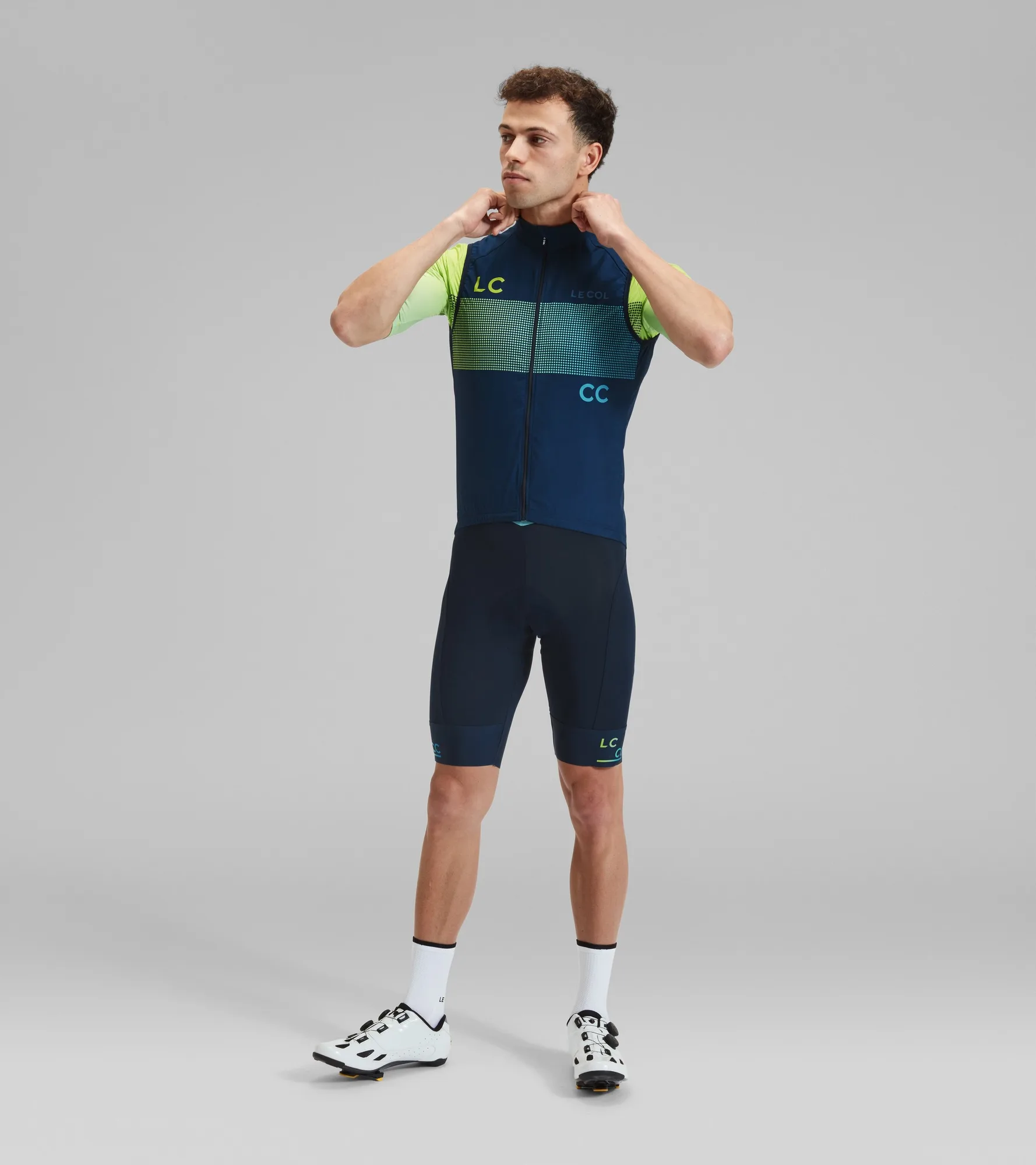
For most riders, start with a pair of padded summer mitts for temperatures above 18°C. Add full-finger gloves for 8–18°C, and insulated winter gloves for below 8°C. Fit matters more than padding: gloves should be snug without restricting finger movement or cutting off circulation. If you ride in changing conditions, a lightweight gilet like the LC__CC Sport Gilet can extend the range of your summer gloves by keeping your core warm.
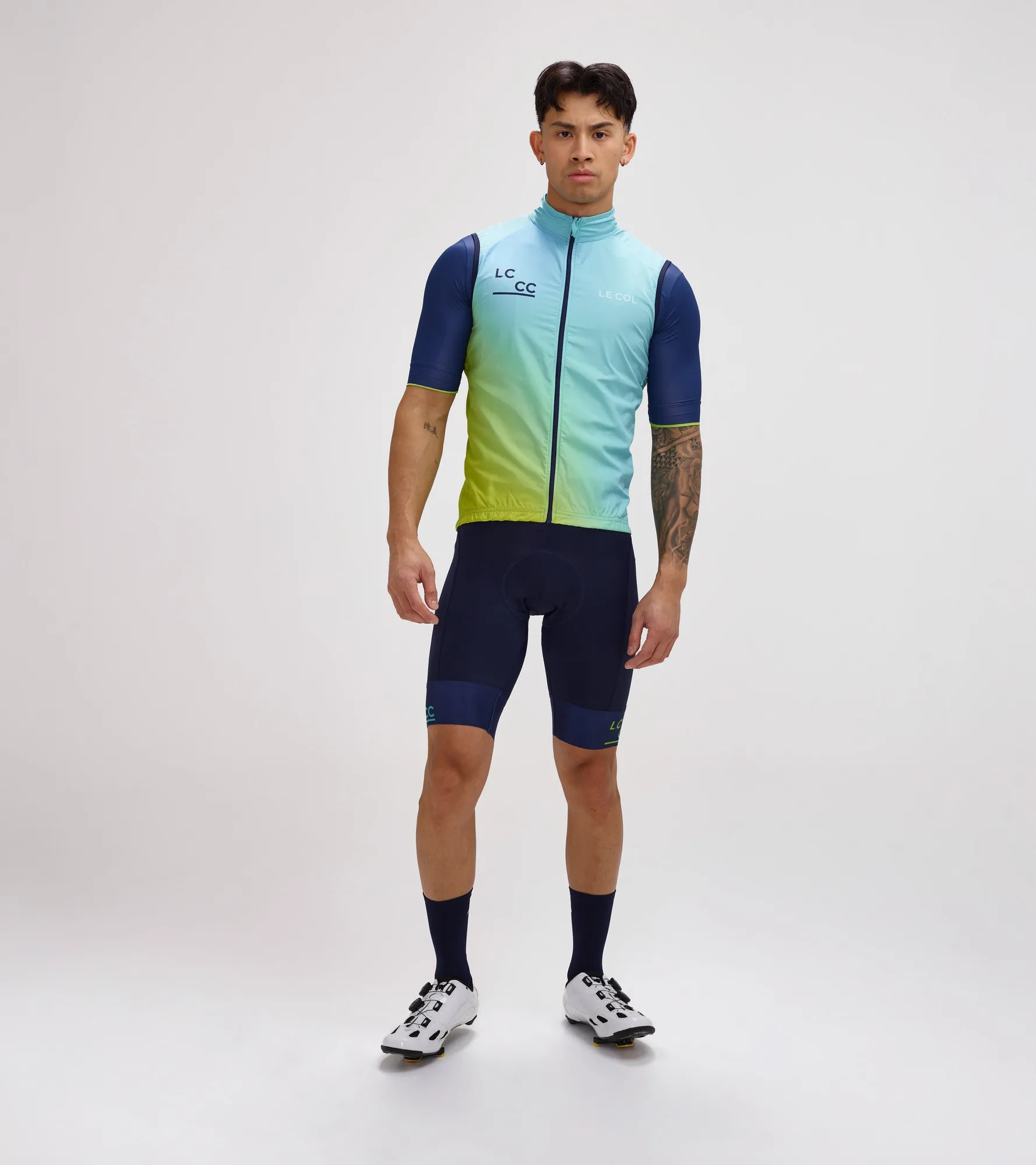
LC__CC Sport Gilet
Match gloves to temperature, not just season
Temperature is the first filter. Above 18°C, summer cycling mitts with minimal padding keep your hands cool and preserve bar feel. Between 8°C and 18°C, full-finger gloves without insulation work well; they block wind and add a layer without overheating. Below 8°C, you need insulated winter cycling gloves with a windproof and water-resistant outer. If you run hot or cold, adjust these thresholds by a few degrees. Windchill matters too: a 10°C day with strong wind can feel like 5°C, so bring a warmer option if you ride exposed roads.
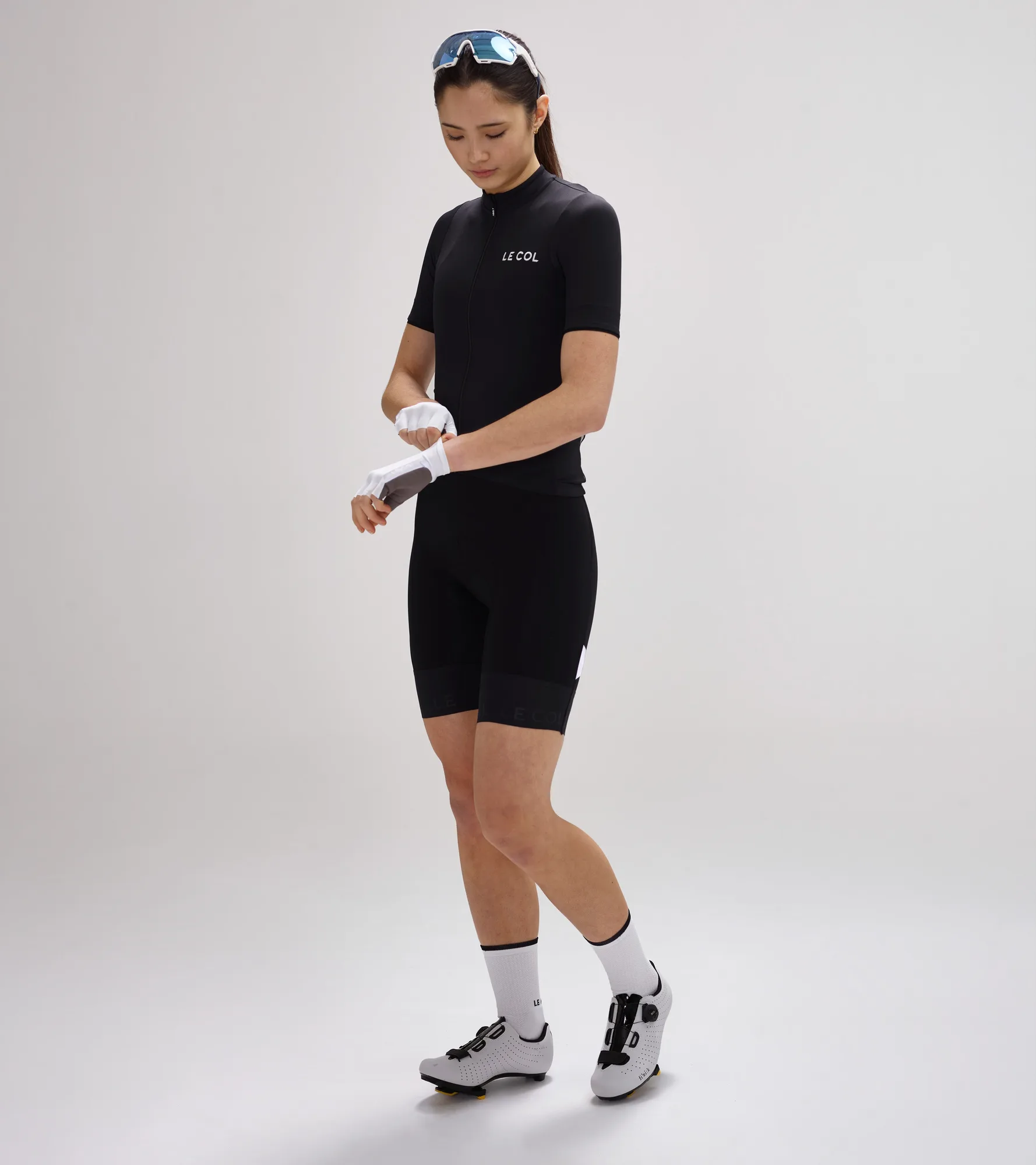
cycling mitts
Decide how much padding you actually need
Padded cycling gloves reduce pressure on the ulnar nerve, which can cause numbness on long rides. But more padding is not always better. If you have a well-fitted bike and good bar tape, thin padding (2–4 mm) is often enough for rides under two hours. For century rides or rough roads, 5–8 mm gel pads help. If you already experience numbness, check your bike fit before adding thicker gloves—excess padding can bunch and create new pressure points. Summer mitts usually have palm padding; full-finger gloves may have less to preserve dexterity for braking and shifting.
Choose full finger vs. mitts for protection and dexterity
Full finger cycling gloves protect your fingers from wind, sun, and road rash, and they keep your hands warmer in cool weather. They also offer better grip on wet brake levers. Summer cycling mitts expose your fingers for maximum ventilation and allow precise shifting and braking feel. If you ride in a group, full-finger gloves reduce the risk of scrapes in a minor crash. For hot climates, mitts are usually more comfortable. Some riders compromise with convertible gloves that have removable finger covers.
Get the fit right: snug but not tight
Cycling glove fit should be snug across the palm and knuckles, with no excess fabric that can bunch when you grip the bars. Your fingertips should reach the ends of the finger slots without pressing hard. The wrist closure should sit flat and not dig in. Try gloves on at the end of the day when hands are slightly swollen, and make a fist to check for restriction. If you are between sizes, size up for winter gloves to allow a thin liner, and size down for summer mitts if you prefer a second-skin feel. Remember that leather or synthetic palms may stretch slightly with sweat and use.
Materials and features that matter in the wet
For winter cycling gloves, look for a windproof and water-resistant membrane or coating. Fully waterproof gloves can feel clammy because sweat cannot escape, so breathability is a trade-off. A softshell outer with a brushed inner lining balances warmth and moisture management. For summer mitts, a synthetic palm with silicone grip prints improves lever control when sweaty. Reflective details help visibility on early or late rides. If you often ride in rain, choose a glove with a longer cuff that covers your jacket sleeve.
How other kit choices affect your glove decision
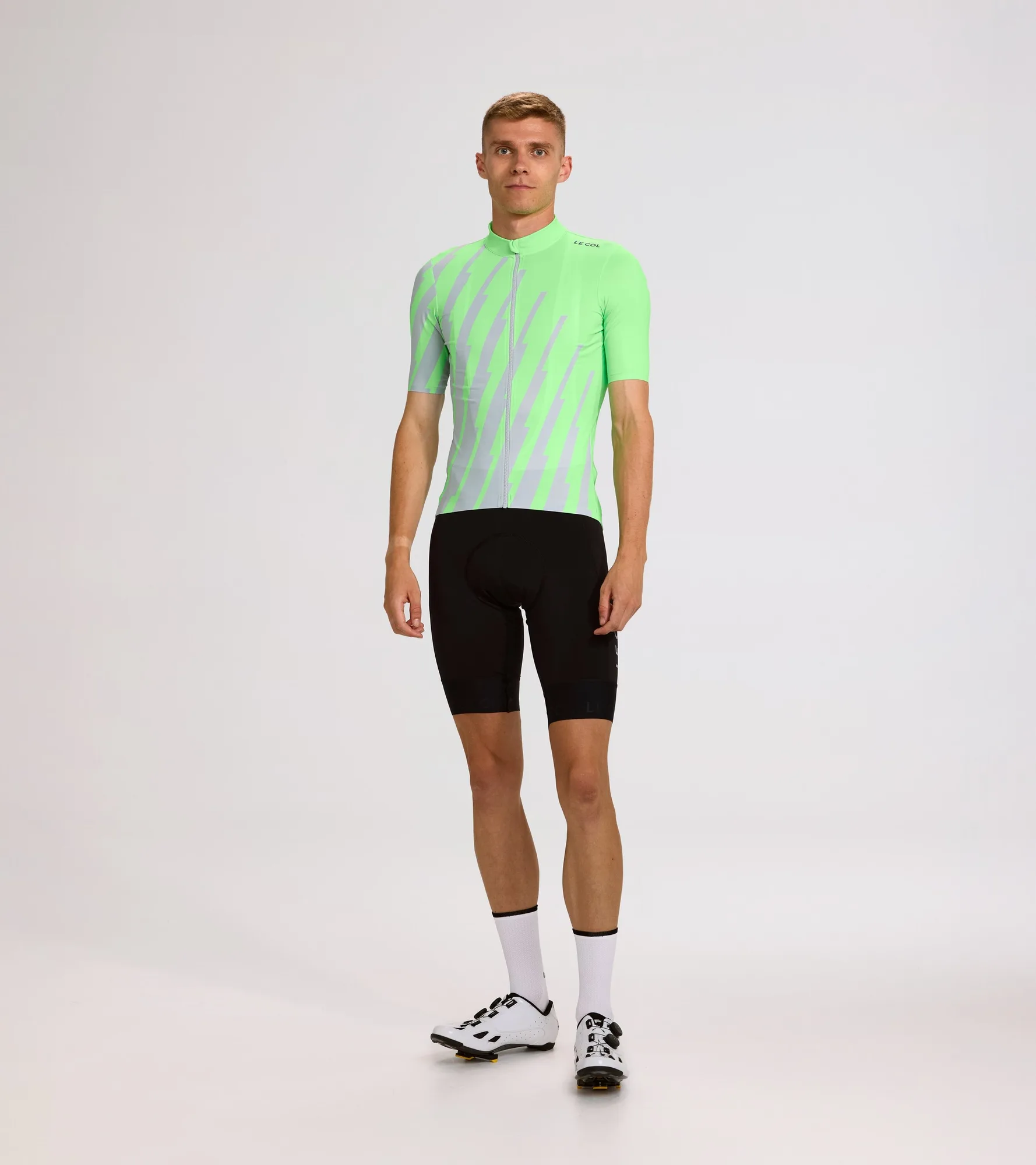
Your core temperature influences how cold your hands feel. A packable gilet like the LC__CC Sport Gilet adds windproof protection to your torso, which can let you use thinner gloves on cool mornings. Similarly, a fast-wicking jersey such as the Women's https://lecols.com/products/pro-jersey-cfc68a7ca9c5b4252587457d-760567Pro Jersey helps manage sweat so your hands stay drier. If you wear a rain jacket with tight cuffs, check that your gloves fit underneath without creating a gap. Layering your hands is possible: a thin silk or merino liner under a full-finger glove adds warmth without bulk.
Decision rules for buying cycling gloves
- Temperature above 18°C: Choose summer cycling mitts with minimal padding (2–4 mm) and a breathable back. Prioritize ventilation and bar feel. Mitts are the default for hot rides.
- Temperature 8–18°C: Choose full-finger cycling gloves without insulation. Look for windproof fabric and a snug fit that allows finger movement. Full fingers add wind protection without overheating.
- Temperature below 8°C: Choose insulated winter cycling gloves with a windproof and water-resistant outer. Size up if you plan to wear a liner. Warmth and weather protection outweigh dexterity.
- Ride duration over 3 hours: Increase padding to 5–8 mm or add a gel palm if you get numb hands. Check bike fit before adding more padding. Long rides need pressure relief, not just warmth.
- Wet weather: Prioritize a water-resistant or waterproof membrane and a longer cuff that overlaps your jacket sleeve. Accept that breathability will be lower. Dry hands stay warm, but expect some sweat.
Product facts
- LC__CC Sport Gilet: The LC__CC Sport Gilet is a packable, lightweight gilet with a showerproof and windproof front and mesh side panels for ventilation. Keeping your core warm and dry lets you ride with thinner gloves on cool, changeable days, so you don't need to over-glove.
- Womens Pro Jersey: The Women's Pro Jersey uses a fast-wicking fabric that pulls sweat away from your body, and has a form-fitting, four-way stretch cut. A jersey that manages moisture helps prevent your hands from getting clammy inside gloves, which is especially useful in mild to warm conditions.
Who this guide is for
Best for
- Road cyclists who ride in changing seasons and want one clear glove strategy
- Commuters who need gloves that work in both cool mornings and mild afternoons
- Riders who experience numb hands and want to choose padding wisely
Not for
- Mountain bikers who need heavy-duty knuckle protection and grip for technical trails
- Riders looking for heated gloves or battery-powered warmth
- Cyclists who only ride indoors and never face weather