Quick Answer
Use a d2 coin to resolve 50/50 choices and quick random events in horror RPGs. Flip it at the table for fast, thematic results.
Why Use a Coin Instead of a Die
In horror RPGs, tension often comes from split-second decisions. A coin flip is faster than rolling a d2 and adds a tactile, dramatic moment. Plus, coins are quieter than dice, which helps maintain a spooky atmosphere.
Choosing the Right Coin
Pick a coin that fits your game's theme. The Seal of Yog-Sothoth coin suits cosmic horror, while the Arcane Candle coin has an 8-bit style that works for retro horror. Both have clear markings for heads and tails, so results are easy to read at the table.
How to Use a d2 Coin in Your Horror RPG
- Define the outcomes: Before flipping, assign what heads and tails mean. For example, heads = success, tails = failure. Always state this out loud so everyone knows. Common mistake: forgetting to define outcomes leads to confusion. Always announce the mapping first.
- Flip the coin clearly: Toss the coin high enough to spin fully. Let it land on a flat surface. Avoid catching it, as that can lead to biased results. Catching the coin can hide the result and cause disputes. Let it land naturally.
- Read the result and move on: Announce the outcome and apply it immediately. Keep the pace quick to maintain immersion. If the result is a tie or unclear, flip again. Unclear results slow the game. If in doubt, reflip without debate.
Coin Options for Your Table
-
Seal of Yog-Sothoth d2 Coin: This coin features the Seal of Yog-Sothoth on one side and a '1' on the other. The clear '1' makes results unambiguous, perfect for quick d2 rolls in cosmic horror scenarios.
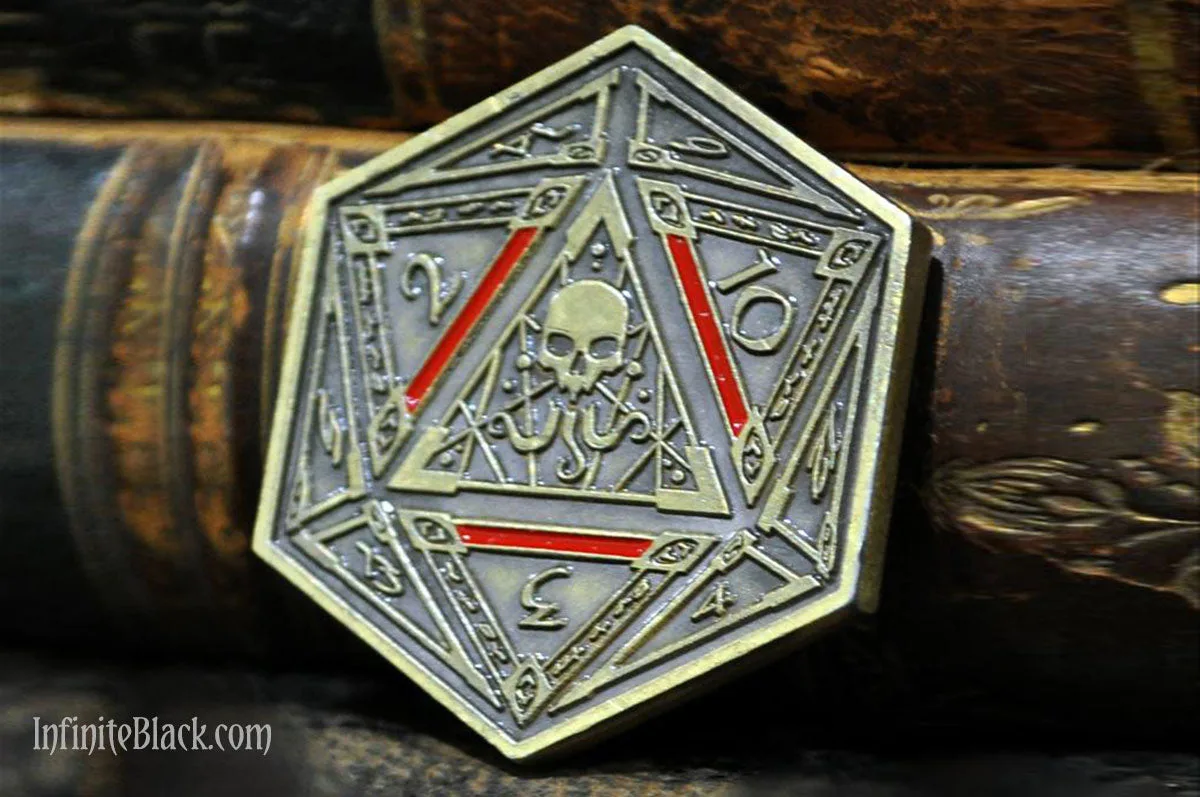
Seal of Yog-Sothoth d2 Coin
-
Arcane Candle Black d2 Coin: This 8-Bit style coin features the Arcane Candle on one side and a 'Game Over' on the other. The 'Game Over' side adds a fun thematic twist, ideal for horror games with a retro or video-game vibe.
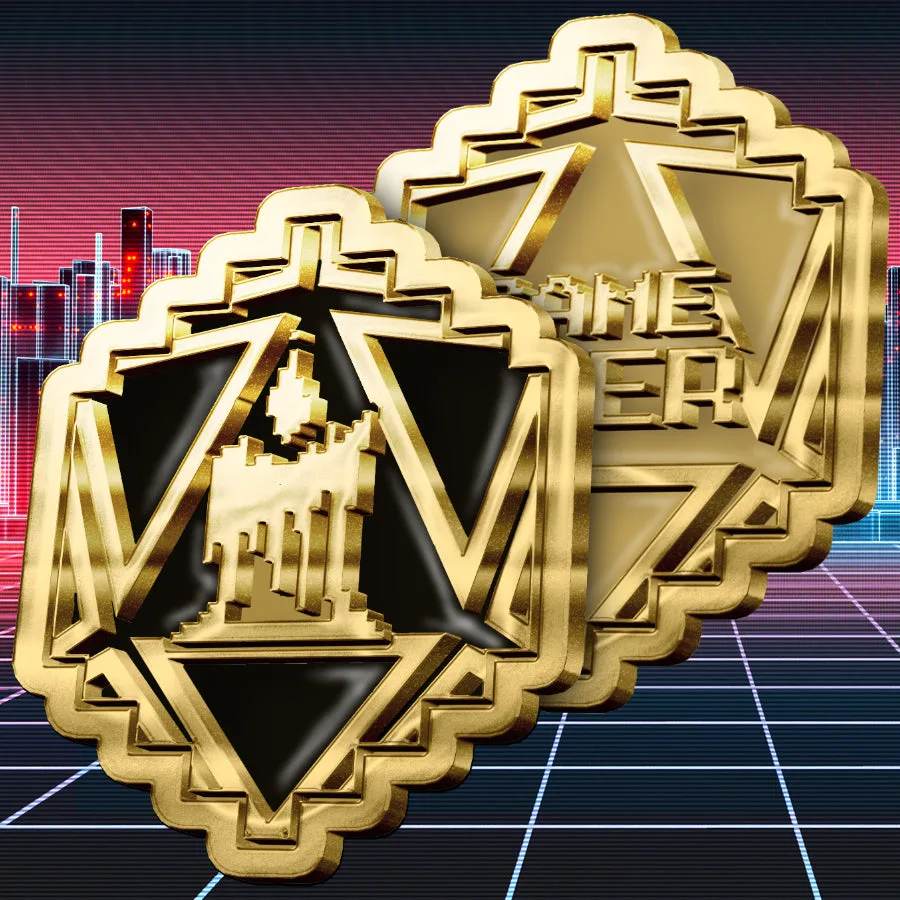
Arcane Candle Black d2 Coin