Quick Answer
To brew decaf tea without bitterness, use water just off the boil (about 195–205°F), steep for 2–3 minutes, and avoid squeezing the bag. Choose CO2 decaffeinated tea for cleaner flavor, and treat decaf black tea like a delicate green tea rather than a robust breakfast blend.
Why Decaf Tea Turns Bitter So Easily
Decaffeination removes caffeine but leaves behind the same tannins that cause bitterness. Because decaf leaves are often more porous, they release those tannins faster when exposed to boiling water or long steeps. The result is a harsh, astringent cup that tastes nothing like the smooth decaf tea you expected.
The fix is not a secret additive or a special teapot. It is controlling three variables: water temperature, steeping time, and leaf quality. Get those right, and even a simple decaf breakfast tea becomes pleasant without milk or sugar.
Start With CO2 Decaffeinated Tea
Not all decaf is processed the same way. CO2 decaffeination uses only water and carbon dioxide under pressure to remove caffeine gently. It preserves more of the leaf’s natural flavor compounds than solvent-based methods, so the tea tastes less flat and papery.
When you shop, look for “CO2 decaffeinated” on the label. That single detail often separates a tea you drink once from one you keep in your daily rotation.
Adjust Your Water Temperature
Boiling water is the most common cause of bitter decaf tea. For decaf black tea, let the kettle sit for 30–60 seconds after it boils. That brings the water down to roughly 195–205°F, hot enough to extract flavor but not so hot that it pulls out harsh tannins all at once.
If you are brewing a delicate decaf green or white tea, aim even lower—around 175–185°F. An inexpensive instant-read thermometer takes the guesswork out of it.
Shorten Your Steep Time
Most decaf teas need only 2–3 minutes, not the 4–5 minutes you might use for regular black tea. Set a timer. At the 2-minute mark, taste a small spoonful. If it already has good body, stop there. If it tastes weak, give it another 30 seconds and taste again.
This taste-as-you-go method works for any decaf tea, whether it is a bagged breakfast blend or a loose-leaf single estate. It also helps you recalibrate when you switch brands, since leaf size and processing vary.
Handle the Leaves Gently
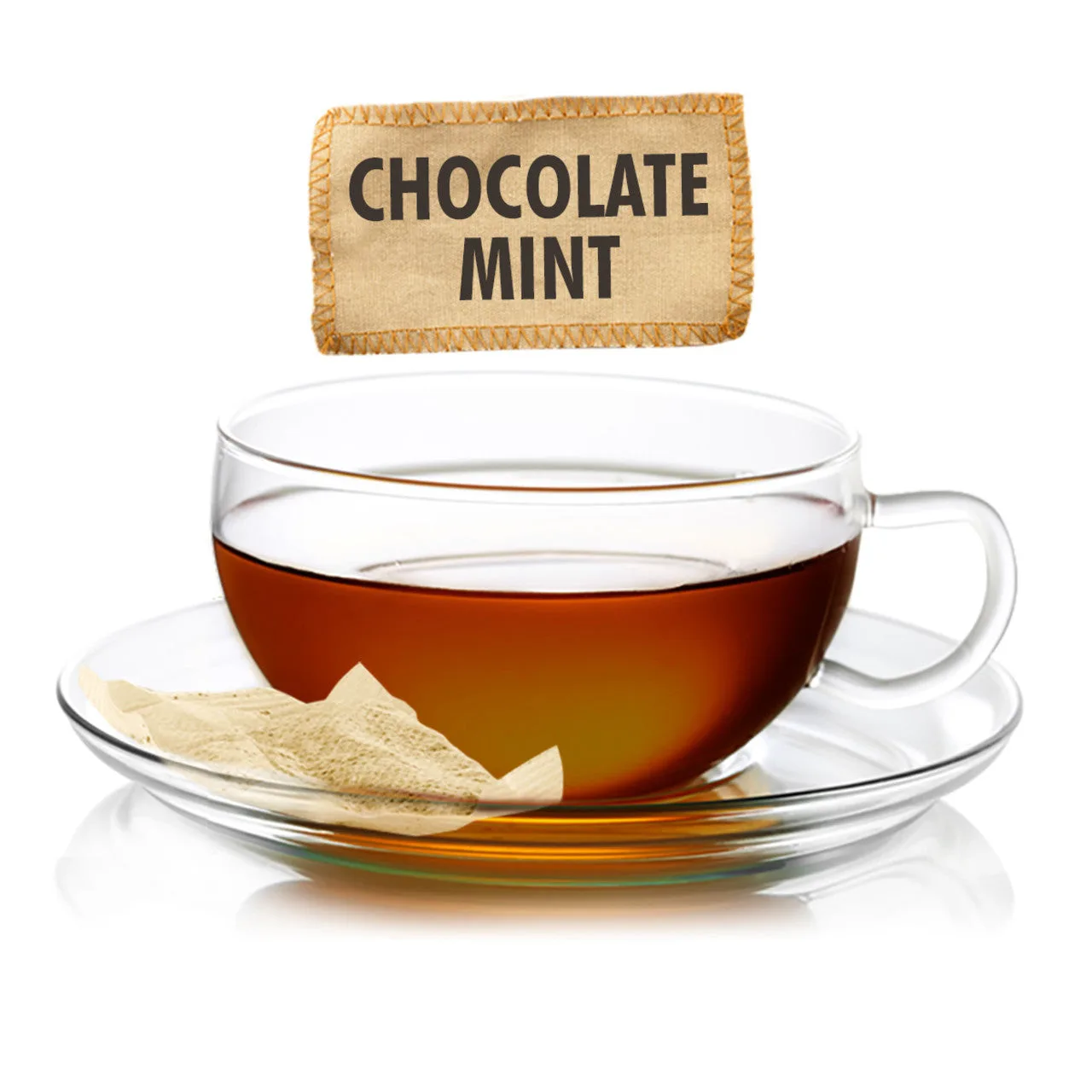
Never press or squeeze a tea bag against the side of the cup. That forces out extra tannins and guarantees a bitter cup. Lift the bag out and let it drip naturally. For loose-leaf decaf tea, give the leaves room to expand. A wide infuser basket or a teapot with plenty of space works better than a narrow ball infuser.
If you use a French press for tea, plunge slowly and stop before the grounds are compressed. The goal is to separate leaves from water, not to wring every last drop out of them.
Store Decaf Tea Properly
Decaf tea does not stay fresh forever. The same porosity that makes it brew quickly also makes it absorb moisture and odors. Keep it in an airtight container away from light and heat. A tin with a double lid is ideal.
Buy in quantities you will finish within a few months. If you drink decaf daily, a 20-count box of string-and-tag teabags is a practical size. For loose leaf, a small 2- to 4-ounce pouch stays fresher than a large bulk bag.
Step-by-Step: Brewing Decaf Tea Without Bitterness
- 1. Start with fresh, cold water: Fill your kettle with cold tap or filtered water. Reboiling water that has been sitting in the kettle concentrates minerals and reduces oxygen, which makes tea taste dull. Checkpoint: If your water tastes good cold, it will taste good in tea.
- 2. Heat water to 195–205°F for decaf black tea: Bring water to a boil, then let it rest for 30–60 seconds. For decaf green or white tea, let it rest 2–3 minutes to reach 175–185°F. Common mistake: Pouring straight from a rolling boil. That is the fastest way to bitter decaf.
- 3. Measure your tea: Use one teabag per 8–10 ounces of water, or 1 rounded teaspoon of loose-leaf decaf tea per 8 ounces. If you like it stronger, add more leaf rather than steeping longer. Checkpoint: More leaf equals more flavor. More time equals more bitterness.
- 4. Steep for 2–3 minutes: Set a timer. At 2 minutes, taste. If the flavor is too thin, steep 30 seconds more and taste again. Do not walk away. Common mistake: Steeping for 5 minutes out of habit. Decaf rarely needs that long.
- 5. Remove the tea and let it drip: Lift the bag or strainer out and let it drip into the cup. Do not press it against the side. For loose leaf, pour through a strainer and tap it gently. Checkpoint: If you squeezed the bag, you will taste it in the cup.
- 6. Taste before adding anything: Sip the tea plain first. Good decaf tea has its own sweetness and body. If it tastes bitter, the problem was temperature or time—not the tea itself. Next step: Adjust one variable at a time on your next cup. Change only the steep time or only the water temperature, then compare.
Decaf Teas Worth Trying
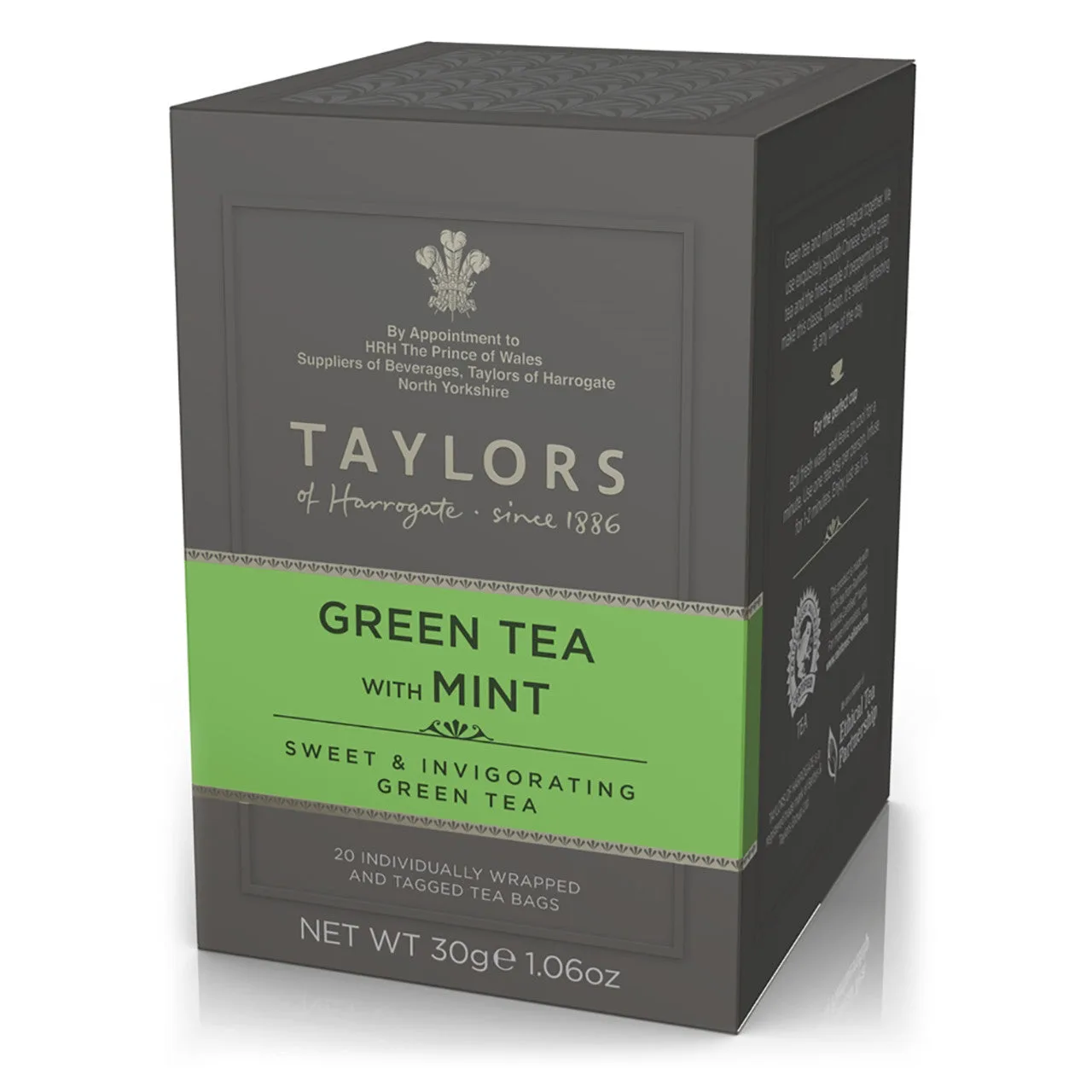
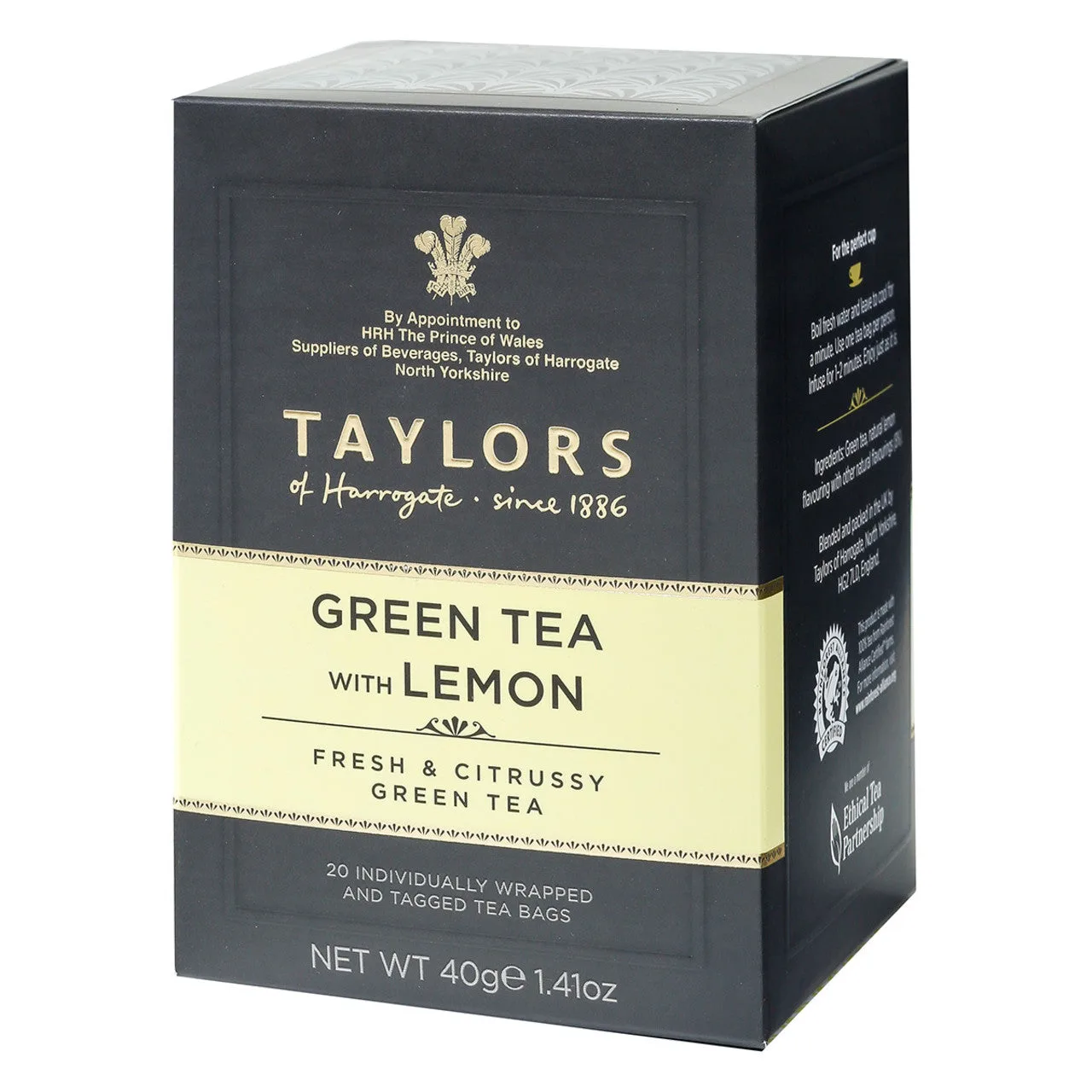
- Taylors of Harrogate Decaffinated CO2 Breakfast String and Tag Teabags - 20 count: A blend of finest quality African teas that has a light, sweet flavor, perfect for enjoying at any time of day. The caffeine is removed gently using only water and CO2 to preserve the quality of the taste. Because it is CO2 decaffeinated, it resists the flat, papery taste that plagues some decaf teas. The light, sweet profile means you can brew it at a lower temperature and still get flavor without bitterness.