Quick Answer
For active players who need quick deck access, a deck box is the clear winner. For collectors who want to display and organize large sets, a binder is better. Many enthusiasts use both: a binder for the collection and a deck box for the deck they play with.
If you're into trading card games, you've probably wondered whether to store your cards in a deck box or a binder. Each method serves a different purpose, and the right choice depends on how you play, collect, and protect your cards.
In this comparison, we'll break down the tradeoffs between deck boxes and binders, look at real product examples, and help you decide which storage solution fits your needs.
Deck Boxes: Built for Play and Portability
Deck boxes are compact, rigid cases designed to hold a single deck of sleeved cards. They're the go-to for players who need to grab a deck and head to a tournament or game night. A quality deck box protects cards from bending, moisture, and dust during transport, and it keeps your deck organized and ready to play.
When choosing a deck box, consider capacity and durability. Many hold up to 80 sleeved cards, which is perfect for a standard deck plus sideboard. Hard plastic cases offer better protection than flimsy cardboard boxes, and some feature secure closures or magnetic lids. If you're carrying cards in a backpack, a sturdy deck box is a smart investment.
- Look for a deck box that fits your exact deck size, especially if you use thick sleeves or toploaders.
- For tournament play, choose a deck box with a secure latch to prevent accidental opening.
Binders: Perfect for Displaying and Organizing Collections
Card binders use pocketed pages to hold cards in place while letting you flip through and admire your collection. They're ideal for organizing cards by set, rarity, or theme, and they make it easy to show off your rarest pulls. Binders also allow you to store hundreds of cards in a relatively compact space.
The main tradeoff is that binders are less portable for gameplay. You wouldn't want to bring a heavy binder to a tournament, and it's harder to quickly pull out a single deck. However, for storing bulk cards or building a visual catalog of your collection, a binder is unmatched.
- Use a binder with side-loading pockets to prevent cards from slipping out when the binder is full.
- Sort your cards by set or rarity to make finding specific cards easier.
Protection and Storage Quality Compared
Both deck boxes and binders protect cards, but in different ways. Deck boxes offer rigid, all-around protection, making them better for cards that travel. Binders provide flat storage, which prevents bending, but they offer less protection against external pressure or spills unless kept in a protective sleeve or case.
For high-value cards, you might want extra protection like toploaders or inner sleeves regardless of storage method. Consider your environment: if you live in a humid area, both deck boxes and binders should be stored in a cool, dry place to prevent warping.
- Never store cards in direct sunlight, as it can fade ink over time.
- If you use a binder, keep it upright on a shelf to avoid pressure on the spine.
Tradeoffs at a Glance
- Deck Box Pros: Portable, protective, and designed for quick deck access. Ideal for tournament players who need to transport a deck safely. Choose a deck box if you play regularly and need to bring cards to events.
- Binder Pros: Great for organizing and displaying large collections. Allows you to flip through cards and show off your rares. Choose a binder if you're a collector who wants to view and organize your cards.
- The Compromise: Many collectors use both: a binder for the master set and a deck box for the deck they're currently playing. You don't have to pick just one—combine methods to get the best of both worlds.
Real Product Examples
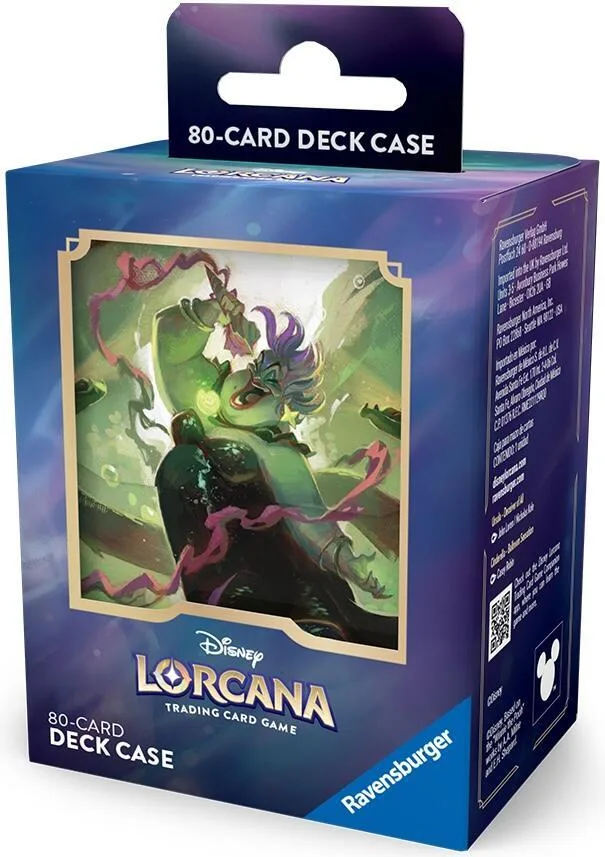
- Disney Lorcana TCG: Deck Box - Ursula: This Disney Lorcana deck box features vibrant, all-new art of Ursula from Disney Lorcana. The plastic case can store up to 80 sleeved cards and protect them from damage. This deck box is a perfect example of a portable, protective storage solution for an active player. With an 80-sleeved-card capacity, it holds a standard deck and sideboard, and the sturdy plastic case keeps cards safe during travel.
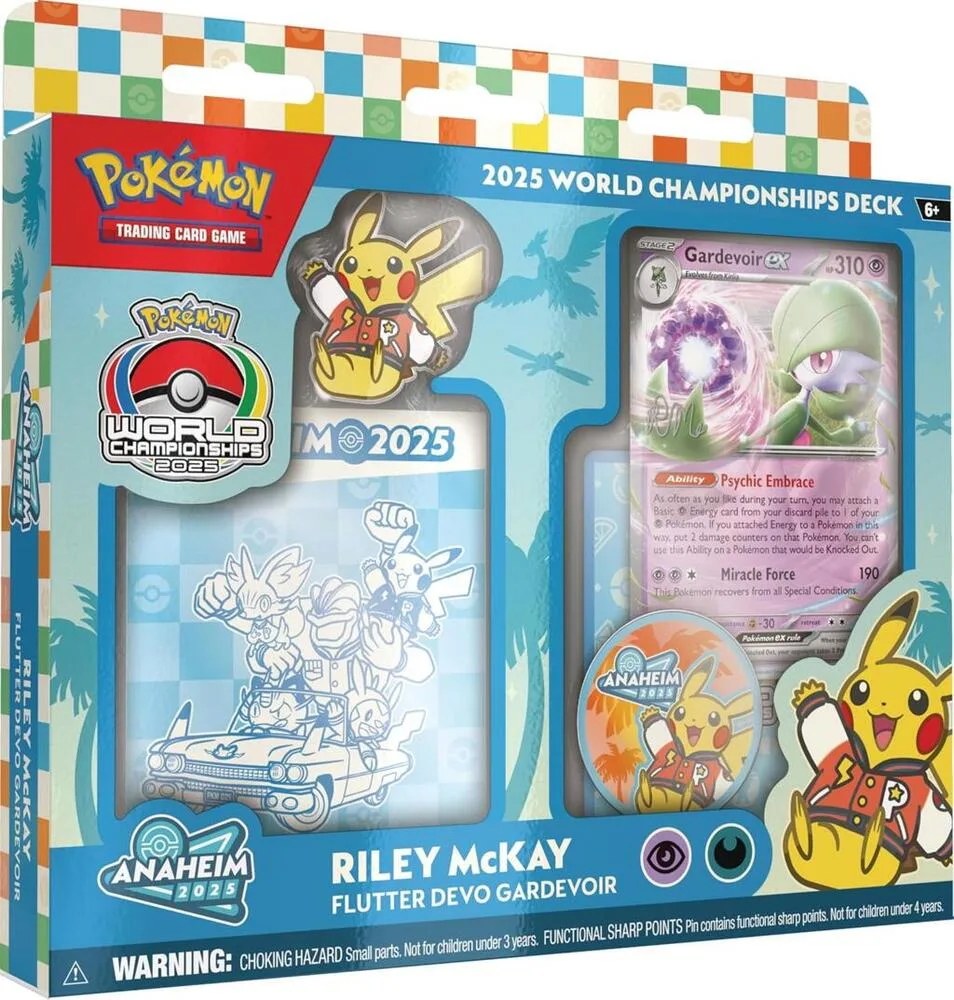
- Pokémon TCG: 2025 World Championship Deck: Riley McKay (Flutter Devo Gardevoir): This product is a complete championship deck, pre-constructed for play. If you buy a pre-constructed deck like this, you'll want a deck box to keep it together and ready for play. This deck box vs binder decision becomes clear: for a ready-to-play deck, a deck box is the practical choice.
Which Should You Choose?
Best for
- Players who attend tournaments and need to transport a deck safely.
- Anyone who wants to keep a ready-to-play deck separate from their bulk collection.
Not for
- Collectors who want to display and organize entire sets—use a binder instead.
- People who store bulk cards that don't need frequent access—a box or binder with high capacity is better.
Ultimately, the best way to store your trading cards depends on your primary activity. If you play, invest in a sturdy deck box to protect your active decks. If you collect, use a binder to organize and showcase your cards. For most enthusiasts, a combination of both offers the ideal balance of protection and accessibility.