Quick Answer
Digestive enzymes and probiotics serve different roles: enzymes help break down food for immediate digestion, while probiotics support the balance of gut bacteria for long-term gut health. If you experience bloating or discomfort after meals, enzymes may help; if you have irregularity or want to maintain a healthy microbiome, probiotics are the better choice. In many cases, a combination of both can be beneficial.
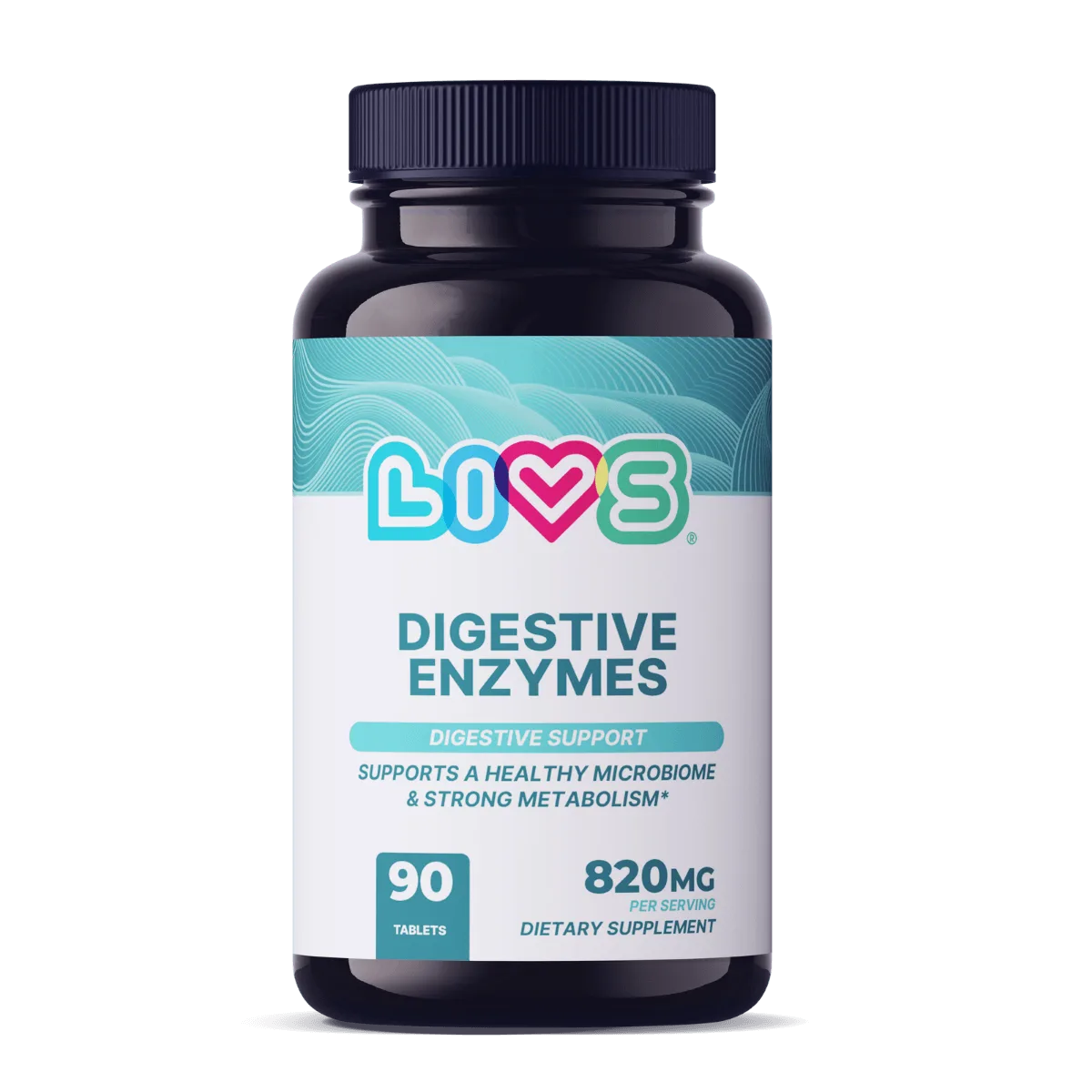
Digestive enzymes
Digestive health is a common concern, and two supplements often come up: digestive enzymes and probiotics. They sound similar, but they do very different jobs. Understanding the distinction is key to choosing the right one for your needs.
This guide compares digestive enzymes and probiotics, their benefits, and how to decide which one—or both—might be right for you. We'll also look at specific products from LIVS Nutrition to help you make an informed choice.
What Are Digestive Enzymes?
Digestive enzymes are proteins that help break down food into nutrients your body can absorb. They are produced naturally in your body, but factors like age, stress, and certain health conditions can reduce their production. Supplementing with enzymes can support digestion, especially after heavy meals.
Enzymes work in the stomach and small intestine. They target specific components: proteases break down protein, lipases break down fat, and amylases break down carbohydrates. Taking enzymes with meals can help reduce bloating, gas, and indigestion.
Key benefits of digestive enzymes include improved nutrient absorption, reduced bloating and gas, and relief from occasional indigestion. They are particularly helpful for people with food intolerances or those who eat large, rich meals.
- Take enzymes with meals for best results.
- Look for a broad-spectrum enzyme formula if you have mixed dietary needs.
- Enzymes are generally safe, but consult your healthcare provider if you have underlying conditions.
What Are Probiotics?
Probiotics are beneficial bacteria that live in your gut. They help maintain a healthy balance of microorganisms, which is essential for digestion, immune function, and overall well-being. Probiotics can be found in fermented foods and supplements.
Different probiotic strains have different effects. For example, Lactobacillus and Bifidobacterium are common for general gut health, while Bacillus coagulans is known for its stability and ability to survive stomach acid.
Probiotics are not a quick fix for a single meal; they work over time to colonize the gut and support long-term digestive health. Regular use can help with irregularity, support immune function, and improve nutrient absorption.
- Probiotics are best taken consistently, not just after meals.
- Look for products that specify CFU (colony-forming units) and strain.
- Some probiotics require refrigeration, but many are shelf-stable.
Key Differences at a Glance
The main difference is their role: enzymes break down food, while probiotics balance gut bacteria. Enzymes act immediately during digestion, while probiotics have a cumulative effect on your microbiome.
If you have occasional bloating or indigestion, enzymes may provide quick relief. If you struggle with irregularity or want to boost your gut health long-term, probiotics are the better choice. They are not mutually exclusive—many people benefit from taking both.
- Enzymes: immediate, food-specific support.
- Probiotics: long-term gut balance and immune support.
- Both can complement each other for comprehensive digestive health.
How to Choose: Enzymes or Probiotics?
Start by identifying your primary concern. For example, if you feel bloated after meals, enzymes may help. If you have irregular bowel movements or want to strengthen your gut flora, probiotics are more suitable.
Consider your diet and lifestyle. If you often eat processed foods or have food intolerances, enzymes can help break down hard-to-digest components. If you've taken antibiotics or have a history of digestive issues, probiotics can help restore balance.
It's also possible to use both. Many experts suggest taking enzymes with meals and probiotics at a separate time of day to maximize benefits without interference.
- Match the supplement to your specific symptom.
- Don't ignore the importance of a healthy diet—supplements are supportive, not replacements.
- Consult a healthcare professional if you have chronic digestive issues.
Enzymes vs Probiotics: Trade-Offs to Consider
- Speed of relief: Enzymes work immediately during a meal to reduce bloating and discomfort. Probiotics take weeks to show noticeable effects. If you need quick relief, choose enzymes; for long-term benefits, opt for probiotics.
- Mechanism of action: Enzymes break down food particles; probiotics repopulate the gut microbiome. They target different aspects of digestion. Understanding the mechanism helps you align the supplement with your specific issue.
- Suitability for families: Probiotic gummies like LIVS Probiotic Gummies are easy for kids and adults, while enzyme supplements may come in capsules that are harder to swallow. Choose formats that everyone in the family will actually take.
LIVS Products to Consider
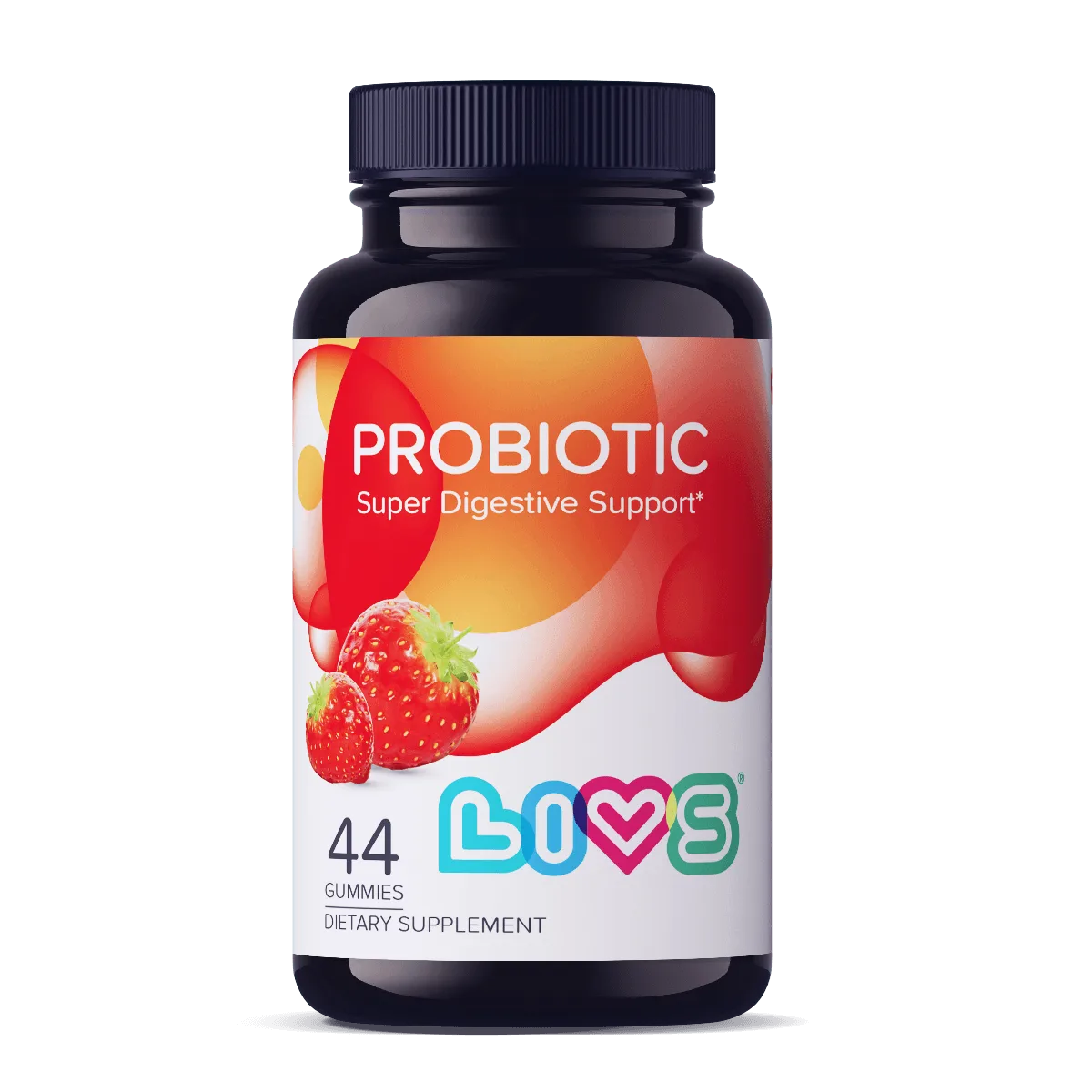
- Probiotic Gummies: LIVS Probiotic Gummies deliver 5 billion CFUs of Bacillus coagulans in a strawberry chew, for adults and kids 4 and up. This strain is known for its stability and ability to survive stomach acid, making it a reliable choice for daily gut support.
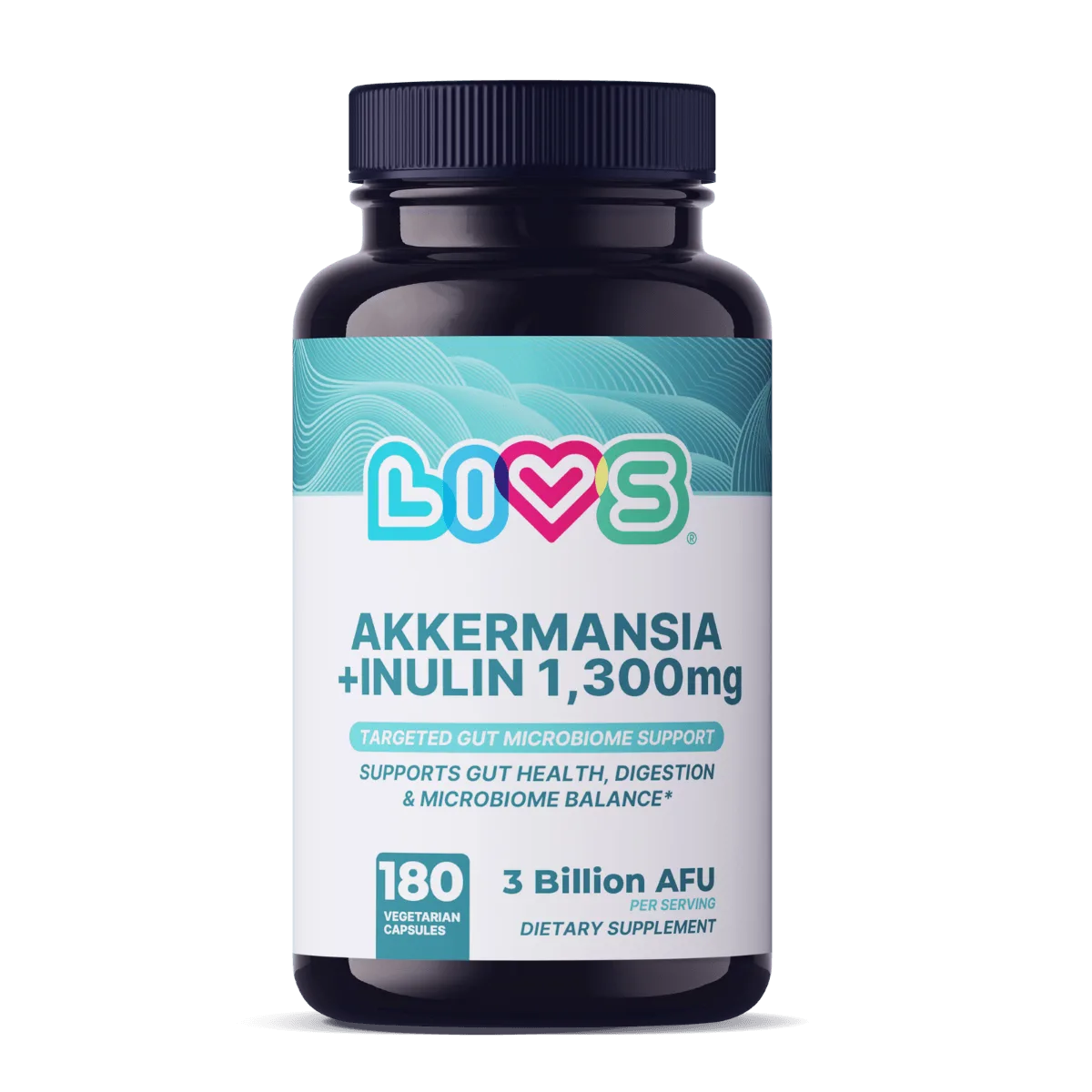
- Akkermansia + Inulin: LIVS Akkermansia + Inulin pairs 3 billion AFU of Akkermansia muciniphila with 1,300 mg of organic inulin per serving, targeting the gut lining. Akkermansia is a next-generation probiotic that supports gut barrier health, offering benefits beyond traditional strains.
Which Is Right for You?
Best for
- Those with occasional bloating, gas, or indigestion after meals.
- People with food intolerances or who eat large, rich meals regularly.
Not for
- Those seeking long-term gut health and immune support—consider probiotics instead.
- Individuals with chronic digestive conditions should consult a doctor before self-supplementing.
Choosing between digestive enzymes and probiotics doesn't have to be complicated. Assess your symptoms, consider your long-term goals, and don't hesitate to combine both for comprehensive support. For a convenient way to boost your gut bacteria, explore LIVS Probiotic Gummies or the advanced Akkermansia + Inulin formula.