Quick Answer
If you want a low-cost, fast-paced, and beginner-friendly outdoor activity, disc golf is likely the better choice. Traditional golf offers a more social, leisurely experience with deeper skill progression, but it comes with higher costs and time commitments. Your decision ultimately hinges on your budget, available time, and what kind of challenge you enjoy.
Disc golf and traditional golf share the same fundamental goal: get an object into a target in as few throws as possible. But the similarities end there. While both sports require precision, patience, and practice, they differ dramatically in cost, accessibility, physical demands, and the overall experience they offer.
In this comparison, we'll break down the key trade-offs between disc golf and traditional golf, helping you decide which one aligns with your lifestyle, budget, and personal preferences. Whether you're a seasoned athlete or a complete beginner, you'll find practical insights to guide your choice.
Cost Comparison: Disc Golf vs. Traditional Golf
One of the most significant differences between disc golf and traditional golf is the cost of entry and ongoing play. Disc golf is famously affordable: a starter set of discs can cost as little as $20, and most courses are free to play in public parks. Even premium discs rarely exceed $30 each, and you can build a versatile bag for under $100.
Traditional golf, on the other hand, comes with substantial expenses. Clubs, balls, shoes, and bags can set you back hundreds or even thousands of dollars. Green fees at public courses typically range from $20 to $100 per round, and private clubs can charge annual memberships in the thousands. Add in cart rentals, range balls, and lessons, and the cost quickly adds up.
For budget-conscious players, disc golf is the clear winner. But if you value the tradition, amenities, and social atmosphere of a golf course, the higher cost may be justified.
- Disc golf: Free courses, low equipment cost, minimal ongoing expenses.
- Traditional golf: Green fees, equipment, and memberships make it a significant investment.
Accessibility and Learning Curve
Disc golf is incredibly accessible. Courses are often located in public parks, free to use, and open year-round. You don't need a tee time, and you can play solo or with friends at your own pace. The learning curve is gentle: most beginners can throw a disc reasonably well within their first session, and the rules are simple to grasp.
Traditional golf requires more commitment to learn. Proper swing mechanics take time to develop, and many beginners find the game frustrating until they invest in lessons. Access is also more restricted: you typically need to book tee times, adhere to dress codes, and travel to a course that may not be nearby.
If you're looking for a sport you can pick up quickly without a steep learning curve, disc golf is the more accessible option. Traditional golf offers a deeper challenge for those willing to invest time in mastering it.
- Disc golf: Free public courses, no reservations, beginner-friendly.
- Traditional golf: Requires lessons, tee times, and more practice to enjoy.
Physical Demands and Health Benefits
Both sports offer excellent physical activity, but they engage your body differently. Disc golf involves walking, throwing, and bending, providing a moderate cardiovascular workout. A typical round covers 1-2 miles of walking, and the rotational throwing motion strengthens your core and upper body.
Traditional golf also involves walking (often 4-6 miles per round if you skip the cart), but the swinging motion is more demanding on your lower back, hips, and shoulders. It can be a great workout, but it also carries a higher risk of injury for those with poor form or pre-existing conditions.
If you prefer a lower-impact activity that's easier on your joints, disc golf is gentler. Traditional golf offers a more vigorous physical challenge, but it requires proper conditioning and technique to avoid strain.
- Disc golf: Low impact, moderate cardio, core and arm strength.
- Traditional golf: Higher impact on joints, full-body workout, but more injury risk.
Time Commitment and Pace of Play
Time is a crucial factor for many players. Disc golf rounds typically take 1-2 hours, and you can often play a quick 9 holes in under an hour. There's no waiting for others, and you can play at your own pace.
Traditional golf rounds take 4-5 hours for 18 holes, and even 9 holes can take 2-3 hours. You're also tied to tee times and the pace of the group ahead of you. This makes traditional golf a bigger time commitment that may be hard to fit into a busy schedule.
If you have limited free time, disc golf is the more practical choice. Traditional golf is better suited for those who can dedicate a full afternoon to the game.
- Disc golf: Quick rounds, flexible scheduling.
- Traditional golf: Long rounds, requires planning and patience.
Social and Competitive Aspects
Both sports can be social, but in different ways. Disc golf is often played casually with friends, and the disc golf community is known for being welcoming and laid-back. Tournaments and leagues exist for those who want competition, but the atmosphere is generally less formal.
Traditional golf has a strong social tradition, often associated with business networking and social clubs. It's a sport where etiquette and rules are emphasized, and the competitive scene is more structured, with handicaps and formal tournaments.
If you prefer a relaxed, informal social experience, disc golf is ideal. If you enjoy tradition, etiquette, and a more structured competitive environment, traditional golf may be more appealing.
- Disc golf: Casual, inclusive community.
- Traditional golf: Formal etiquette, networking opportunities.
Equipment and Gear: Discs vs. Clubs
The equipment for each sport is fundamentally different. Disc golf uses specialized discs that come in various types: drivers, mid-ranges, and putters, each designed for different flight characteristics. You can start with just a few discs and gradually expand your bag.
Traditional golf requires a set of clubs, typically including woods, irons, wedges, and a putter. Each club serves a specific purpose, and the variety can be overwhelming for beginners. Golf clubs are also more expensive and require regular maintenance.
If you prefer minimal gear that's easy to carry, disc golf is simpler. Traditional golf offers more variety and nuance, but it demands a larger investment in equipment and knowledge.
- Disc golf: Lightweight discs, easy to carry.
- Traditional golf: Heavy bag, many clubs, higher maintenance.
Key Trade-Offs at a Glance
- Cost: Disc golf is significantly cheaper to start and maintain, while traditional golf involves higher equipment and green fees. If budget is a priority, disc golf wins.
- Accessibility: Disc golf courses are free and open, while traditional golf requires tee times and often membership. Disc golf is easier to access for most people.
- Time: A round of disc golf takes 1-2 hours, whereas traditional golf takes 4-5 hours. Disc golf fits better into busy schedules.
- Physical Demand: Disc golf is low-impact and gentle on joints, while traditional golf offers a more vigorous workout but with higher injury risk. Choose based on your physical condition.
- Social Experience: Disc golf is casual and inclusive, while traditional golf is formal and networking-oriented. Consider your preferred social environment.
Stonemaier Games: Disc Golf and Board Game Crossover
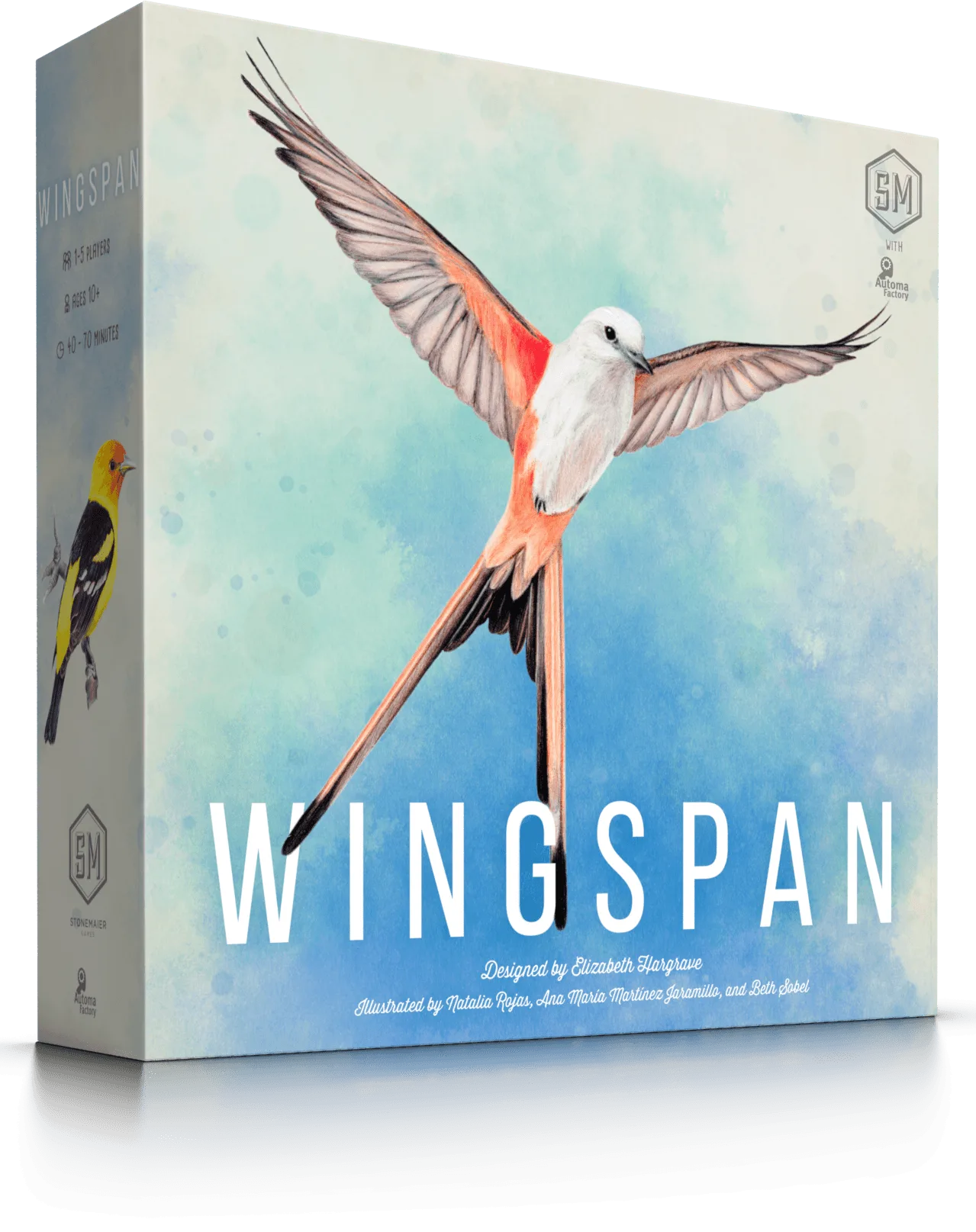
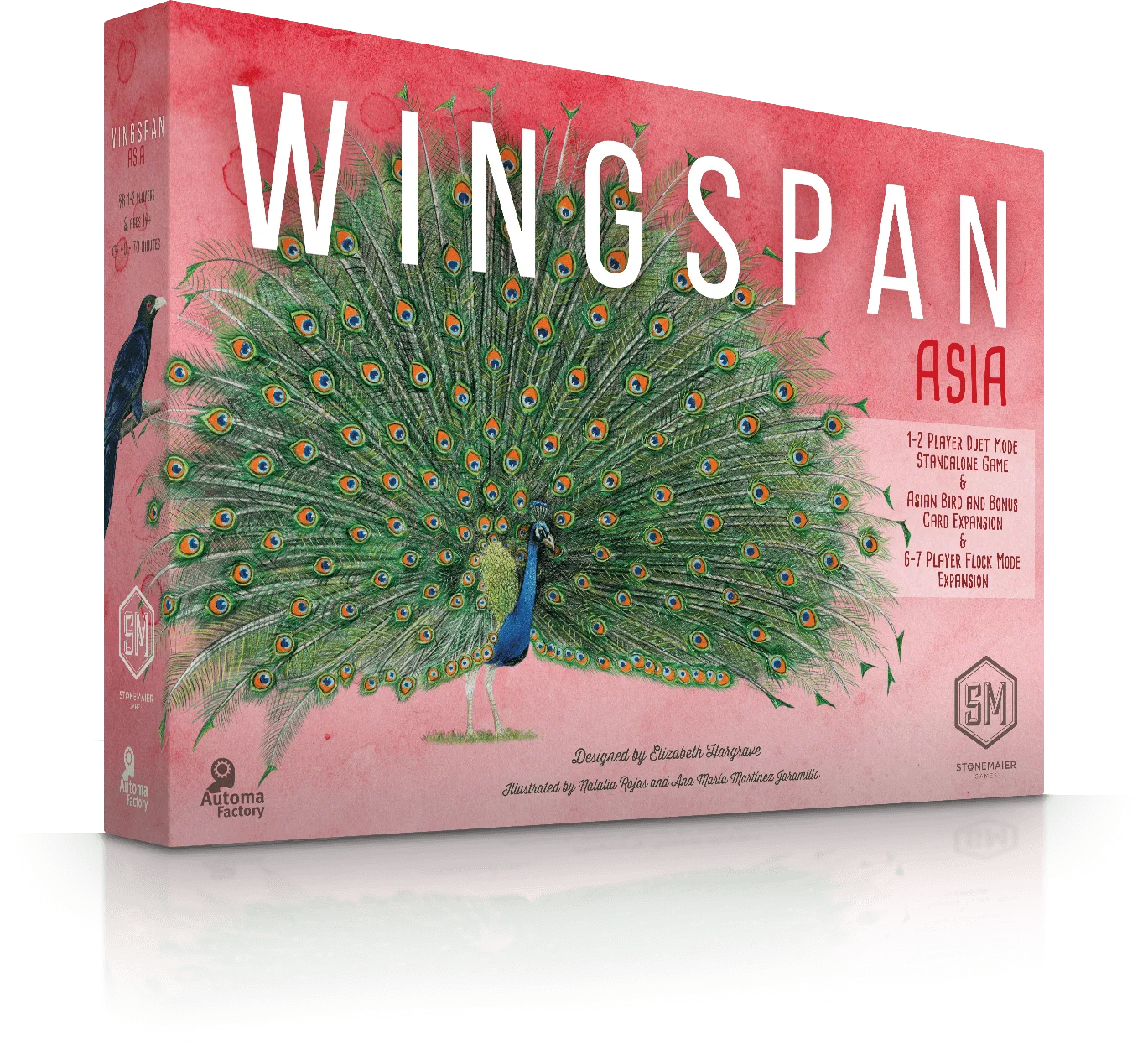
- wingspan-asia-expansion-7c3d1bfe254b178b969faee2-625941">Wingspan Asia: Wingspan Asia is a stand-alone game for 1 or 2 players, and also serves as a card expansion to the original Wingspan, allowing any bird/bonus cards across any Wingspan game or expansion to be combined. If you enjoy the strategic depth of disc golf, Wingspan Asia offers a similarly rewarding experience with its modular gameplay and replayability.
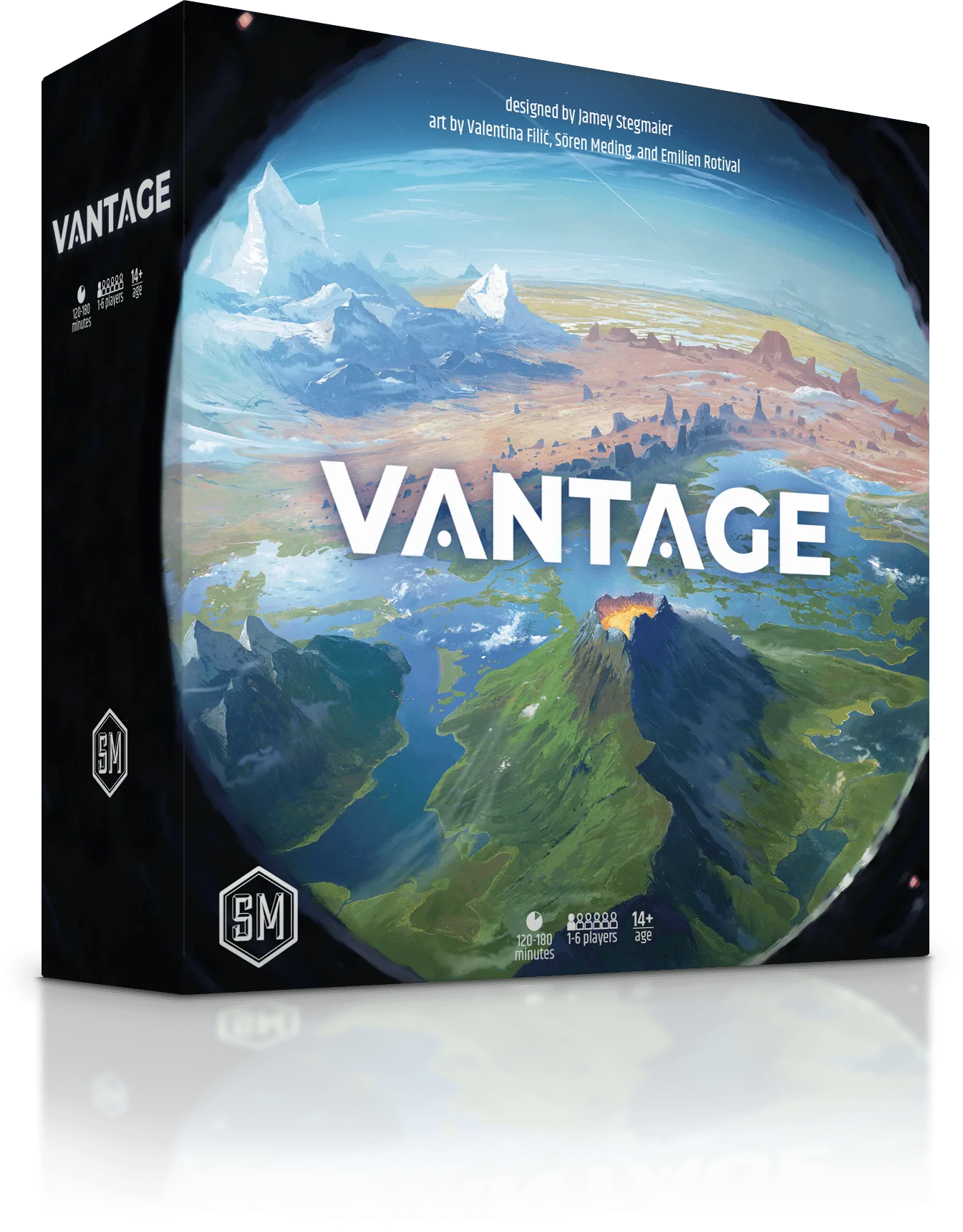
- vantage-wooden-skill-tokens-ed51c5dfadedff031d7728e8-625834">Vantage Wooden Skill Tokens: These 60 wooden skill tokens were designed specifically for Vantage, replacing the cardboard tokens, and one pack covers the quantities needed for a full 6-player game. Just as upgrading your discs can improve your game, these wooden tokens enhance the tactile experience of Vantage, making it a premium addition for fans of quality components.
Which Sport Fits You?
Best For
- Budget-conscious individuals who want a low-cost outdoor activity.
- People with limited time who want to play a quick round.
- Beginners looking for an easy-to-learn sport with a welcoming community.
Not For
- Those who value the tradition, etiquette, and networking opportunities of traditional golf.
- Players seeking a physically demanding, full-body workout with a higher skill ceiling.
Ultimately, the choice between disc golf and traditional golf comes down to your priorities. If you value affordability, convenience, and a relaxed atmosphere, disc golf is the clear winner. If you're drawn to the prestige, social rituals, and deeper challenge of traditional golf, it may be worth the investment. Whichever you choose, both sports offer fantastic ways to enjoy the outdoors and stay active. And if you're looking for a different kind of challenge to enjoy indoors, consider exploring the strategic depth of board games like Wingspan Asia, which offers a similarly rewarding experience.