Quick answer
Choose Dixit Kids for a cooperative storytelling experience that builds empathy and creativity, or Splendor Kids for a competitive engine-building game that teaches resource management. Both are excellent Asmodee Kids titles, but they serve different play styles and age groups.
Cooperative vs competitive: what's right for your family?
The biggest difference between these two games is how players interact. Dixit Kids is fully cooperative: everyone works together to invite guests to the Swift Rabbit's birthday party. There's no winner or loser, which removes pressure and encourages discussion. Splendor Kids, on the other hand, is competitive. Players race to collect gem tokens and build the most impressive collection. That competition can be motivating for some kids but frustrating for others.
Age and complexity: matching the game to the child
Dixit Kids uses simple association rules: one player picks a card that matches a guest's mood. The cooperative nature means younger children can participate with help from siblings or parents. Splendor Kids requires more strategic thinking—deciding which gems to collect and when to spend them. It's better suited for kids who already enjoy basic strategy games and can handle a bit of competition.
Dixit Kids vs Splendor Kids: trade-offs
- Dixit Kids: cooperative storytelling: Players work together, no winner or loser. Encourages creativity and empathy as kids match cards to moods. Best for ages 4–7 or mixed-age groups where younger children need support. Great for family game nights with varied ages or for children who dislike losing.
- Splendor Kids: competitive engine-building: Players compete to collect gem tokens and build sets. Teaches resource management and planning. Best for ages 6–9 who enjoy a bit of competition and can handle basic strategy. Ideal for kids who already enjoy simple strategy games and want a clear winner.
- Ticket to Ride First Journey: alternative for route-builders: If your child enjoys maps and trains, First Journey offers a simpler version of the classic game. It's competitive but with shorter routes and easier rules. Best for ages 6+ who like planning and geography. A good bridge between cooperative games and more complex competitive games.
Game details at a glance
-
Dixit Kids: In Dixit Kids, you work together to invite as many guests as possible to the Swift Rabbit's big birthday party. One player acts as the Swift Rabbit and chooses a card from their hand that matches the guest's mood. The cooperative format means no one loses, making it ideal for younger or sensitive children who might struggle with competitive games.
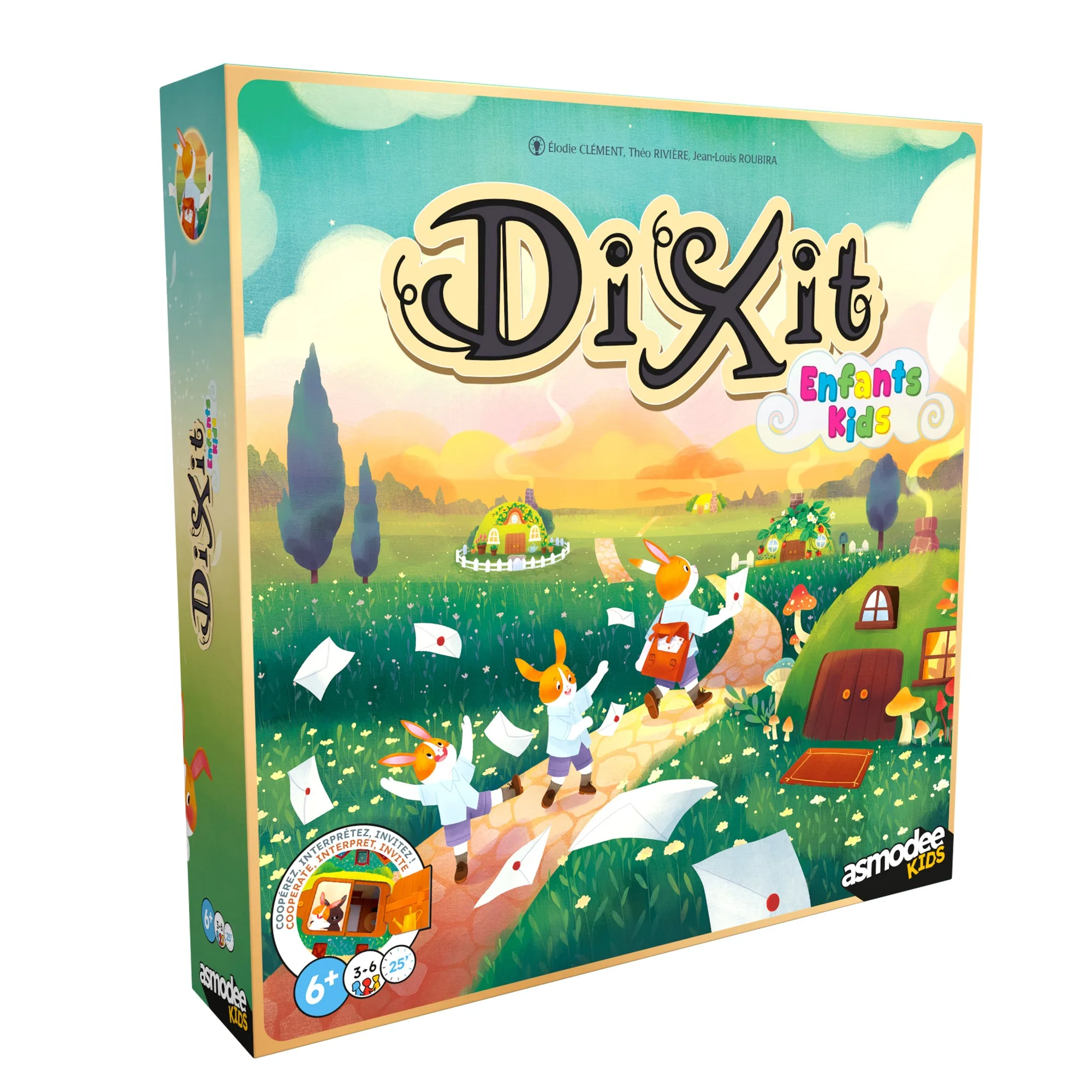
Dixit Kids
-
Ticket to Ride First Journey: Ticket to Ride First Journey is a simplified version of the classic train game with shorter routes and fewer train cards, designed to introduce new players to route-building. If your child enjoys strategy and route planning, First Journey offers a gentle entry point before moving to more complex games like Splendor Kids.
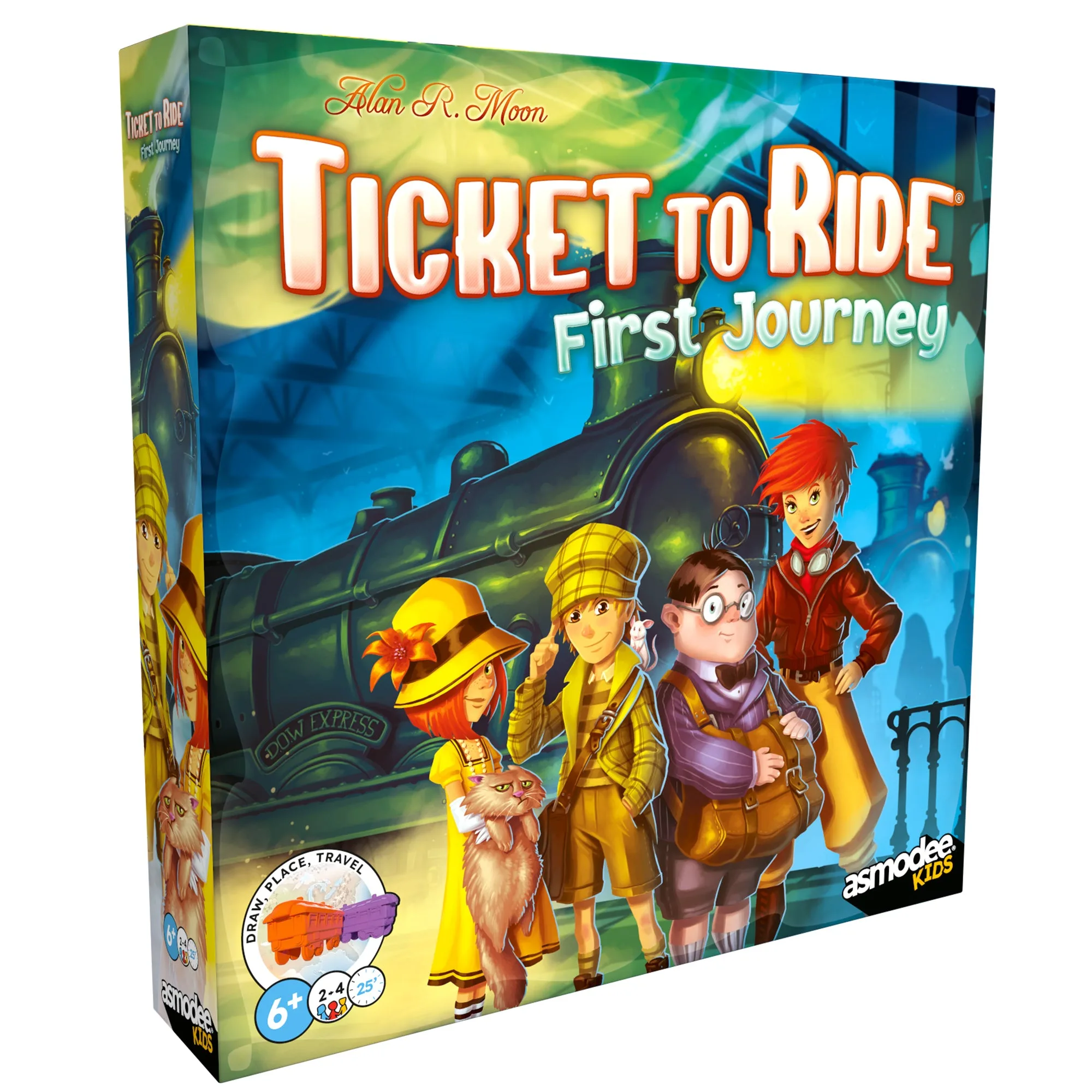
Ticket to Ride First Journey
Which game fits your family?
Best for
- Families with children aged 4–7 who want a cooperative, low-pressure game that builds creativity and empathy.
- Parents looking for a game that works well with mixed-age siblings or playdates where winning isn't the focus.
Not for
- Families with older children (8+) who prefer competitive strategy and clear win conditions.
- Kids who already enjoy games like Ticket to Ride and want a similar route-building experience.