Quick Answer
Most dogs benefit from a harness for daily walks, especially if they pull or have respiratory issues. Collars are fine for well-behaved dogs on short leash walks and for holding ID tags. For the best control and safety, consider a harness like the Julius-K9 IDC® Powerharness, and use a collar for tags and backup.
Choosing between a harness and a collar is one of the most common dilemmas for dog owners. The right choice depends on your dog's size, behavior, and health. This FAQ answers the most frequent questions to help you decide.
We'll cover when to use each, how they affect training, and what to consider for puppies, seniors, and dogs with specific needs. By the end, you'll know exactly what gear suits your dog best.
What are the main differences between a harness and a collar?
A collar wraps around your dog's neck, while a harness distributes pressure across the chest and back. Collars are simple and lightweight, but they can put strain on the neck if your dog pulls. Harnesses offer more control and reduce the risk of injury, making them a safer choice for many dogs.
Harnesses come in various styles: back-clip for everyday walks, front-clip for training, and no-pull designs. Collars are often used for ID tags and leash attachment, but they are not ideal for dogs that lunge or pull.
- Collars are best for dogs that walk calmly on a loose leash.
- Harnesses are recommended for puppies, small breeds, and dogs with respiratory issues.
- Front-clip harnesses help discourage pulling without causing discomfort.
When should I use a harness instead of a collar?
Use a harness when your dog pulls on the leash, has a delicate neck (e.g., tracheal collapse), or is a brachycephalic breed like a pug or bulldog. Harnesses are also essential for service dogs and working dogs that need reliable equipment.
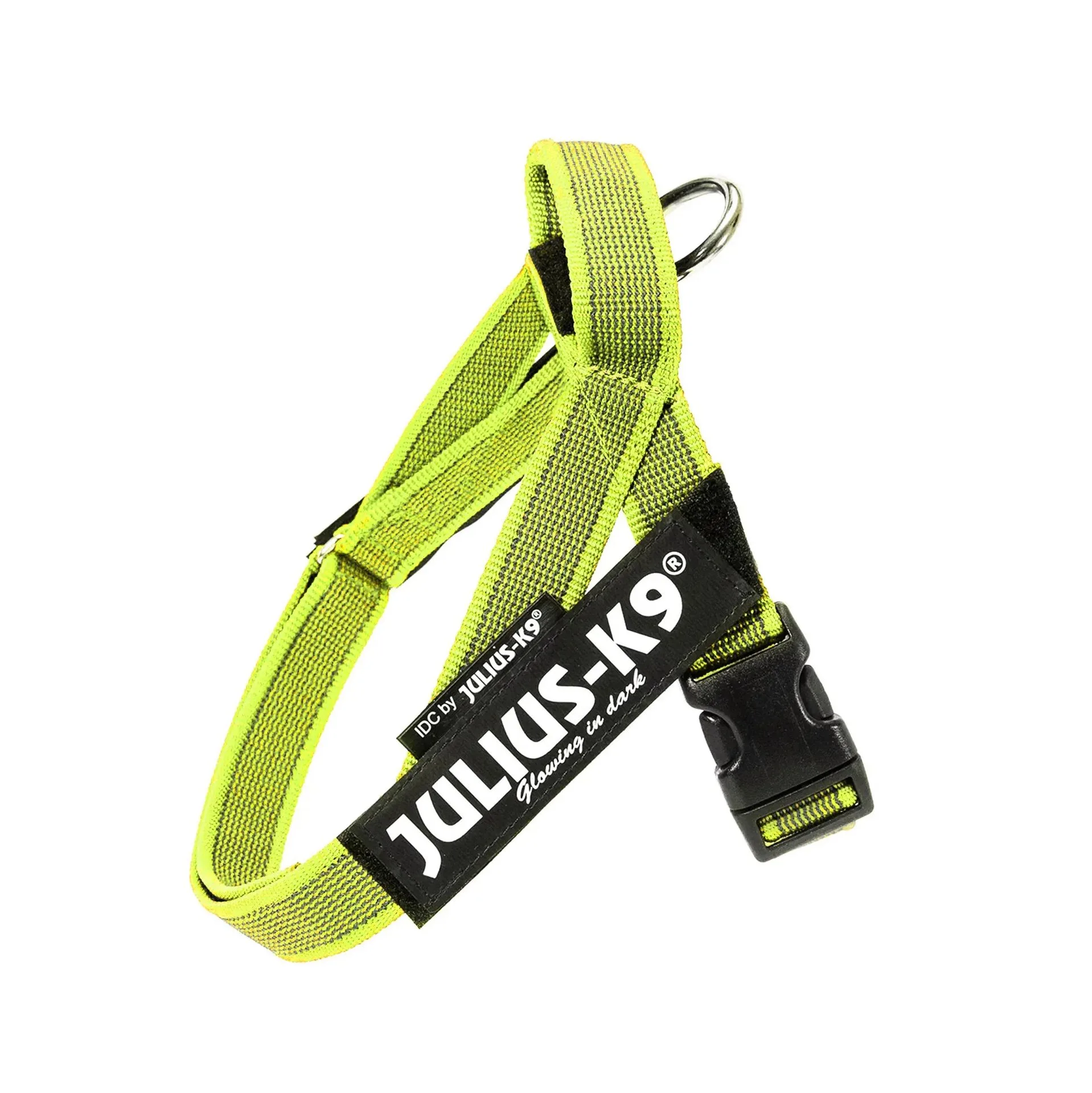
For dogs that pull, a front-clip harness like the Julius-K9 Front Control Y-Belt with D-ring redirects their momentum toward you, making walks calmer and safer. This is a gentle alternative to choke chains or prong collars.
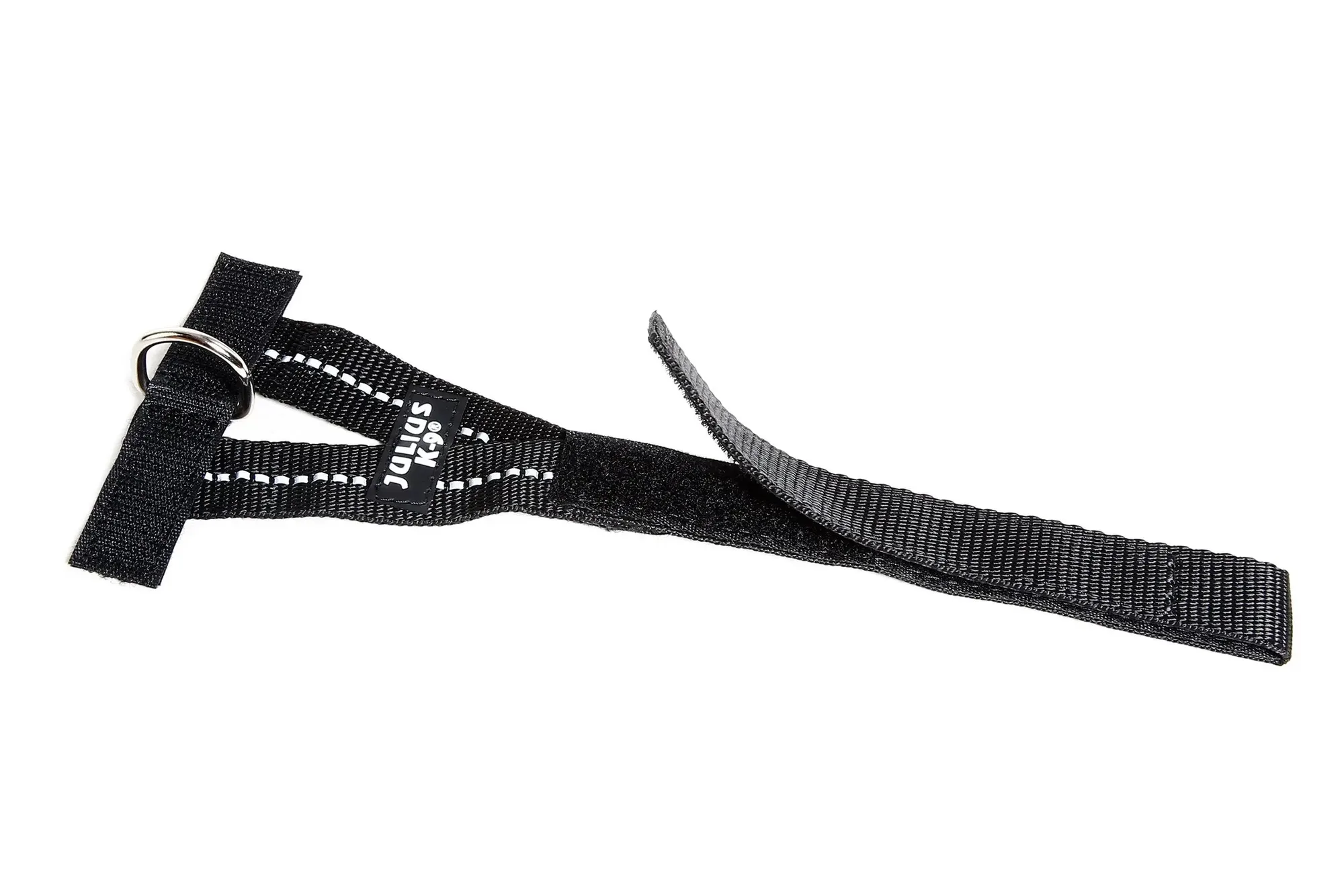
Julius-K9 Front Control Y-Belt with D-ring
When is a collar the better choice?
A collar is sufficient for dogs that walk politely without pulling and need a place to attach ID tags. It's also convenient for quick bathroom breaks or when a harness is not necessary.
However, even if you prefer a collar, it's wise to have a harness for car rides or training sessions. Many owners use a collar for tags and a harness for walks—a practical combination.
Can a harness help with training?
Yes, a front-clip harness can significantly aid in training by discouraging pulling. It gives you better control without causing pain, which is especially important for reactive or strong dogs. The Julius-K9 Front Control Y-Belt is designed to work with the IDC® Powerharness, providing a seamless training setup.
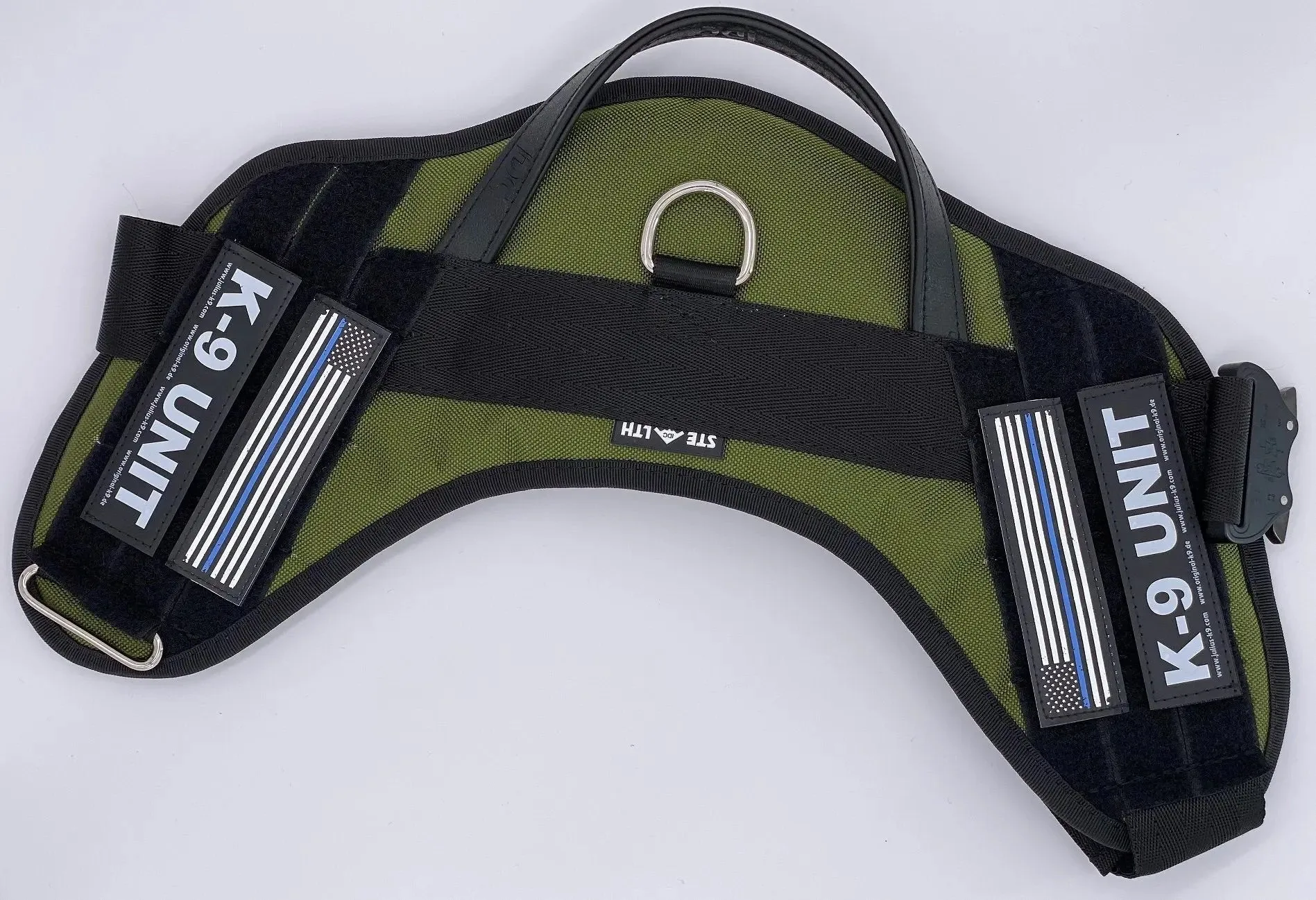
For service dog training, a specialized harness like the Julius-K9 IDC® Guide Dog Harness offers ergonomic support and intuitive features, enhancing communication between handler and dog.
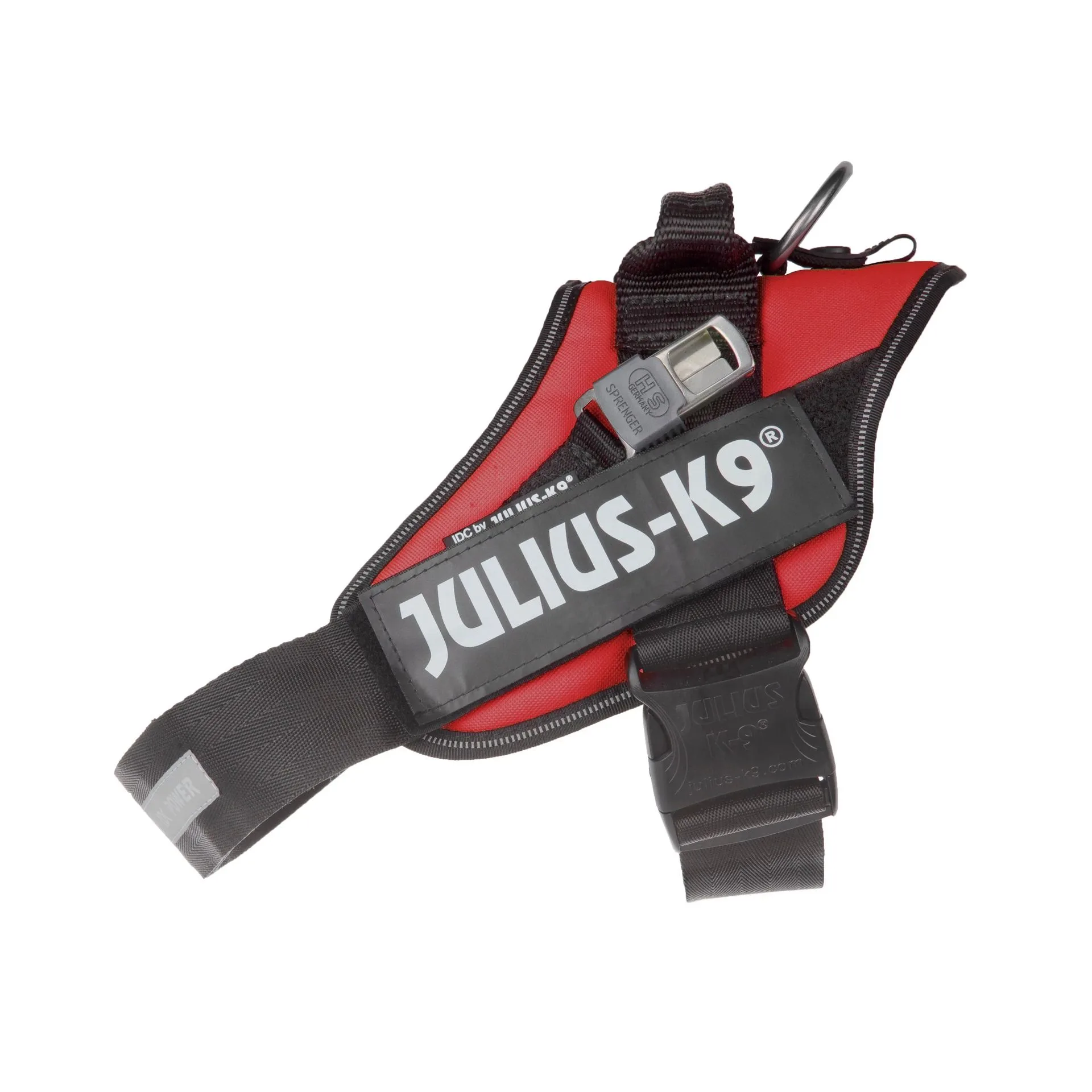
Julius-K9 IDC® Guide Dog Harness
Frequently Asked Questions
Is a harness or collar better for a puppy?
A harness is recommended for puppies because it protects their developing necks and reduces the risk of injury if they pull. Start with a well-fitted harness to build good walking habits early.
Can I use both a harness and a collar at the same time?
Yes, many owners use a collar for ID tags and a harness for leash attachment. This ensures your dog is always identified while enjoying the benefits of a harness. Attach the leash to the harness, not the collar, for better control.
Do harnesses cause matting in long-haired dogs?
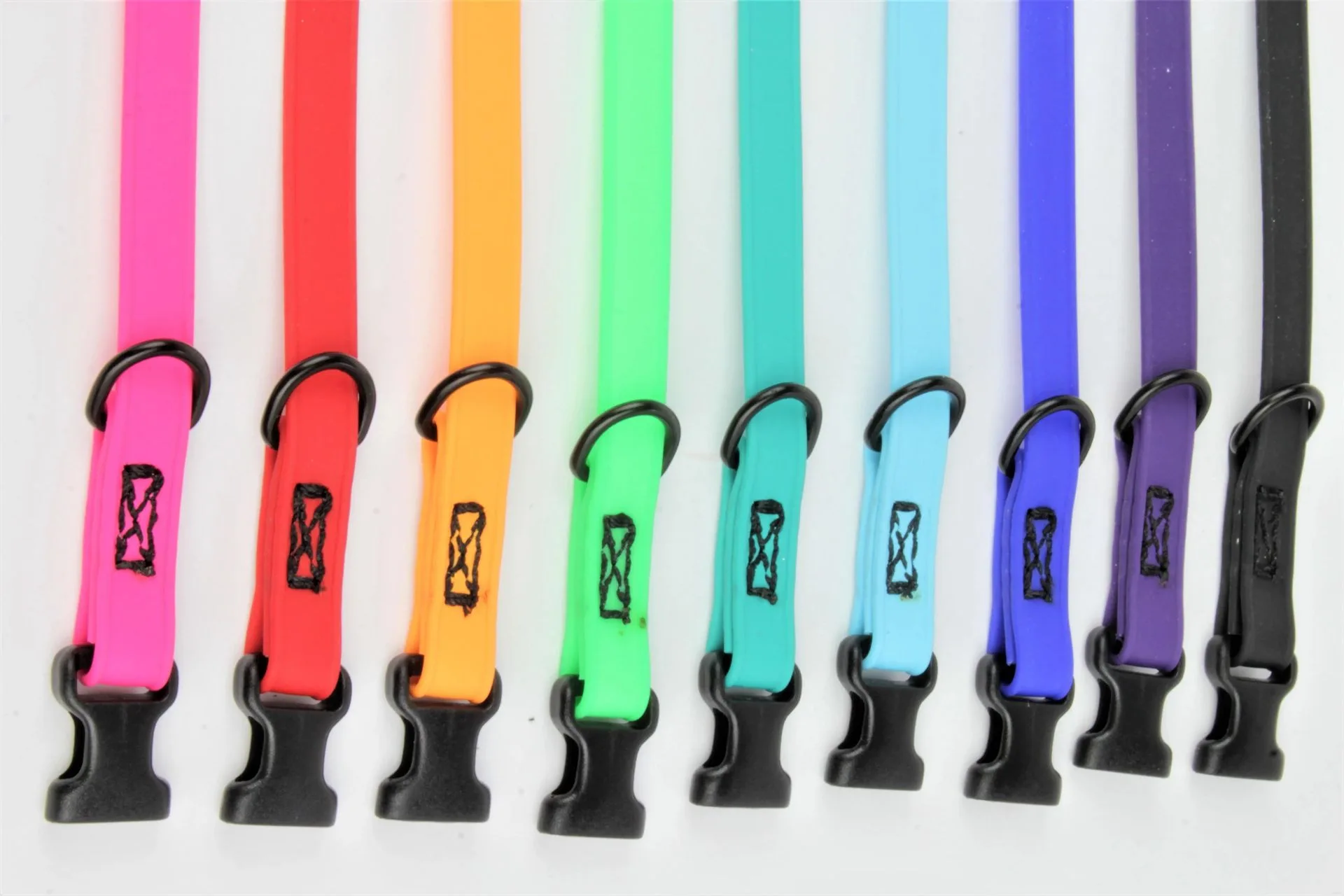
Some harnesses can rub and cause matting, but choosing a harness with smooth, skin-friendly materials like the Julius-K9 Color & Gray Collar's polyester weaving can help prevent tangling. Look for harnesses with soft, non-abrasive materials to protect your dog's coat.
Product Facts
- Julius-K9 Front Control Y-Belt with D-ring: By attaching your leash to the front D-ring, you redirect your dog's momentum toward you — naturally discouraging pulling without any harsh corrections. This is a gentle, effective way to train loose-leash walking, especially for strong or reactive dogs.
- Julius-K9 IDC® Guide Dog Harness: Designed to provide comfort, durability, and practical assistance for guide dogs and their handlers, with an ergonomic fit and intuitive features. For service dogs, a specialized harness ensures safety and seamless communication, which is critical for mobility assistance.
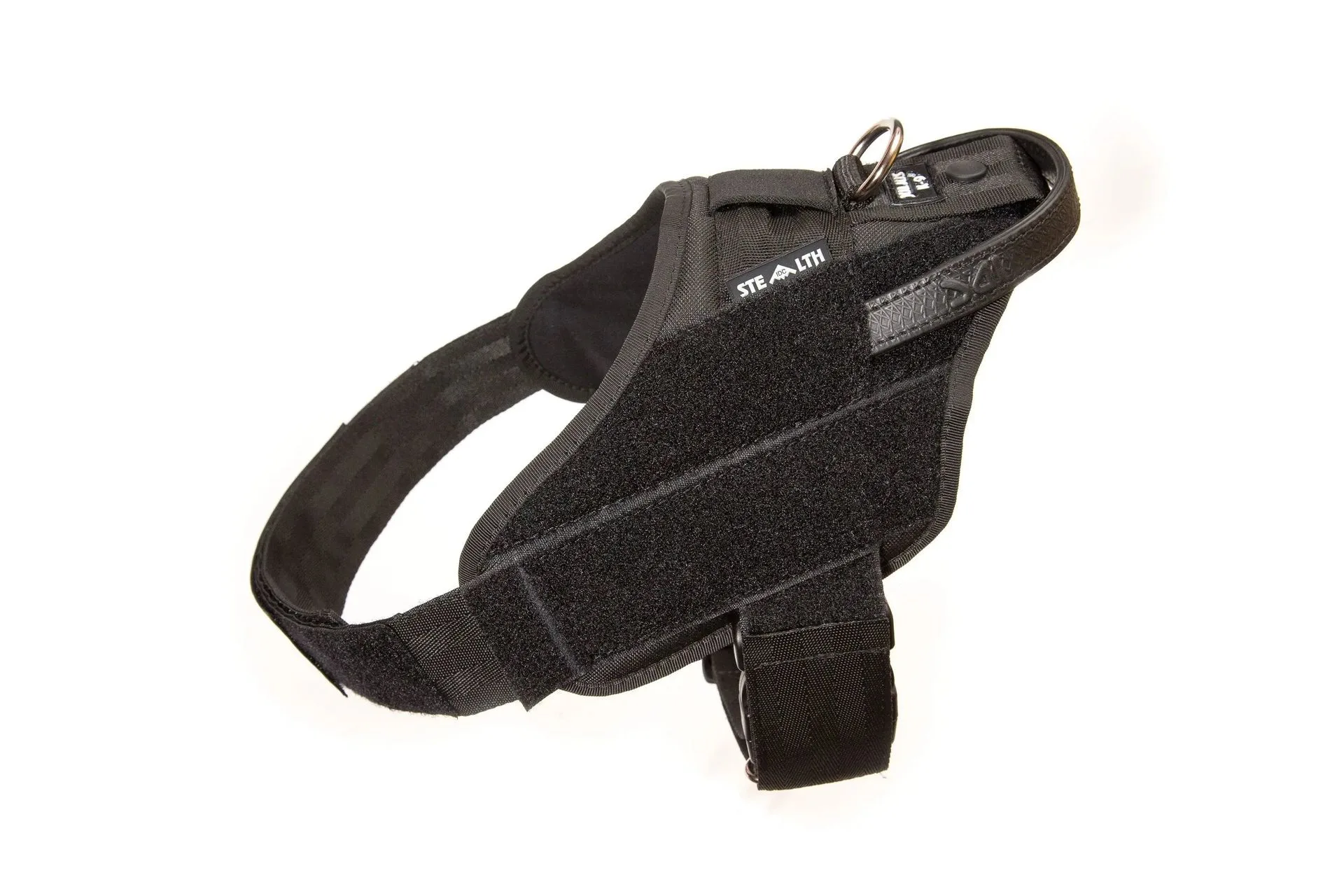
Choosing between a harness and a collar depends on your dog's individual needs. For most dogs, a harness offers superior control and safety, especially during walks. If you're looking for a reliable, durable harness, explore the Julius-K9 IDC® Powerharness to find the perfect fit for your furry friend.