Quick Answer
No, not every dog needs conditioner at every bath. Conditioner is a targeted coat-care step, not a mandatory one. It helps most when a dog's coat is dry, tangled, or dull, or when you want a smoother finish. For healthy short coats that shed normally, a quality shampoo and thorough rinse may be enough. The real myth is that conditioner is either always required or never useful.
Few topics in pet grooming spark as much debate as conditioner. Some groomers treat it as an essential step after every bath, while others skip it entirely. The truth sits in the middle, and it depends on the individual dog's coat, lifestyle, and the products you use.
This article tackles five common dog grooming myths about conditioner head-on. For each one, you'll get a clear verdict and a practical explanation grounded in what conditioners actually do for a dog's coat, so you can make a confident decision for the dogs in your care.
How Conditioner Actually Works on a Dog's Coat
Conditioner is designed to improve the feel, manageability, and appearance of the coat after shampooing. Shampoo lifts dirt and oil; conditioner helps smooth the hair shaft and reduce friction between hairs. That can mean fewer tangles, easier brushing, and a softer finish. It does not replace shampoo, and it does not treat skin conditions or replace veterinary care.
Whether a dog benefits depends on coat type and current condition. A dry, brittle, or heavily matted coat often responds well to conditioning. A short, healthy coat that sheds normally may not need it at all. The key is matching the product to the coat rather than following a one-size-fits-all rule.
- Apply conditioner after shampoo and rinse thoroughly to avoid residue.
- Focus on the mid-lengths and ends for long coats; go lighter near the skin.
- If the coat looks greasy after a bath, check whether conditioner was fully rinsed out.
Myth 1: Every Dog Needs Conditioner After Every Bath
This is one of the most persistent pet grooming misconceptions. Conditioner is not a required step for every dog at every bath. It is a tool you reach for when the coat needs smoothing, detangling, or a softer finish. A healthy beagle or a short-coated terrier with a normal shedding cycle often does fine with a good shampoo and a complete rinse.
Where conditioner earns its place is on coats prone to dryness, matting, or friction damage. Long-haired breeds, curly coats, and dogs who get frequent baths tend to benefit most. If you are unsure, start with a lightweight conditioner and observe how the coat responds over a few weeks.
- Short, healthy coats: conditioner optional.
- Long, curly, or dry coats: conditioner usually helpful.
- Double coats: use conditioner sparingly and rinse well to avoid weighing down the undercoat.
Myth 2: Conditioner Is Only for Show Dogs
Conditioner is not just a show-ring luxury. Any dog with a coat that tangles easily, feels rough, or looks dull can benefit from a conditioning step. Show dogs may use it for a polished finish, but pet dogs use it for comfort and easier home grooming between professional visits.
That said, not every pet needs a premium or highly concentrated product. A mild, everyday conditioner can be enough for routine maintenance. The goal is a coat that is clean, comfortable, and manageable, not a specific look.
- Pet dogs with tangles or dryness can benefit just as much as show dogs.
- Match the conditioner's weight to the coat: lighter for fine coats, richer for thick or coarse coats.
- Consistency matters more than product tier for most pet grooming routines.
Myth 3: Conditioner Fixes a Dull Coat on Its Own
A dull coat usually has more than one cause. It can come from buildup, incomplete rinsing, poor nutrition, or simply a coat that needs a different cleansing approach. Conditioner can improve surface smoothness and shine, but it will not correct an underlying issue like residue left behind by shampoo.
If a coat looks dull after a bath, check your rinse first. Product residue is a common culprit. Once the coat is truly clean, a conditioner can help restore a smoother, healthier-looking finish. If dullness persists despite good grooming, that is a conversation for your veterinarian, not a product swap.
- Rinse longer than you think you need to; residue causes dullness.
- Use conditioner after a proper cleanse, not instead of one.
- Persistent coat changes warrant a vet visit, not more product.
Myth 4: You Can Skip Rinsing Conditioner for Extra Softness
Leaving conditioner in the coat is not a shortcut to softness. Residue can attract dirt, weigh down the coat, and leave a greasy feel. Most conditioners are designed to be rinsed unless the label specifically says leave-in. Always follow the product's directions.
If you want a leave-in benefit, choose a product formulated for that purpose rather than skipping the rinse on a standard conditioner. That distinction matters for coat health and for how the dog feels afterward.
- Rinse standard conditioners thoroughly unless labeled leave-in.
- Residue can make a clean coat look dirty again quickly.
- When in doubt, rinse more, not less.
Myth Verdicts at a Glance
- Every dog needs conditioner after every bath: Conditioner is a targeted step, not a universal requirement. Healthy short coats often do fine without it, while dry, tangled, or long coats usually benefit. Verdict: Myth. Match conditioner to coat type and condition.
- Conditioner is only for show dogs: Any dog with a coat that tangles, feels rough, or looks dull can benefit from conditioning. Pet dogs included. Verdict: Myth. Conditioner is a practical tool for many coats.
- Conditioner alone fixes a dull coat: Dullness often comes from residue, incomplete rinsing, or other factors. Conditioner improves surface feel but does not correct underlying causes. Verdict: Partly true. Clean first, then condition.
- You can skip rinsing conditioner for extra softness: Leaving standard conditioner in the coat can attract dirt and leave a greasy feel. Rinse unless the label says leave-in. Verdict: Myth. Follow the product directions.
Products That Support Good Coat Care Decisions
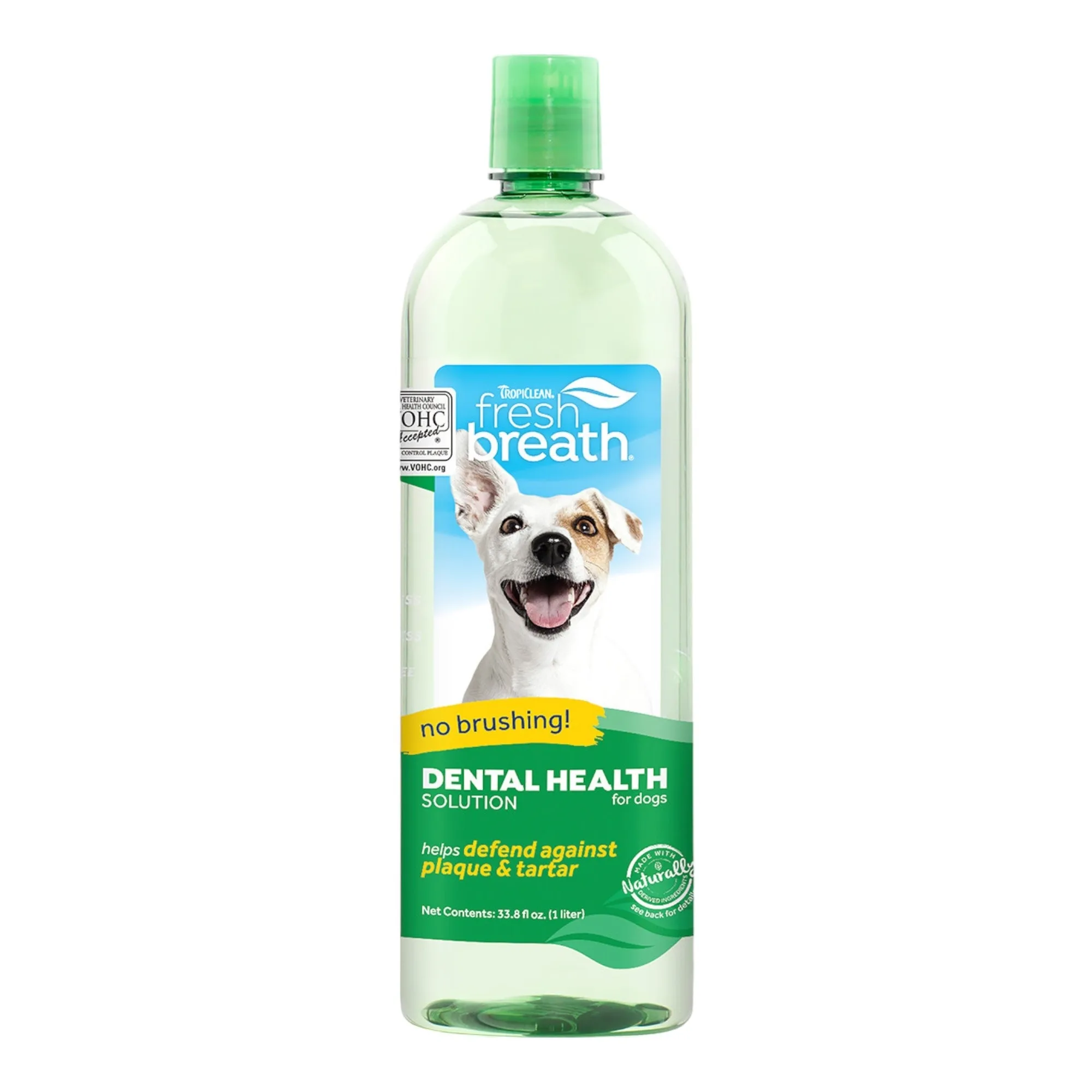
- TropiClean Fresh Breath Water Additive 33.8oz.: Formulated with natural ingredients like green tea extract, it helps reduce plaque and tartar while also freshening breath. Oral care is part of overall grooming health, and a water additive is an easy daily step for dogs who resist brushing.
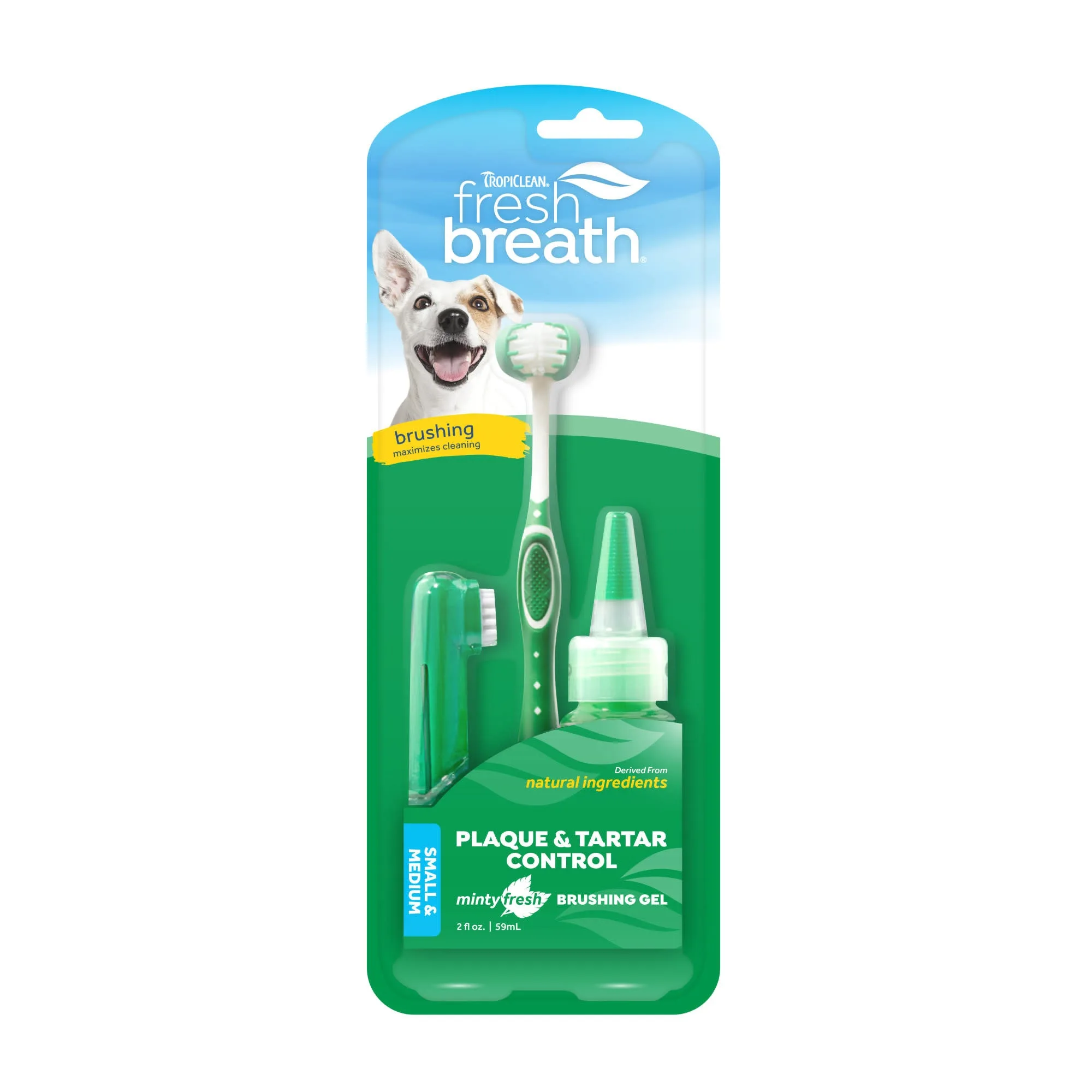
- TropiClean Oral Kit Small: The kit includes toothbrush and toothpaste specifically formulated for small dogs, with natural ingredients that help reduce plaque and tartar buildup. A simple kit makes it easier to keep small dogs' mouths clean between professional grooming visits.
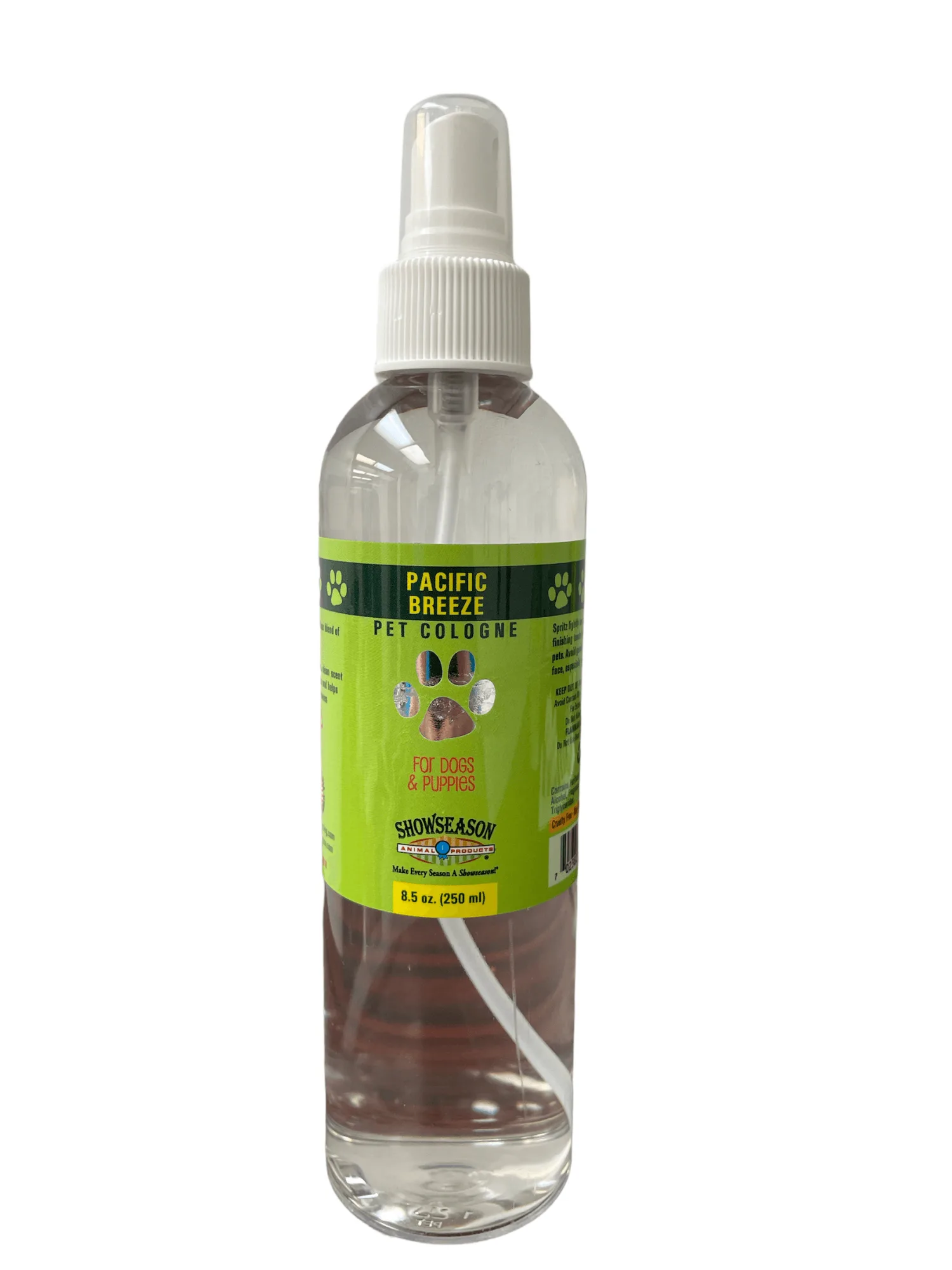
- Showseason Pacific Breeze Cologne-8.5oz.: This delicious scent is terrific at controlling pet odor between baths, giving the coat a fresh, clean aroma that lasts for weeks without overpowering you or the dog's keen nose. A cologne can extend freshness between baths, but it does not replace cleansing or conditioning the coat.
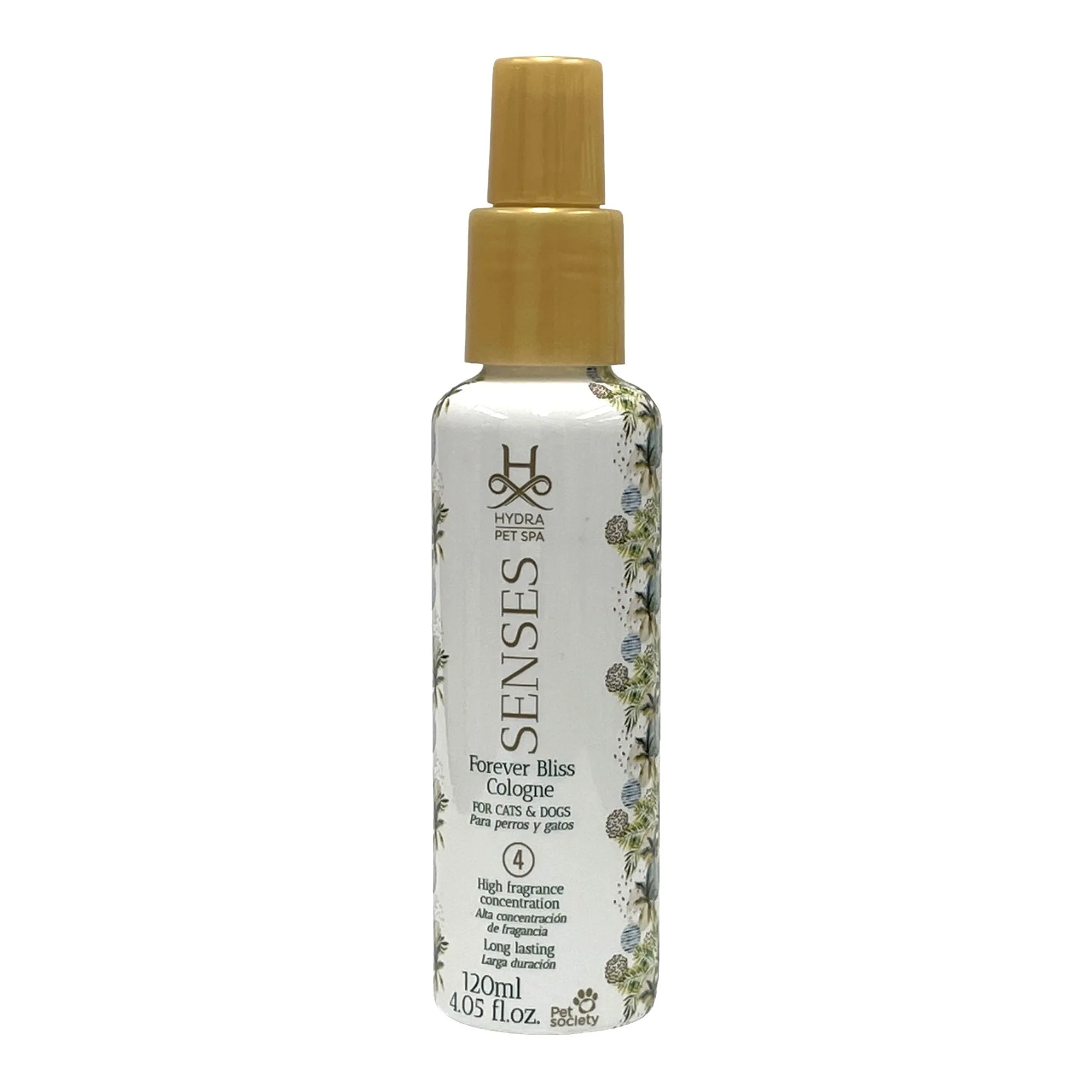
- Hydra Senses Bliss Cologne 4.4oz: With a long-lasting scent that includes base notes of damascus, vanilla, white amber, and musk, and heart notes of pepper, orchid, lily, and sandalwood, it provides a perfect finishing touch to any pet groom. A finishing cologne adds a polished scent after grooming, but it is not a substitute for proper coat conditioning.
Conditioner is a useful coat-care step when it matches the dog in front of you. Skip the one-size-fits-all rules, read the label, and rinse thoroughly. If you are building a grooming routine, start with a quality shampoo and add conditioner only when the coat tells you it needs it.