Quick answer
Prong collars do not automatically damage a dog's neck. Injury risk comes from poor fit, improper use, or leaving the collar on unsupervised. When sized correctly and used as a training tool, not a restraint, prong collars distribute pressure across multiple contact points rather than concentrating it on the throat. Responsible use means learning the technique and checking fit regularly.
If you've ever watched a dog lunge against a flat collar, you've seen how much pressure lands on the throat. That's why some trainers reach for a prong collar. But the sight of metal prongs raises a fair question: does that hardware damage a dog's neck? The answer depends less on the collar itself and more on how it's fitted and used.
This article separates common myths from practical realities. We'll look at what prong collar pressure actually does, when neck damage can occur, and how to use these tools safely. We'll also cover replacement links that keep the fit correct as your dog grows or changes weight.
How prong collars distribute pressure
A prong collar works by applying pressure through blunt prongs that sit against the dog's neck. Unlike a flat collar that can compress the trachea when a dog pulls, a properly fitted prong collar spreads pressure around the circumference of the neck. The prongs are designed to be blunt, not sharp, and they close evenly when the handler applies tension. This even distribution is why many trainers consider prong collars less risky than choke chains for strong pullers.
The key phrase is 'properly fitted.' A prong collar that's too loose will slide and jab unpredictably. One that's too tight sits constantly tight and can cause irritation. The goal is a snug fit that stays high on the neck, just behind the ears and jawline, where the dog has less muscle mass to resist. When the collar sits low on the throat, it can put pressure on the trachea, which is where real damage can happen.
- Fit the collar high on the neck, not down on the shoulders.
- You should be able to slide one finger under the collar, but not two.
- Remove the collar when not actively training.
When neck damage can actually occur
Neck damage from prong collars is not a myth, but it's also not the default outcome. Problems arise in predictable situations: leaving the collar on a dog that's crated or playing unsupervised, using it as a primary restraint for a dog that pulls constantly, or fitting it so loosely that it slides and catches. In those cases, the collar can cause persistent pressure or sudden jabs that lead to bruising, skin irritation, or worse.
Another risk factor is using a prong collar on a dog with an existing neck or spinal condition. If your dog has a history of disc issues or a sensitive trachea, any collar that puts pressure on the neck deserves extra caution. In those cases, a harness or a head halter may be a better choice. For healthy dogs, the bigger risk is improper use, not the tool itself.
- Never leave a prong collar on an unsupervised dog.
- Avoid using a prong collar as a full-time walking collar.
- Consult your vet if your dog has neck or spine problems.
Myth: Prong collars are inherently cruel
The claim that prong collars are inherently cruel ignores how they're designed and used. The prongs are blunt and rounded, and when fitted correctly, they apply even pressure rather than a sharp poke. Many humane training organizations acknowledge that prong collars, like any tool, can be used appropriately or abused. The difference is in the handler's technique and the dog's response.
That said, a prong collar is not a shortcut for training. It should be paired with clear commands, rewards, and a plan to fade the tool out. If you're not sure how to use one, work with a professional trainer who can show you proper placement and timing. A tool used incorrectly can absolutely hurt a dog, but that's true of flat collars and harnesses too.
- Look for collars with blunt, rounded prongs and a quick-release buckle.
- Pair collar pressure with rewards for correct behavior.
- Gradually reduce reliance on the collar as training progresses.
Fit and maintenance: the overlooked factors
Even a well-designed prong collar needs regular fit checks. Dogs can gain or lose weight, and a collar that fit perfectly last month may be too loose or too tight today. A loose prong collar can rotate and cause inconsistent pressure; a tight one can cause constant pressure and skin irritation. Check the fit before every training session.
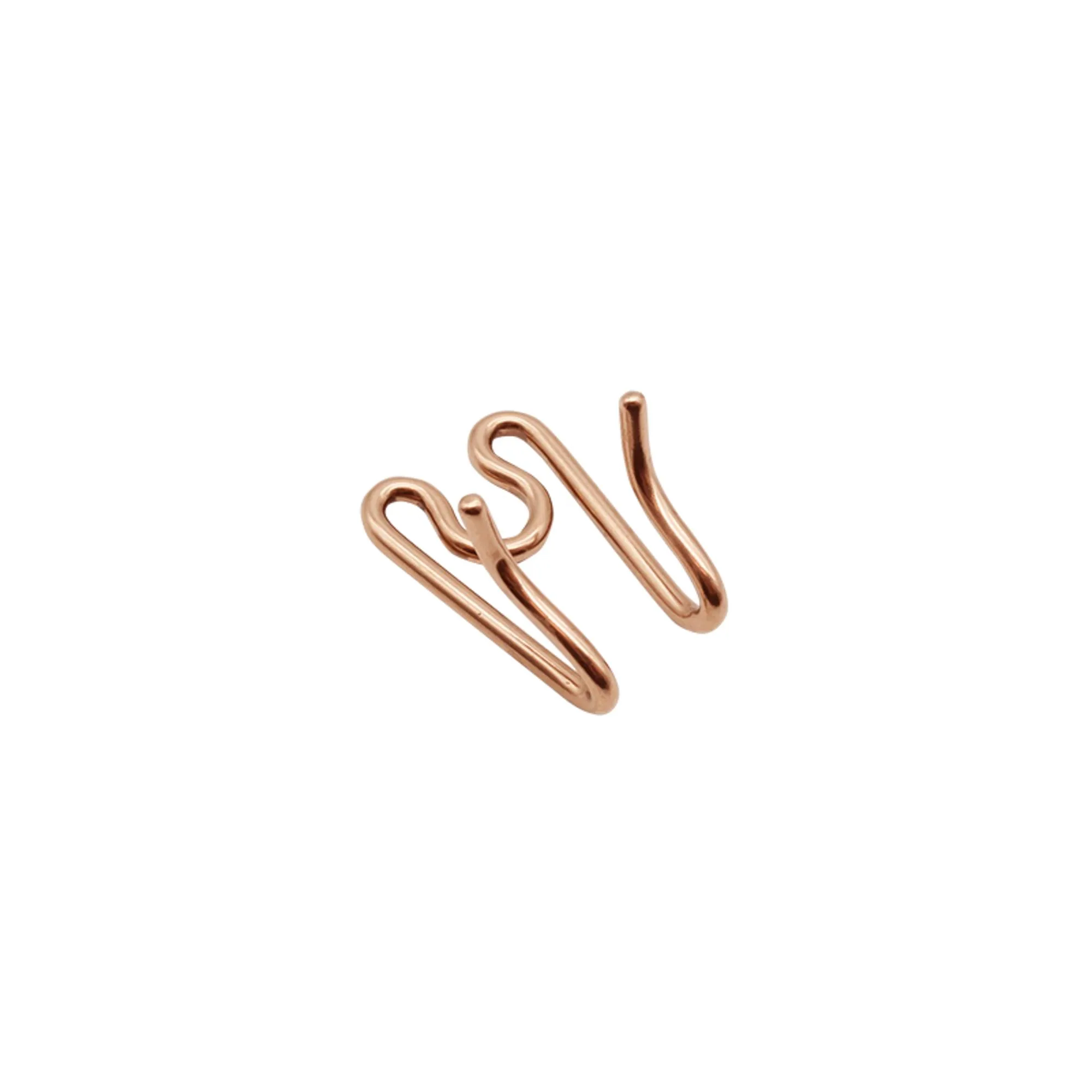
Replacement links are a practical way to adjust length without buying a whole new collar. For example, the 2.25mm Curgoan Herm Sprenger Ultra-Plus Prong Training Dog Collar Replacement Links are used to add length to existing Herm Sprenger Ultra-Plus collars. The blunt design attaches easily to existing links for a perfect fit. Similarly, the 4.0mm Black Stainless Herm Sprenger Ultra-Plus Prong Training Dog Collar Replacement Links serve the same purpose for thicker collars. Having the right links on hand makes it easy to maintain a safe fit as your dog's neck size changes.
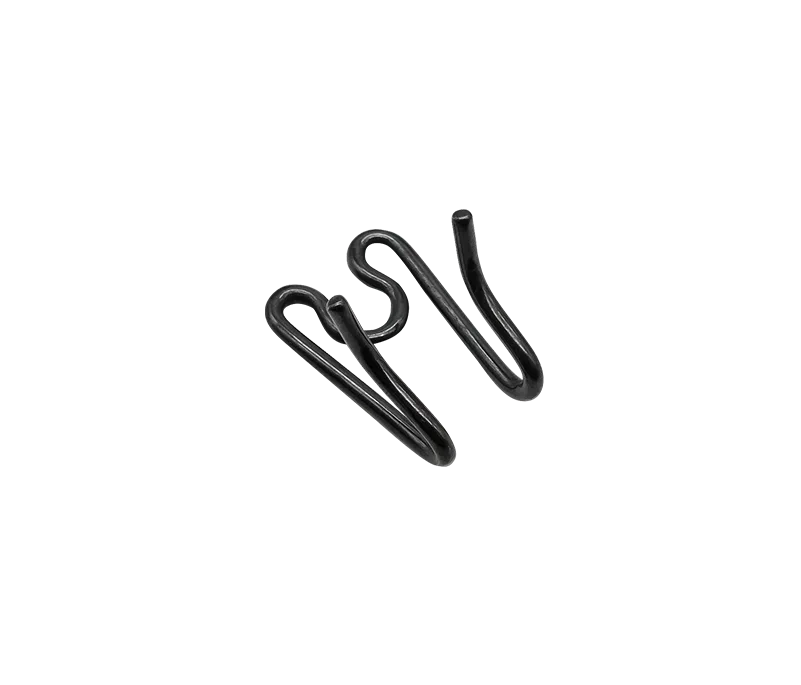
4.0mm Black Stainless Herm Sprenger Ultra-Plus Prong Training Dog Collar Replacement Links
- Measure your dog's neck before buying links.
- Match link thickness to your collar's prong size.
- Inspect links for wear or bending regularly.
Verdicts on prong collar neck damage
- Claim: Prong collars always damage the neck.: Not true. Damage occurs mainly from poor fit, unsupervised use, or using the collar as a full-time restraint. When fitted high and snug and used only for training, pressure is distributed around the neck rather than concentrated on the throat. Verdict: Myth. Proper use greatly reduces risk.
- Claim: Prong collars are safe for every dog.: False. Dogs with existing neck or spinal conditions, or those with very small tracheas, may be better served by a harness or head halter. Even healthy dogs need correct sizing and active supervision. Verdict: Not universal. Assess your dog's health first.
- Claim: You can leave a prong collar on all day.: Never do this. A prong collar is a training tool, not everyday wear. Leaving it on during play, crating, or unsupervised time can lead to snagging, constant pressure, and skin damage. Verdict: Dangerous. Remove it after each session.
- Claim: Replacement links are unnecessary if the collar fits.: Fit changes with weight, coat, and age. Replacement links like the Herm Sprenger Ultra-Plus links allow you to adjust length precisely, keeping the collar high and snug without buying a new collar. Verdict: Useful. Keep spare links for quick adjustments.
Product facts that support safe use
- 2.25mm Curgoan Herm Sprenger Ultra-Plus Prong Training Dog Collar Replacement Links: These links are used to add length to the Herm Sprenger Ultra-Plus Prong Training Dog Collars. The blunt design is effective and easily attaches to existing links for a perfect fit. Proper fit is critical for safety, and these links let you adjust the collar as your dog's neck size changes, avoiding a too-loose or too-tight fit.
- 4.0mm Black Stainless Herm Sprenger Ultra-Plus Prong Training Dog Collar Replacement Links: These links are used to add length to the Herm Sprenger Ultra-Plus Prong Training Dog Collars. The blunt design is effective and easily attaches to existing links for a perfect fit. For thicker collars, these links maintain the correct fit, which helps distribute pressure evenly and reduces the risk of neck irritation.
Prong collars can be safe and effective when used with care, but they are not risk-free. The deciding factors are fit, supervision, and technique. If you choose to use one, invest in quality links to maintain a proper fit, and never leave it on an unsupervised dog. When in doubt, consult a professional trainer or your vet.