Quick answer
Most working dogs do not need a cabinet full of dog supplements. If your dog eats a complete, balanced diet and is healthy, the main job is matching nutrition to workload and watching body condition. Supplements become worth discussing when a veterinarian identifies a specific gap or need, not because a product label promises better performance.
Myth: Every working dog needs a daily supplement stack
A dog doing bite work, detection, or long field days has higher energy and recovery demands than a couch companion, but that does not automatically mean pills and powders. Working dog nutrition starts with total calories, protein quality, fat for endurance, and hydration. If those are dialed in and the dog maintains weight, coat, and energy, adding a shelf of products usually solves a problem you do not have. The exception is a confirmed deficiency or a diagnosed condition, which is a veterinary conversation, not a shopping decision.

bite work
Myth: Joint supplements for dogs prevent injury
No supplement replaces conditioning, warm-ups, or sensible progression. Joint health in working dogs is built through appropriate exercise, healthy weight, and early attention to lameness. Some owners use joint supplements as part of a broader care plan, but they should never be treated as armor against injury or as a substitute for rest and veterinary assessment. If your dog is limping, the next step is a vet visit, not a new bottle.
Myth: More vitamins mean more performance
Dog vitamins are not fuel. Excess amounts of some nutrients can be harmful, and stacking multiple products can push intake past safe levels without anyone noticing. The practical approach is to know what your dog is already getting from food, then add only what a veterinarian recommends. Keep a simple log of products, amounts, and dates so you can spot overlap and avoid doubling up on the same ingredient.
How to decide without wasting money
Before buying anything, define the problem in plain terms: low energy, poor coat, stiffness after work, or weight loss. Then check the basics first, including portion accuracy, feeding schedule, water access, and recovery days. If the issue persists, bring your notes to a vet. A useful test is to change one thing at a time and track results for a few weeks. That discipline tells you more than any label claim, and it keeps your supplement spend tied to evidence from your own dog.
Verdicts on common supplement claims
- A complete diet needs a multivitamin: If your dog eats a complete, balanced diet and is healthy, extra dog vitamins are usually unnecessary and can create overlap if you stack products. Verdict: skip unless a vet identifies a specific gap.
- Joint supplements replace conditioning: Joint health comes from appropriate exercise, healthy weight, and early veterinary care. Supplements are not a substitute for any of those. Verdict: false. Build the routine first.
- Supplements can fix low energy: Low energy in a working dog can have many causes. Check calories, hydration, recovery, and sleep before adding products, and involve a vet if it continues. Verdict: investigate the basics first.
- More is better with nutrients: Excess intake of some nutrients can be harmful, and stacking products hides how much your dog is actually getting. Verdict: track what you feed and add only what is recommended.
Gear that supports the routine
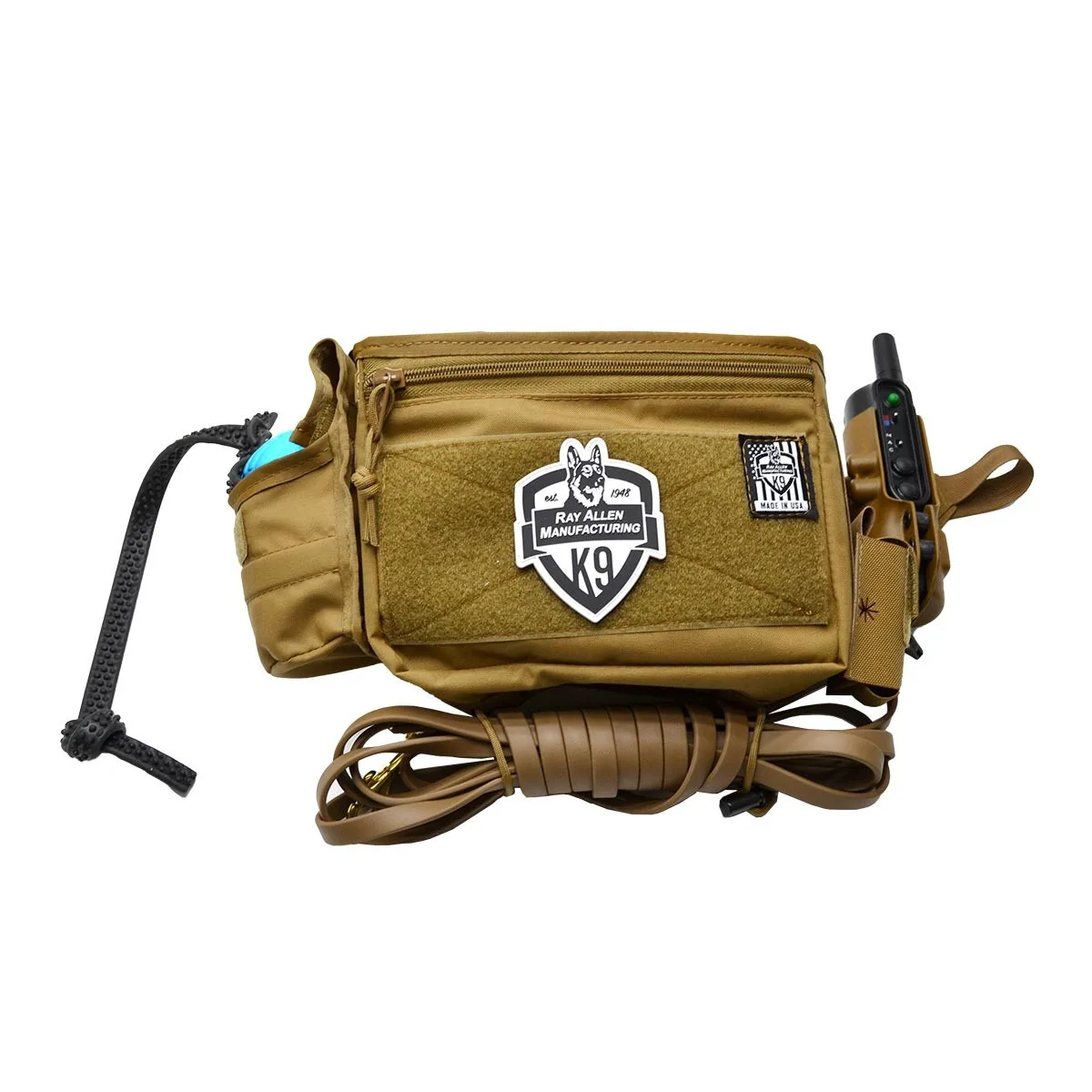
- Dog Trainer Tool Belt: The Dog Trainer Tool Belt is MOLLE compatible and easy to clean, and was built through real-world work with thousands of dogs. If you train multiple dogs with different rewards, organized carry matters more than another supplement bottle. A clean, modular belt keeps treats and tools separate so you can reward the right dog without fumbling.
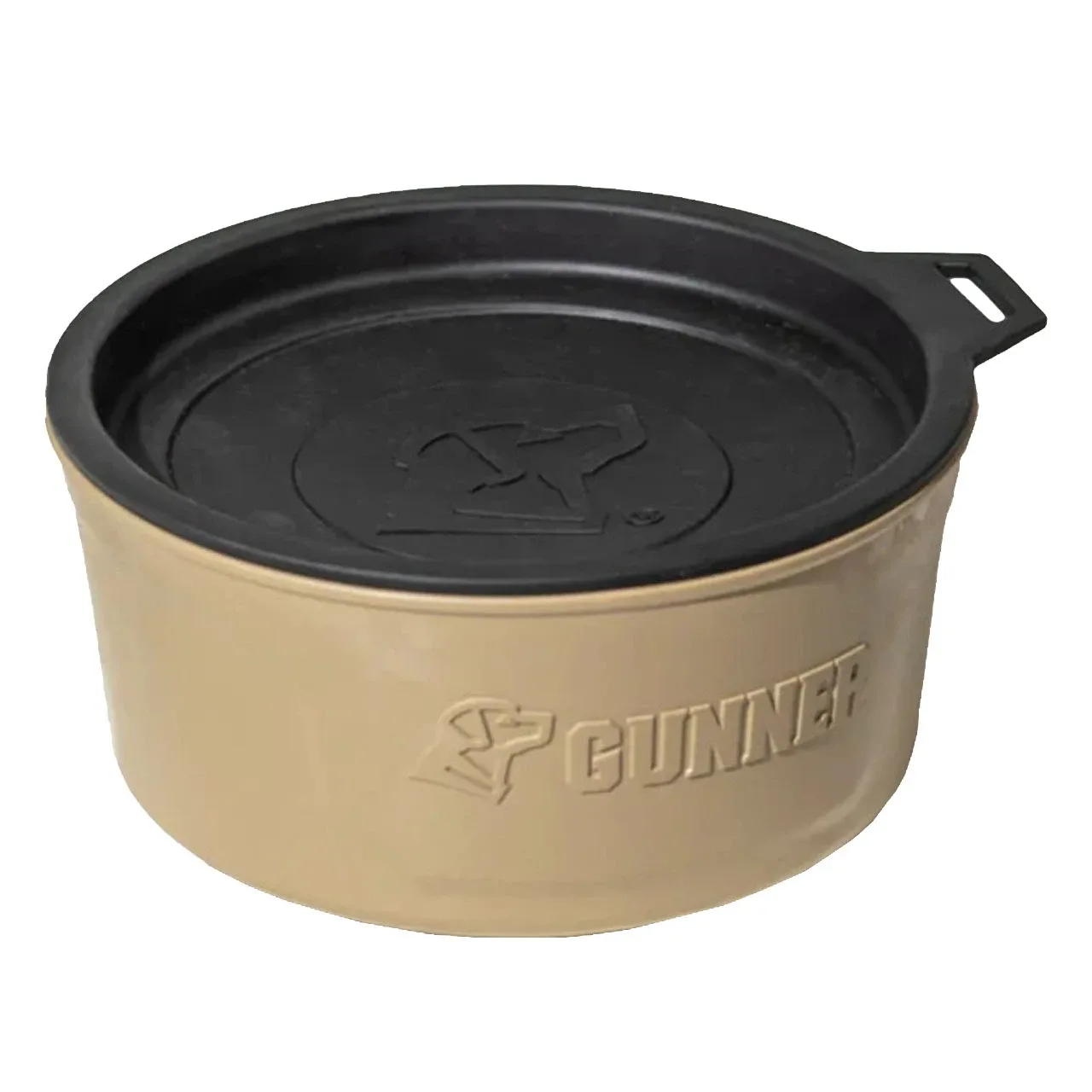
- GUNNER® Dog Bowl: The GUNNER® Dog Bowl is made from ultra-strong nylon, is BPA free, food grade compliant, and will not rust. Hydration is a core part of working dog nutrition and recovery. A durable, rust-free bowl you can actually travel with makes it easier to keep water available on training days and road trips.