Quick Answer
Buy a 2.5 TOG sleep bag only if your baby's room regularly drops below roughly 68°F (20°C) at night and you cannot warm the room itself. If the room stays around 68-72°F (20-22°C), a 1.0 TOG bag with bamboo pajamas underneath is usually the better winter setup because it is easier to adjust night to night.
What 2.5 TOG Actually Does
TOG measures insulation, not warmth by itself. A 2.5 TOG bag traps more body heat than a 1.0 TOG bag, which helps in a genuinely cold nursery but works against you in a room that is already warm. Because a sleep bag cannot be partly removed the way a blanket can, the room temperature at 2 a.m. matters more than the temperature at bedtime. If your thermostat swings, a heavier bag locks you into one setting.
How to Check Your Nursery Before You Buy
Put a thermometer at mattress level, not on a shelf, and check it for three or four nights. Note the lowest reading, since that is the number your baby sleeps through. Also watch your baby rather than the number alone: a hot, sweaty neck or damp hair means too much insulation, while cool hands and a calm, settled baby usually mean the current setup is fine.
- Room stays below about 68°F (20°C): a 2.5 TOG bag is a reasonable pick.
- Room sits around 68-72°F (20-22°C): stay with 1.0 TOG and add layers.
- Room runs above about 72°F (22°C): go lighter, not heavier.
- Room temperature is unpredictable: choose the lighter bag and layer instead.
The Case for Staying With 1.0 TOG
The 1.0 TOG weight is the most flexible option across a year of sleep because it works in mild and cool rooms when paired with the right base layer. That flexibility is why so many families keep two 1.0 TOG bags in rotation and add warmth only on the coldest weeks. A 2.5 TOG bag is a specialist tool, not a default winter purchase, and it earns its place only when the room itself is the problem.
Fit and Safety Checks That Matter More Than TOG
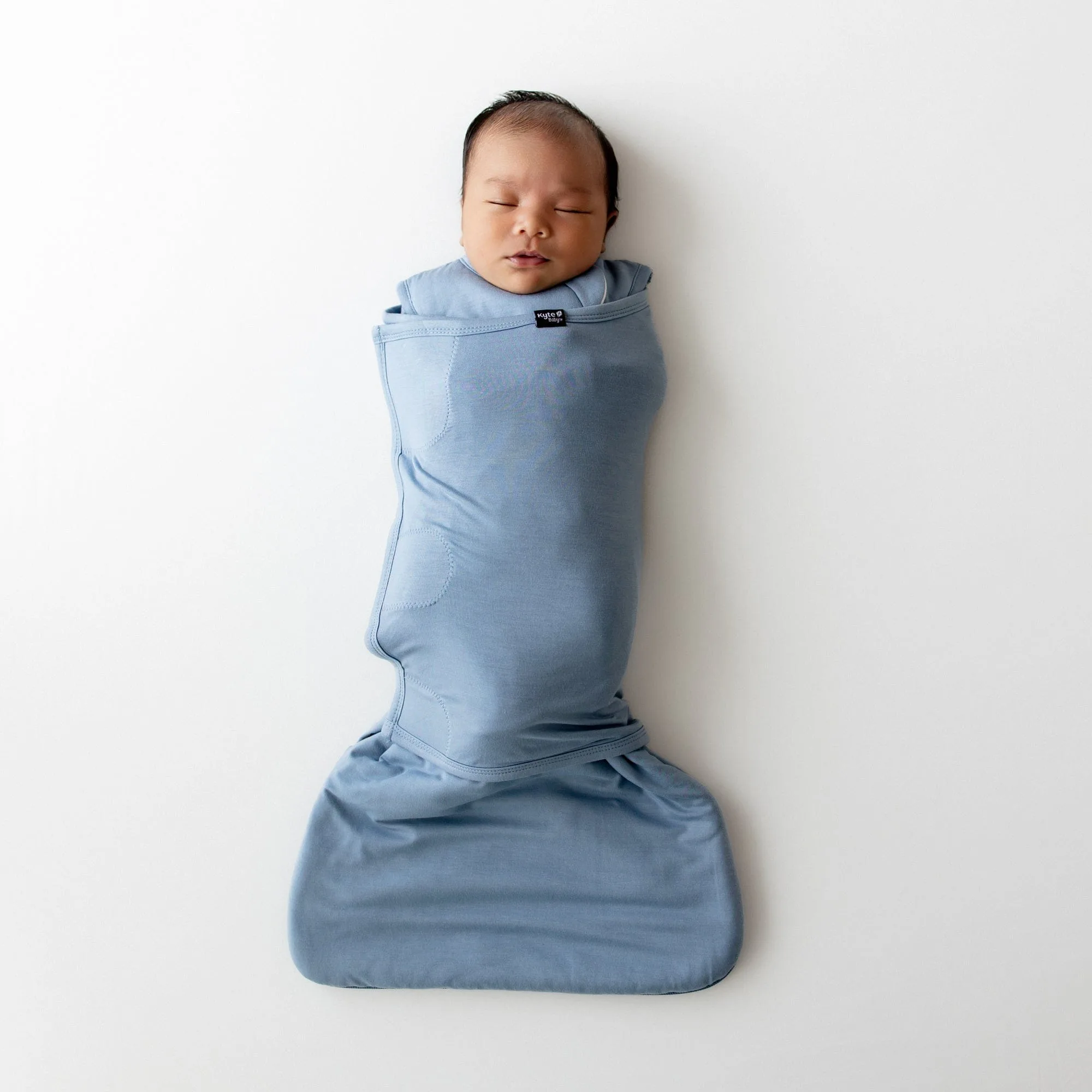
Insulation only works if the bag fits. A bag that is too large can ride up over the face or let arms slip through the neck opening, while a bag that is too small restricts movement and bunches at the feet. Kyte Baby sleep bags use Color and Size options, so match the size to your baby's current height and weight rather than buying ahead for growth. Always follow the safe-sleep guidance from the American Academy of Pediatrics: no loose blankets, no extra padding in the crib, and a firm, flat sleep surface.
Decision Rules for Buying a 2.5 TOG Bag
- Rule 1: Measure the room, not the season: Track the lowest overnight temperature at mattress level for several nights. If it stays below about 68°F (20°C), a 2.5 TOG bag is justified. If it stays at or above that, choose 1.0 TOG and layer. The thermometer decides, not the calendar.
- Rule 2: Buy for the coldest night you actually get: A bag that is too warm on an average night is harder to fix than a bag that is slightly cool, because you can add a layer under a lighter bag but you cannot subtract insulation from a heavy one. When in doubt, buy lighter and layer.
- Rule 3: Size to today's height and weight: Check the size options against your baby's current measurements. A bag that is too large can ride up, and one that is too small bunches at the feet and limits movement. Fit first, TOG second.
- Rule 4: Keep the base layer simple: Pair a heavier bag with a light bamboo pajama rather than a thick fleece sleeper, so you are not stacking two heavy layers. Use the same layering logic you would use with a 1.0 TOG bag. One warm layer plus one bag, not two of each.
- Rule 5: Recheck after two weeks: Weather, heating habits, and your baby's own temperature regulation change. If you see sweating, damp hair, or a restless sleeper, drop back to a lighter weight. Treat the first two weeks as a trial, not a verdict.
Products That Fit This Decision
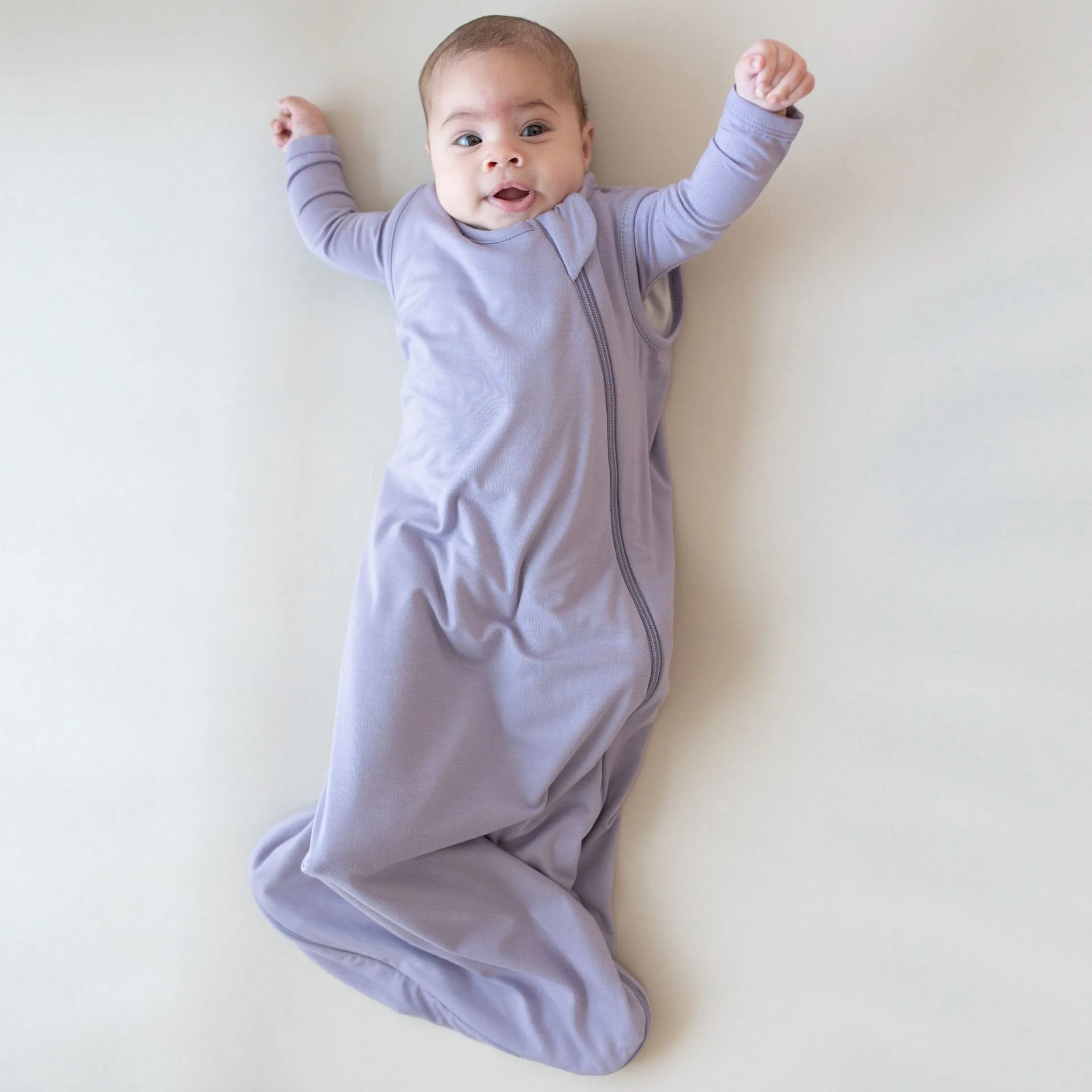
- Sleep Bag in Taro 0.5: A 0.5 TOG sleep bag in Taro that meets safe-sleep requirements outlined by the American Academy of Pediatrics, with double stitching for durability. Useful as the warm-weather or heavily heated-room option, and a reminder that lighter weights cover more of the year than a heavy bag does.
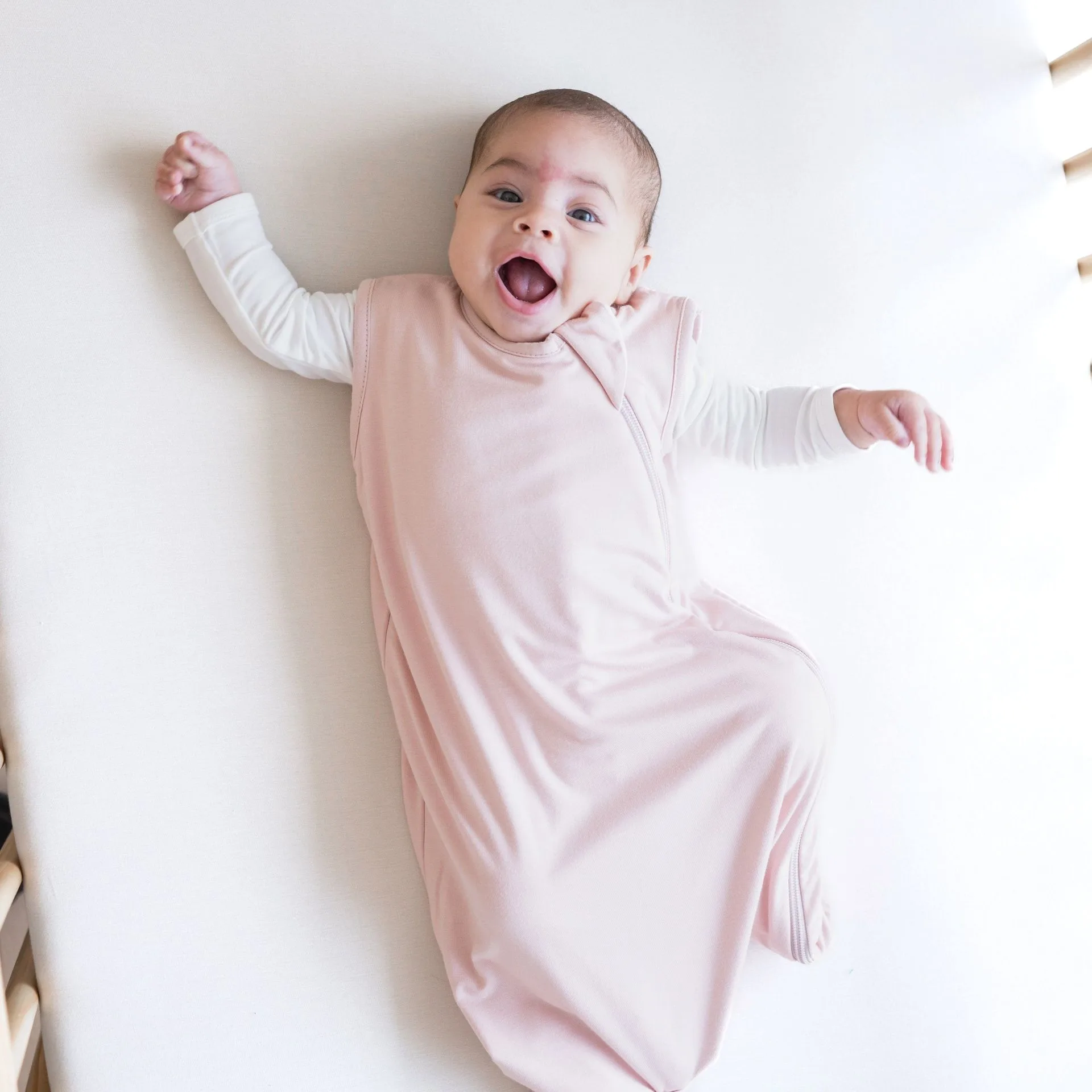
- Sleep Bag in Blush 0.5: A 0.5 TOG sleep bag in Blush with dual zippers for diaper changes and double stitching for durability, made from buttery-soft rayon from bamboo. The dual zipper matters at 3 a.m., and the light weight keeps a baby cool in rooms that are already warm.
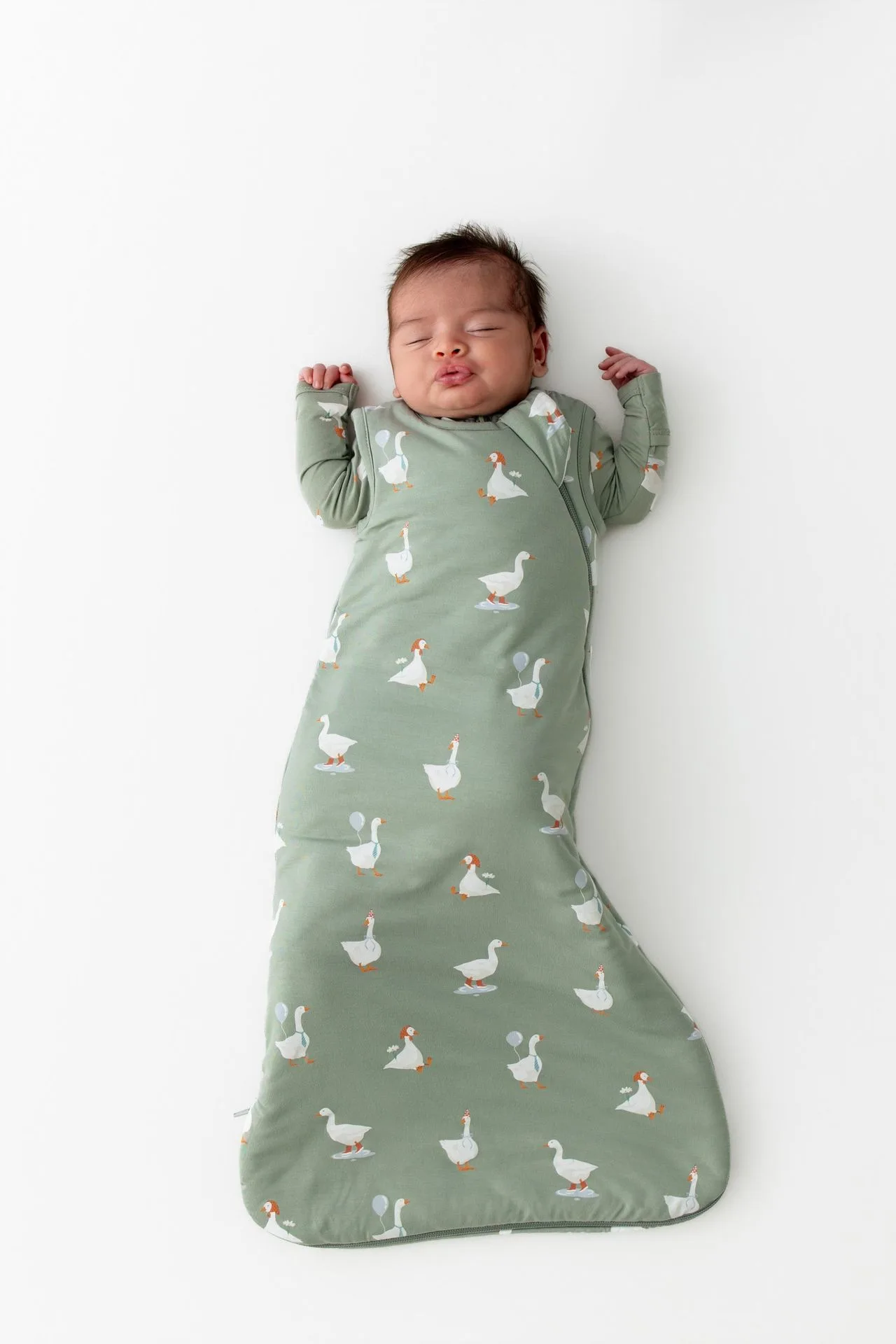
- Sleep Bag in Silly Goose 1.0: A 1.0 TOG sleep bag in Silly Goose with an all-over print on a dusty sage Thyme background, made from buttery-soft rayon from bamboo. The 1.0 TOG weight is the practical winter choice for most rooms when paired with a base layer, which is why it is the safer first buy.
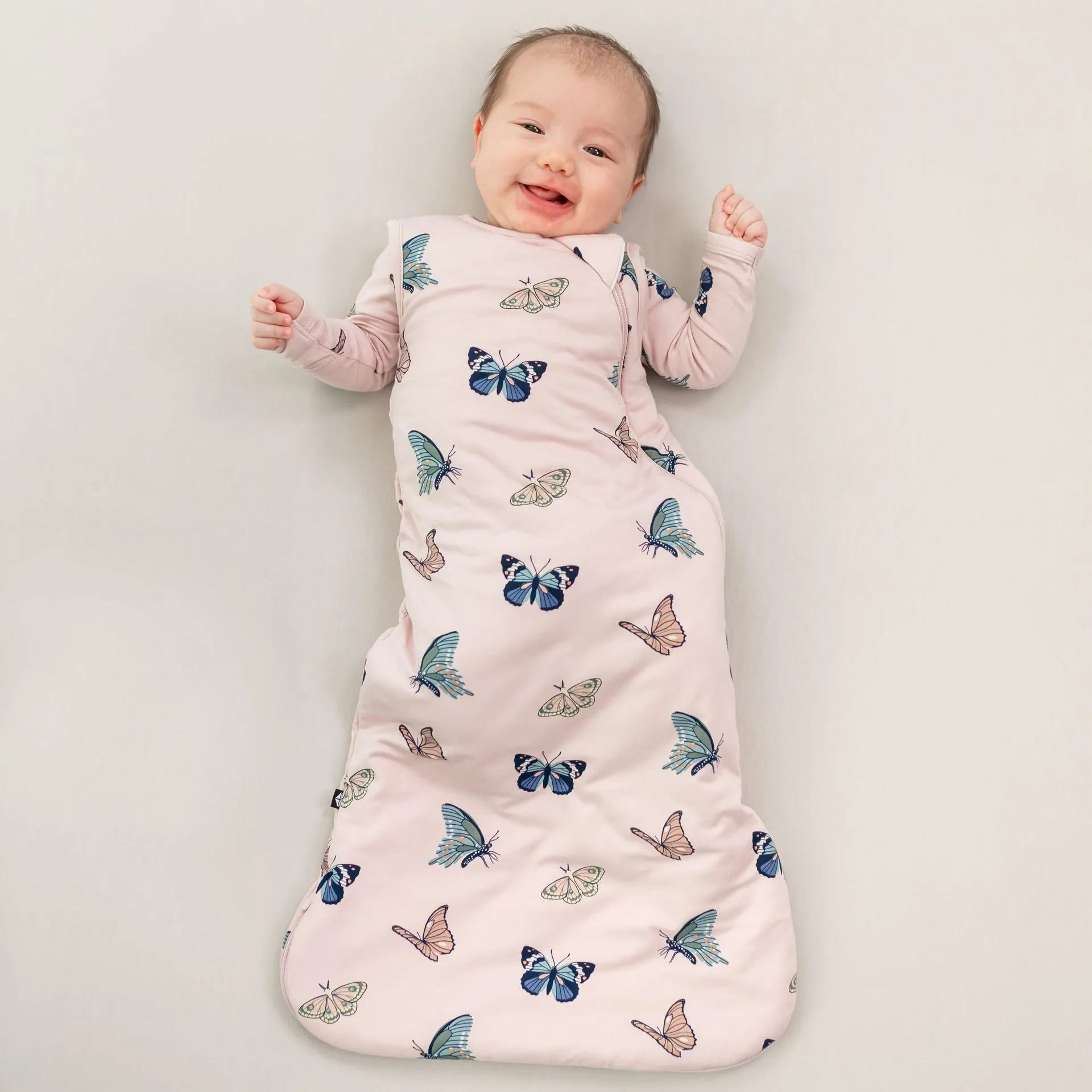
- Sleep Bag in Blush Butterfly 1.0: A 1.0 TOG sleep bag in Blush Butterfly with an all-over butterfly print, breathable and temperature-regulating, described as the one weight that works all year long. If you only buy one bag for winter, a breathable 1.0 TOG plus layers adapts better than a single heavy bag.
Who a 2.5 TOG Bag Is Right For
Best for
- Babies in a nursery that regularly drops below about 68°F (20°C) at night
- Homes where the room cannot be warmed and the cold is consistent, not occasional
- Families who already own a 1.0 TOG bag and want one heavier option for the coldest stretch
Not for
- Rooms that stay around 68-72°F (20-22°C), where a 1.0 TOG bag with layers is easier to manage
- Babies who run hot, sweat at night, or sleep in a room with variable heating
- Anyone buying their first sleep bag, since a 1.0 TOG bag covers more nights across the year