Quick answer
You need a baby safety gate if your child is crawling or walking and you have stairs, a kitchen, or any room you want to keep off-limits. For stairs, choose a hardware-mounted gate that screws into the wall or banister. For doorways and room dividers, a pressure-mounted gate is usually enough. If your child is still stationary or your home has no hazards behind a door, you can wait.
Match the gate to the hazard, not the hype
A gate is a tool for a specific problem: keeping a mobile child away from a staircase, a hot stove, a litter box, or a room that is not childproofed. Walk through your home and list every spot where your child could get hurt within 10 seconds of your attention drifting. That list tells you how many gates you need and where they go. A gate at the top of stairs protects against a fall; a gate at the bottom of stairs protects against a climb. They are not the same job, and they do not use the same hardware. If your only concern is keeping a toddler out of the kitchen while you cook, a single wide gate may solve it. If you have a pool, a gate alone is not a substitute for a locked cover or fence that meets local rules.
Hardware-mounted vs. pressure-mounted: the trade-off
Hardware-mounted gates bolt into studs or a banister and swing open like a door. They are the only safe choice for the top of stairs because they cannot be pushed out of the opening. The trade-off is installation: you need a drill, a stud finder, and the willingness to put holes in your wall or woodwork. Pressure-mounted gates wedge between two surfaces using rubber pads. They are easy to move and leave no marks, which makes them good for doorways, bottom-of-stair blocking, and rental homes. The trade-off is that a determined toddler can sometimes push them loose, and they should never be used at the top of stairs. Some gates convert between the two modes with included hardware; check the box before you buy so you are not missing a kit.
Measure the opening before you fall in love with a gate
Gate widths are not one-size-fits-all. Measure the narrowest point of the opening, then add the width of any baseboards or trim that the gate will touch. Most standard gates fit openings around 28 to 32 inches, and wider openings need an extension kit. If your opening is wider than 48 inches, you may need a configurable play yard or a custom gate instead of a single panel. Also check the height: a gate that is too short is a climbing invitation for a tall toddler. Finally, look at what is on the other side. A gate that swings into a hallway can block a door or trip an adult carrying laundry. Choose a gate that swings in the direction that keeps your walkway clear.
When a gate is not the right answer
Gates are not a substitute for supervision or for childproofing the room itself. If you are using a gate to keep a child away from a space that is not baby-proofed, the gate is doing double duty it was not designed for. A better plan is to childproof the room and use the gate only as a secondary barrier. Also, if your child has outgrown the gate's height or can operate the latch, the gate has become a climbing hazard. At that point, remove it and address the hazard directly. For travel or temporary stays, a pressure-mounted gate or a travel play yard is usually more practical than hauling hardware.
Decision rules for buying a baby safety gate
- Top of stairs: Always choose a hardware-mounted gate that screws into studs or a banister. Never use a pressure-mounted gate at the top of stairs, even if the box says it is for stairs. If you cannot drill, hire a handyman or choose a different barrier strategy.
- Bottom of stairs or doorway: A pressure-mounted gate is usually sufficient and easier to move. Check that the gate's width range covers your opening and that the latch is easy for an adult but hard for a toddler. Measure twice; buy once.
- Wide or irregular openings: If your opening is wider than 48 inches or has angled walls, a single gate may not fit. Look for a gate with extension kits or a configurable play yard. Do not force a gate into an opening it was not made for.
- Rental or temporary setup: Pressure-mounted gates leave no holes and are easy to remove. If you need a gate only for a short season, this is the lower-commitment choice. Check your lease before drilling.
Comfy Cubs products that support the gate decision
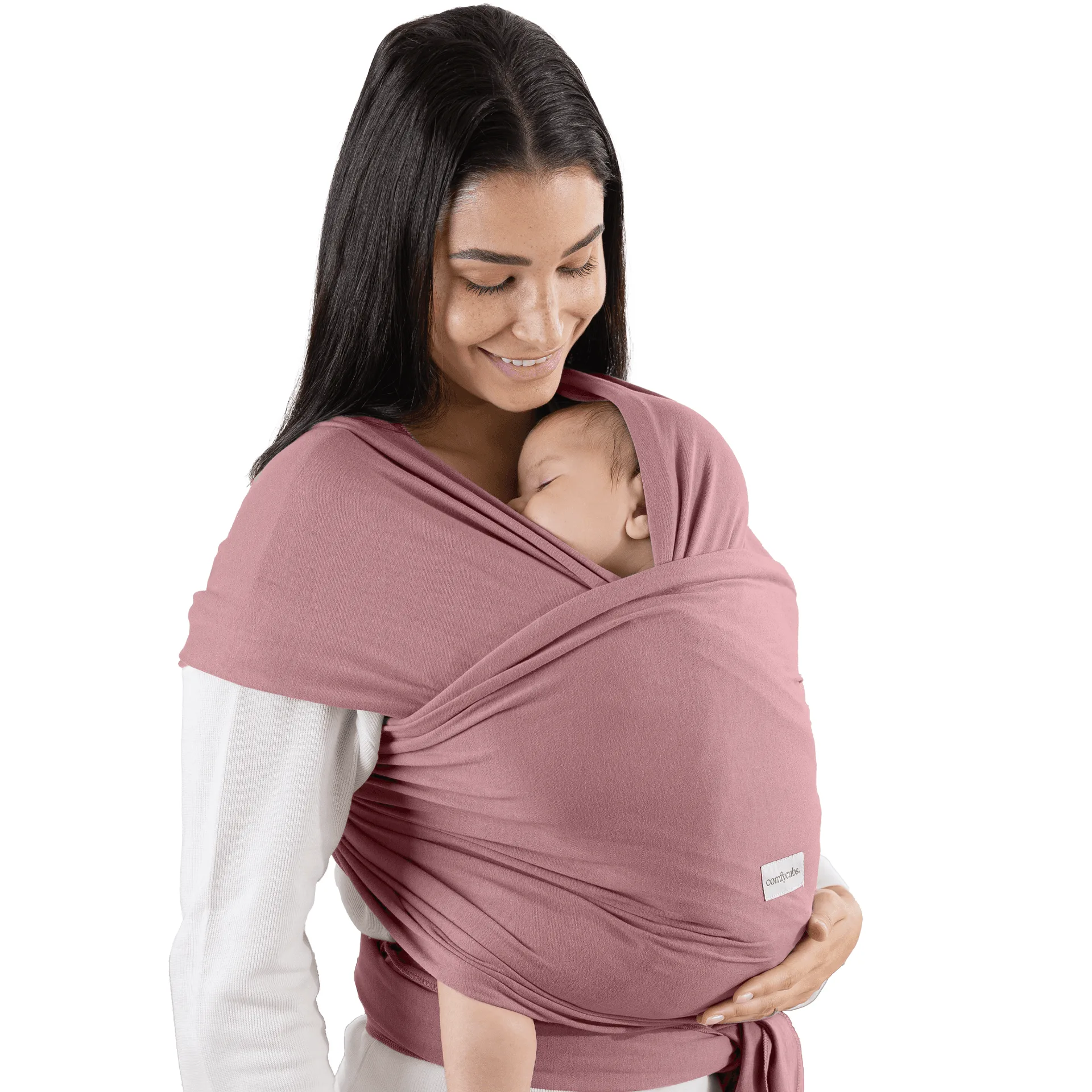
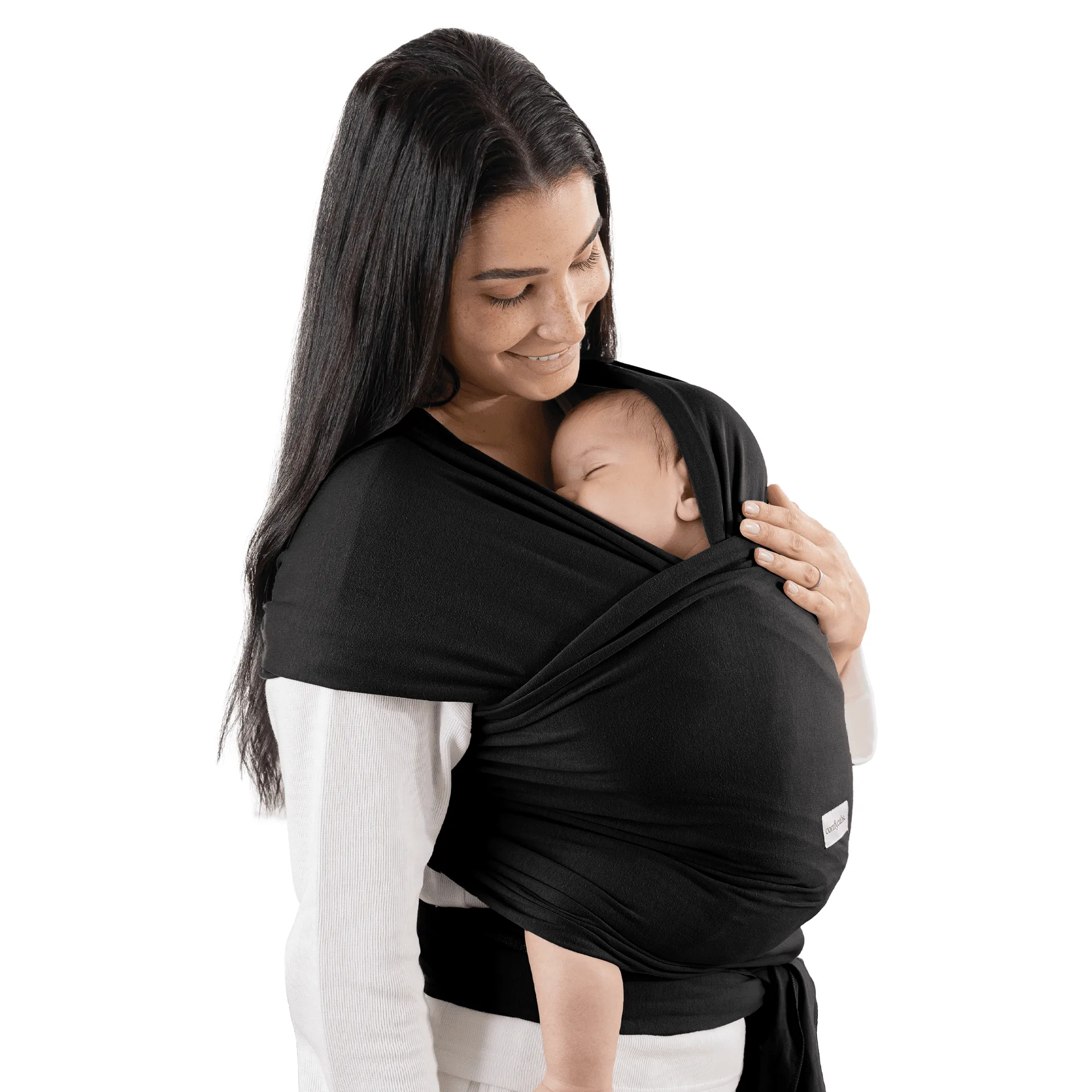
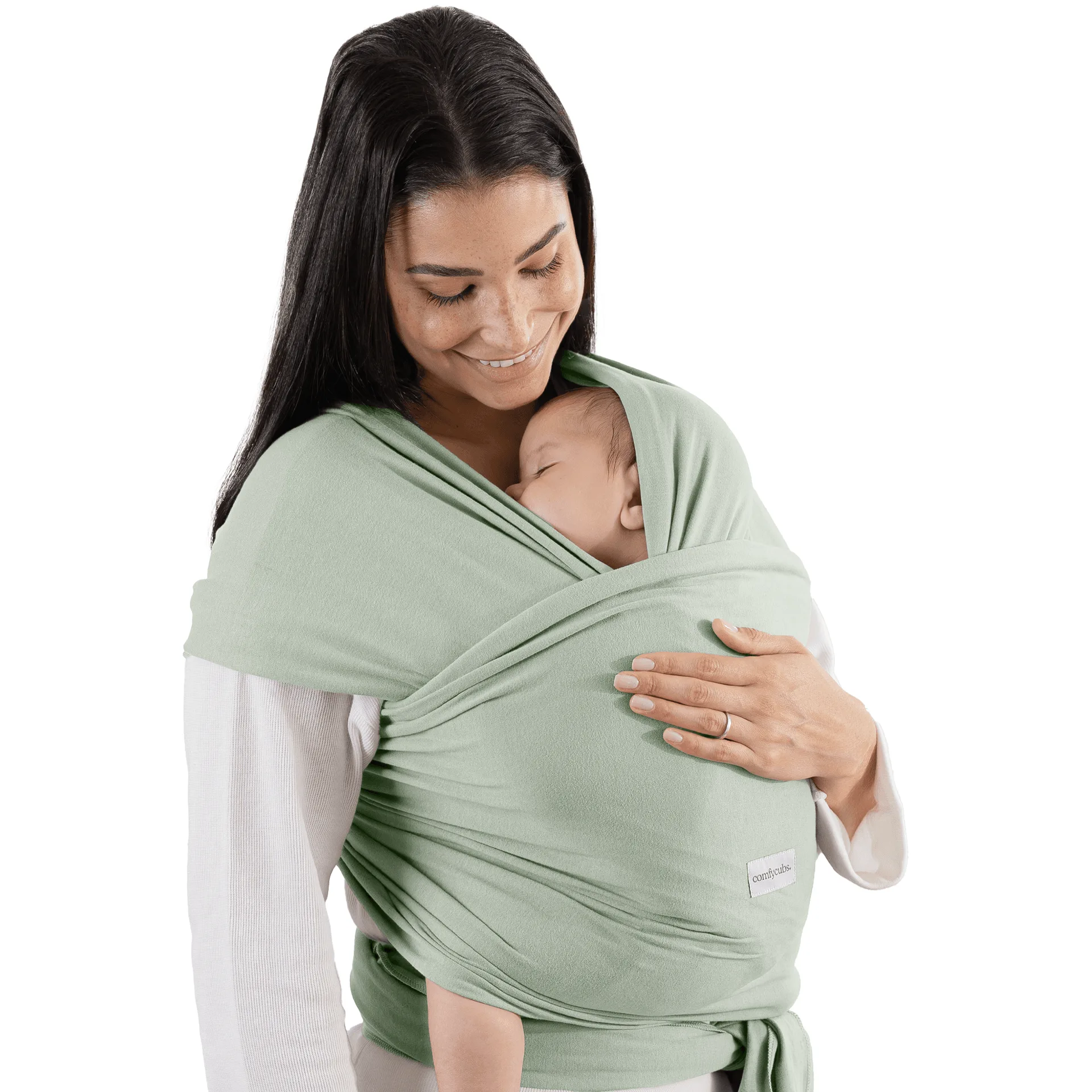
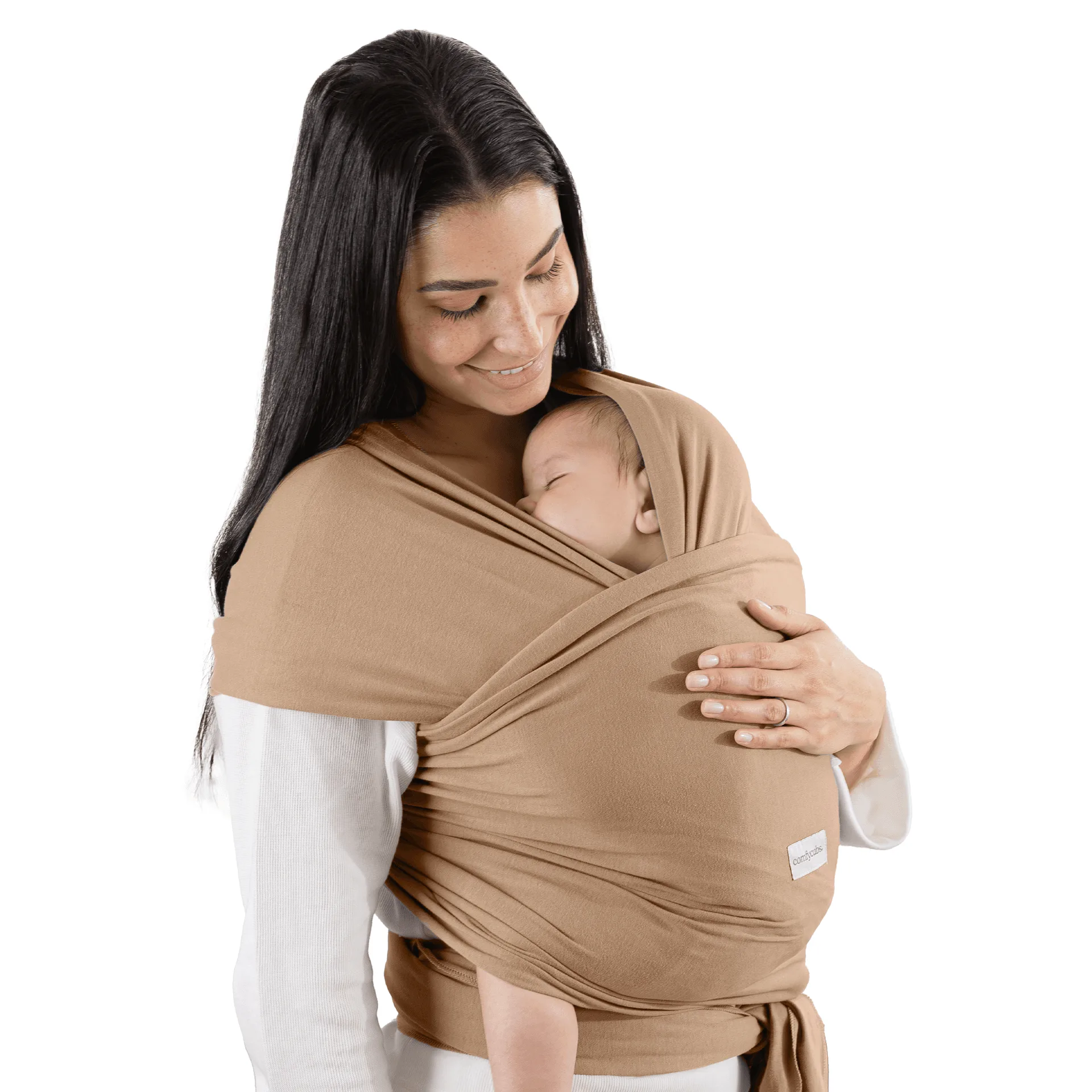
- Baby Wrap Carrier in Cedar: The Comfy Cubs Baby Wrap Carrier is made from a soft and breathable cotton-spandex blend and is designed to fit all baby body types. If you are babywearing while moving through gated areas, a secure wrap keeps your hands free and your baby close, so you are not juggling a carrier and a gate latch at the same time.
- Baby Muslin Blanket in Mauve: The Comfy Cubs Baby Muslin Blanket in Mauve is made with high-quality muslin cotton and offers a larger, more versatile size for superior softness. A larger muslin blanket works as a floor mat or a light cover during supervised play near a gate, so you have a clean, soft spot without moving the gate or blocking the doorway.
Is a baby safety gate right for you?
Best for
- Parents of crawling or walking children who have stairs or off-limits rooms
- Renters who need a removable barrier at a doorway or bottom of stairs
- Caregivers who want a physical boundary while cooking or doing chores
Not for
- Homes with no stairs or hazards behind a door, where childproofing the room is enough
- Children who can climb over or open the gate, who need a different safety approach
- Outdoor pools or driveways, which require a fence or barrier that meets local safety codes