Quick answer
Usually, no. A wearable breast pump like the DiscreetDuo is designed to sit inside your bra and create its own seal, so a traditional pumping bra isn't required. What matters more is wearing a snug, stretchy bra that holds the pump flat against your breast; a loose or padded bra can break the seal and cut suction. If your current bra lets the pump shift or feel heavy, switch to a simple, well-fitting style rather than buying a dedicated pumping bra.
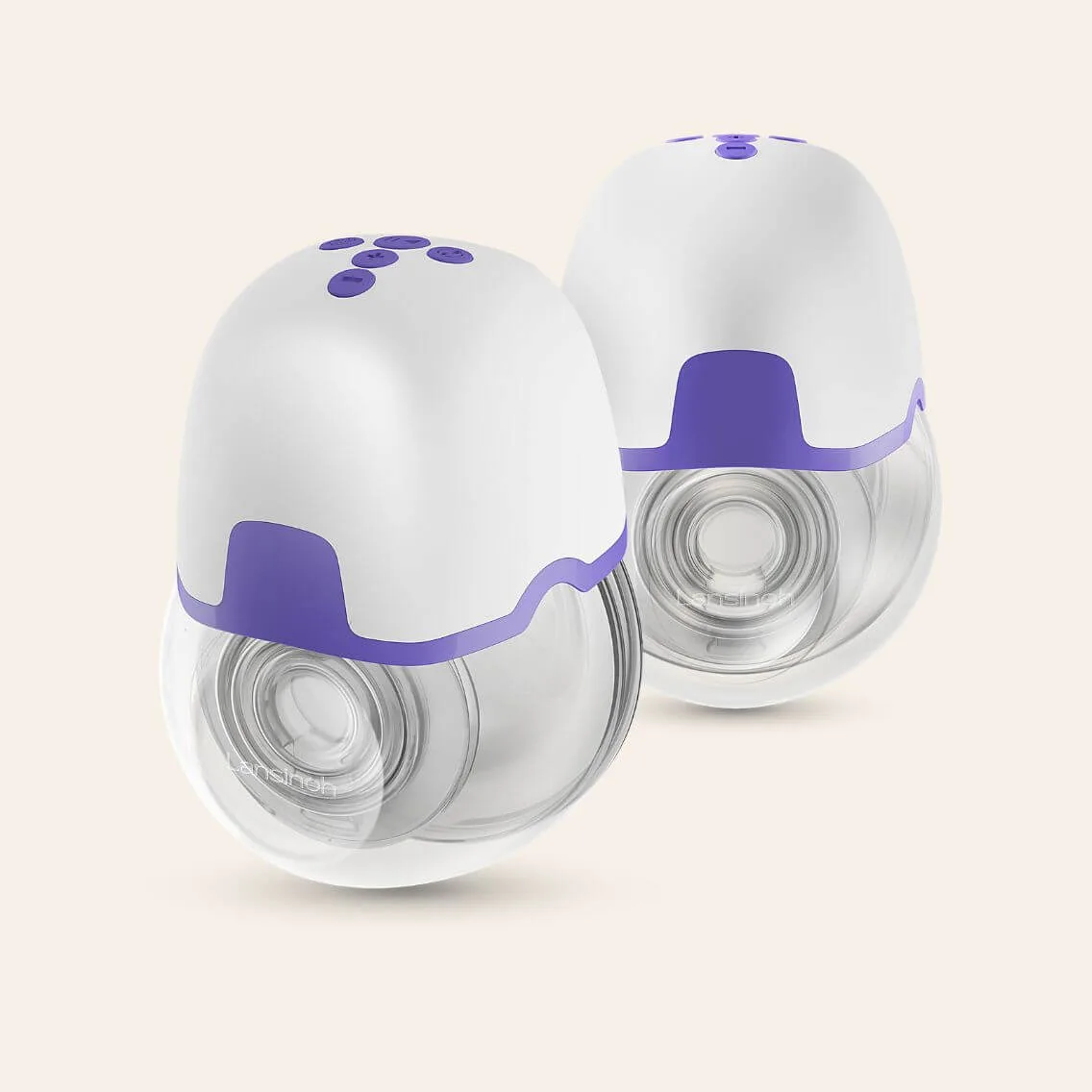
wearable breast pump
Why a wearable pump changes the bra question
A standard pump needs a bra with openings to hold flanges in place because the bottles hang outside the bra. A wearable pump flips that: the motor and collection cup sit inside the bra, so the bra's job is to press the pump evenly against your breast and keep it from sliding. That's why many parents find a seamless, lightly compressive bra works better than a bulky pumping bra. The tradeoff is that a bra with thick padding, molded cups, or a loose band can tilt the pump and cause air leaks. If you already own a supportive nursing bra or a stretchy sports bra, test it before buying anything new.
How to set up a hands free pumping session step by step
Use this sequence to check your bra and pump fit before you settle into a routine. Each step includes a checkpoint so you can catch problems early.
Clothing and flange details that quietly affect suction
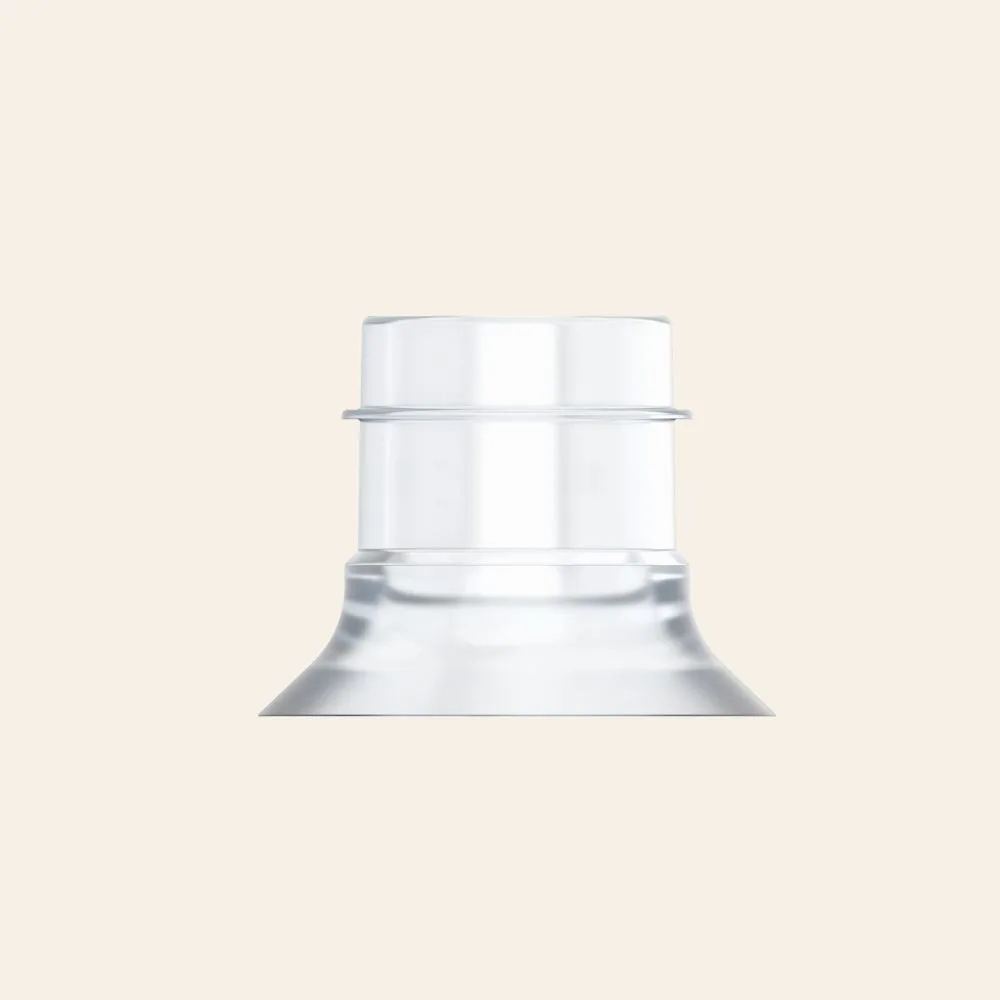
Flange size matters as much as the bra. The DiscreetDuo Wearable Pump - Flange Inserts come in 17mm, 19mm, and 21mm and are sold as a single insert, so you can replace one or keep a backup without buying a whole set. A flange that's too large pulls in areola and reduces suction; too small can pinch. If your nipple looks compressed or you see milk pooling at the base, try the next size. On clothing, high-compression sports bras can flatten the pump opening and block airflow, while very loose tops let the pump sag. A fitted tee over a snug bra is usually the easiest combination.
Your step-by-step bra check for a wearable pump
- Start with a snug, unpadded bra: Put on a seamless nursing bra or a light-support sports bra with no molded cups. The fabric should press the pump flat without digging in. Checkpoint: the pump should not slide when you raise your arms.
- Center the pump over your nipple: Place the pump opening directly over your nipple, then smooth the bra over it so the cup sits flat against your breast. Common mistake: letting the pump sit too low or too high, which tilts the seal and drops suction.
- Adjust the band, not the straps: Tighten the bra band a notch if the pump feels loose. Straps mainly support the breast; the band is what holds the pump in place. Checkpoint: you can fit one finger under the band, but not two.
- Turn on the pump and watch for movement: Start on a low suction setting and see if the pump stays put. If it shifts or you hear air leaking, reseat the pump and recheck the bra. If it still moves, try a smaller flange insert before changing bras.
- Test the setup during a real session: Wear the bra and pump for a full session while sitting, standing, and walking a few steps. Note any pinching or slipping. A bra that passes this test is your hands free pumping setup; one that fails is the one to replace.
Parts that support a reliable bra-and-pump fit
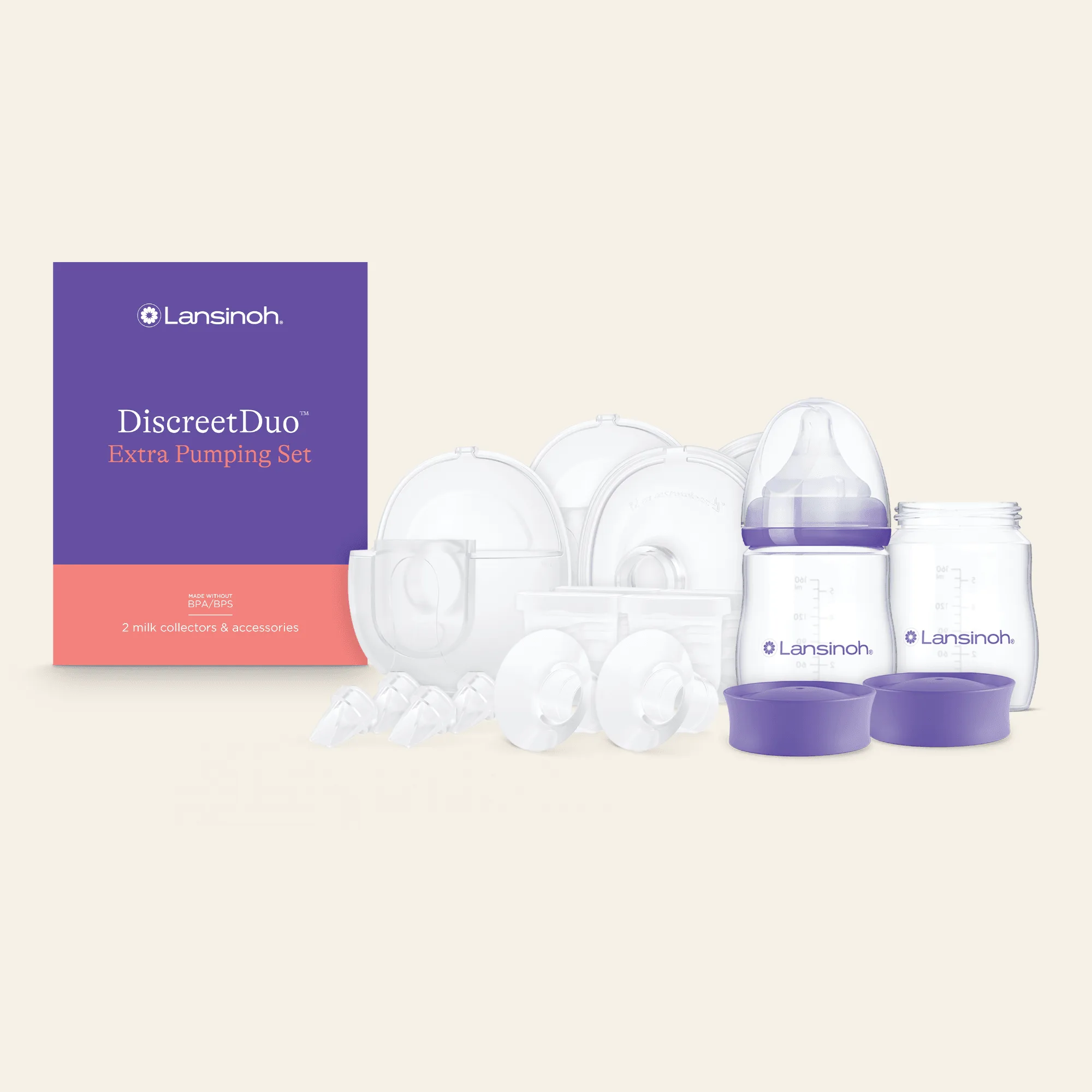
- DiscreetDuo Extra Pumping Set: The DiscreetDuo Extra Pumping Set is designed as a backup set for the Lansinoh DiscreetDuo hands-free breast pump and includes the parts needed to keep the pump running. A spare set means you can wash one set while using the other, so a bra or flange issue doesn't stall your pumping schedule.
- DiscreetDuo Wearable Pump - Flange Inserts (1 count only): DiscreetDuo Wearable Pump flange inserts are sold as a single insert and come in 17mm, 19mm, and 21mm sizes. If your bra holds the pump well but suction still feels weak, the flange size is the next thing to check before changing bras.