Quick Answer
If you hunt in open country where distances exceed 200 metres, or you shoot long range at steel or paper, a laser rangefinder removes the guesswork that causes missed or unethical shots. If you hunt thick timber where every shot is inside 100 metres, you can shoot accurately without one. A rangefinder is a decision tool, not a status symbol.
When a Rangefinder Earns Its Place in Your Kit
The moment you cannot pace out a distance reliably, a rangefinder starts to pay for itself. That happens in broken terrain, across valleys, or when an animal appears at the edge of a clearing and you have seconds to decide. Knowing the true distance lets you dial elevation or hold over with confidence instead of guessing. It also helps you decide not to shoot when the range is beyond your practised limit.
When You Can Skip It
In dense bush or on driven hunts where shots are close and quick, a rangefinder adds a step you may not have time for. If your maximum ethical range is short and you know the ground intimately, you can rely on known landmarks and your scope's reticle. The trade-off is that you lose a second opinion when an animal steps out farther than expected.
Rangefinder vs Scope Reticle: Which Comes First?
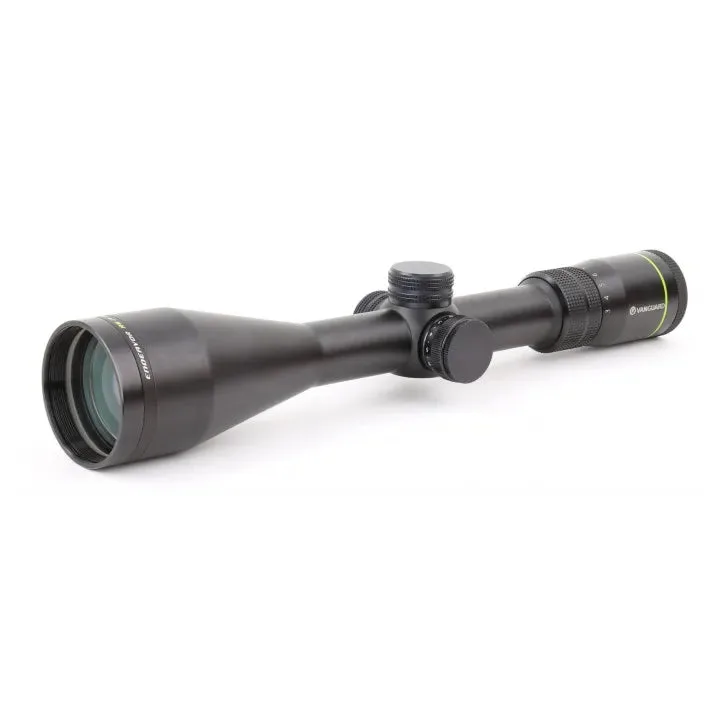
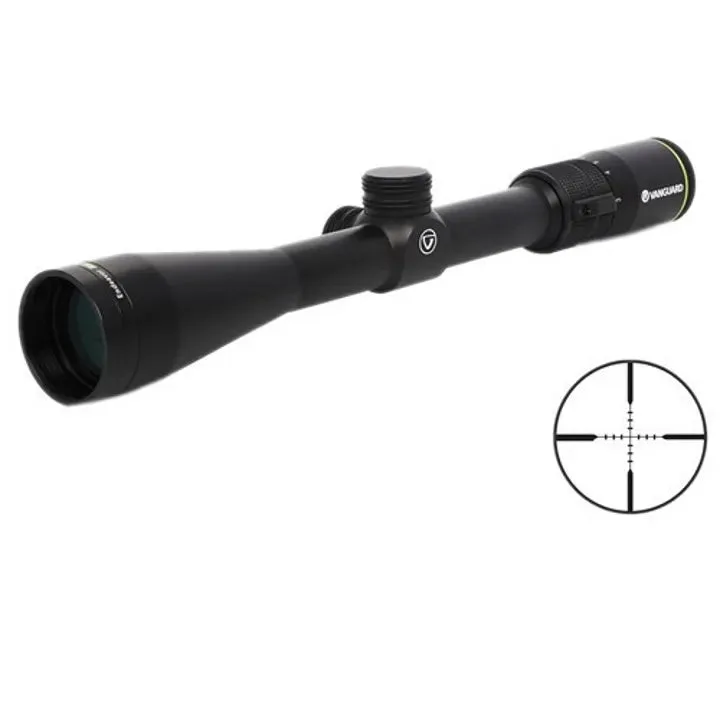
A scope with a graduated or illuminated reticle can estimate range using known target size, but that method depends on steady hands and a clear view of the animal. A laser rangefinder gives a number in less than a second and works in low light when reticle subtensions are hard to read. Many hunters use both: the rangefinder for a precise distance, the reticle for holdover. If you are building a rifle setup, a scope like the Vanguard Endeavor RS IV 4-16X50 Dispatch 600 Riflescope offers an illuminated reticle and a four-times zoom factor, which supports holdover shooting once you know the range. That does not replace a rangefinder, but it makes the pair work together.
What Hunting Rangefinder Accuracy Really Means
Manufacturers often quote a maximum range, but that figure is measured on a reflective target, not a deer. Real-world performance depends on the size of the laser beam, the reflectivity of the animal's coat, and light conditions. A unit that reads 1,000 metres on a road sign may only read 400 metres on a deer at dusk. Look for a model with a stated accuracy of plus or minus one metre or better, and check whether it offers a scan mode for moving animals. Do not assume a higher maximum range equals better close-range precision.
Laser Rangefinder Buying Advice: Features That Matter
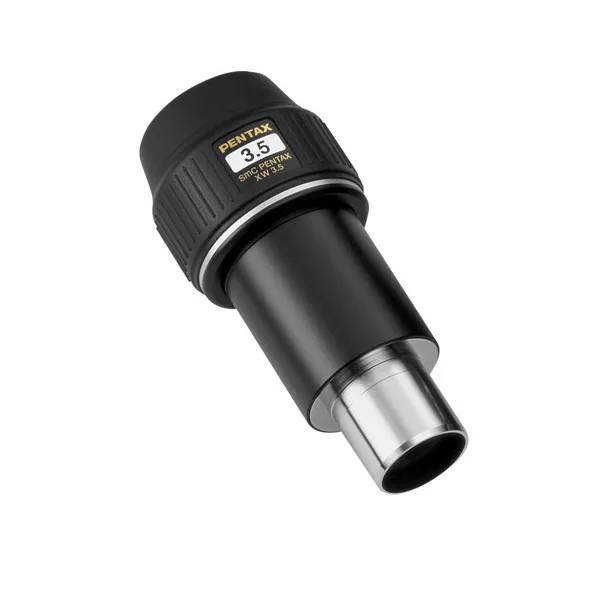
Start with the distance you actually shoot, then add a buffer. If your longest shot is 300 metres, a 600-metre unit is plenty; if you shoot across canyons, you may want 1,000 metres or more. Angle compensation is valuable in hilly country because it calculates the true horizontal distance to the target. Optical quality matters too, because you will use the rangefinder to spot and judge animals. A brighter, clearer view helps you identify your target and range it faster. If you already carry a spotting scope, a dedicated eyepiece can improve your ability to judge animals before you range them; the Pentax SMC XW 3.5mm Eyepiece for Spotting Scope offers a 70-degree apparent field of view and 20mm eye relief, which makes long glassing sessions more comfortable. That is a separate tool from a rangefinder, but it supports the same goal of making a confident decision.
Rangefinder Decision Checklist
Do I need a rangefinder for close-range hunting?
If your shots are consistently inside 100 metres and you know the terrain, you can hunt effectively without one. A rangefinder adds time you may not have in thick cover. Skip it only if you never take longer shots.
Can a scope reticle replace a rangefinder?
A graduated reticle can estimate range using target size, but it requires a steady position and good light. A laser rangefinder gives a precise number faster and in worse conditions. Use both when you can.
What accuracy should I look for?
Look for plus or minus one metre or better on a non-reflective target. Maximum range claims are usually measured on reflective targets, so treat them as a ceiling, not a promise. Buy for the distance you actually shoot, plus a buffer.
Is angle compensation worth it?
Yes if you hunt steep terrain. It calculates the horizontal distance to the target, which is what matters for bullet drop. On flat ground it changes little. Match features to your terrain.
Products That Support Ranged Shooting
- Vanguard Endeavor RS IV 3-12x56 German 4 Illuminated Reticle Riflescope: Vanguard Endeavor RS IV 3-12x56 German 4 Illuminated Reticle Riflescope has a one-piece aircraft-grade aluminum body, four-times zoom factor, and illuminated reticle. A rugged, illuminated scope helps you see the reticle in low light and hold over once you have a distance from your rangefinder.
- Vanguard Endeavor RS IV 4-16X50 Dispatch 600 Riflescope: Vanguard Endeavor RS IV 4-16X50 Dispatch 600 Riflescope offers a four-times zoom factor, illuminated reticle, and precise windage and elevation adjustment with zero reset. The higher magnification and zero-reset turrets suit long-range practice where you dial elevation after ranging a target.
- Pentax SMC XW 3.5mm Eyepiece for Spotting Scope: Pentax SMC XW 3.5mm Eyepiece for Spotting Scope provides a 70-degree apparent field of view, 20mm eye relief, and weatherproof construction. A wide, comfortable view helps you find and judge animals at distance before you raise a rangefinder.