Quick answer
If you use drops more than four to six times a day, wear contacts, have moderate to severe dry eye, or your eyes sting and redden shortly after instilling preserved drops, preservative-free eye drops are the better choice. If you use drops only occasionally and they feel comfortable, a preserved drop can be fine. The deciding factor is usually frequency of use and whether your eyes react to preservatives, not the brand.
Why preservatives become a problem with frequent use
Preservatives such as benzalkonium chloride (BAK) are added to multi-dose bottles to stop bacteria growing once the bottle is opened. That protection is useful, but the preservative stays on the eye surface after the drop absorbs. With occasional use, the exposure is small. With frequent use, the same preservative is applied many times a day, and it can irritate the surface, disrupt the tear film, and make dryness feel worse rather than better.
This is why preservative-free drops are usually packaged as single-use vials or in a preservative-free multi-dose system. You get the hydration without repeated preservative exposure, which matters most for people treating dry eye several times daily.
Signs your eyes may be sensitive to preservatives
Preservative sensitivity is not always obvious. It can look like dry eye that never quite improves, or a drop that feels soothing for a minute and then leaves the eye stinging, gritty, or bloodshot. Some people notice symptoms build through the day as they add more drops.
A practical test: note how your eyes feel 10 to 15 minutes after each dose. If the discomfort consistently follows the drop rather than the dry eye itself, preservative exposure is worth discussing with your eye care professional. Do not stop a prescribed medicated drop on your own; ask about preservative-free versions instead.
How preservative-free drops are packaged, and what that costs you
Single-use vials are sterile until opened and contain no preservative, but each vial is meant for one use and then discarded. That makes them hygienic and ideal for frequent dosing, yet the per-dose cost is higher and there is more packaging waste. Preservative-free multi-dose bottles exist too, but they rely on special dispensing systems and still need careful handling.
Check whether a product states it is preservative-free on the label rather than assuming. Some formulas are marketed as gentle but still contain a preservative. If the label does not say preservative-free, treat it as preserved.
Choosing between a preserved and preservative-free drop
Start with how often you dose. Once or twice a day for mild comfort is a different situation from six times a day for diagnosed dry eye. Next, consider contacts: some preserved drops are not suitable while lenses are in, while preservative-free drops are generally the safer pairing. Finally, consider whether you have had eye surgery or a diagnosed ocular surface condition, since those often call for preservative-free formulas.
If you are unsure, buy a small preservative-free option first and use it for a week, tracking comfort and dose frequency. That real-world trial tells you more than any general rule.
Preservative-free eye drops FAQ
Are preservative-free drops better for dry eye?
They are better when you dose frequently, wear contacts, or react to preserved drops. For occasional use with no irritation, a preserved drop can work just as well. Match the drop to your dose frequency, not to the label alone.
Can I use preservative-free drops as often as I want?
Single-use vials remove preservative exposure, but that does not mean unlimited dosing. Follow the label and your eye care professional's guidance, especially if symptoms persist. Frequent use is safer without preservatives, not automatically unlimited.
Do preservative-free drops expire faster?
Single-use vials are meant to be used once and discarded after opening, so plan your supply around your daily dosing rather than treating them like a multi-dose bottle. Buy enough vials to cover your actual daily routine.
What if preservative-free drops still sting?
Stop and check with an eye care professional. Stinging can come from the formula, an underlying condition, or a mismatch with your tear film, not only from preservatives. Persistent stinging is a reason to get evaluated, not to keep switching drops.
Preservative-free options in the catalog
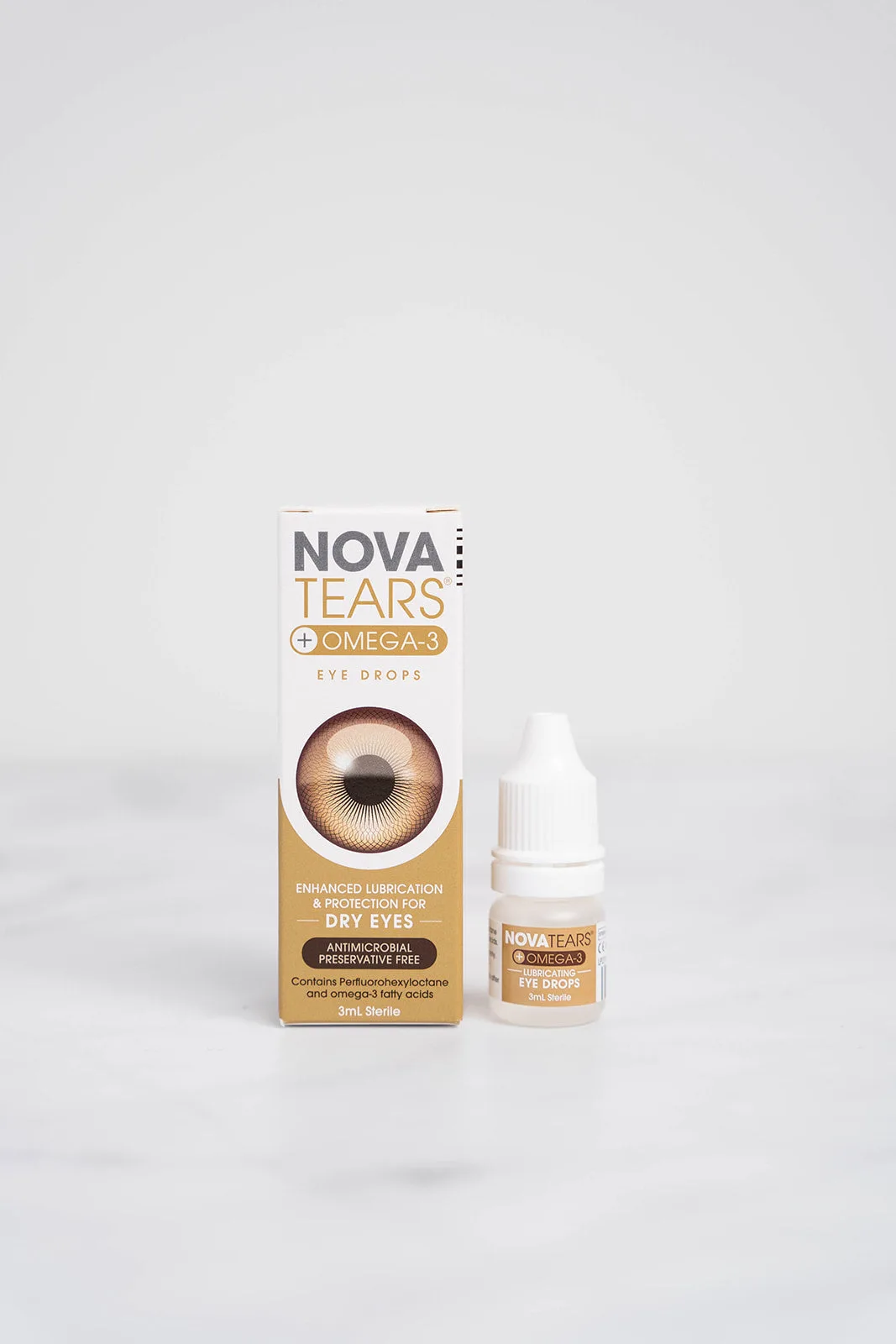
- NovaTears+ Omega-3 Eye Drops 3ml: NovaTears+ Omega-3 Eye Drops 3ml are a preservative-free solution built around a high-quality omega-3 fatty acid formula to help support tear film stability and maintain surface hydration for everyday eye care. A good fit if you want preservative-free dosing plus an omega-3 formula aimed at tear film support rather than only temporary wetting.
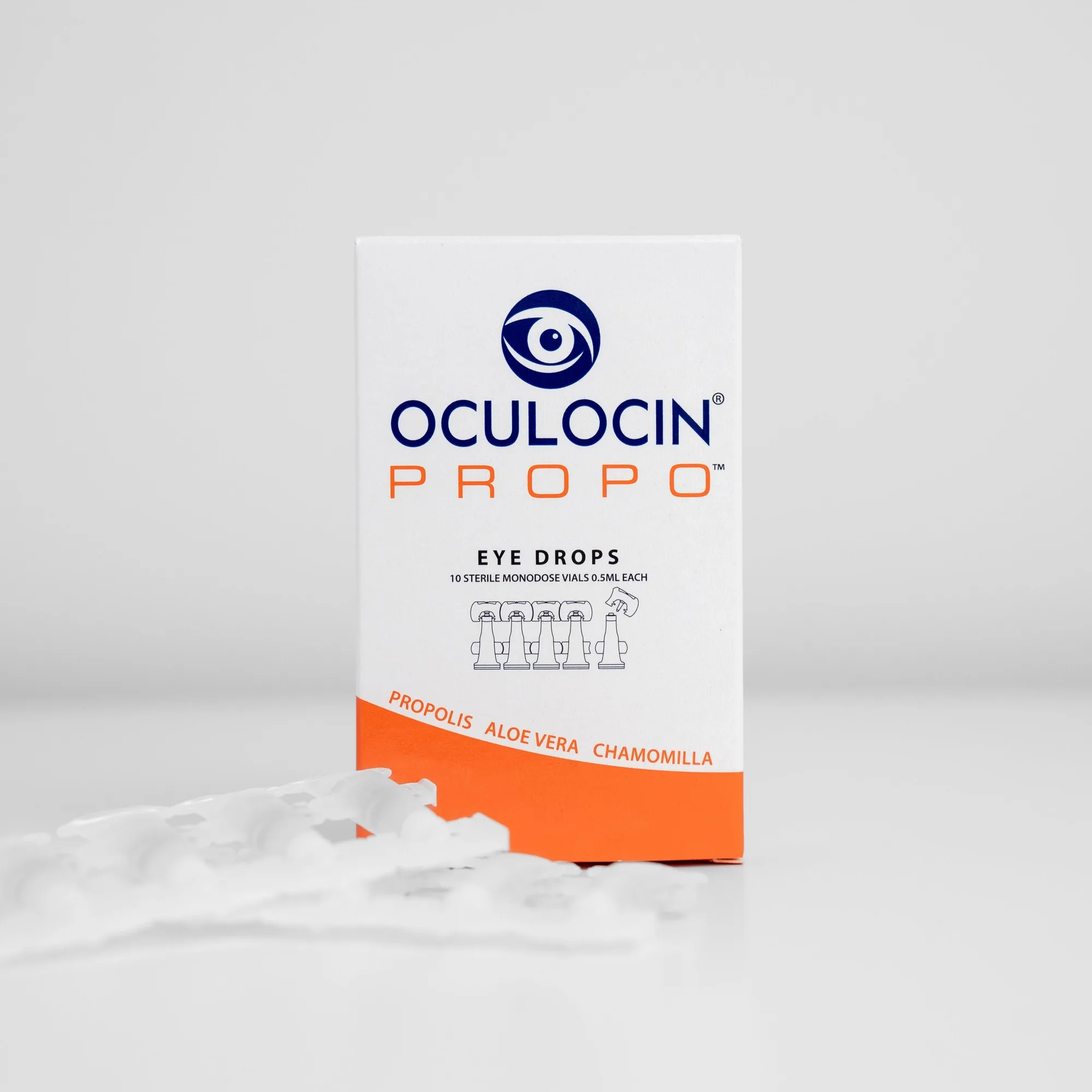
- Oculocin Propo Eye Drops Vials: Oculocin Propo Eye Drops Vials are preservative-free, pH-neutral, and phosphate-free, with glycerin and plant-derived ingredients including aloe vera, chamomile, and propolis, in sterile single-use vials. The single-use vial format suits frequent daily dosing, and the phosphate-free, pH-neutral composition is a reasonable starting point if you suspect your eyes react to common drop ingredients.