Quick answer
No, a balanced diet does not automatically require supplements, and it does not automatically rule them out either. Most people can meet their needs with food, but a balanced diet on paper and a balanced diet in practice are different things. If your meals are varied, consistent, and built around whole foods, you likely do not need a multivitamin. If you have a known gap, a restricted eating pattern, or a life stage with higher demands, targeted supplementation can make sense.
What counts as a balanced diet in practice
A balanced diet is not a single menu. It is a pattern that regularly includes vegetables, fruits, whole grains, protein sources, and fats in proportions that cover your energy and nutrient needs. The practical test is repetition, not perfection. If you eat a wide variety of these foods most days, your body is likely getting the vitamins and minerals it needs from food. If your version of balanced is the same five meals on rotation, the variety is narrower than the label suggests.
Where nutrient gaps actually show up
Gaps tend to cluster around specific situations rather than general eating habits. People who avoid entire food groups, eat less as they age, train heavily, follow a vegan or dairy-free pattern, or take medications that affect absorption are more likely to fall short on certain nutrients. Vitamin B12, vitamin D, omega-3 fats, iron, calcium, and fiber are common shortfalls in these groups. A gap is not the same as a deficiency, which is a clinical diagnosis. It is simply a nutrient your current pattern does not reliably deliver.
How to decide whether to supplement
Start by writing down what you actually eat for a week, not what you intend to eat. Then compare that list against the nutrients you know you need more of based on your age, medications, and eating pattern. If one or two nutrients keep coming up short, a targeted supplement is a reasonable fix. If the list looks broad and varied, adding a general supplement is more likely to be unnecessary than helpful. When in doubt, ask a clinician who can look at your full picture, including bloodwork.
What to look for in a supplement if you do need one
Match the supplement to the gap, not to the marketing. A product that delivers a specific nutrient at a meaningful dose is more useful than a broad blend that spreads tiny amounts across dozens of ingredients. Check the label for the form of the nutrient, the amount per serving, and whether the product fits your dietary restrictions. If you avoid gluten, dairy, or animal products, that filter should come first, before price or brand.
When to take supplements for best results
Timing matters less than consistency for most nutrients, but a few rules help. Fat-soluble vitamins and omega-3 fats absorb better with a meal that contains some fat. B vitamins and vitamin C are fine any time of day, though some people find them easier on the stomach with food. If you take multiple supplements, spreading them across meals can reduce competition for absorption. The most important habit is taking them regularly rather than perfectly.
Quick answers to common questions
Do I need vitamins if I eat a balanced diet?
Not automatically. A varied diet covers most nutrient needs. The exceptions are specific gaps tied to your eating pattern, life stage, or medications. If you eat a wide range of foods consistently, a general multivitamin is unlikely to add much. Track your actual intake for a week before deciding.
Can supplements replace whole foods?
No. Supplements fill specific gaps; they do not replicate the fiber, protein, healthy fats, and beneficial compounds in whole foods. A supplement is an addition to a diet, not a substitute for one. Use supplements to close a gap, not to justify a poor diet.
When should I take supplements?
Take fat-soluble vitamins and omega-3s with a meal containing fat. Take B vitamins and vitamin C with food if they upset your stomach. Spread multiple supplements across meals when possible. Consistency matters more than perfect timing.
How do I know if I have a nutrient gap?
Look for patterns: restricted eating, low intake of a food group, or a life stage with higher needs. Symptoms like fatigue are vague and can have many causes. Bloodwork ordered by a clinician is the only reliable way to confirm a deficiency. Do not guess based on symptoms alone.
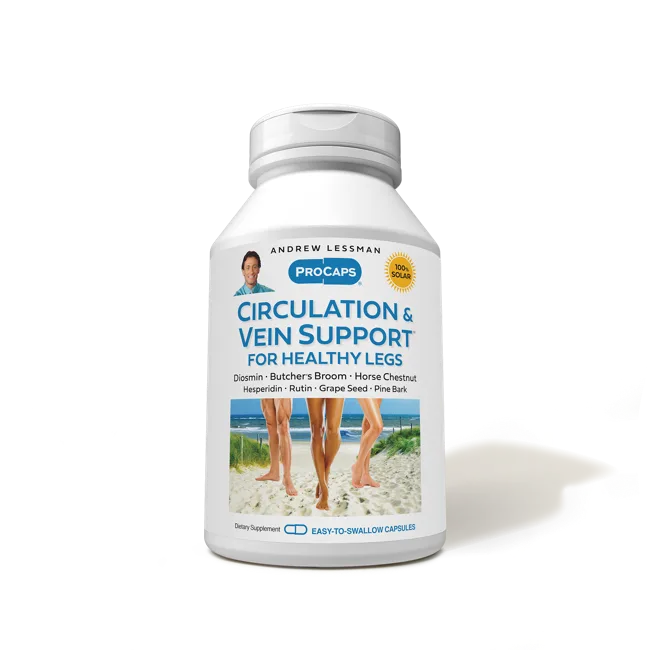
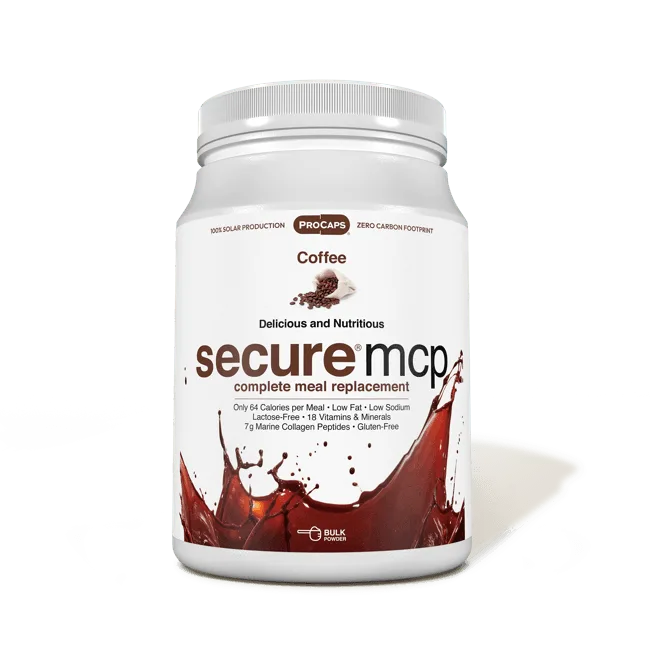
https://procapslabspou.com/products/301654-453538https://procapslabspou.com/products/301606-453539https://procapslabspou.com/products/301367-453540https://procapslabspou.com/products/302253-453541ProCaps Laboratories products that address common gaps
- ProCaps Laboratories: Essential Omega-3 is a high-potency omega-3 blend with more than 800 mg total omega-3 fatty acids per serving, including 400 mg DHA and 280 mg EPA, from fish oil. Useful if your diet is low in fatty fish and you want a concentrated omega-3 source rather than a general blend.
- ProCaps Laboratories: Each bar provides 180 calories, 10 grams of protein, 5 grams of inulin fiber, and 50% to 200% of the RDI of 11 vitamins, and is gluten-free, dairy-free, non-GMO, and vegan. A practical option when meals are skipped or rushed and you want protein, fiber, and vitamins in one portable item.
- ProCaps Laboratories: Women's Wellness provides a balance of isoflavones similar to that found in a healthy Asian diet, along with vitamin D3, vitamin B12 as methylcobalamin, folate as L-5-methyltetrahydrofolate, and calcium. Targeted at women who want specific nutrients tied to life stage rather than a generic multivitamin.