Quick answer
No. Needlepoint does not require drawing ability, color theory, or any art training. On hand-painted needlepoint canvas, the design is already there, and your job is to cover the printed areas with thread. Beginners need patience and basic stitch mechanics, not talent.
The question comes up constantly in beginner groups: do you need to be artistic for needlepoint? It sounds reasonable, because needlepoint looks like painting with thread. But the skill being used is closer to following a pattern than making one.
That distinction matters, because the talent myth keeps people from starting. If you can thread a needle and count, you can learn needlepoint as an adult. Here is what the craft actually asks of you, and where the real difficulty sits.
The claim: you must be artistic to needlepoint
The myth says needlepoint is a creative art form, so creative people do it and non-artists struggle. That sounds logical until you look at what a hand-painted canvas actually gives you. The design, the colors, and the layout are already decided and printed on the canvas before it reaches you.
Your role is execution, not invention. You choose thread colors that match the painted areas, then stitch inside those boundaries. Nothing about that requires you to draw, mix paint, or imagine a composition from scratch.
- Hand-painted canvases come with the design and color placement already set.
- Stitching is a repeatable motion you improve with practice, not innate flair.
Verdict: false, with one honest caveat
You do not need to be artistic. What you do need is the ability to follow a painted guide, keep reasonably even tension, and accept that your first project will look like a first project. Those are learnable skills, and most people pick them up within a single small canvas.
The honest caveat is that some projects ask more of you than others. A large 13 mesh canvas with broad color fields is forgiving. A tiny 18 mesh design with fine detail demands sharper eyes and steadier counting. That is a difficulty difference, not a talent difference.
- Start with a small design and a mesh count you can see comfortably.
- Judge your progress by finished area, not by comparing yourself to experienced stitchers.
What needlepoint actually requires
The real beginner skills are unglamorous. You need to read the painted canvas, pick a thread that covers the mesh, and work stitches in a consistent direction. Tension control and thread management matter more than any artistic instinct, and both improve simply by stitching.
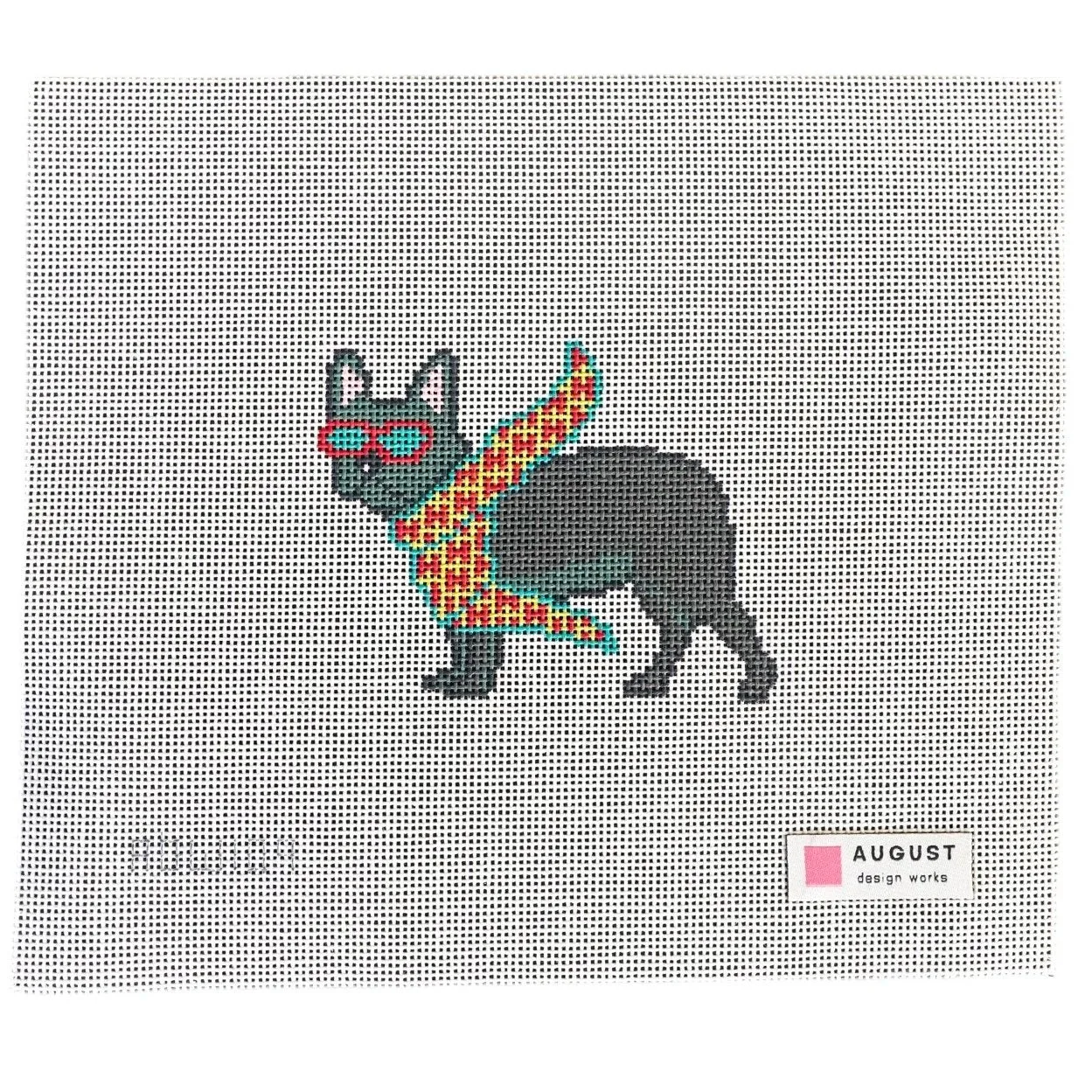
Color choice is the one place where taste enters, and even there the canvas guides you. On a design like the Bougie French Bulldog, the painted fur areas tell you where each shade belongs, and the catalog notes you can match threads to the fur color of your favorite dog. That is matching, not inventing.
- Learn one stitch well before collecting many.
- Let the painted canvas make the color decisions for your first few projects.
Where the myth comes from
Needlepoint sits in the same aisle as painting and embroidery, so people assume it inherits painting's barriers. It does not. The canvas is essentially a coloring book page that is already colored in, and you are filling the shapes with texture instead of ink.
There is also a visibility problem. Finished needlepoint looks impressive, so observers assume hidden expertise. What they are seeing is hours of simple repeated stitches, not a rare gift.
- Impressive finished pieces are usually the result of time, not talent.
- If you can follow a recipe, you can follow a painted canvas.
How to test the myth yourself in one evening
Pick a small canvas with clearly separated color areas, match thread to the painted sections, and stitch one square inch. If you can cover the printed area without leaving canvas bare, you have the core skill. Everything after that is refinement.
Keep the first session short and stop while it still feels easy. Confidence builds faster from a finished corner than from a half-finished large canvas.
- Choose a design with a few large color blocks for your test project.
- Photograph your first inch so you can see improvement later.
Myth verdicts, one by one
- You must be able to draw: Hand-painted canvases arrive with the design and color placement already printed on the mesh. Verdict: false. You trace the painted areas with thread.
- You need natural color sense: The painted canvas marks where each shade belongs, and catalog designs like the Bougie French Bulldog invite you to match thread to a real fur color. Verdict: false. Matching is a learnable habit, not a gift.
- Needlepoint is hard to learn: The core skills are tension, counting, and thread management, all of which improve with repetition on small projects. Verdict: partly true. It takes practice, not talent.
- Only artists finish projects: Finishing depends on choosing a canvas size and mesh you can see comfortably and stopping before fatigue sets in. Verdict: false. Project choice predicts completion better than artistic background.
Canvases that prove the point
- https://augustdesignwork.com/products/bougie-french-bulldog-wholesale-c069e31bcdcdea5e06370aaa-1481525Bougie French Bulldog - Needlepoint Canvas (Wholesale): 8 x 7 canvas size, 4 x 3 design size, 18 mesh, hand-painted, and does not come with thread. The small design area means less to cover, and the painted canvas shows exactly where each color goes, so a non-artist can match thread to fur tones and start stitching without designing anything.
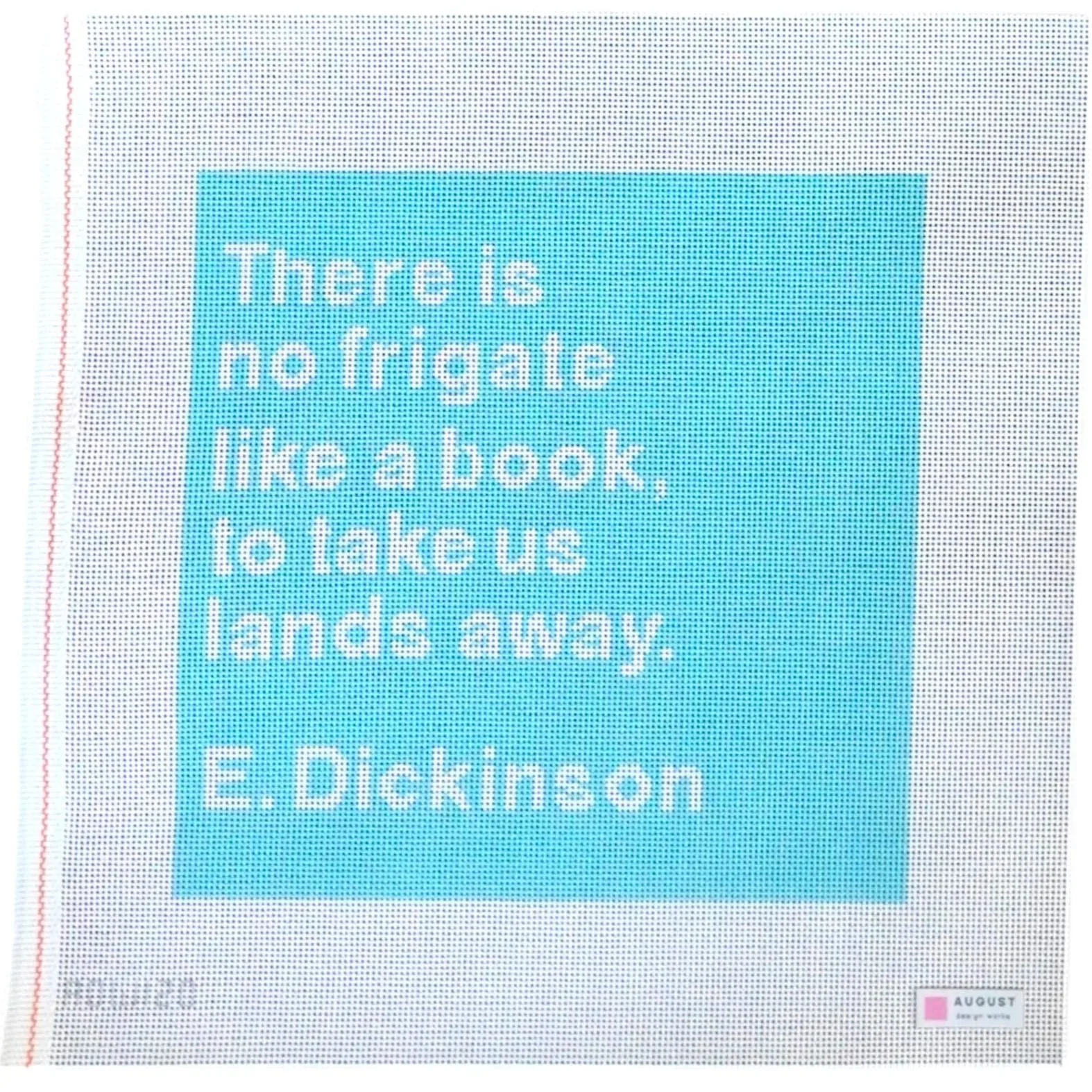
- No Frigate Like A Book - Library Series - Needlepoint Canvas: 14 x 14 canvas size, 10 x 10 design size, 13 mesh, hand-painted, and does not come with thread. The larger 13 mesh grid is easier to see and count, which suits beginners who want a roomier canvas and are happy to supply their own thread.
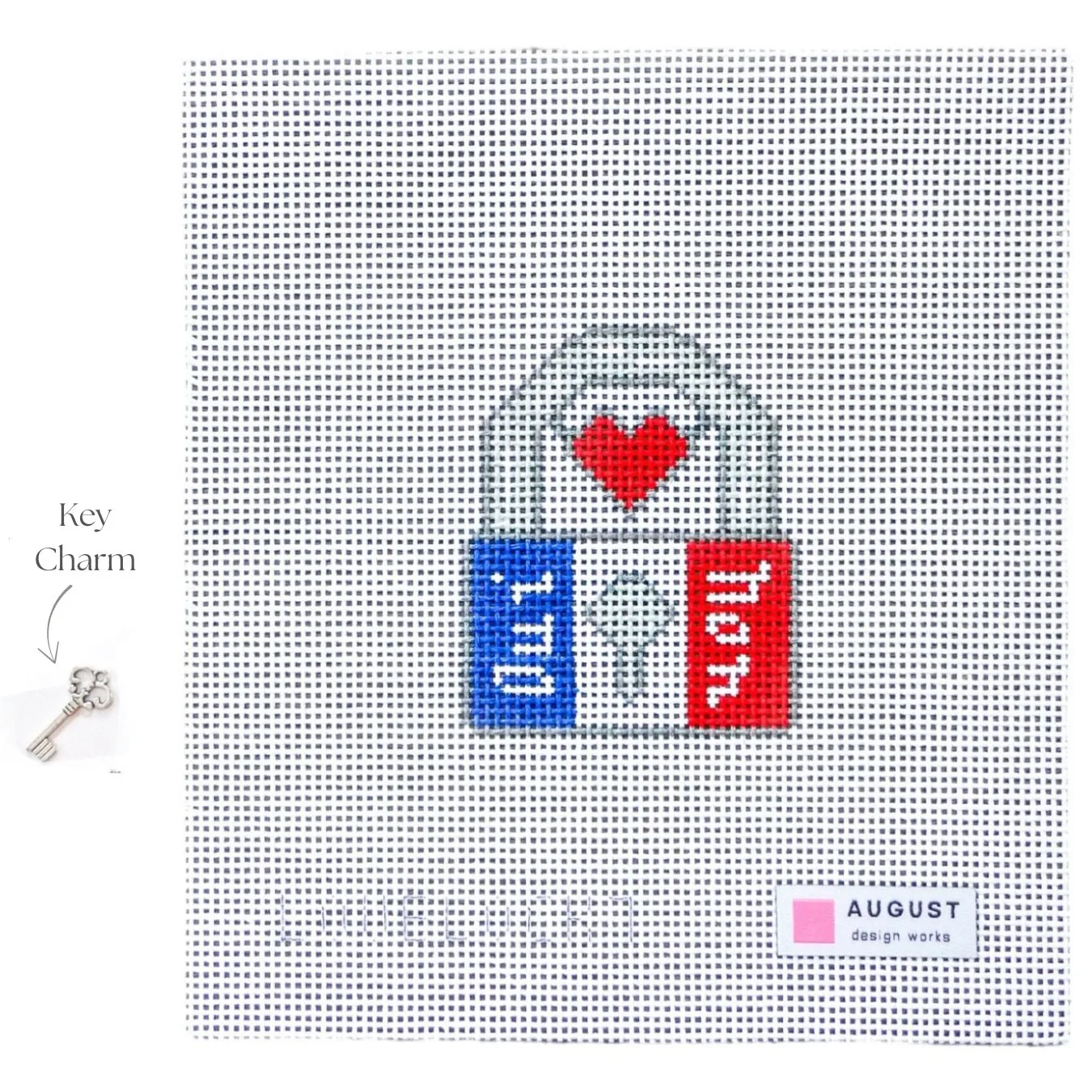
- Paris Love Lock - Needlepoint Canvas + Key Charm (Wholesale): Part of the Love Lock Series, inspired by Paris's Pont des Arts, and includes a key charm. A keepsake design with an included charm gives a first project a clear purpose, which helps beginners finish instead of stalling.
If you have been waiting to feel artistic before starting needlepoint, you can stop waiting. Pick a small hand-painted canvas, match your thread to the painted areas, and stitch one square inch tonight. The talent myth does not survive contact with a needle.