Quick answer
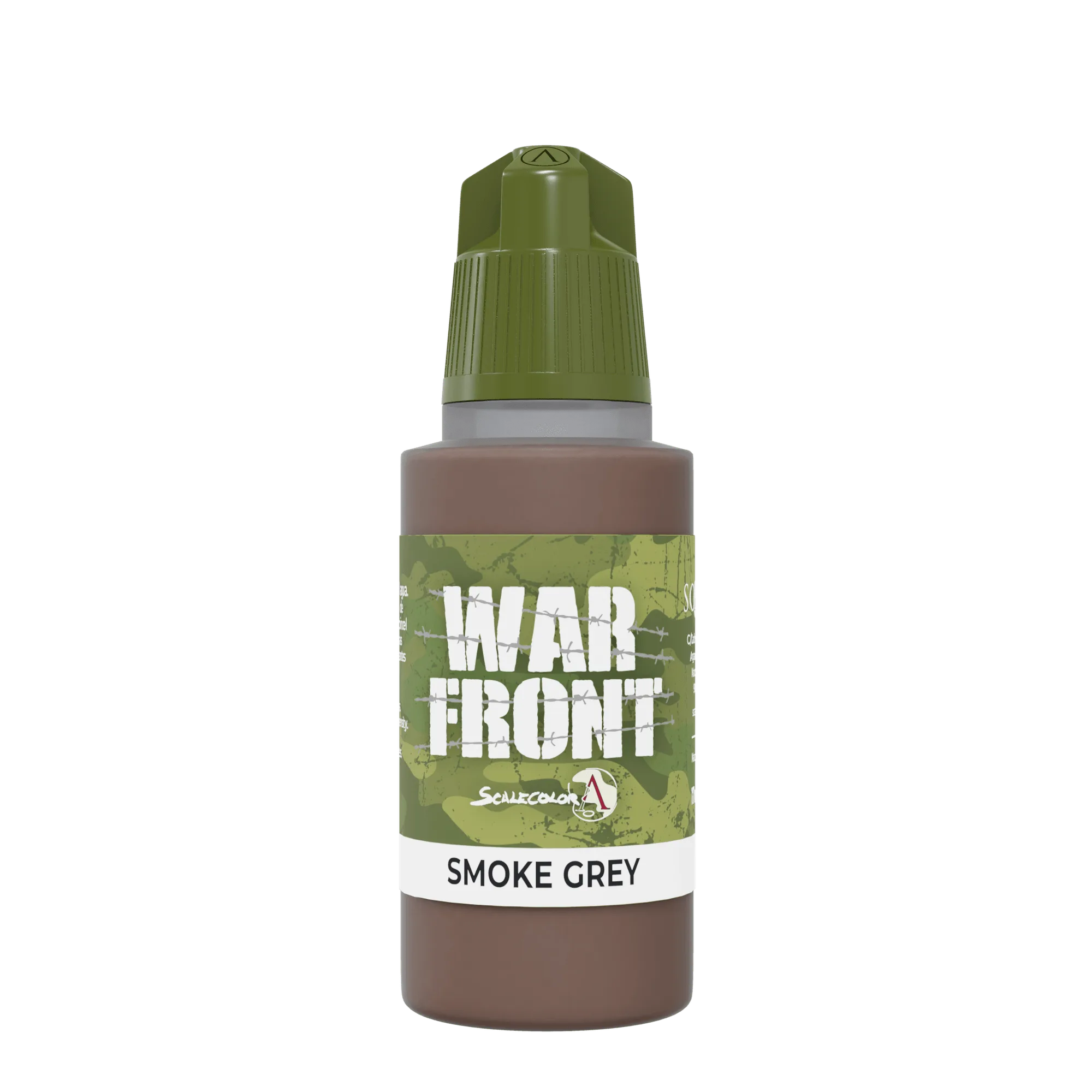
Yes, prime before applying Smoke Grey or Hubris Grey. A thin, even primer coat gives the paint something to grip, so the grey goes on smoother and stays put during handling and washes. Skip primer and you risk patchy coverage, rub-off on edges, and a basecoat that shifts tone depending on the bare material underneath.
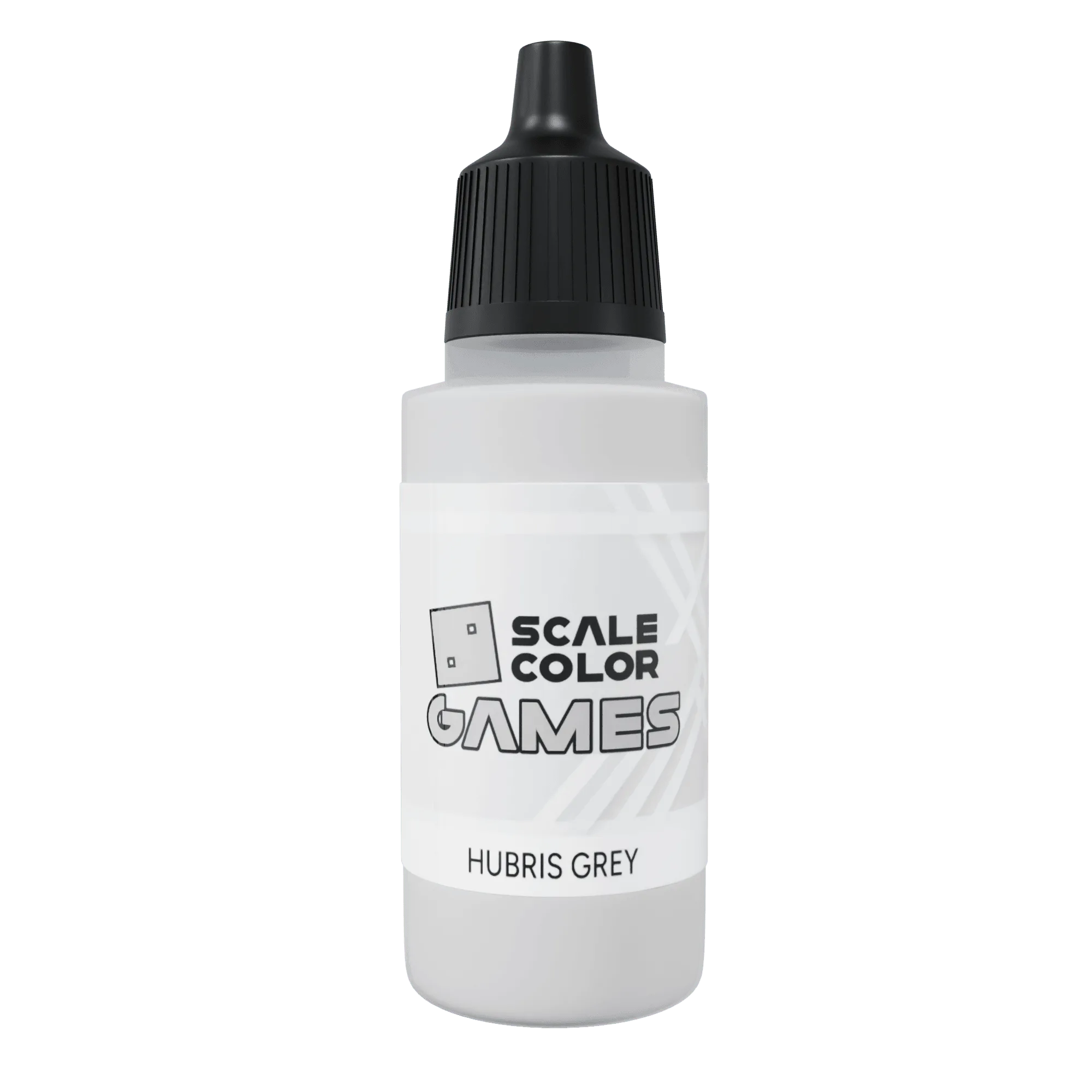
Hubris Grey
Grey is one of the most forgiving colors to paint, which is exactly why painters are tempted to skip primer and go straight to the model. That shortcut usually costs more time than it saves. Bare resin, metal, and plastic all behave differently with acrylic paint, and a grey layer over an inconsistent surface will show every inconsistency back to you.
This FAQ covers the practical questions that come up when you are about to load Smoke Grey or Hubris Grey: whether primer is truly necessary, which primer color suits which grey, and what changes if you are brushing instead of spraying. The answers assume you are working with acrylics and want a finish that survives handling, washes, and varnish.
Does Smoke Grey or Hubris Grey really need primer underneath?
Yes. Acrylic paint bonds best to a slightly textured, clean surface. Bare resin often carries mold release residue, bare metal is slick, and bare plastic can repel water-based paint in patches. A primer coat normalizes all three so the grey behaves the same way on every model in the batch.
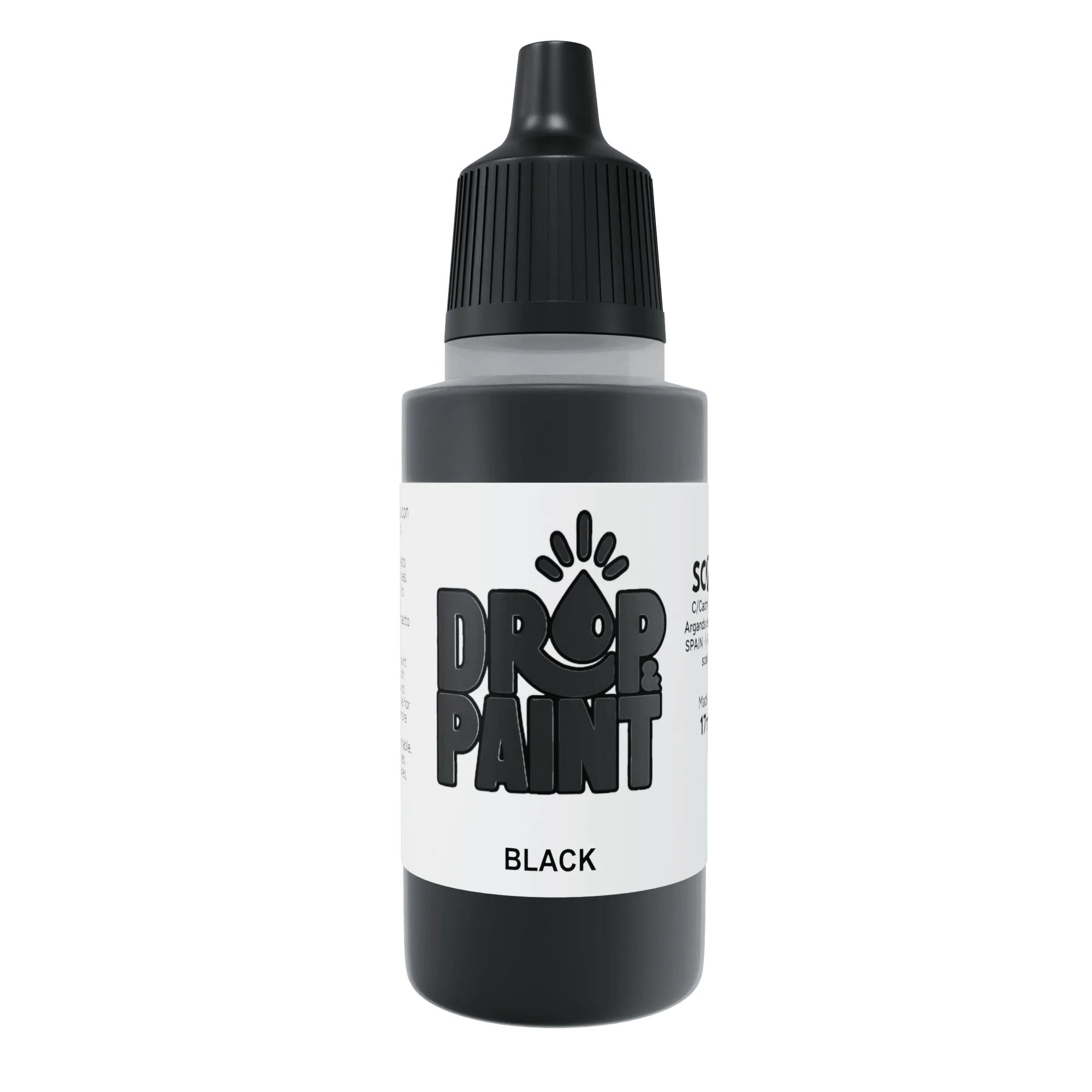
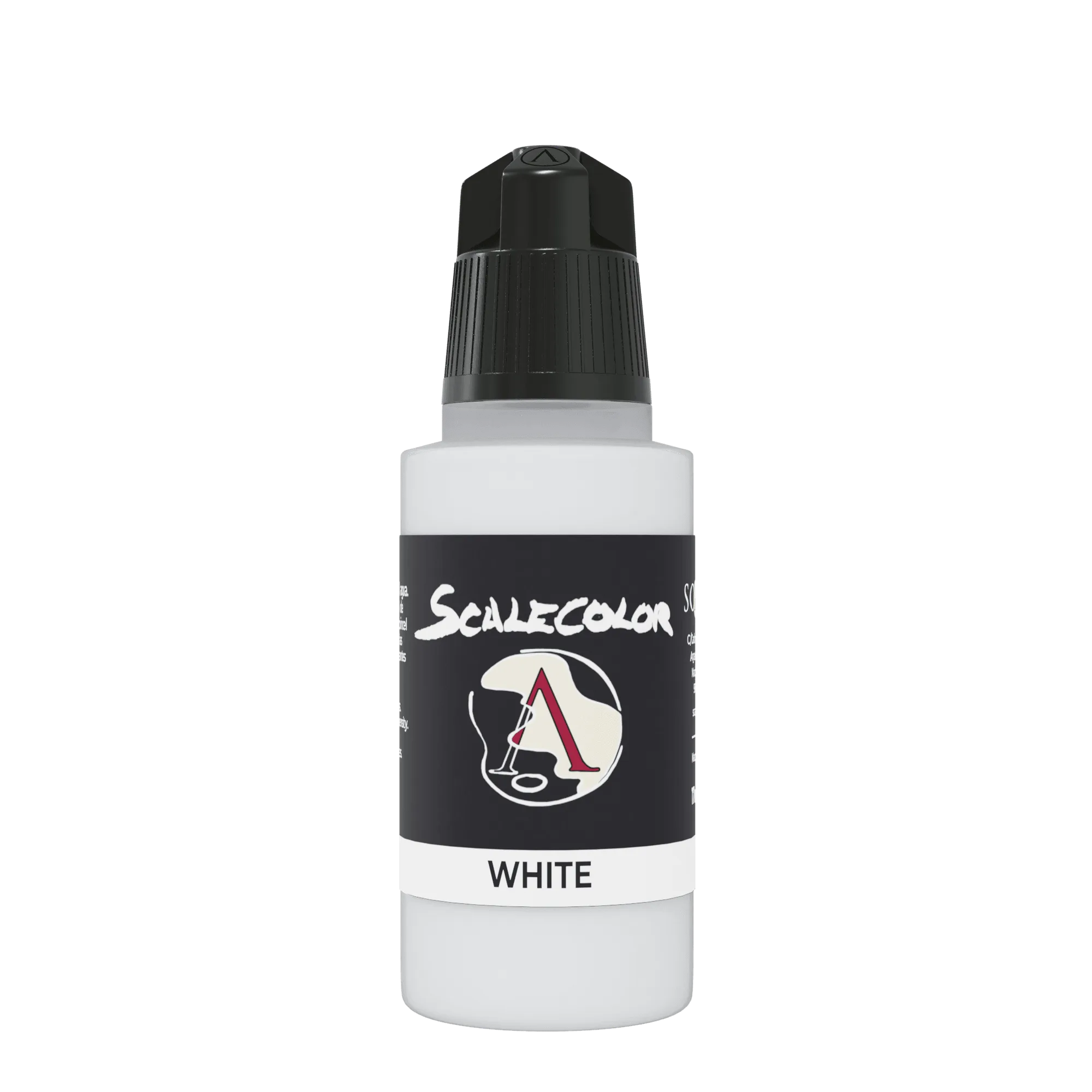
There is also a color reason. Smoke Grey and Hubris Grey are mid-to-dark greys that read differently depending on what is beneath them. Over white primer they lift slightly; over black-027e75637d2c82af56120e59-1815801">black they deepen and cover faster. Priming first lets you choose that shift deliberately instead of discovering it halfway through the model.
- Wash resin and metal parts in warm soapy water and let them dry fully before priming.
- Apply primer in thin passes rather than one heavy coat; you want coverage, not a skin of paint.
Which primer color should you use under grey paint?
Grey primer is the neutral default and the safest choice if you are still deciding on the final scheme. White primer brightens Smoke Grey and makes it easier to build up lighter highlights later. Black primer gives the grey more depth and hides missed recesses, but it takes an extra layer or two to reach a clean, even tone.
If your model mixes greys with warmer colors, a mid-grey or light grey primer keeps transitions predictable. The goal is not a perfect primer color; it is a consistent one across every part of the model so your grey layer reads the same on the cloak, the armor, and the base.
- Match primer tone to your intended final value: white for bright schemes, black for dark, grey for neutral.
- Prime a spare piece of the same material first if you are testing a new primer brand.
Can you brush-prime instead of spraying?
Yes, and for small figures or indoor sessions it is often the better option. Brush-on primer goes on thinner if you work in light layers, and it gives you control around fine detail that spray can flood. The tradeoff is time: brushing primer across a full squad takes noticeably longer than a few spray passes.
Whichever route you take, let the primer cure fully before painting grey over it. Acrylic primer that is still slightly soft will lift when you drag a brush across it, and the grey layer will carry those streaks into the finished model.
- Two thin brushed coats beat one thick coat for detail preservation.
- Give spray primer at least the manufacturer's stated cure time before touching it with a brush.
What happens if you paint grey directly onto bare plastic or resin?
Coverage becomes uneven. Some areas grab the paint, others push it around, and you end up applying three or four layers where one primed coat would have done. On sharp edges, unprimed acrylic rubs off during handling long before the model is finished, which means touch-ups later.
Washes make it worse. A wash over unprimed grey can seep into the material rather than sitting on a sealed surface, and the result looks blotchy rather than shaded. Priming is the step that makes every later technique behave the way you expect.
- If you already painted grey on bare material and it looks patchy, let it dry, then prime and repaint rather than adding more grey.
- Handle partially painted models by the base, not the body, until the first grey layer is fully cured.
Priming checklist before your first grey coat
Is primer optional for grey?
No. Grey is forgiving in tone but not in adhesion. Primer is what makes the layer stick and read consistently. Prime every model before Smoke Grey or Hubris Grey.
Does primer color change the grey?
Yes. White lifts the grey, black deepens it, grey primer keeps it neutral. Pick based on the final value you want. Choose primer tone before you start the model, not after.
How thin should the primer be?
Thin enough that surface detail stays sharp. Two light passes beat one heavy coat every time. If detail is filling in, you are priming too heavily.
When can you paint grey over primer?
Once the primer is fully cured. Painting too early causes lifting and streaks that show through the grey. Follow the primer's stated cure time rather than guessing.
Products that work well with a primed grey basecoat
- BOCAGE BATTLE OF NORMANDY: A set of four matte-finish acrylic paints covering basic colors used on German military vehicles in the Normandy and Northwest European campaigns, described as highly durable and able to withstand oil, pigment, and enamel aging techniques. These are the kind of durable acrylics that reward a proper primer layer, because the aging techniques they are built for sit on top of the basecoat rather than replacing it.
- INKTENSE RED: A slightly satin acrylic ink, 17ml, usable with brush or airbrush, intended to create glazes on already painted surfaces to vary or intensify a color. Glazing over a primed grey basecoat is far more predictable than glazing over bare material, since the ink sits on a sealed surface instead of soaking in unevenly.
- BIG STIX 4000 GRIT: A set of sandpaper for modeling. Sanding mold lines and rough spots before priming is what keeps the grey layer smooth; primer will not hide a seam, it will highlight it.
Priming before Smoke Grey or Hubris Grey is a small step that decides how the rest of the paint job behaves. Clean the model, prime it thin and even, let it cure, and the grey will cover in fewer layers and hold up through washes, handling, and varnish.