Quick answer
No, you do not automatically need a multivitamin every single day. A daily multivitamin is a reasonable choice if your diet regularly falls short of key nutrients, if you follow a restrictive eating pattern, or if a clinician has told you to fill a specific gap. If you eat a varied diet and have no diagnosed deficiency, taking one occasionally or not at all is a legitimate option.
What a daily multivitamin can and cannot do
A multivitamin is a nutrient top-up, not a substitute for food. It can help cover shortfalls in vitamins and minerals when your meals are repetitive, restricted, or low in whole foods. It cannot replace protein, fiber, healthy fats, or the hundreds of other compounds in vegetables, fruits, and whole grains. If your goal is better skin, joints, or heart health, a multivitamin alone is rarely the full answer.
Who tends to benefit from taking one every day
Daily use makes the most sense when a nutrient gap is likely to persist. That includes people who avoid entire food groups, older adults who absorb fewer nutrients from food, and anyone with a diagnosed shortfall. For these groups, consistency matters more than perfection: a single daily dose is easier to remember than an irregular schedule.
- You eat fewer than two servings of vegetables or fruit on most days.
- You follow a vegan, keto, or other pattern that removes major food groups.
- A blood test or clinician has flagged a specific nutrient gap.
- You are pregnant, planning pregnancy, or breastfeeding, and your clinician has advised a specific formula.
When occasional use is enough
If you already eat a wide variety of foods and have no symptoms of deficiency, a daily multivitamin is optional. Some people keep one on hand for travel, busy weeks, or days when meals are rushed. That occasional pattern can be reasonable, but it is harder to track and easier to forget. Decide based on your diet and your clinician's input, not on the label's marketing.
How to choose a formula if you decide to take one daily
Look for a product that lists actual amounts per serving rather than a vague blend. Compare the serving size to how you will actually take it, and check whether the form fits your routine. If you already take other supplements, add up overlapping nutrients so you do not double up. For example, a collagen powder and an omega-3 softgel serve different purposes, and neither replaces a multivitamin.
- Check the serving size: one softgel, two softgels, or a scoop changes cost and convenience.
- Note allergens: fish-derived products are common in collagen and omega-3 formulas.
- Match the form to your habits: softgels, powders, and capsules suit different schedules.
How to build a simple daily routine that sticks
Pair your multivitamin with an existing habit, such as breakfast or brushing your teeth. Keep the bottle where you will see it, and use a weekly pill organizer if you tend to lose track. If you miss a day, do not double up; just resume the next day. The goal is a repeatable pattern, not a perfect streak.
What to ask your clinician before starting
Bring your current supplement list to your next appointment, including doses and how often you take each one. Ask whether any medication you take interacts with specific vitamins or minerals, and whether a blood test would clarify your needs. If you have a medical condition or take prescription drugs, get personalized guidance before adding a daily multivitamin.
Multivitamin routine questions, answered
Can I take a multivitamin every other day instead?
Yes, if your diet is varied and you have no diagnosed deficiency. An every-other-day schedule is a middle ground, but it is easier to forget than a daily habit. If you choose it, track it the same way you would a daily dose. Pick the schedule you can repeat consistently.
Do I need a multivitamin if I already take collagen or omega-3?
No. Collagen peptides and omega-3s are targeted supplements, not multivitamins. They can support skin, hair, nails, or general wellness, but they do not cover the full range of vitamins and minerals a multivitamin provides. Match each supplement to a specific goal.
What is the best time of day to take a daily multivitamin?
Take it with a meal to reduce stomach upset and pair it with a habit you already have. Some nutrients are better absorbed with food, and a consistent time makes the routine easier to remember. Attach it to breakfast or lunch, not a random moment.
Can I take a multivitamin and other supplements together?
Often yes, but check for overlapping ingredients. If you take a separate vitamin D, iron, or calcium product, add up the totals so you do not exceed what you need. Ask a clinician or pharmacist if you take prescription medication. Review your full supplement list once or twice a year.
How long should I try a daily multivitamin before deciding?
Give it four to six weeks of consistent use, then assess whether the routine feels sustainable and whether you notice any change. If you have a diagnosed deficiency, follow your clinician's timeline instead. Consistency first, then reassess.
Product facts that can help you compare
- ProCaps Laboratories: Phytoceramides provides a concentrated source of plant-based ceramides to help the skin's ability to retain its moisture. This is a skin-focused supplement, not a multivitamin, so it does not replace daily vitamin and mineral coverage.
- ProCaps Laboratories: Marine & Free Range Collagen Peptides with MSM delivers an exceptional source of collagen for skin, hair, and nail structure. Collagen peptides support structure, but they are not a substitute for a multivitamin if your diet lacks vitamins and minerals.
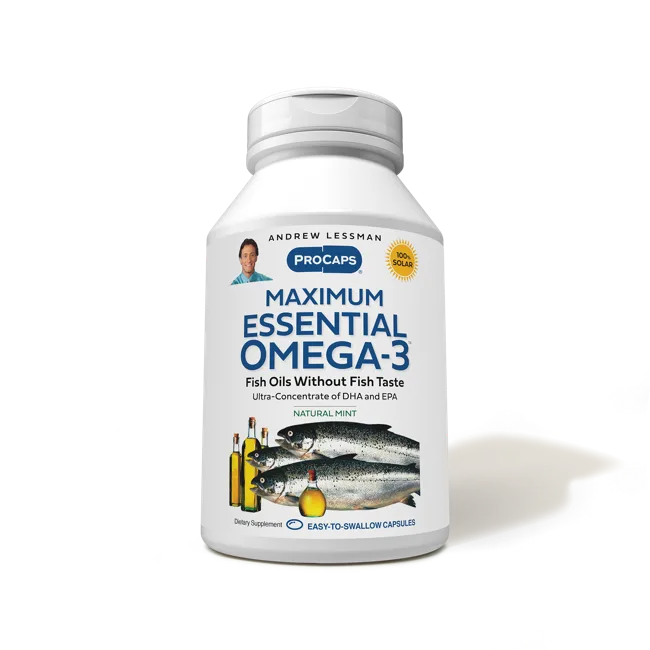
- ProCaps Laboratories: Maximum Essential Omega-3 is a high-potency blend of omega-3s in their most active, natural triglyceride form. Omega-3s serve a different role than a multivitamin, so you can take both if each fits your goals and your clinician agrees.