Quick answer
A travel tea tin is worth having if you regularly carry tea in a bag or pocket and want your tea temples to arrive intact, dry and uncrushed. It is not worth buying if you only brew at home or if you always finish your tea within a day or two. The teapigs travel tea tin costs USD 3.55 and holds a couple of tea temples, so the decision is small either way.
What a travel tea tin actually does
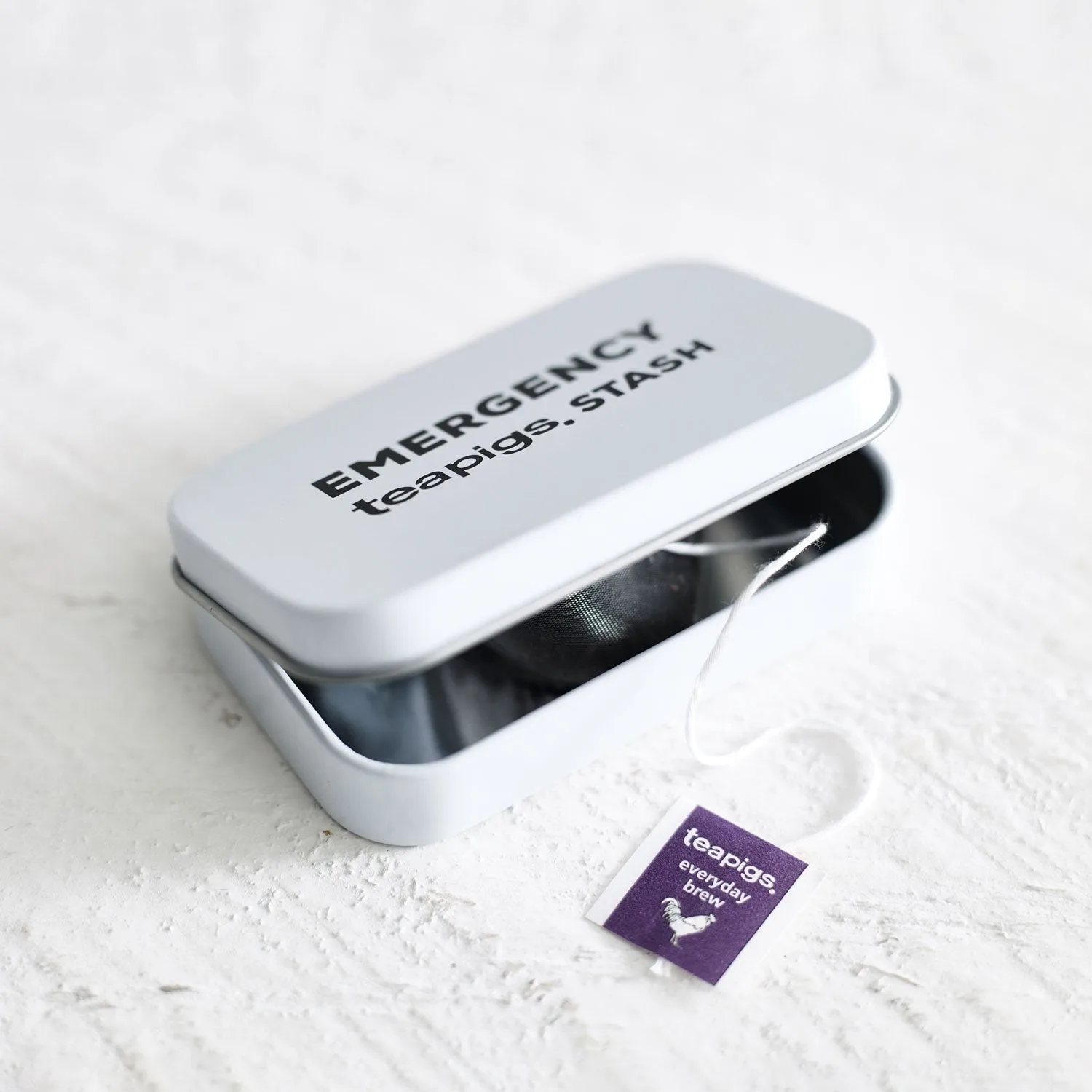
A travel tea tin is a small rigid container with a hinged lid, sized to hold a few tea temples rather than a full packet. The teapigs travel tea tin measures 8 x 5 x 1.5cm, which is thin enough to slide into a coat pocket or the front pocket of a bag. Its job is simple: keep a couple of brews separate, dry and unbroken until you need them.
That is the whole product. It does not brew tea, keep tea hot, or extend shelf life in any meaningful way. If you judge it against those jobs, it will always look like a failure. Judge it against crushed tea temples at the bottom of a handbag and it starts to make sense.
Myth 1: A tea tin keeps your tea fresher for longer
Verdict: not really, and not in the way most people mean. A small hinged tin is not airtight in the sense a sealed foil pouch is. Its value is protection during a journey, not long-term storage. If you want to keep a large amount of tea fresh for months, a small travel tin is the wrong tool.
Where it does help is the short window between packing and brewing. A tea temple loose in a bag gets crushed, picks up crumbs and can absorb whatever else is in there. A tin prevents that. Think of it as a commute case, not a pantry jar.
Myth 2: You need a special tin for every type of tea
Verdict: false for most people. The teapigs travel tea tin holds a couple of tea temples, so if you want to carry one everyday brew and one herbal, you can either pack them together for a short trip or carry two tins. There is no flavour-sealing technology inside that requires separate tins per tea.
The practical limit is smell. Strongly scented teas can leave an aroma in a small tin, so if you regularly carry something heavily perfumed alongside a delicate green, a second tin or a small resealable pouch inside is a reasonable precaution. That is a preference, not a rule.
Myth 3: A tin is only for loose leaf tea
Verdict: false. The teapigs travel tea tin is described as a place to pop a couple of tea temples, which are the brand's mesh tea bags. It is designed around tea temples, not loose leaf. If you mainly drink loose leaf, a small tin can still work, but you will want a separate small pouch or filter unless you enjoy loose tea rattling around a hinged box.
This matters because the tin's dimensions, 8 x 5 x 1.5cm, suit flat tea temples. A heaped spoon of loose leaf will not sit as neatly. Check what you actually drink before assuming any small tin fits your routine.
Myth 4: A tin is expensive compared with just using a bag
Verdict: the maths is closer than it looks, but a tin is still a small extra cost. The teapigs travel tea tin is listed at USD 3.55 against a comparison price of USD 5.00. A tote bag is a separate purchase at USD 5.12 against a comparison price of USD 8.00, and the two do different jobs.
If your only goal is carrying tea from kitchen to desk, a zip bag you already own costs nothing. If your goal is not arriving with a crushed tea temple, the tin is the cheaper fix than replacing tea you had to throw away. Neither option is wrong; they solve different problems.
Myth 5: Any small container works just as well
Verdict: mostly true, with one caveat. A clean, dry, rigid container of roughly the right size will protect tea temples about as well as a branded tin. The teapigs tin's advantage is that it is sized for the job and has a hinged lid, so you are not hunting for a lid or a rubber band.
The caveat is cleanliness. A container that previously held mints, spices or coffee will affect the taste of tea stored in it, especially a delicate green. If you reuse a container, make sure it is odour-free and fully dry before packing tea.
Myth 6: You should buy a tin before you know how you travel
Verdict: buy it after, not before. The people who get real value from a travel tea tin are the ones who already carry tea daily and already know the annoyance of a torn tea temple. If you brew at home, work from home, or drink tea within minutes of making it, a tin will sit in a drawer.
A better first step is to notice your own pattern for a week. Do you leave the house with tea? Do you keep tea in a bag or a desk drawer? If yes, a small tin earns its place. If no, spend the money on tea instead.
Myth verdicts at a glance
- A tin keeps tea fresh for months: A small hinged tin protects tea during a trip, not during long-term storage. Use a sealed pouch for the pantry. Verdict: myth
- You need one tin per tea type: The teapigs travel tea tin holds a couple of tea temples. Separate tins are a preference for strongly scented teas, not a requirement. Verdict: mostly myth
- A tin is only for loose leaf: This tin is built around tea temples. Loose leaf needs a pouch or filter to sit neatly inside. Verdict: myth
- A tin is a waste of money: At USD 3.55 against a USD 5.00 comparison price, it is a small cost if you regularly carry tea and lose tea temples to crushing. Verdict: depends on your routine
- Any small container is just as good: Rigid, clean and dry matters more than branding. A used mint tin can taint delicate tea. Verdict: partly true
- Buy the tin first, find a use later: Track your tea habits for a week. If you already carry tea out of the house, the tin earns its place. Verdict: buy after, not before
Product facts behind these verdicts
- teapigs travel tea tin: Hinged lid, 8 x 5 x 1.5cm, described as a handy travel tin for carrying a couple of tea temples. The flat, pocket-sized shape is what makes it useful for commuting or day trips; it is not designed as a bulk storage container.
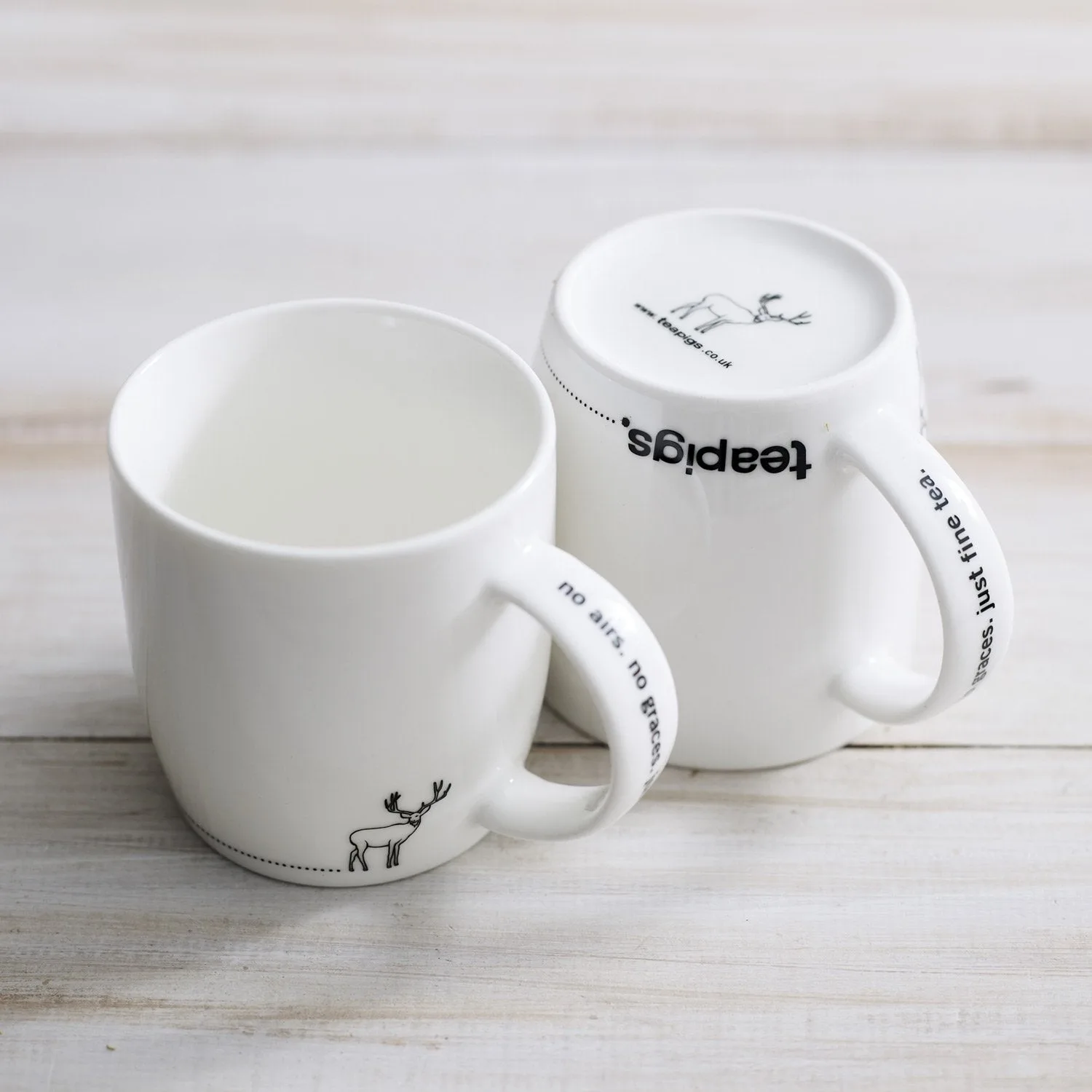
- teapigs stag mug: Fine bone china mug, 325ml capacity, 8cm high, 8.5cm diameter, dishwasher safe. If your tea routine is mostly at a desk or kitchen, a proper mug like this is a more useful purchase than a travel tin.