Quick answer
No, needlepoint does not have to be expensive. You can start with a single hand-painted canvas and add threads as your budget allows. Many canvases are sold without thread, so you control the total cost. Focus on projects you will actually finish, and buy supplies incrementally. The hobby can be as affordable or as lavish as you choose.
Needlepoint has a reputation for being a costly hobby, but that reputation is often based on myths rather than reality. Yes, you can spend a lot on hand-painted canvases and luxury threads, but you can also stitch beautiful pieces on a modest budget. The key is understanding where your money goes and making deliberate choices.
In this article, we'll bust common myths about needlepoint expenses and share practical tips for saving money without sacrificing the enjoyment of stitching. We'll look at real product examples from our catalog to show how pricing works and what you actually get.
Myth: You Need to Buy Everything at Once
One of the biggest misconceptions is that you must purchase a full kit—canvas, threads, needles, and accessories—before you can start. In reality, many needlepoint canvases are sold without thread, which means you can buy the canvas now and add threads later as your budget permits. This incremental approach makes the hobby far more affordable.
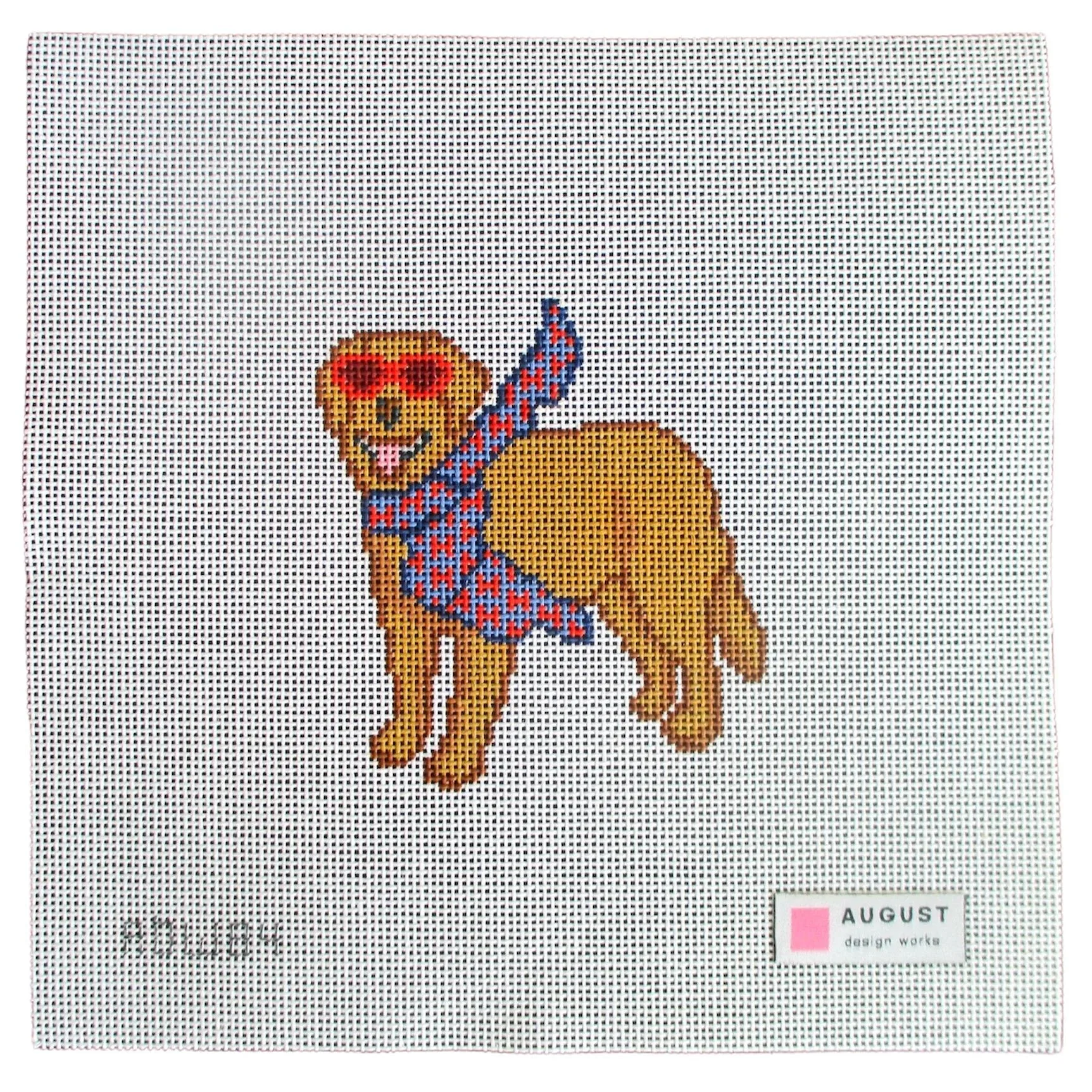
For example, a hand-painted canvas like the https://augustdesignwork.com/products/bougie-breed-golden-retriever-wholesale-9b9bf6e443c6036a4c70863a-1481523Bougie Golden Retriever - Needlepoint Canvas (Wholesale) is priced at $34.00 (catalog comparison price $68.00) and does not come with thread. You can stitch it using threads you already own or buy a few skeins at a time. This flexibility is a major budget advantage.
- Buy the canvas first, then add threads as you go.
- Check if you already have suitable threads in your stash before buying new ones.
- Start with a small design to keep initial costs low.
Myth: All Canvases Are Priced the Same
Canvas prices vary based on design complexity, size, and mesh count. A larger, more detailed canvas will generally cost more than a smaller, simpler one. However, a higher price doesn't always mean a better stitching experience—it often reflects the artist's time and the intricacy of the design.
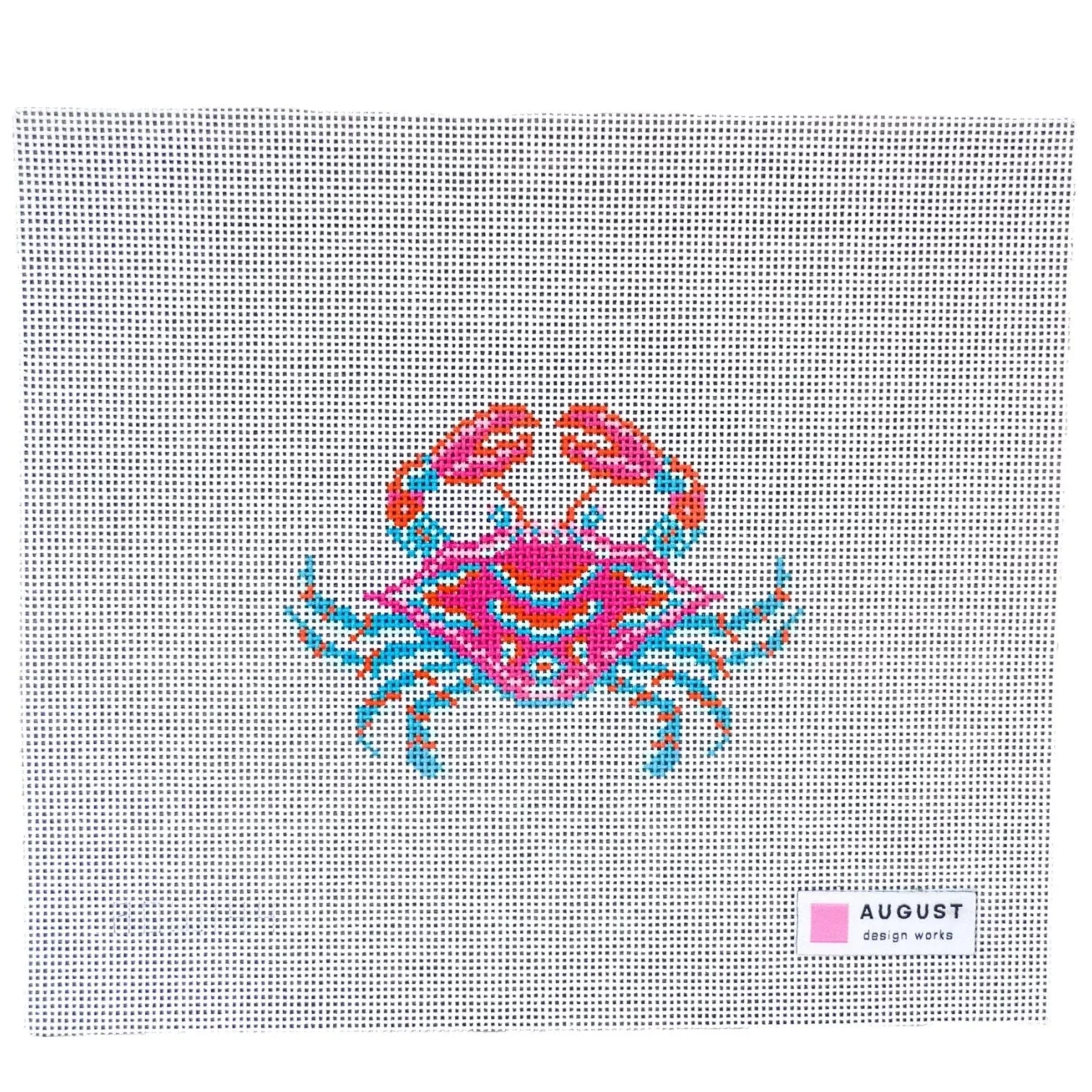
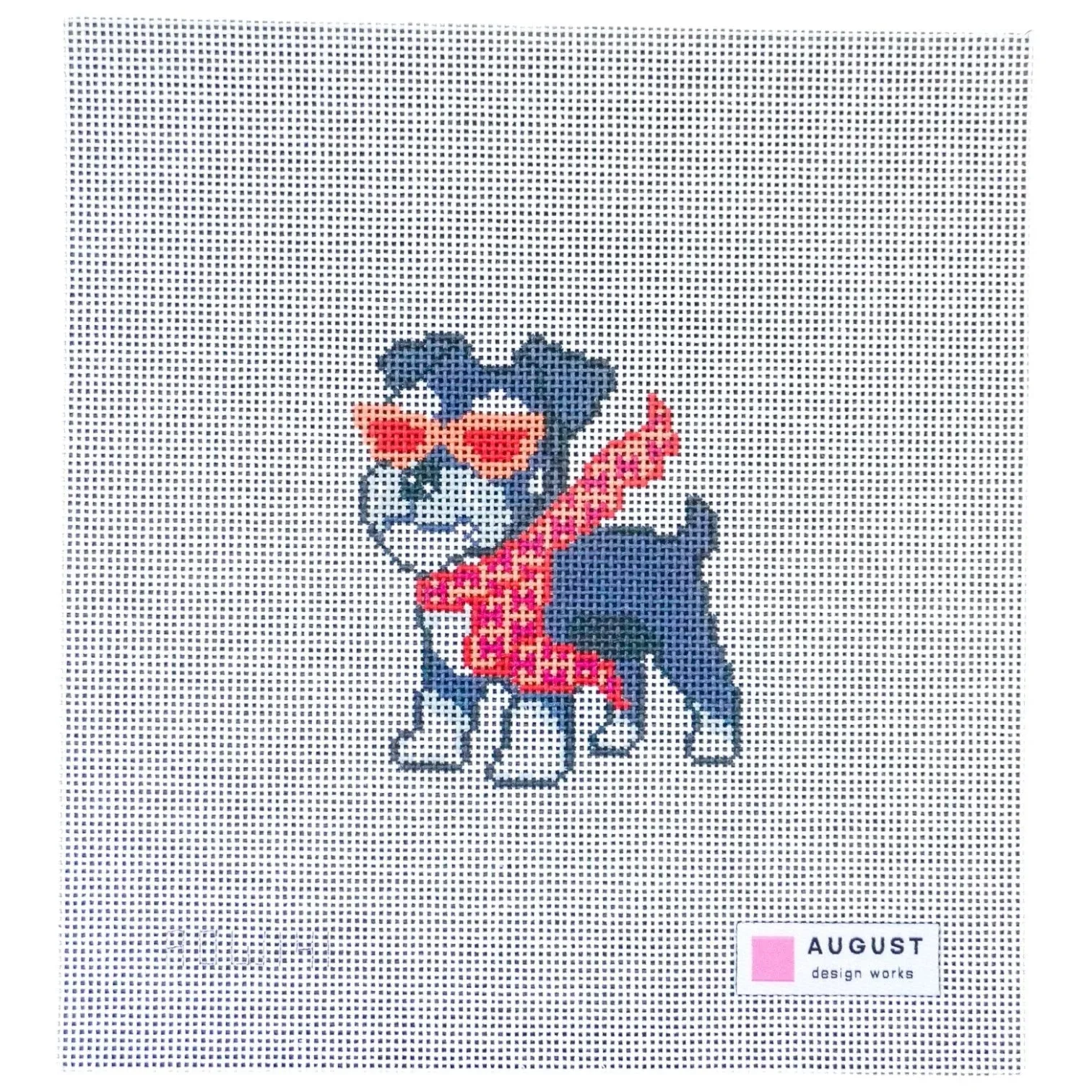
For instance, the Crab - Needlepoint Canvas is an 8×7 canvas with a 4×3 design on 18 mesh, priced at $39.00 (catalog comparison price $78.00). In contrast, the Bougie Schnauzer - Needlepoint Canvas (Wholesale) is a 7×6.75 canvas with a 3×2.75 design on 18 mesh, priced at $34.00 (catalog comparison price $68.00). The size difference explains the price gap. Choosing a smaller design can be a smart way to save.
- Compare design sizes and mesh counts before buying.
- Smaller designs often cost less and stitch up faster.
- Consider the time you'll spend stitching—value isn't just about price.
Myth: You Must Use Luxury Threads
Luxury threads like silk or hand-dyed wools can be beautiful, but they aren't required. Many stitchers produce stunning work with affordable cotton or acrylic threads. The key is choosing threads that work well with your canvas mesh and your stitching style.
If you're on a budget, start with basic threads and upgrade later if you want. The Crab - Needlepoint Canvas lists thread recommendations from Pepper Pot Silk, but you can substitute with similar colors from less expensive lines. The canvas itself doesn't demand a specific brand—it's your choice.
- Try affordable thread brands before investing in luxury options.
- Use thread recommendations as a guide, not a requirement.
- Buy threads in small quantities to test before committing.
Myth: Needlepoint Tools Are a Big Expense
Basic tools like needles, scissors, and a needle minder are inexpensive and last for years. You don't need every gadget on the market to enjoy needlepoint. Start with the essentials and add tools only when you find a genuine need.
For example, a simple magnetic needle minder can cost just a few dollars and prevent you from losing needles—a small investment that saves money in the long run. Avoid buying specialty tools until you've identified a specific problem they solve.
- Start with a basic needle, small scissors, and a needle minder.
- Upgrade tools only when you encounter a real limitation.
- Look for multi-purpose tools to save money and space.
Myth: You Have to Finish Every Project You Start
Many stitchers feel guilty about unfinished projects, but abandoning a canvas you no longer love is better than forcing yourself to stitch something you dislike. The money is already spent; your time is valuable. It's okay to set a project aside and move on to something more enjoyable.
To avoid wasting money, choose projects that excite you from the start. Read descriptions carefully and visualize the finished piece. If you're unsure, start with a smaller, less expensive canvas like the First Of All I'm A Delight - Needlepoint Canvas, which is 13×10 with a 9×6 design on 13 mesh, priced at $44.00 (catalog comparison price $88.00).
- Pick projects that match your interests and skill level.
- Don't feel obligated to finish a project you no longer enjoy.
- Smaller canvases are lower-risk if you're trying a new style.
Myth verdicts
- You need to buy everything at once: False. Many canvases are sold without thread, so you can buy supplies incrementally. Start with the canvas and add threads as your budget allows.
- All canvases are priced the same: False. Prices vary by design size, complexity, and mesh count. Compare sizes and mesh counts to find the best value for your budget.
- You must use luxury threads: False. Affordable thread options exist and work well for many projects. Try budget-friendly threads first; upgrade only if you want to.
- Needlepoint tools are a big expense: False. Basic tools are inexpensive and last for years. Buy essentials first; add specialty tools only when needed.
- You have to finish every project: False. It's okay to set aside a project you no longer enjoy. Choose projects you love to avoid wasting money on unused supplies.
Budget-friendly canvas examples
- Bougie Golden Retriever - Needlepoint Canvas (Wholesale): 7.5 x 7.5 canvas size, 3.5 x 3.5 design size, 18 mesh, hand-painted, canvases do not come with thread. The small design size means less thread needed, and you can use threads you already own, keeping costs down.
- Crab - Needlepoint Canvas: 8 × 7 canvas size, 4 × 3 design size, 18 mesh, hand-painted, canvases do not come with thread. Thread recommendations (Pepper Pot Silk): 022 Cotton Candy, 023 Bubblegum, 102 Power, 104 Booberries, 245 Sunrise. The thread list helps you budget by showing exactly how many colors you need, and you can substitute with cheaper alternatives.
- First Of All I'm A Delight - Needlepoint Canvas: 13 x 10 canvas size, 9 x 6 design size, 13 mesh, hand-painted, canvases do not come with thread. The larger 13 mesh design uses thicker threads and may require more skeins, but it stitches up quickly, offering good value for time spent.
Needlepoint can fit almost any budget if you separate myth from reality. By buying incrementally, choosing smaller designs, and using affordable threads, you can enjoy this rewarding craft without overspending. Remember, the value of needlepoint isn't measured in dollars—it's in the relaxation and satisfaction you get from every stitch.