Quick answer
Choose dog boots when your winter route includes ice, crusty snow, or heavy road salt, because boots add a physical barrier and traction. Choose paw wax when your dog tolerates handling but not footwear, or when conditions are cold but mostly dry, since wax protects against minor abrasion and moisture without changing how your dog walks. Many dogs do best with both: wax for quick yard trips, boots for longer or rougher outings.
What each option actually does
Paw wax creates a thin, waxy layer over the paw pads and between the toes. It reduces direct contact with cold pavement, salt, and ice, and it can make snow less likely to stick to fur. It does not add traction or cushioning, and it wears off as your dog walks, so you reapply before each outing.
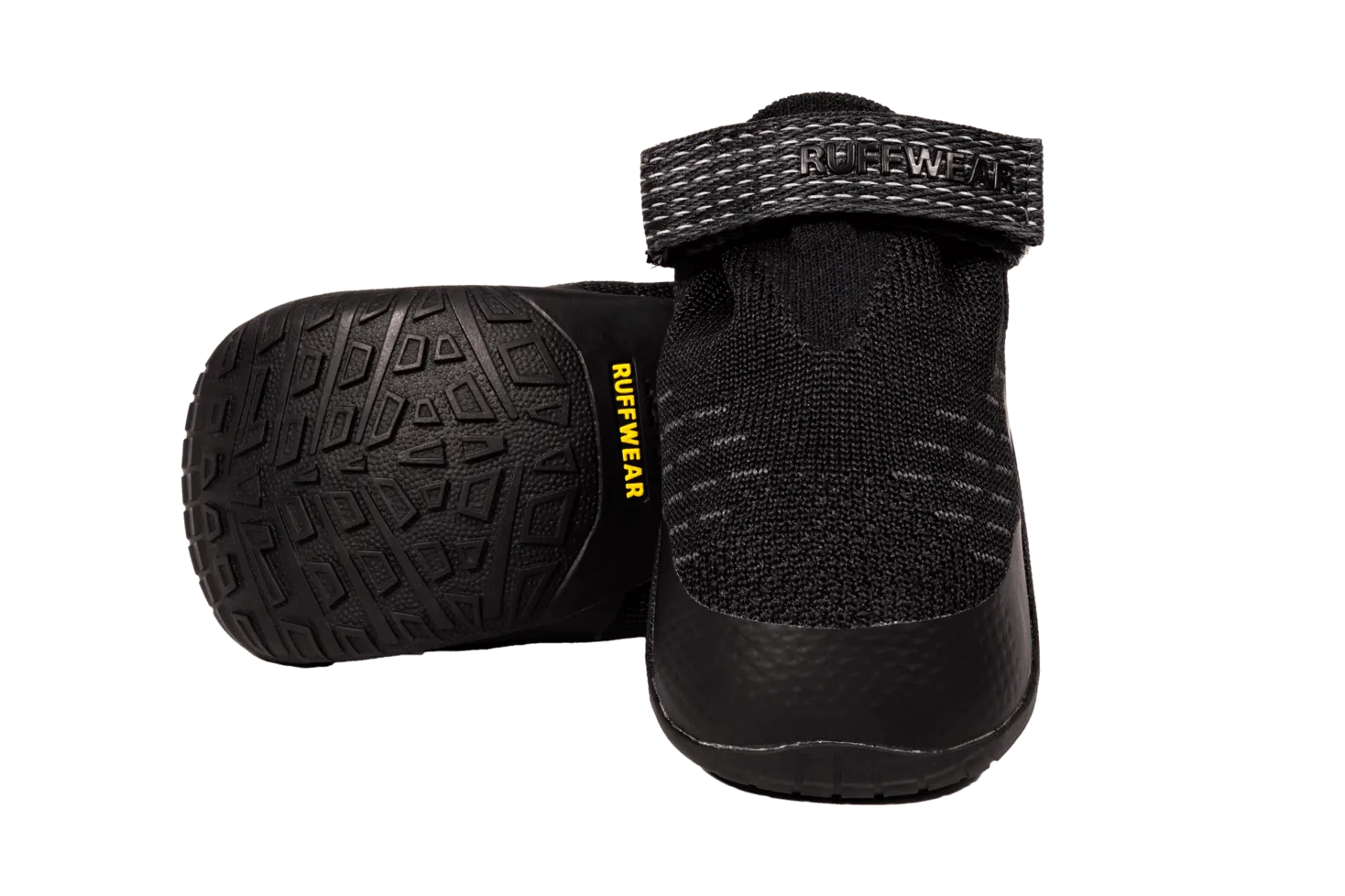
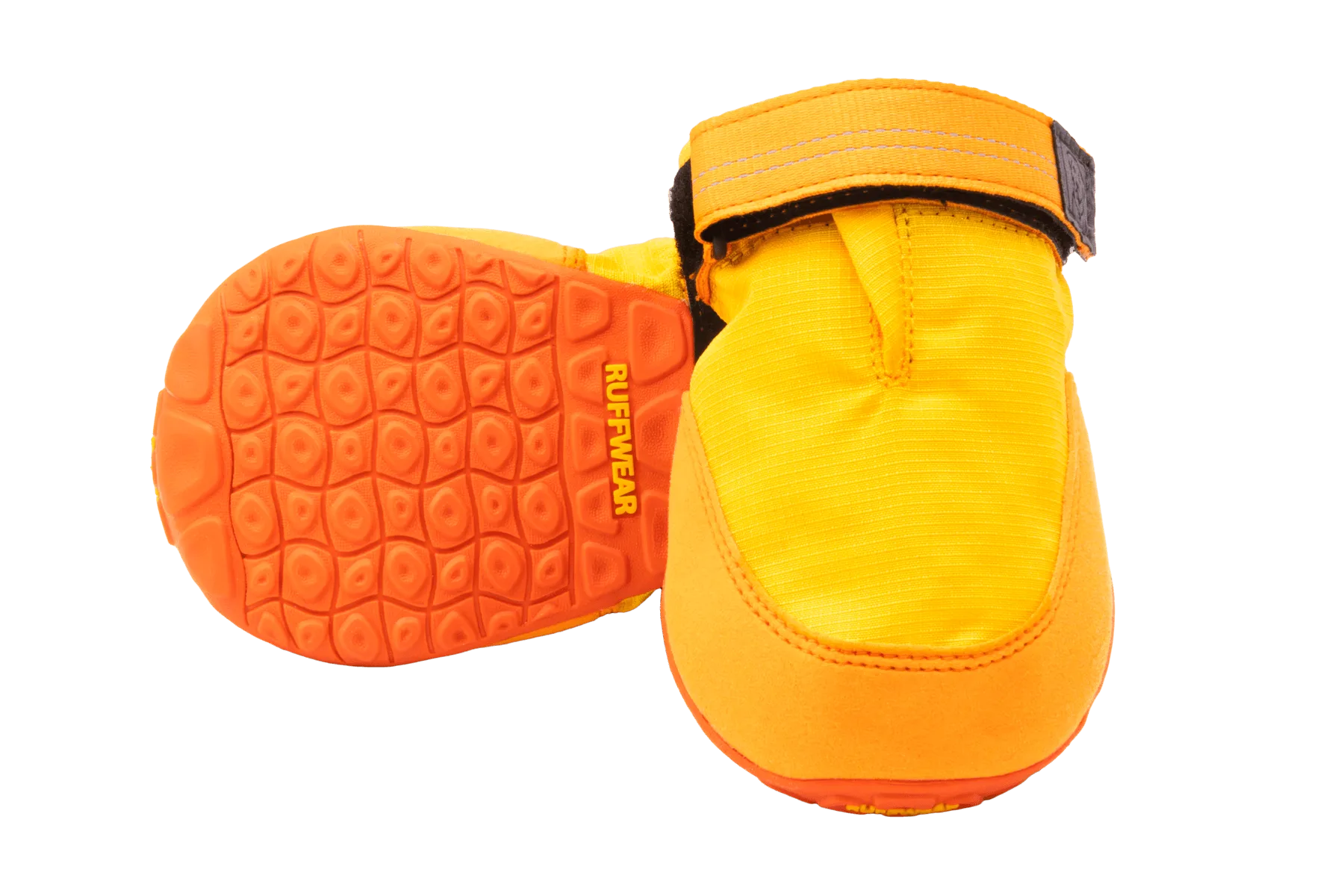
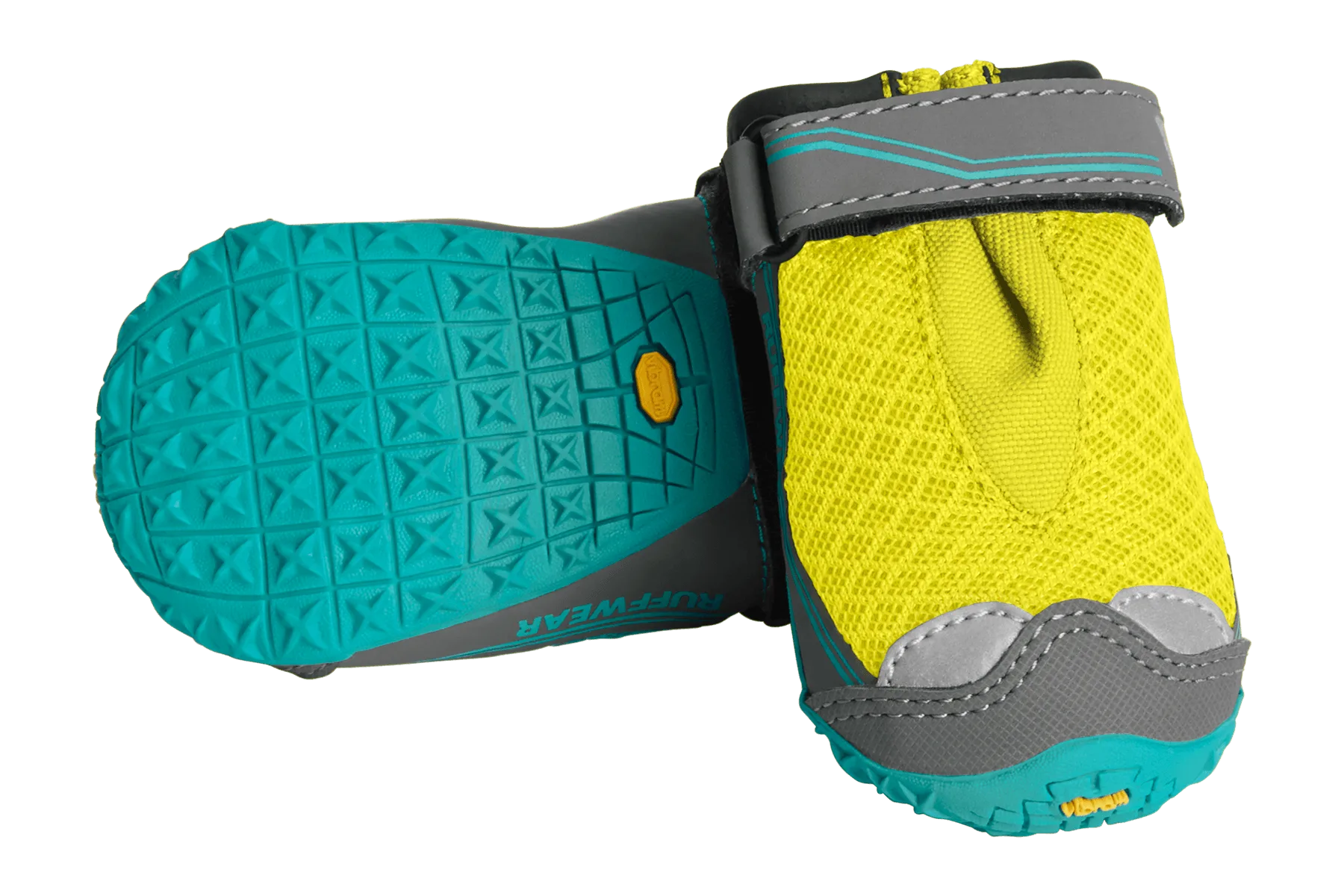
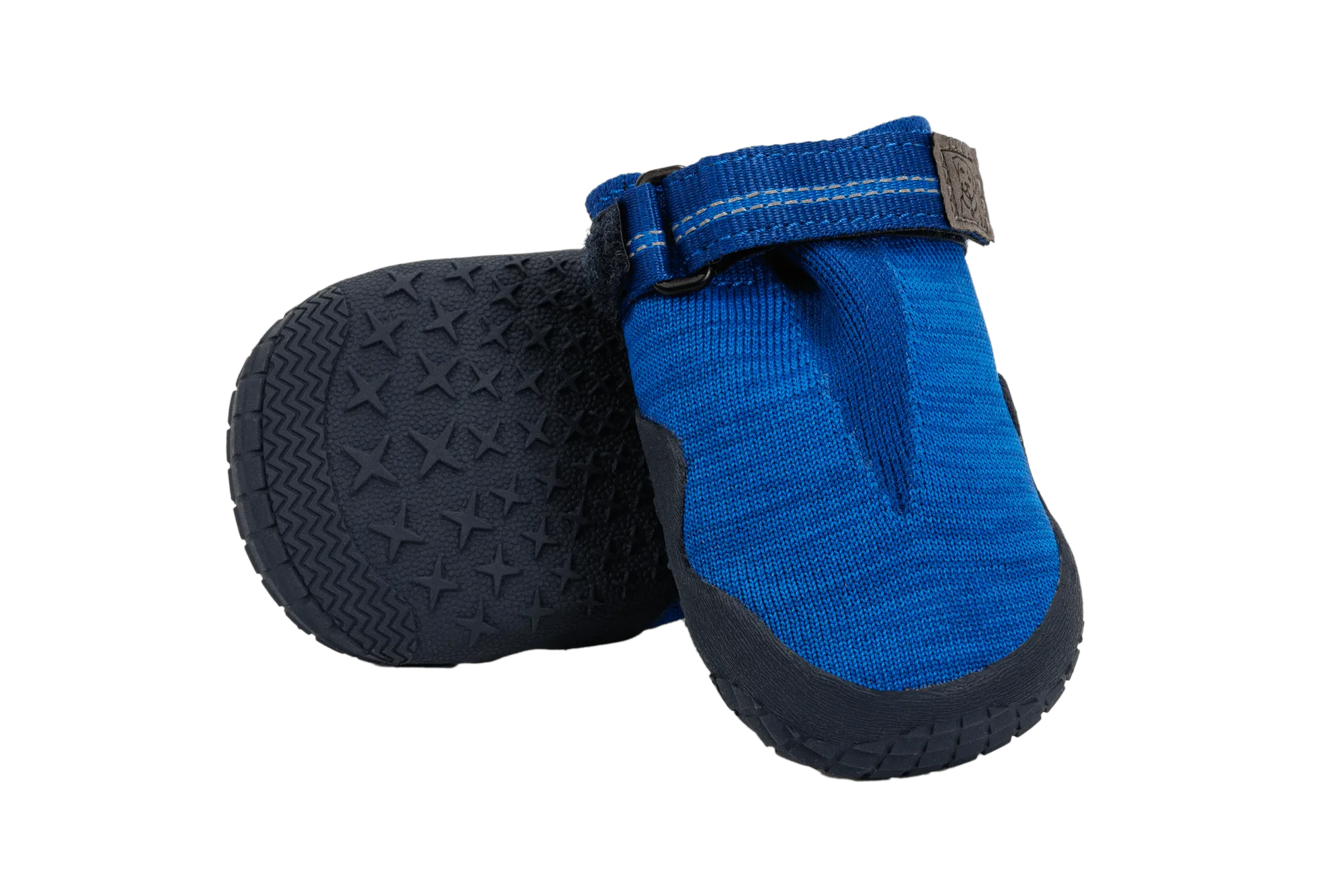
Dog boots cover the whole paw, including the top and the spaces between toes. That physical barrier keeps salt, ice, and grit off the skin and gives your dog a rubber or fabric sole for grip. The trade-off is fit: a loose boot can twist or slip off, and a tight boot can rub. Boots also change how your dog feels the ground, so some dogs need a slow introduction.
Traction and ice-ball control
On packed snow and icy sidewalks, boots win on traction. A sole with a tread pattern grips better than a waxed pad, and the boot keeps snow from balling up between the toes. That matters most for dogs with feathered or long fur, where ice balls form quickly and cause limping.
Paw wax helps less with traction but can reduce snow packing if you apply it before the walk and keep paw fur trimmed. If your dog already slips on ice, wax alone is not enough; use boots or choose a salted, clear path.
Salt, chemicals, and cold-weather paw care
Road salt and de-icers are a strong argument for boots. They block contact entirely, so your dog cannot lick salt off their paws after the walk. If you use wax instead, rinse and dry the paws as soon as you get home, because wax is a barrier, not a seal.
Cold itself is a separate issue. Wax offers limited insulation, while boots trap a small amount of warmth. Neither replaces common sense: if your dog lifts paws, whines, or stops walking, end the outing regardless of what you applied.
Fit and handling: the deciding factor
Boots require a fit check. Measure each paw, including the width across the toes, and follow the brand's size chart. The boot should be snug enough that it does not rotate but loose enough that you can slide a finger under the cuff. Check the dewclaw area for rubbing. Expect a break-in period with short indoor sessions and high-value treats.
Paw wax requires no sizing, but it does require handling. Some dogs dislike having their paws touched, and wax can leave residue on floors. Start with one paw, reward, and build up. If your dog will not tolerate paw handling, boots may actually be easier because you can put them on while your dog stands and then immediately head outside.
How to combine both without overdoing it
Use wax for quick backyard trips, dry cold, or as a base layer under boots if your dog's paws tend to sweat or rub. Use boots for long walks, icy trails, salted streets, and any outing where you cannot rinse paws immediately. Keep a towel in your car or by the door so you can dry paws before and after.
If your dog wears boots, check paws after every walk for redness, moisture, or ice inside the boot. If you use wax, reapply every 20 to 30 minutes in wet snow. Neither option is permanent, so plan for both in your winter kit.
Trade-offs at a glance
- Protection level: Boots block salt, ice, and grit completely; wax reduces contact but does not seal the paw. Choose boots for salted or icy routes; wax for dry cold.
- Traction: Boot soles add grip on ice and packed snow; wax does not add traction. If your dog slips, boots are the safer pick.
- Fit and handling: Boots need accurate paw measurements and a break-in period; wax needs paw handling and reapplication. Match the option to what your dog tolerates.
- Maintenance: Boots must be checked for rubs and dried after use; wax wears off and may leave residue on floors. Both require a post-walk routine.
Product facts that support this comparison
- Dirtbag™ Dog Towel: The Dirtbag Dog Towel is a post-adventure, absorbent coat with a quick-dry microfiber lining and a waterproof shell to contain moisture, mud, sand, and grit. After a winter walk with boots or wax, this towel lets you dry and contain paw and coat mess before your dog tracks salt or mud indoors.
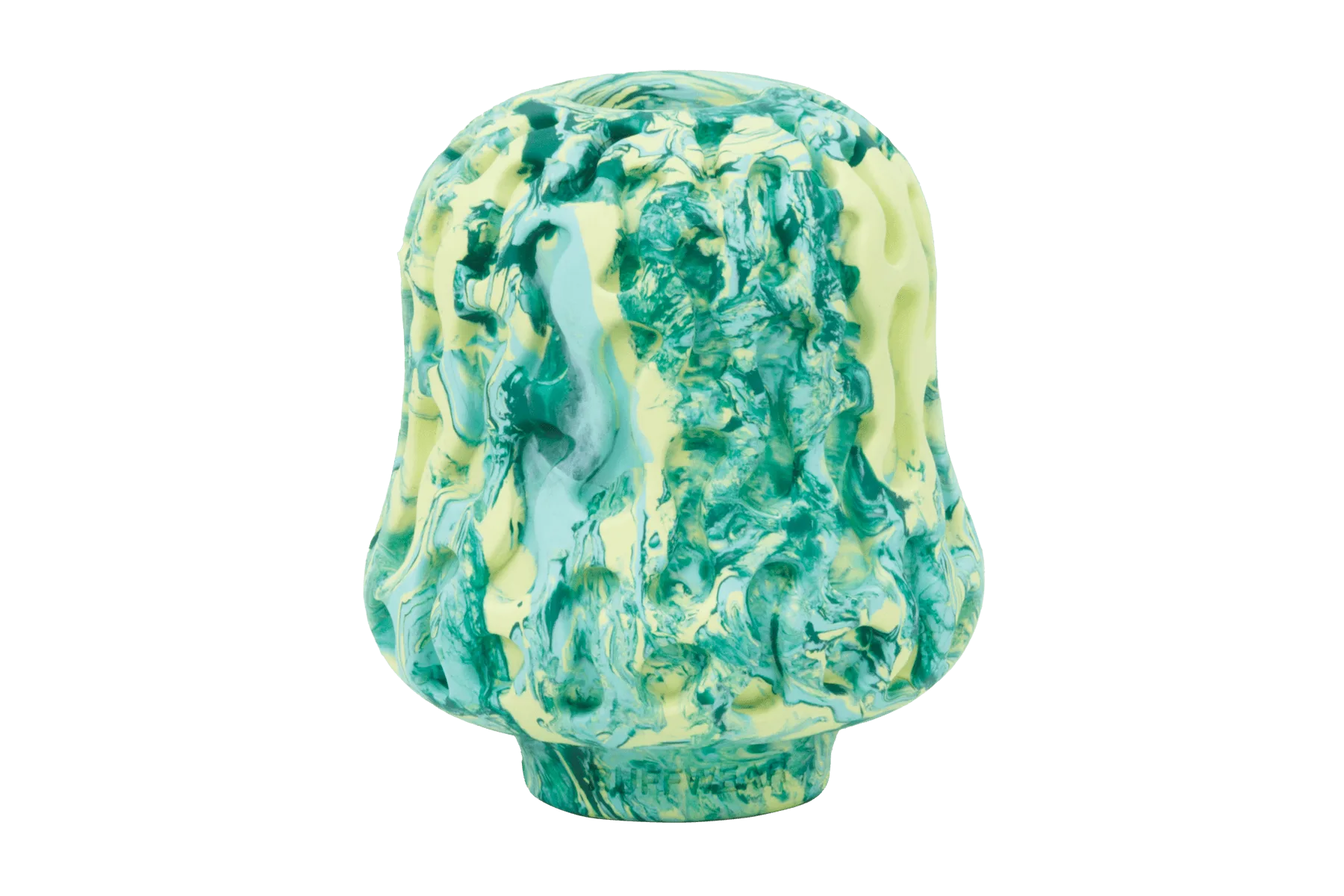
- Morel™ Dog Toy: The Morel Dog Toy is a puzzle toy with an easy-to-clean internal chamber for large biscuits and peanut butter, plus a textured exterior for lickable treats; it is built for moderate chewers. A food toy gives your dog a positive activity while you practice handling paws and fitting boots, which makes winter paw care less stressful for both of you.
Which should you choose?
Best for
- Dogs walking on salted sidewalks, icy trails, or crusty snow
- Owners who can measure paws and introduce boots gradually
- Dogs with long fur that collects ice balls between the toes
Not for
- Dogs that panic in footwear and cannot be desensitized
- Quick backyard trips in dry cold where wax is enough
- Owners who cannot check paws after every walk