Quick answer
Measure your dog's muzzle width and the depth from ground to chest, then pick a bowl about 1.5 to 2 times wider than the muzzle and a height that puts the rim near the lower chest. Choose stainless steel if your dog chews or you want easy sanitizing; choose plastic only if your dog eats calmly and you need a lightweight bowl. For fast eaters, a slow feed bowl with internal obstacles is the practical fix.
How to measure for the best dog bowl size
Measure your dog's muzzle width at the widest point, then add 1.5 to 2 times that width to get a comfortable bowl diameter. A bowl that is too narrow forces the dog to press its nose against the sides and can cause food scatter; a bowl that is too wide lets the dog gulp without slowing down.
For depth, measure from the ground to the bottom of your dog's chest while standing. That number is your ceiling for bowl rim height. A bowl that sits higher than the chest encourages the dog to reach down awkwardly, while a bowl that is too low can make larger dogs splay their elbows.
- Small dogs (under 20 lb): 4-5 inch diameter, 1.5-2 inch depth
- Medium dogs (20-50 lb): 6-8 inch diameter, 2-3 inch depth
- Large dogs (50-90 lb): 8-10 inch diameter, 3-4 inch depth
- Giant breeds (over 90 lb): 10-12 inch diameter, 4-5 inch depth
Elevated dog bowl height: when it helps and when it doesn't
Elevated bowls can reduce neck strain for senior dogs with arthritis and for tall, deep-chested breeds. The trade-off is that a raised bowl may increase the risk of bloat in some dogs, so if your dog is a deep-chested breed or has a history of digestive issues, ask your vet before switching to an elevated feeder.
A simple rule: set the feeder so the rim sits at the height of your dog's lower chest when standing. If your dog has to lift its head to eat, the bowl is too high. If it has to lower its whole neck to the floor, the bowl is too low.
Stainless steel vs plastic dog bowl: material trade-offs
Stainless steel is the default recommendation for most dogs. It resists bacteria, does not hold odors, and is dishwasher safe. The downside is that it can slide across the floor and may dent if dropped.
Plastic bowls are lightweight and inexpensive, but they scratch easily, which creates hiding places for bacteria, and some dogs develop muzzle acne from plastic. Ceramic bowls are heavy and stable but can chip or crack if knocked over. If your dog is a heavy chewer, skip plastic and ceramic entirely and choose stainless steel or a chew-resistant rubber bowl.
- Stainless steel: best for hygiene, durability, and dishwasher cleaning
- Plastic: lightweight and cheap, but scratches and holds bacteria
- Ceramic: stable and heavy, but can chip or crack
- Rubber or chew-resistant: best for dogs that chew their bowls
Slow feed dog bowl: who actually needs one
A slow feed bowl has raised obstacles or a maze pattern that forces the dog to eat around them. This is useful for dogs that gulp their food in under a minute, which can lead to vomiting or bloat. It is not useful for dogs that already eat slowly or for flat-faced breeds that cannot reach into the crevices.
If you try a slow feed bowl, start with one meal per day and watch for frustration. Some dogs give up and walk away, which defeats the purpose. A shallow maze pattern is easier to start with than a deep one.
Dog bowl for large dogs: stability and capacity
Large dogs need a bowl that will not tip when they eat. Look for a wide base, a non-slip ring, or a weighted bottom. Capacity matters too: a 50 lb dog may drink 50-80 oz of water per day, so a water bowl under 32 oz means constant refilling.
If you have a large dog that chews, avoid any bowl with a removable rubber ring that can be pulled out and swallowed. A one-piece stainless steel bowl with a silicone base is the safer choice.
Decision rules for choosing a dog bowl
- If your dog eats in under 60 seconds: Choose a slow feed bowl with a shallow maze pattern and test it for one meal before switching fully. Fast eaters benefit most from a slow feed bowl.
- If your dog is a heavy chewer: Skip plastic and ceramic. Choose stainless steel or a chew-resistant rubber bowl, and add a durable chew toy to redirect the behavior. Chewers destroy soft materials quickly.
- If your dog is a senior or tall breed: Measure from ground to lower chest and set the bowl rim at that height. Ask your vet about bloat risk before using an elevated feeder. Elevated bowls help some dogs and hurt others.
- If you feed multiple dogs together: Use separate bowls spaced at least 4 feet apart, or manage access with a training collar or separate feeding rooms. Space reduces guarding and competition.
Products that support bowl-related routines
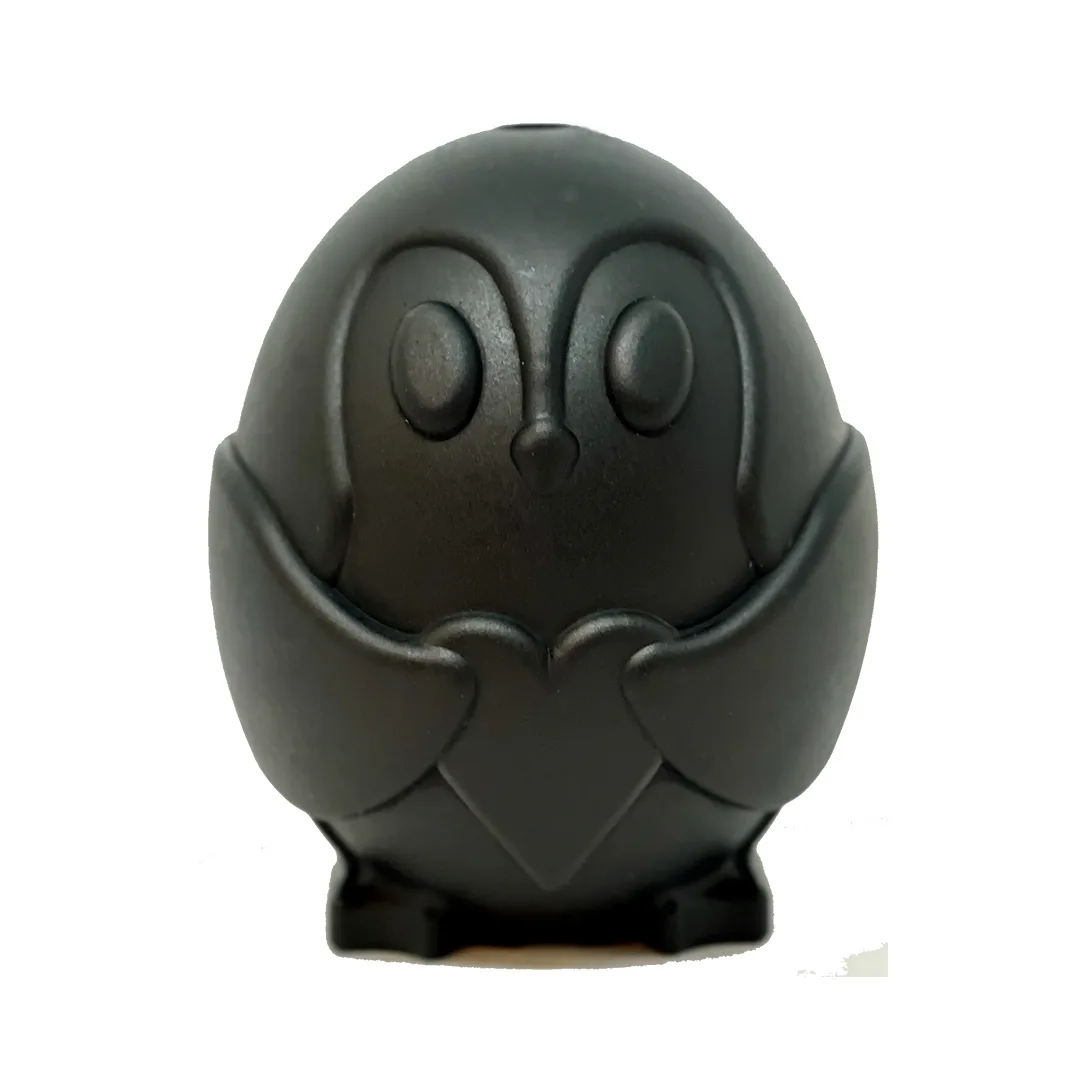
- New! Penguin Durable Rubber Chew Toy & Treat Dispenser: This penguin toy is designed and built to withstand the abuse of most chewers and helps keep your dog entertained while reducing problem chewing behaviors. If your dog chews its bowl, a durable chew toy can redirect that behavior away from the feeding station.
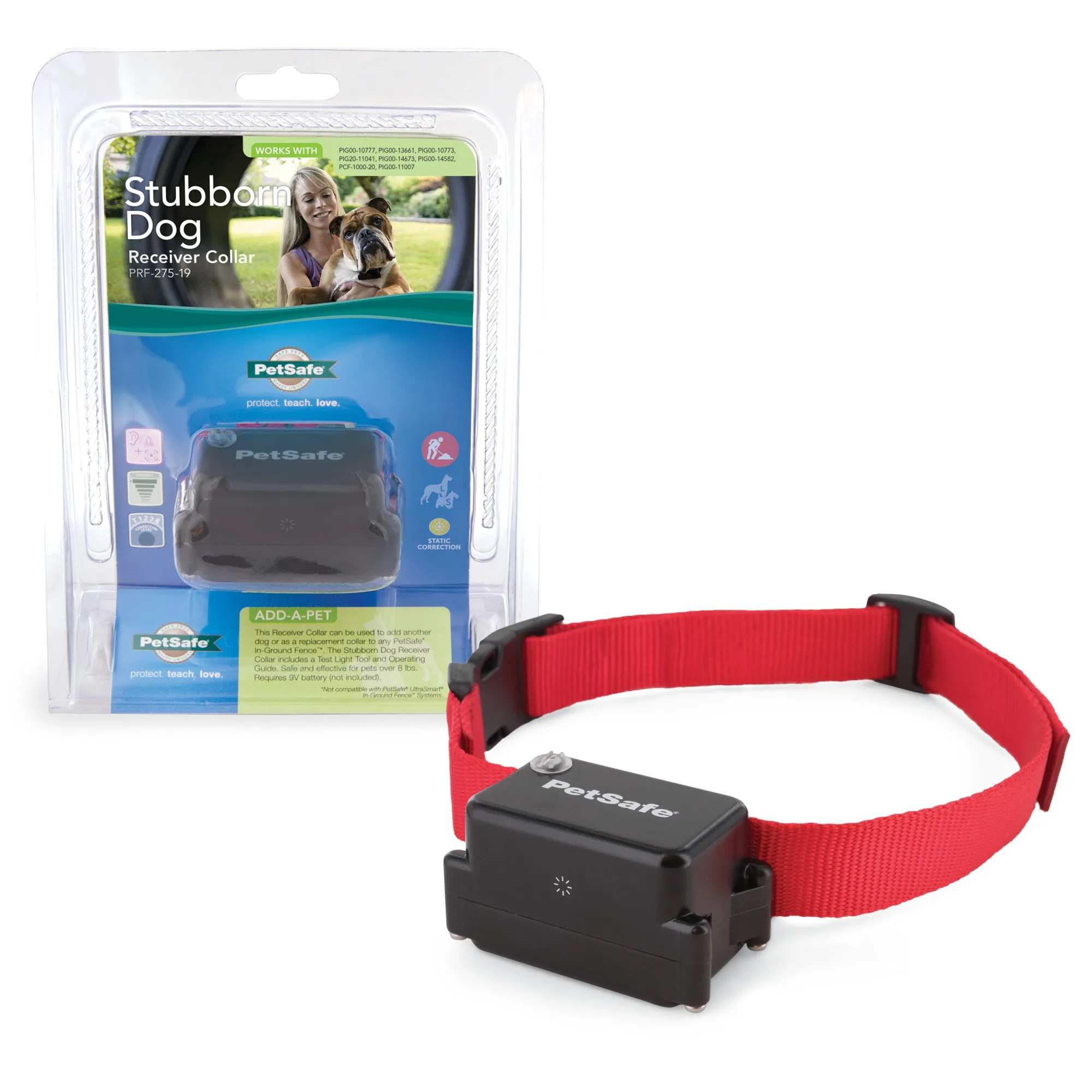
- PRF-275-19 Stubborn Dog In-Ground Fence™ Receiver Collar by PetSafe®: This extra receiver collar can be used to add another dog to any PetSafe in-ground fence system or as a replacement collar to the Stubborn Dog In-Ground Fence. If you feed multiple dogs in one area, a fence receiver collar helps you manage which dog has access to the feeding zone.
Who this buying guide is for
Best for
- Owners measuring for a first bowl or replacing a chewed bowl
- Households with a large dog that tips or empties bowls quickly
- Owners comparing stainless steel vs plastic dog bowl options
Not for
- Owners looking for automatic or electronic feeders
- Dogs with medical conditions that require a vet-prescribed feeding setup