A dog collar is more than a fashion accessory—it's a vital piece of safety equipment. Whether you're heading out for a walk or just hanging around the house, the right collar can keep your furry friend secure and comfortable. Unfortunately, many pet parents unknowingly make mistakes that can lead to discomfort, injury, or even escape. In this guide, we'll explore the most common dog collar safety mistakes and how to avoid them, so your pup stays happy and safe.
From choosing the wrong size to neglecting regular checks, these pitfalls are easy to overlook. But with a little knowledge and attention, you can ensure your dog's collar is both functional and comfortable. Let's dive into the top mistakes and how to fix them.
1. Choosing the Wrong Size
One of the most common dog collar mistakes is selecting the wrong size. A collar that's too tight can cause choking, skin irritation, and even damage to the trachea. On the other hand, a collar that's too loose can slip off, allowing your dog to escape and get into dangerous situations. The general rule is to ensure you can fit two fingers between the collar and your dog's neck. This snug but comfortable fit is essential for safety.
When measuring your dog, use a flexible tape measure and wrap it around the base of the neck, where the collar will sit. Add a little extra room for comfort, but not too much. If you're between sizes, it's usually safer to go up slightly, but always double-check the fit. Remember that puppies grow quickly, so re-measure regularly and adjust or replace the collar as needed.
- Check the fit every few weeks, especially for growing puppies.
- When in doubt, consult the manufacturer's sizing guide.
2. Fastening the Collar Too Tightly
Even if you've chosen the right size, you might still fasten the collar too tightly. It's a common mistake to pull the collar snug against the neck, thinking it will be more secure. However, a tight collar can cause breathing difficulties, skin chafing, and even affect your dog's mood and behavior. Your dog should be able to swallow and pant normally without restriction.
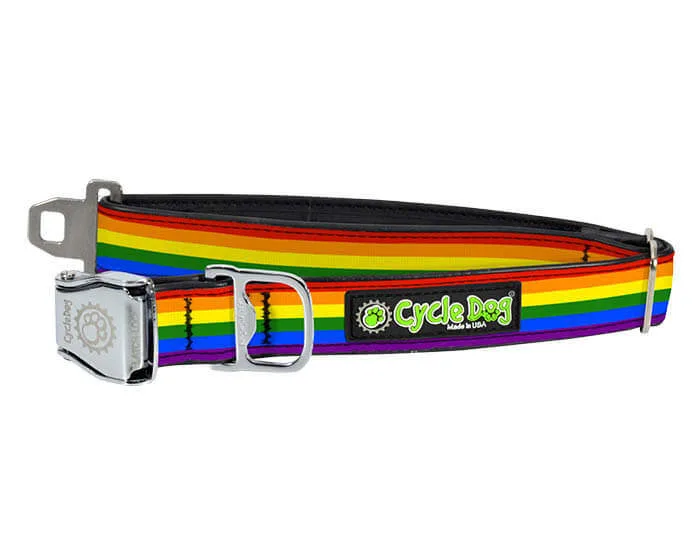
To check, you should be able to slip two fingers comfortably under the collar. If you can't, it's too tight. Loosen it immediately. Also, consider the type of collar—some materials, like the Eco-Weave used in the Ecoweave Rainbow Pride Dog Collar, are softer and more flexible, but the same fit rules apply.
- Always do the two-finger test after fastening.
- If your dog is coughing or scratching at the collar, it's likely too tight.
3. Leaving the Collar On 24/7
Many dog owners leave their dog's collar on all the time, even when they're home alone or sleeping. While it's convenient, it can lead to skin irritation, matting, and even pressure sores, especially if the collar gets wet or dirty. Constant rubbing can also wear down the fur and cause hot spots. It's a good practice to give your dog a break from the collar, especially at night.
However, if you do remove the collar, make sure your dog has some form of identification, like a microchip. Some owners prefer to keep a collar on for safety, but if you do, choose a comfortable, well-fitted collar and check the skin underneath regularly. For example, the Monsters Dog Collar is designed with comfort in mind, but even the best collar should be removed periodically.
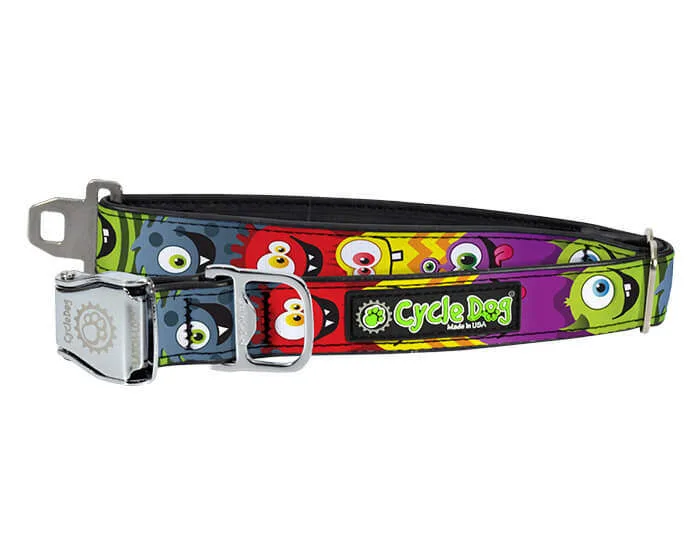
Monsters Dog Collar
- Remove the collar during crate time or when your dog is unsupervised indoors.
- Inspect the skin under the collar for any signs of irritation.
4. Ignoring Hardware Wear and Tear
Collar hardware—buckles, D-rings, and clasps—can wear out over time. A weakened buckle can break, causing your dog to slip free during a walk, which is a serious safety risk. Regularly inspect the hardware for rust, cracks, or bending. If you notice any signs of wear, replace the collar immediately. It's better to be safe than sorry.
High-quality collars, like those from Cycle Dog, use durable hardware that lasts, but no hardware is indestructible. Check the stitching and the attachment points where the hardware meets the material. If you see fraying or loose threads, it's time for a new collar. Remember, a collar is an investment in your dog's safety.
- Check hardware at least once a month.
- Test the buckle and D-ring by pulling gently to ensure they're secure.
5. Not Cleaning the Collar Regularly
Dogs get dirty, and so do their collars. Dirt, oil, and bacteria can accumulate on the collar, leading to skin infections and unpleasant odors. Some collars are machine washable, but others require hand washing. Always follow the manufacturer's care instructions. For most collars, a simple soak in warm soapy water and a scrub with a brush will do the trick.
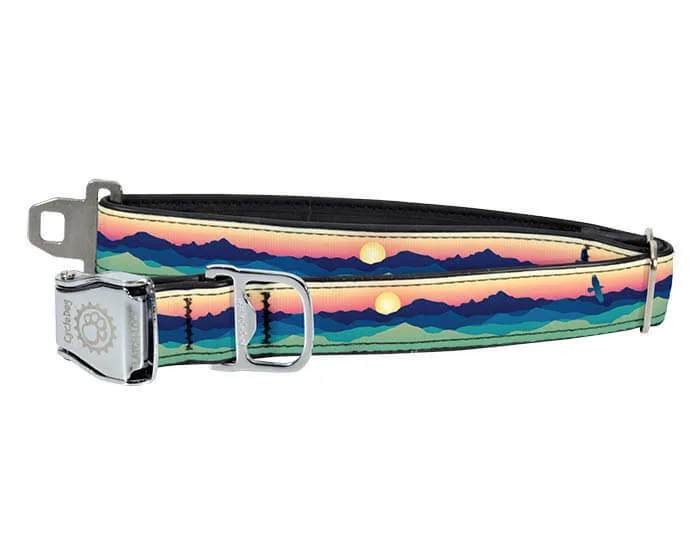
If your dog swims or gets caught in the rain, dry the collar thoroughly to prevent mildew and rust. A clean collar is not only more comfortable but also safer. For example, the Eagle Sunrise Dog Collar is made with materials that are easy to clean, but you still need to maintain it.
- Clean your dog's collar at least once a month, more often if they're active.
- Dry the collar completely before putting it back on.
6. Using a Collar for the Wrong Purpose
Collars are designed for identification and leash attachment, but some owners use them for training or as a restraint. Using a collar for the wrong purpose can be dangerous. For example, attaching a retractable leash to a collar can cause sudden jerks that injure the neck. Similarly, using a choke chain or prong collar without proper training can cause serious harm.
For training, consider a harness that distributes pressure more evenly. If you need a collar for training, consult a professional. For everyday use, a simple, well-fitted flat collar is best. The Fuzzball of the Month Subscription can provide new toys to keep your dog engaged, but for walks, stick to a safe collar.
- Use a harness for training or for dogs that pull.
- Never attach a retractable leash to a collar.
7. Not Considering Your Dog's Activity Level
An active dog that runs, jumps, and plays needs a collar that can withstand the wear and tear. A flimsy collar may break or become uncomfortable during vigorous activity. Consider the material and construction. For example, the Duraplush Bones are great for chewers, but for collars, look for reinforced stitching and durable materials.
If your dog is a swimmer, choose a quick-drying, waterproof collar. If they're a digger, a sturdy, abrasion-resistant collar is a must. Always match the collar to your dog's lifestyle to ensure it stays safe and functional.
- For active dogs, choose a collar with reinforced stitching and durable hardware.
- For water-loving dogs, opt for materials that dry quickly and resist mildew.
8. Overlooking the Importance of a Breakaway Feature
Some collars come with a breakaway or quick-release feature that allows the collar to open if it gets caught on something. This is especially important for dogs that are left unattended with their collars on, as they can get snagged on fences, branches, or crates, leading to strangulation. While not all collars have this feature, it's worth considering for your dog's safety.
If you prefer a collar without a breakaway feature, make sure to remove it during unsupervised time. Alternatively, choose a collar with a quick-release buckle that you can easily undo. The Union Jack Dog Collar is an example of a collar with a secure but quick-release buckle, offering both safety and convenience.
- Consider a breakaway collar for dogs that are home alone.
- Practice using the quick-release buckle so you can remove it fast in an emergency.
9. Forgetting to Check the Collar as Your Dog Grows
Puppies grow quickly, and a collar that fit perfectly last month may now be too tight. It's essential to regularly check the fit and adjust or replace the collar as needed. A collar that's too tight can cause choking and skin damage, while a loose one can slip off. Set a reminder to check the fit every few weeks for puppies and monthly for adult dogs.
If you notice red marks or fur loss around the neck, it's a sign that the collar is too tight. Don't wait for an accident—be proactive. The Mushrooms Dog Collar is adjustable, making it a good choice for growing dogs, but always re-check the fit.
- Check the fit every two weeks for puppies.
- Look for signs of rubbing or irritation.
10. Not Using a Collar with Reflective Elements for Night Walks
If you walk your dog in the early morning or evening, visibility is crucial. A collar with reflective stitching or materials can make your dog more visible to drivers and cyclists, reducing the risk of accidents. Many dog owners overlook this simple safety feature, but it can be a lifesaver.
Consider a collar with reflective elements, like the Red Black Diagonals Dog Collar, which combines style with safety. If your dog's collar doesn't have reflective features, you can add a reflective attachment or use a light-up collar for extra visibility.
- Look for collars with reflective stitching or trim.
- Add a reflective attachment to your dog's collar for night walks.
Avoiding these common dog collar mistakes is essential for your dog's safety and comfort. By choosing the right size, checking the fit regularly, maintaining the collar, and using it correctly, you can prevent accidents and ensure your pup enjoys every walk. Remember, a collar is a vital piece of safety gear—treat it with care. Explore our collection of high-quality, handmade collars at Cycle Dog, and find the perfect one for your furry friend.