Quick answer
Feed most adult dogs two measured meals a day, about 8–12 hours apart, at consistent times. Puppies need three to four smaller meals until around 4–6 months, then can move to two. The routine matters more than the exact clock time: steady meal spacing supports digestion and makes house-training and appetite monitoring easier.
Match meal frequency to your dog's life stage
A dog feeding schedule is not one-size-fits-all. Puppies have small stomachs and fast metabolisms, so they typically need three to four meals a day until about 4–6 months old, then two meals as they approach adulthood. Adult dogs generally do well on two meals. Senior dogs may benefit from two smaller meals if your veterinarian recommends it for weight or digestive support.
If you are unsure about your dog's specific needs, ask your vet. Body condition, activity level, and any health conditions all influence how often to feed a dog. The goal is a predictable rhythm that your dog's digestive system can rely on.
Set a feeding routine for dogs that fits your day
Pick two times you can realistically keep every day, such as 7 a.m. and 6 p.m. Dogs learn routines quickly, and consistent dog bowl feeding times can reduce begging and anxiety around food. If your schedule varies, keep the gap between meals as close to 8–12 hours as possible rather than letting it swing by several hours.
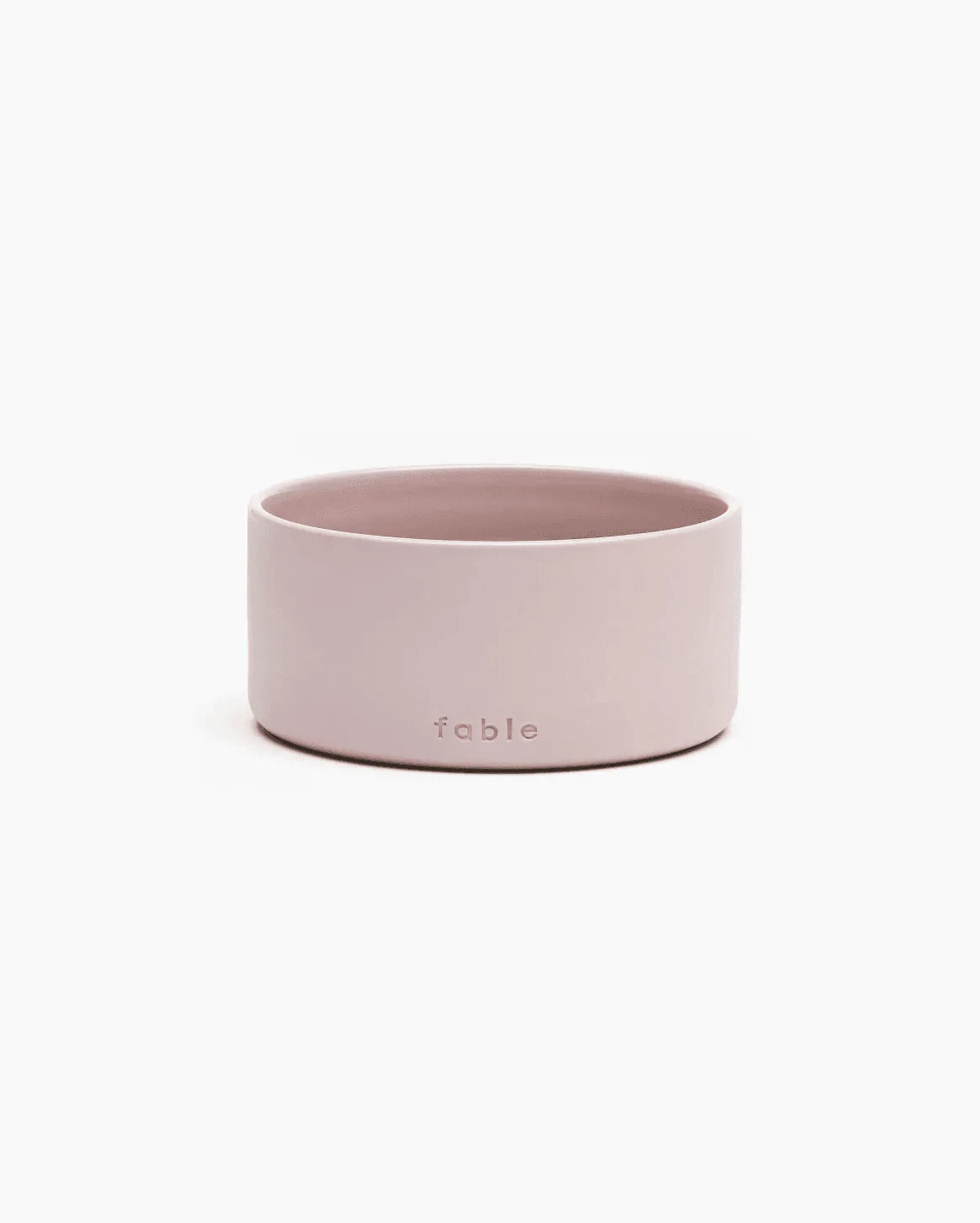
bowl
A simple way to stay consistent is to pair meals with your own routine—after your morning coffee and after your evening walk. Write the times on your calendar for the first two weeks until the habit sticks.
Measure portions and account for treats
Meal frequency only helps digestion if portions are right. Use the feeding guide on your dog's food as a starting point, then adjust based on body condition. Treats should generally make up no more than about 10% of daily calories, so if you use treats for training, reduce the meal portion slightly or choose low-calorie options.
If you use a treat-dispensing toy or a puzzle feeder, count that food as part of the meal rather than adding it on top. This keeps total daily intake steady and avoids accidental overfeeding.
Transition to a new schedule gradually
If you are changing from free-feeding to scheduled meals or shifting meal times, do it in steps. Move each meal by 15–30 minutes every few days until you reach the target time. Sudden changes can cause digestive upset, loose stools, or skipped meals.
During the transition, keep an eye on appetite, stool quality, and energy. If your dog regularly leaves food or seems uncomfortable, slow down and check with your vet before pushing further.
Step-by-step: Build a digestion-friendly feeding schedule
- Step 1: Choose your meal times: Pick two times for adult dogs or three to four for puppies, spacing meals 8–12 hours apart for adults. Write them down and treat them as fixed appointments. Common mistake: choosing times that change daily. If your schedule is irregular, pick the two times you are most likely to keep.
- Step 2: Measure each meal with the same scoop or cup: Use the feeding guide on your dog's food as a starting point, then adjust based on body condition. Keep the measuring tool consistent so portions do not drift. Checkpoint: you should be able to feel your dog's ribs easily without seeing them. If not, reassess portions with your vet.
- Step 3: Set a 15–20 minute meal window: Put the bowl down at the scheduled time and pick it up after 15–20 minutes, even if food remains. This teaches your dog to eat at mealtimes and prevents grazing. Common mistake: leaving food out all day. Free-feeding makes it hard to notice appetite changes and can blur your schedule.
- Step 4: Log appetite and stool for one week: Note how much your dog eats and whether stools stay firm. This baseline helps you spot problems early and shows whether the new schedule is working. Checkpoint: if your dog skips multiple meals or has loose stools for more than a day or two, contact your vet.
- Step 5: Adjust gradually if needed: If you need to shift meal times, move them by 15–30 minutes every few days. If you are switching foods, transition over 7–10 days by mixing increasing amounts of the new food. Next step: once the routine is stable, use part of a meal in a treat-dispensing toy to add enrichment without changing total daily intake.
Products that support a steady feeding routine
- Falcon Toy™: Falcon ToyTM features a custom falcon-claw design with multiple treat cavities that accommodate dry food like kibble and spreads like peanut butter at the same time. You can turn part of a scheduled meal into quiet enrichment, which slows eating and gives your dog a predictable activity between meals.
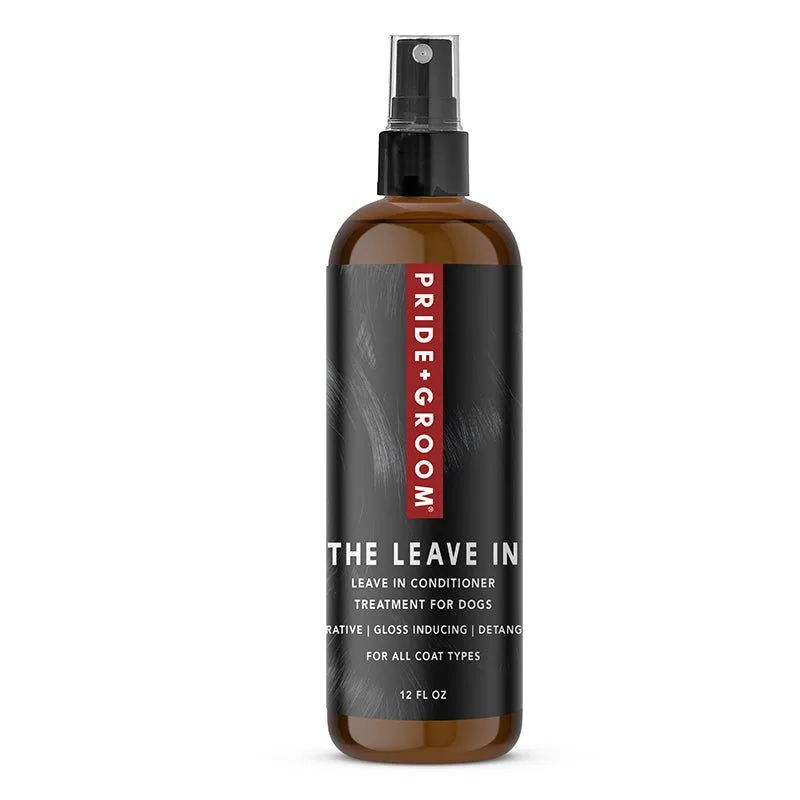
- Pride + Groom THE BATH BRUSH Dual-Use Silicone Grooming Brush: Pride + Groom THE BATH BRUSH is a dual-use silicone grooming brush with an ergonomic hand strap and flexible bristles that massage skin while loosening dirt, debris, and shedding undercoat. A consistent grooming routine pairs well with a feeding schedule—use it after meals as part of a calm daily pattern that supports overall comfort.
- Rigby Organic Chicken Pouch - 6 Pack: Rigby Organic Chicken Pouch is made with organic chicken, butternut squash, peas, and olive oil, and is designed for daily use as a low-calorie, nutrient-dense option for enrichment, meal topping, training, or pill administration. Because it is low-calorie, you can use it as a topper or training reward without throwing off the portions in your dog's scheduled meals.