Quick answer
For most upland and waterfowl hunters, choose polycarbonate dog goggles with a wide, soft rubber seal, a two-strap harness, and a clear or amber lens for low light. Fit matters more than brand: the goggles must sit on the brow without pressing the eyes or sliding down the snout. If your dog will not tolerate eyewear, skip goggles and use a well-fitted collar and handle for control instead.
Why hunting dogs need eye protection in cover and water
Brush, cattails, and thorny cover can scratch the cornea, and water retrieves expose eyes to debris, salt, and cold wind. Hunting dog eye protection is not about fashion; it is about keeping the dog working without a vet visit. A dog with a scratched eye will squint, paw, and often stop hunting, which ends the day for everyone.
Goggles also help with dust on dry field trials and with sun glare on water. But they only work if the dog keeps them on. That means the frame must stay put during a recall, a flush, or a swim, and the lens must not fog or distort the dog's view. If the dog cannot see naturally, it will not hunt naturally.
Lens tint and impact rating: what to pick for field work
Clear lenses are the safest default for early morning and evening hunts because they preserve natural color and light. Amber or yellow lenses boost contrast in flat light and are popular for upland birds in overcast conditions. Smoke or gray lenses cut glare on bright water but can make shadows look darker, which matters when a dog is quartering thick cover.
Look for polycarbonate lenses; they are impact resistant and commonly used in protective dog eyewear. Avoid glass or thin acrylic. If the product does not state an impact rating, treat that as a limitation and assume the goggles are for dust and light debris only, not heavy brush. No goggle is indestructible, so replace any lens that is deeply scratched or cracked.
Strap systems and seal: keeping goggles on a working dog
A single elastic strap around the head is easy to put on but tends to ride up or slip off during a retrieve. A two-strap harness, one above the eyes and one behind the ears, distributes tension and stays put better. The seal should be soft rubber or foam that touches the fur without digging into the eye socket.
Check for a chin strap or adjustable sliders. You want enough tension that the goggles do not shift when the dog shakes, but not so much that the seal presses the eyelids. If the seal leaves deep marks after five minutes, it is too tight. If the dog can paw them off in one motion, it is too loose.
Dog goggles sizing: measure before you buy
Measure the widest part of the dog's head, just in front of the ears, and the distance from the brow to the base of the snout. Goggles should cover the eye area without covering the nostrils. A frame that is too wide will slide down; too narrow will pinch the eyes and cause the dog to shut them.
Because dogs have different snout lengths and eye placements, no single size fits all. Look for adjustable straps and interchangeable nose bridges if available. If the manufacturer does not publish a sizing chart, that is a real limitation. In that case, buy from a seller with returns and test the fit indoors before field use.
Water, mud, and fog: care that keeps goggles usable
After a water retrieve, rinse the lenses with fresh water and dry with a soft cloth. Salt and mud etch coatings and scratch easily. Store goggles in a hard case, not loose in a game bag where they can be crushed. Anti-fog coatings wear off; if the lenses fog badly, a drop of dog-safe anti-fog or a replacement lens is more reliable than wiping with a dirty glove.
Never use household glass cleaner on polycarbonate. Mild soap and water are enough. Check the strap for fraying and the seal for tears before each season. A spare strap is cheap insurance on a multi-day hunt.
When to skip goggles and use control gear instead
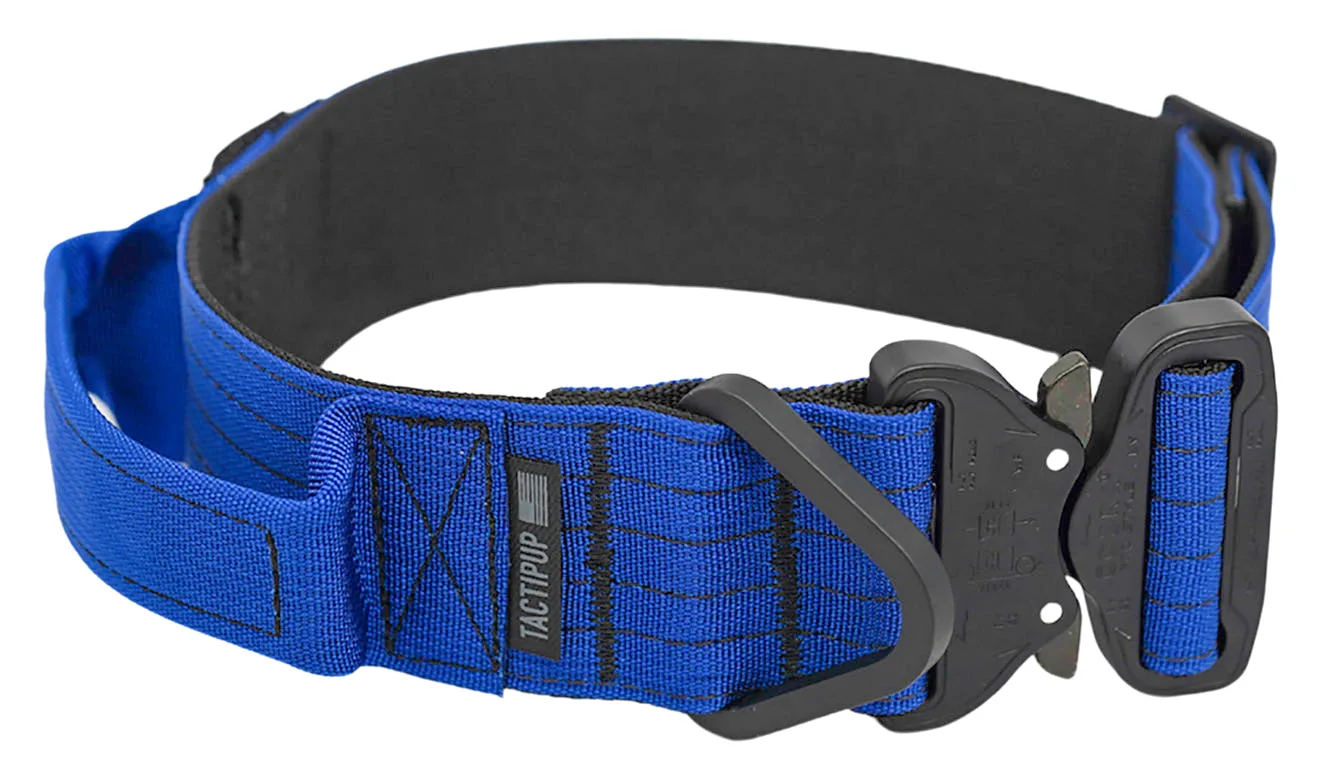
Some dogs never accept eyewear, and forcing it creates a negative association with hunting. If your dog fights the goggles after a gradual introduction, use a strong collar with a handle for quick control instead. Tactipup's Personalized Extreme 2 inch Dog Collar with Handle is built for training and working situations where you need to secure the dog fast. The Non-Personalized Extreme 2 inch Tactical Dog Collar with Handle offers the same wide, strong build for handlers doing agitation work or for large dogs that need a bigger collar.
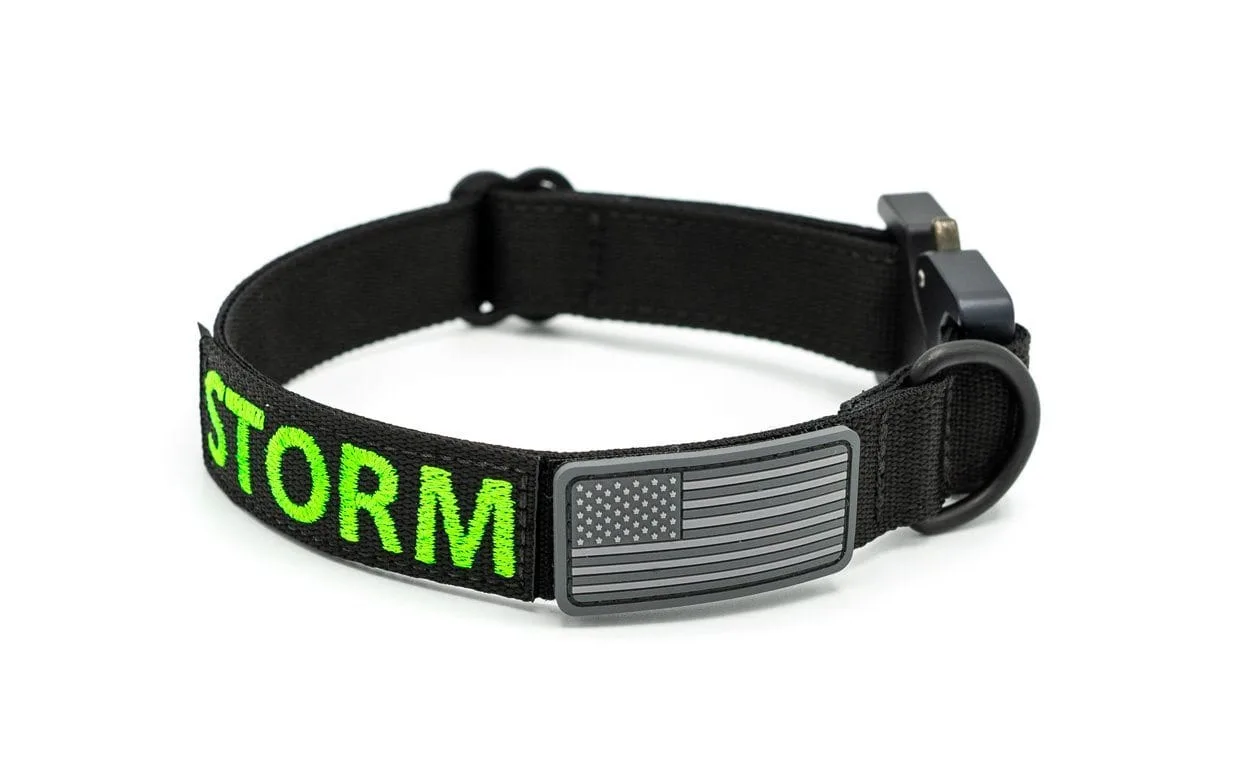
For a lighter setup, the Personalized 1" Extreme Tactical Dog Collar uses a 1-inch Cobra buckle rated at 2,000 lbs +, a welded steel D-ring, a metal slide adjuster, and military-grade nylon webbing. It is a practical choice for active dogs that do not need the bulk of a 2-inch collar. These collars do not replace eye protection, but they give you reliable control when the dog is working close to brush or water.
Decision rules for hunting dog eye protection
- If you hunt dense brush or thorny cover: Choose goggles with a polycarbonate lens and a soft, wide seal that keeps debris out. Check the frame for coverage above and below the eye. Prioritize impact resistance over tint.
- If you hunt waterfowl in low light: Use clear or amber lenses to preserve vision. Avoid dark tints that make shadows harder to read at dawn and dusk. Amber is a good all-around choice for overcast days.
- If your dog shakes or rolls after a retrieve: Pick a two-strap harness with adjustable sliders and a chin strap if available. Test the fit indoors with treats before you rely on it in the field. A loose single strap will not survive a hard shake.
- If you cannot find a sizing chart: Measure the head width and brow-to-snout distance, then buy from a seller with returns. Treat the absence of a chart as a risk, not a minor detail. Fit is the number one reason goggles fail.
- If your dog refuses goggles after gradual introduction: Use a strong collar with a handle for control instead of forcing eyewear. A collar like the Extreme 2 inch Dog Collar with Handle gives you a quick grab point without covering the eyes. Control gear is the backup, not a substitute for eye protection.
Field gear that supports the job
- Personalized Extreme 2 inch Dog Collar with Handle: The Extreme 2 inch Dog Collar with Handle combines over-the-top strength with a low-profile handle that allows you to quickly secure your dog when needed. A handle gives you an immediate grab point during a flush or water exit, which is useful when you are managing a dog that is not wearing goggles.
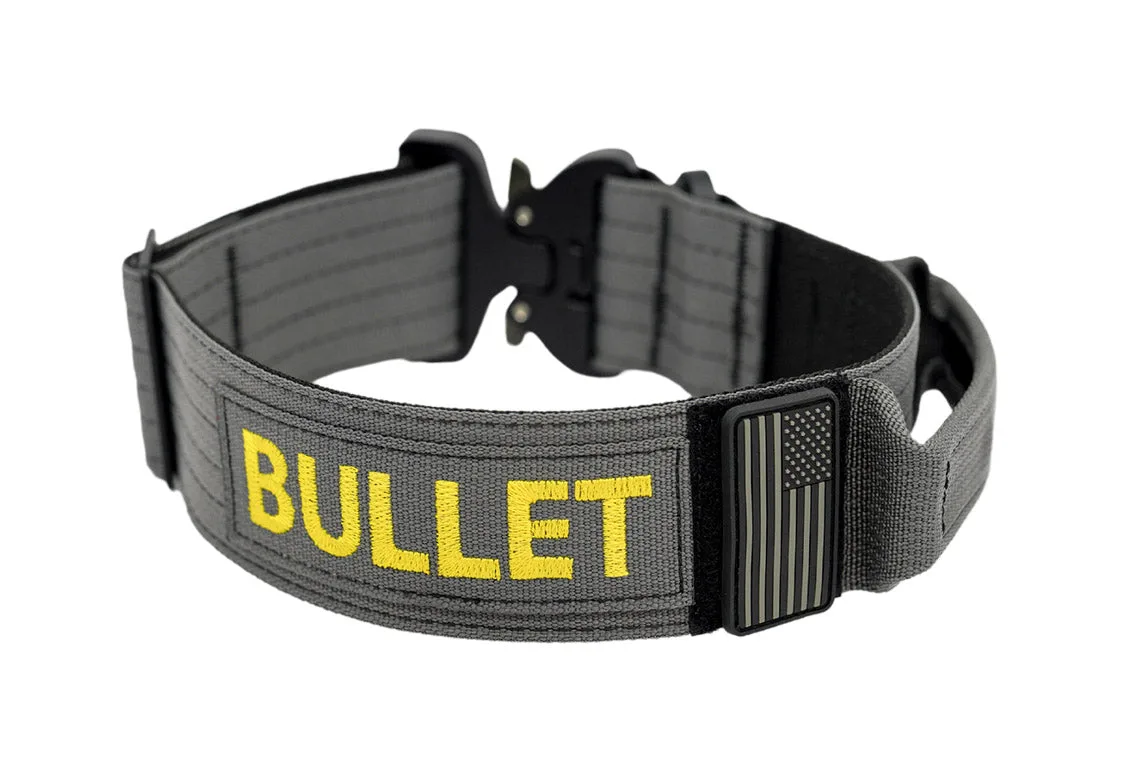
- Non-Personalized Extreme 2 inch Tactical Dog Collar with Handle: The Non-Personalized Extreme 2 inch Tactical Dog Collar with Handle works well for dog handlers doing agitation work, as an agitation collar, or for people who just have large dogs and want bigger collars. If your hunting dog is large or you run it in demanding conditions, a wider collar with a handle can be more comfortable and easier to control than a standard collar.
- Personalized 1" Extreme Tactical Dog Collar: The Personalized 1" Extreme Tactical Dog Collar is made with a 1" black Cobra buckle rated at 2,000 lbs +, a welded steel D-ring, a metal slide adjuster, and military-grade nylon webbing. This is a lighter, narrower option for active dogs that need strength without extra thickness, and the welded D-ring gives a secure leash attachment point.
Who this guide is for
Best for
- Upland and waterfowl hunters whose dogs work in brush, cattails, or cold water
- Owners of high-drive dogs that need eye protection but will still retrieve and quarter
- Handlers who want a clear decision process for lens tint, strap type, and sizing
Not for
- Dogs that will not tolerate eyewear after a slow introduction; use a handle collar for control instead
- Casual walks in open parks where eye protection is unnecessary
- Anyone looking for a guarantee that goggles will never come off during a hard shake