Quick answer
Buy the brush that matches your dog's coat, not the biggest kit. Short, smooth coats usually need a rubber curry or bristle brush, medium and long coats need a slicker, and double coats need an undercoat rake plus a slicker for the topcoat. If shedding is your main complaint, start with a slicker or rake and add a deshedding tool only after you confirm the coat type.
Match the brush to the coat, not the breed label
Breed names are a rough guide at best, because coat length, density, and texture vary within the same breed and change with age. Judge the coat in front of you: run your fingers through it and note whether hair is short and flat, medium with a slight wave, long and silky, or dense with a soft undercoat under a harsher topcoat.
That single observation eliminates most of the wrong choices. A slicker on a short, smooth coat does little except scratch skin, while a soft bristle brush on a dense double coat glides over the surface and leaves the undercoat untouched. If you are unsure, buy one brush for the coat you can see and add a second only when you find a specific problem it does not solve.
Dog grooming brush types and what each actually does
Slicker brushes have fine, angled wire pins on a flat or slightly curved pad. They separate hair, lift loose fur, and work through light tangles on medium and long coats. They are the workhorse for everyday grooming on wavy or long hair, but they can be harsh on skin if you press hard or use them on a coat with no length to grab.
Bristle brushes use stiff natural or synthetic bristles to distribute natural oils and smooth the topcoat. They are best as a finishing brush on short and medium coats, and they are gentle enough for dogs that dislike wire. They will not remove undercoat or work through mats.
Undercoat rakes have a row of short metal teeth that reach under the topcoat to pull loose undercoat. They are essential during seasonal shedding on double-coated dogs, but they should not be used on dogs with no undercoat, and they should be used in short strokes rather than dragged.
Rubber curry brushes and grooming mitts are for short, smooth coats and for dogs that tolerate only light pressure. They lift loose hair and massage skin, but they will not detangle or thin a dense coat. Deshedding tools with a blade edge remove a lot of loose fur quickly, but they are easy to overuse and can leave coat damage if used on the wrong coat type or too often.
How to choose a dog brush for shedding without overbuying
Start by identifying whether the shedding comes from the topcoat or the undercoat. If fur comes away in soft clumps and the coat looks dense, you are dealing with undercoat shedding and a rake will do more than any slicker. If loose hairs sit on the surface and the coat is short, a rubber curry or bristle brush is enough.
Then match the tool to how often you will realistically groom. A slicker used three times a week removes more loose hair than a rake used once a month. Frequency matters more than tool price, so pick a brush that is comfortable in your hand and quick to clean, because you will use it more.
Finally, check the dog's response. If your dog flinches, pulls away, or tries to mouth the brush, the tool is likely too harsh, too sharp, or being used with too much pressure. Switch to a softer tool and shorter sessions before assuming your dog hates grooming.
Grooming tools for dogs: what to skip and when to add it
Skip full grooming kits that include six tools you will never use. Most dogs need one primary brush for their coat type and one secondary tool for a specific problem, such as a rake for seasonal shedding or a comb for checking ears and tail feathers. Extra tools add clutter and make it harder to notice which one actually works.
Add a metal comb once your dog has medium or long hair. A comb is not a brush, but it is the fastest way to find mats you missed, especially behind the ears, under the collar, and around the tail. If the comb stops, the slicker did not finish the job.
Add a deshedding blade only if you have a double coat and you have already tried a rake. Used correctly, it removes a lot of loose undercoat, but it can thin the coat or irritate skin if you press down or use it on a dog with a single coat. Stop when the coat looks even and the tool stops loading with fur.
Decision rules: pick your brush in four checks
- Check the coat length first: Short and smooth coats need a rubber curry or bristle brush. Medium, long, or wavy coats need a slicker as the primary tool. Dense coats with a soft underlayer need a rake plus a slicker. If you can see skin easily through the coat, do not buy a rake.
- Check where the loose hair comes from: Surface hair on a short coat means a curry or bristle brush is enough. Clumps of soft undercoat mean a rake. Loose hair trapped in the topcoat means a slicker. Match the tool to the layer shedding, not to the amount of fur on your floor.
- Check your dog's tolerance: If your dog pulls away from wire pins, switch to a bristle or rubber tool and use shorter strokes. If your dog accepts a slicker easily, use it more often rather than buying a harsher tool. A tool your dog tolerates gets used; a tool your dog fears sits in a drawer.
- Check before adding a deshedding blade: Only add a blade-style deshedder if you have a double coat and a rake is not keeping up. Use light pressure, short strokes, and stop when the coat looks even. If you are unsure whether your dog has an undercoat, skip the blade.
Products that support a grooming routine
- KONG Easy Treat„¢ Cheddar Cheese For Dogs: KONG Easy Treat Cheddar Cheese is a no-mess paste treat with a nozzle that controls how much is dispensed. A food puzzle or stuffed toy with paste gives your dog something to do while you brush, which makes longer grooming sessions easier for dogs that fidget.
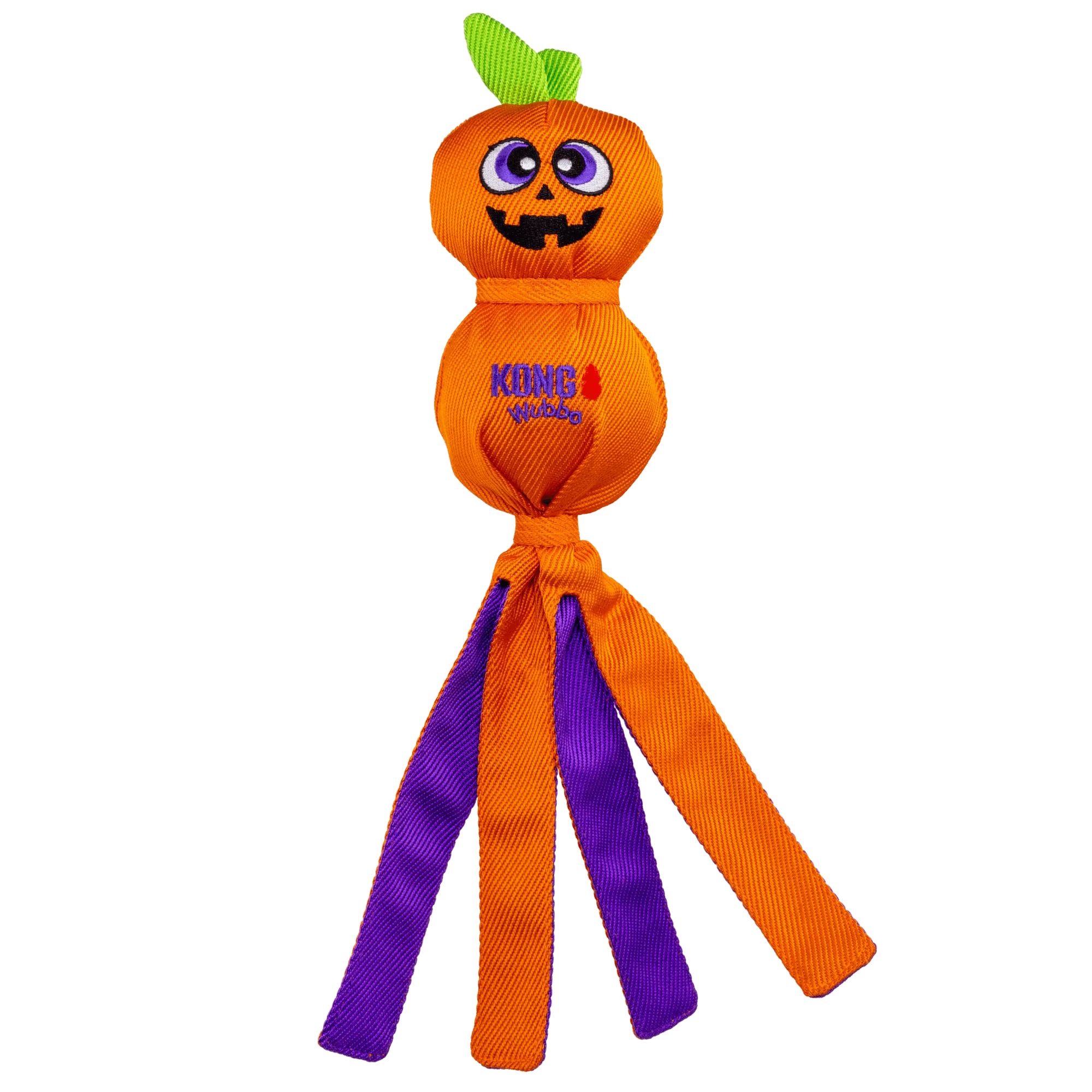
- KONG Halloween Wubba Ballistic Jack-O-Lantern Large: KONG Halloween Wubba Ballistic Jack-O-Lantern has a long, floppy tail and squeaker for tugging and fetching, made with ballistic fabric and reinforced stitching. A durable tug toy is a useful reward after grooming and helps redirect mouthy behavior when your dog would rather chew the brush than be brushed.
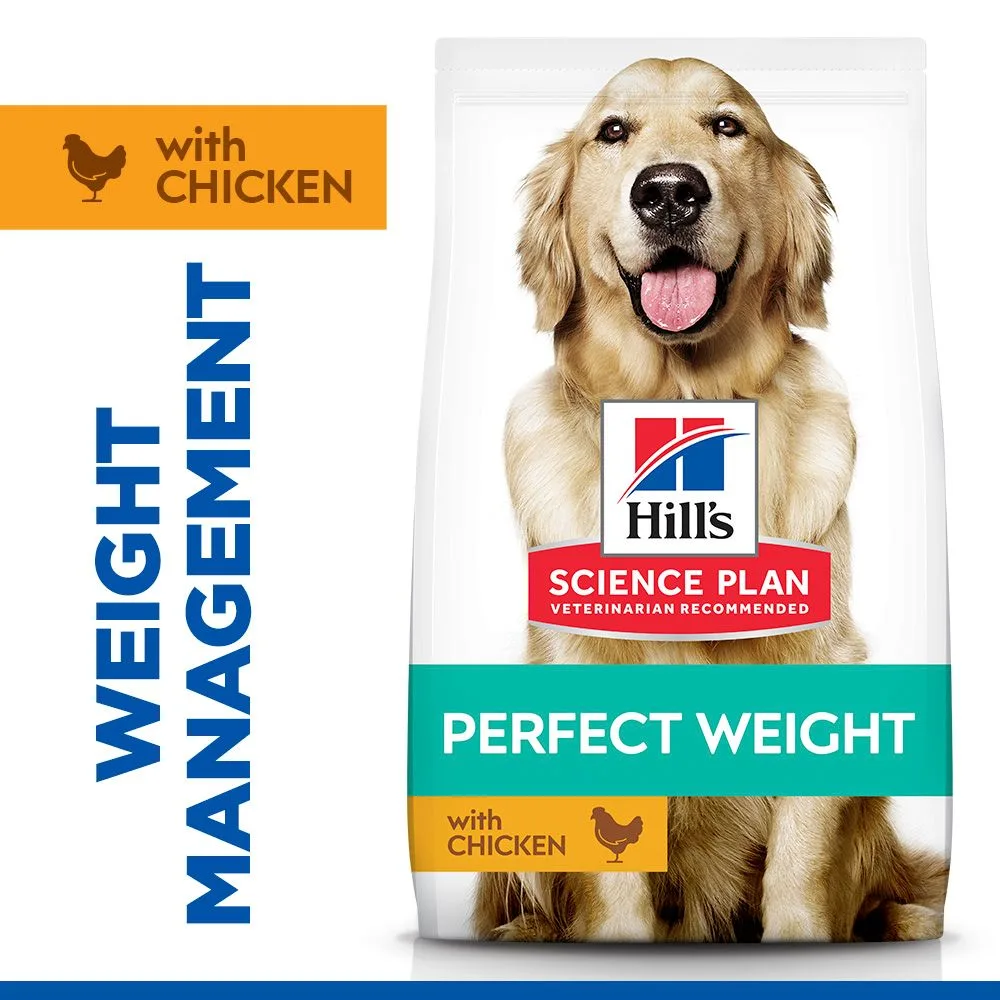
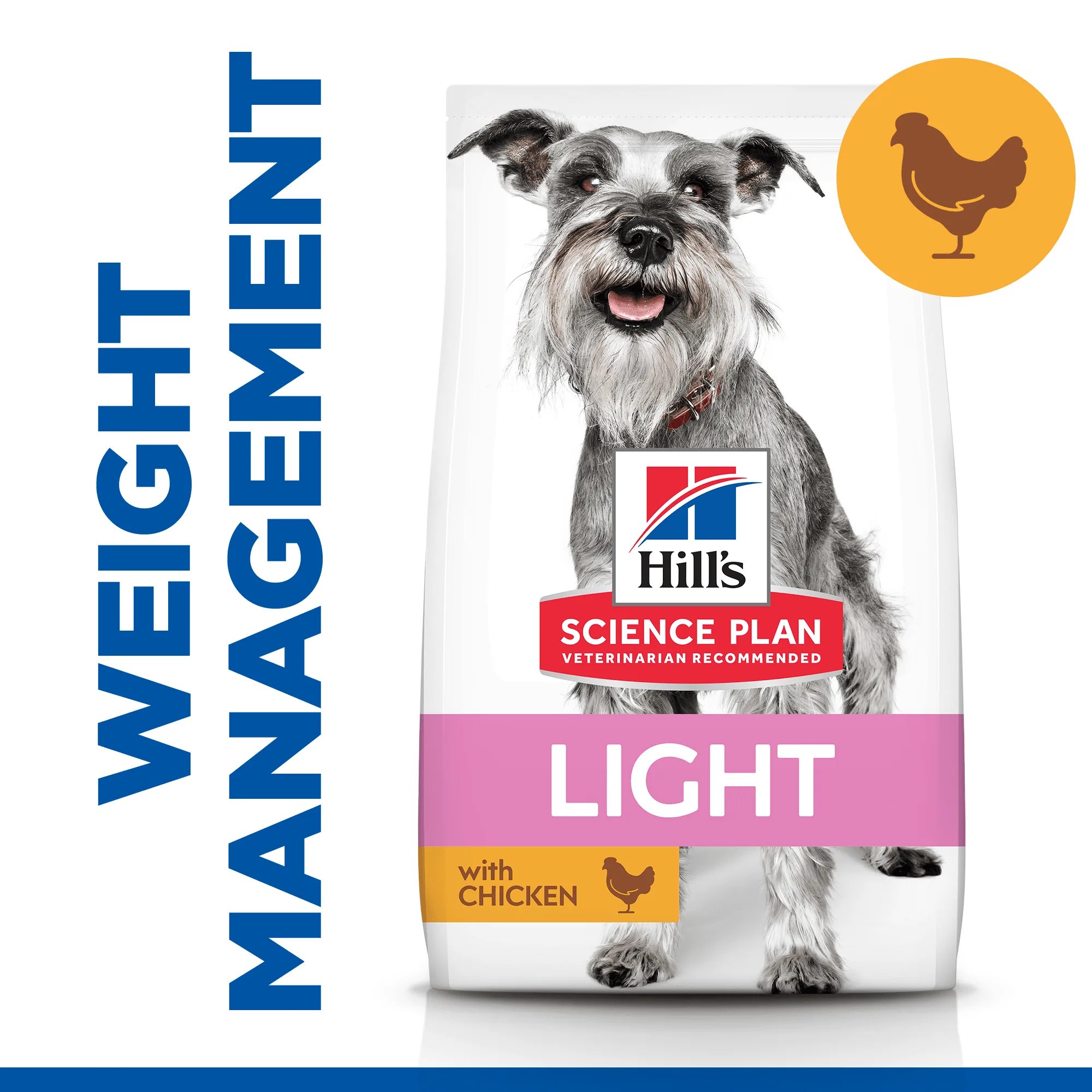
- Hill's™ Science Plan Perfect Weight Adult Large Breed Dry Dog Food with Chicken 12kg: Hill's Science Plan Perfect Weight Adult Large Breed Dry Dog Food with Chicken is a complete food for adult large and giant dogs from 1 year old that are slightly overweight or tend to gain weight. Weight affects how well a dog can be positioned and handled during grooming, and a large dog carrying extra weight is harder to reach under and around.
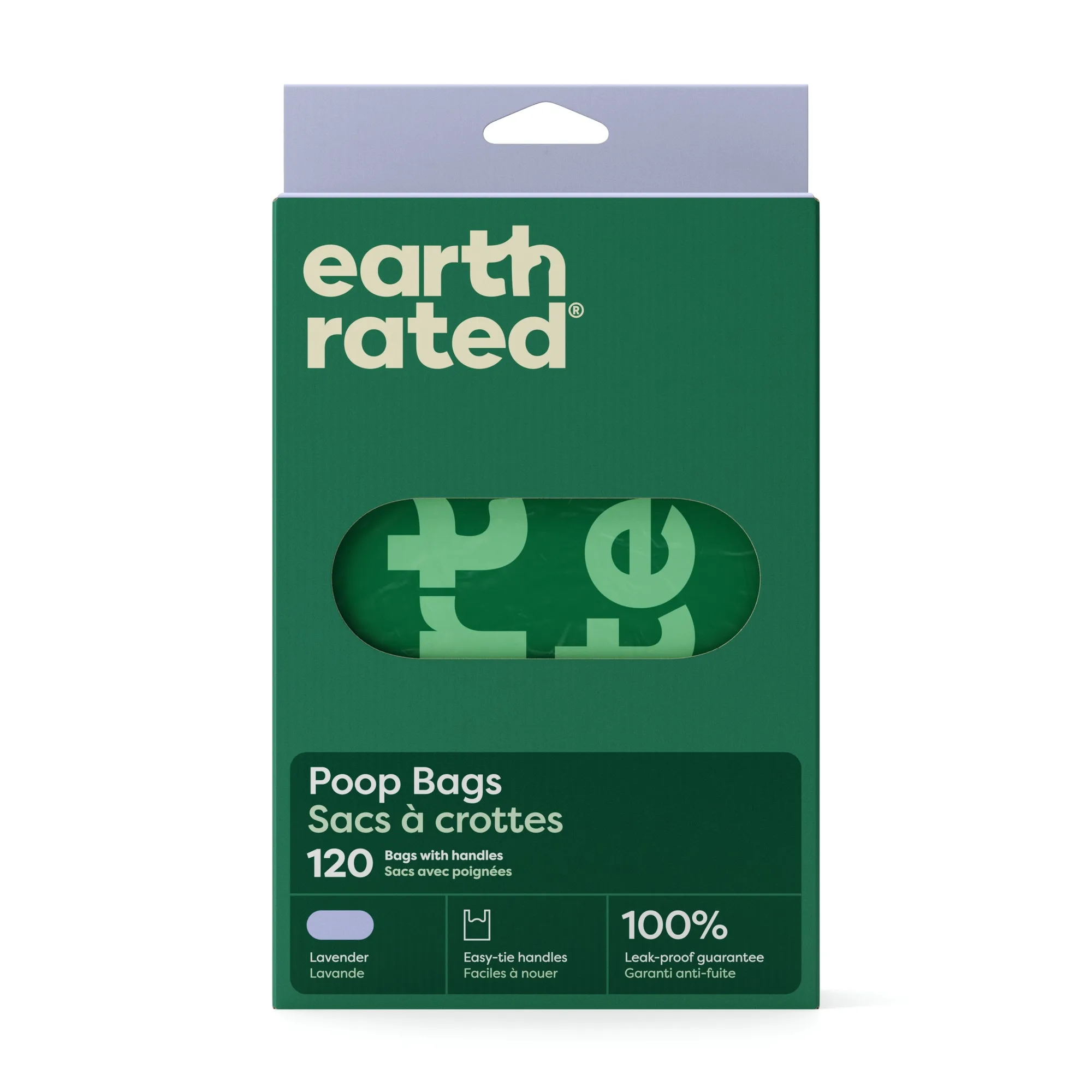
- Earth Rated 120 Tie Handle Poop Bags Lavender: Earth Rated 120 Tie Handle Poop Bags Lavender are extra long and extra strong at 13.5 by 7 inches, open wide, and are made from 65% certified post-consumer recycled plastic. Grooming often loosens fur and triggers a bathroom break, so having bags that open easily and handle any size mess keeps the routine from turning into a cleanup.
Who this brush advice fits
Best for
- Owners of short, medium, or double-coated dogs who want one or two tools that actually match the coat
- First-time dog owners comparing slicker vs bristle brush options before buying
- Households dealing with seasonal shedding who want a routine rather than a single quick fix
Not for
- Owners of hairless or continuously growing coats that need clipper work or professional trimming
- Dogs with severe mats or skin conditions that need a vet or professional groomer before any brush is used
- Anyone looking for a single brush that works on every coat type in a multi-dog home