Quick answer
For biking and canicross, a pulling-specific dog harness is the safer choice because it distributes load across the chest and shoulders instead of concentrating force on the throat. A collar can work for casual walking or as a backup for a dog that already runs calmly beside you, but it is not designed for pulling sports. If your dog pulls, use a harness; if your dog never pulls and you only need identification, a collar is fine.
Why a pulling harness changes the physics of the sport
When your dog leans into a canicross line or runs ahead of a bike, the force travels through whatever is around its neck or chest. A collar puts that force on the trachea and cervical spine, which is why dogs cough, gag, or develop neck sensitivity when they pull hard. A pulling harness spreads the same force across the ribcage and shoulders, so your dog can drive forward without pressure on the throat. The trade-off is that a harness gives your dog more leverage to pull, so it is not a tool for stopping pulling on a walk; it is a tool for channeling pulling in a sport where pulling is the point.
When a collar is still the right call
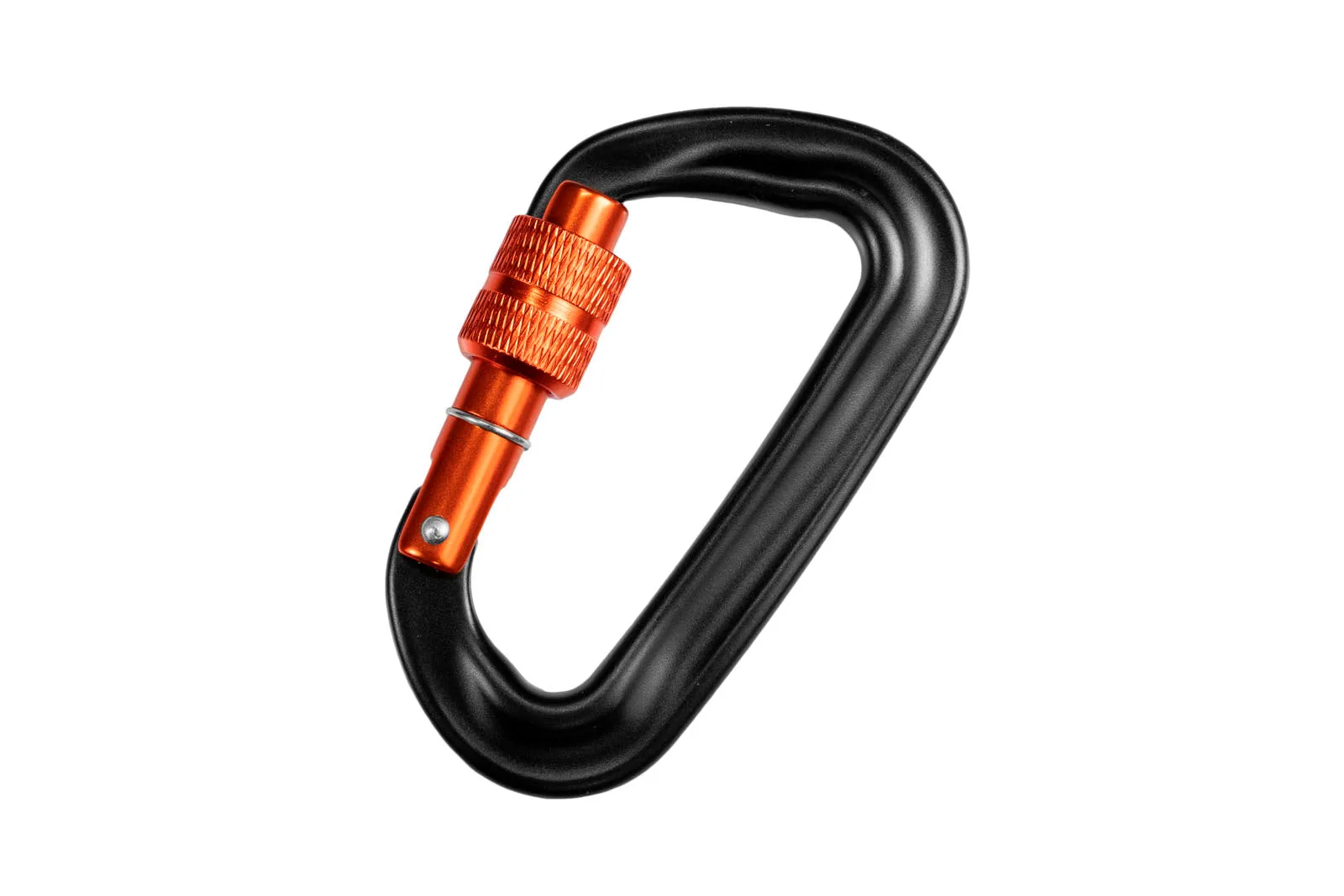
A collar is lighter, simpler, and easier to put on for a quick walk or a vet visit. If your dog has a reliable loose-leash walk and you are not asking it to pull, a collar is adequate. In canicross and biking, many handlers use a collar only for ID tags or as a backup attachment point, not as the primary connection. The risk with collar-only setups in running sports is sudden load: a squirrel, a cyclist, or a sharp turn can spike tension on the neck in a fraction of a second. If you use a collar during runs, keep the dog beside you rather than ahead, and never clip a bungee line to it.
Harness fit for pulling sports: what to check
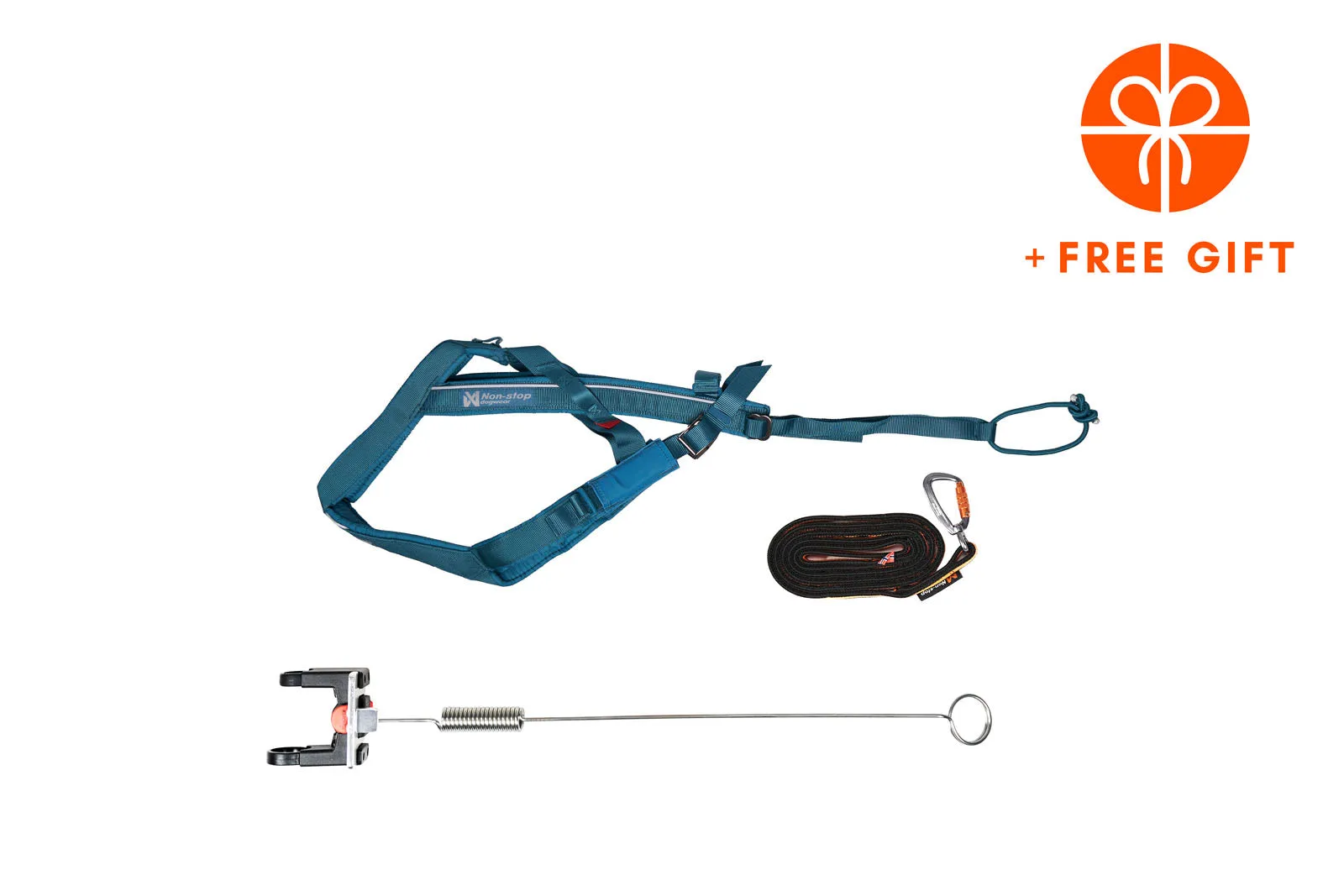
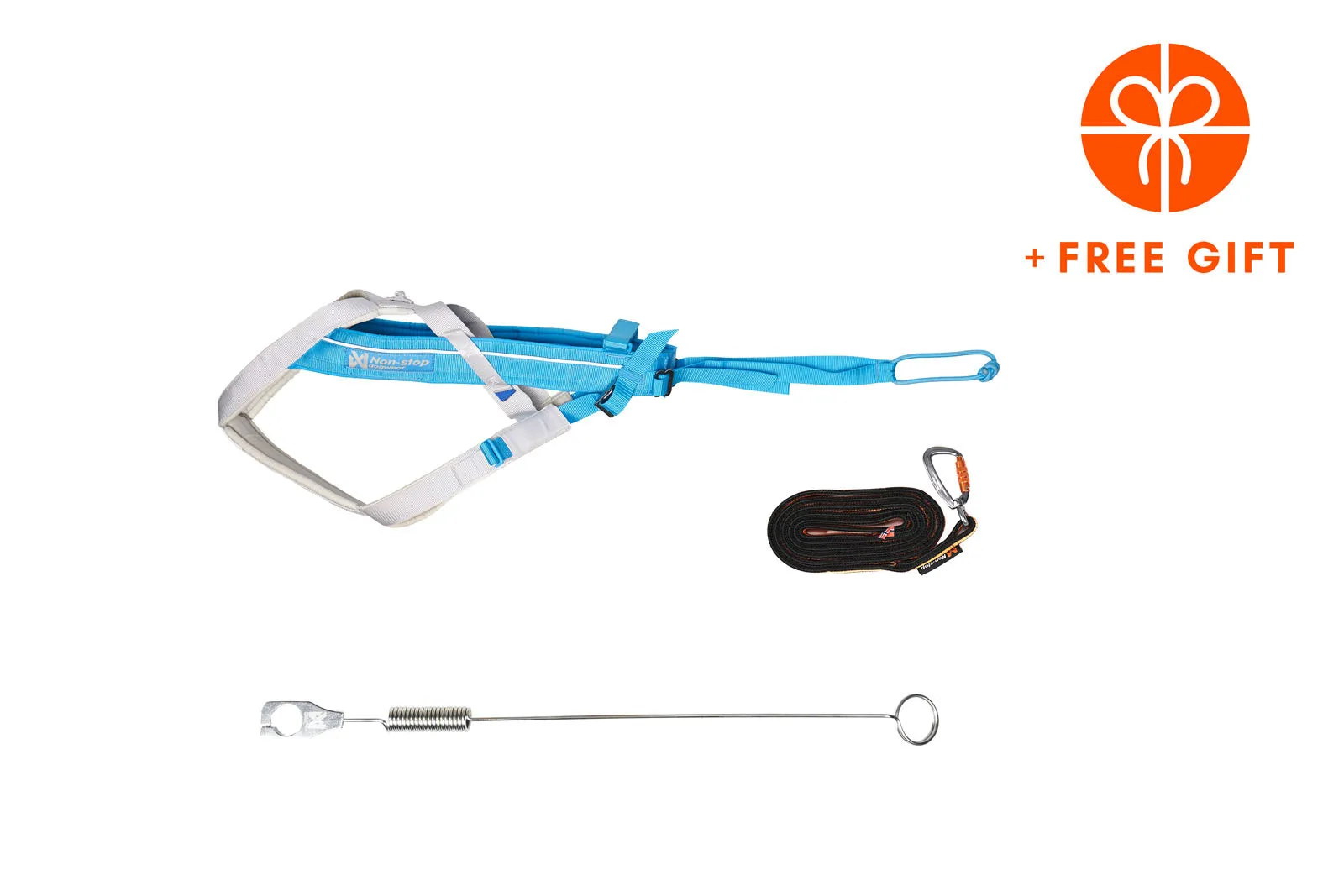
A pulling harness should sit low on the chest, not on the throat, and the rear attachment should clear the tail without rubbing. Measure your dog's chest girth at the widest point and compare it to the harness size chart, then check that you can fit two fingers under every strap. The harness should not twist when your dog pulls; if it does, the size or adjustment is wrong. For biking, a shorter line and a harness with a fixed rear attachment reduce the chance of the line wrapping a wheel. For canicross, a bungee line and a pulling harness with a rear D-ring are standard. Always test new gear on a short, low-distraction walk before a full run.
Spare parts and long lines: matching gear to the job
Your connection system matters as much as the harness. A worn end-rope or a long line that absorbs water can change how your dog pulls. For tracking or free-running sessions, a long line gives your dog room to move without a collar load. For pulling sports, a replacement end-rope keeps your existing harness functional if the original rope frays. These are small parts, but they are the difference between a setup that feels secure and one that fails at the wrong moment.
Trade-offs: harness vs. collar for running sports
- Load distribution: A harness spreads force across the chest and shoulders; a collar concentrates it on the throat and neck. For any pulling, choose a harness.
- Control and pulling leverage: A harness gives your dog more leverage to pull; a collar gives you more immediate head control but risks neck strain. Use a harness for sport, a collar for calm walking.
- Fit and adjustment: A pulling harness must be measured at the chest and checked for twist; a collar only needs a two-finger gap. Re-check harness fit every few weeks, especially on growing dogs.
Product facts
- Protector round long line: Water-resistant, ultra-durable, and lightweight dog long line for worry-free tracking, training, and free-running. Useful for free-running or tracking sessions where you want your dog to move without a collar load, but it is not a pulling harness for canicross or biking.
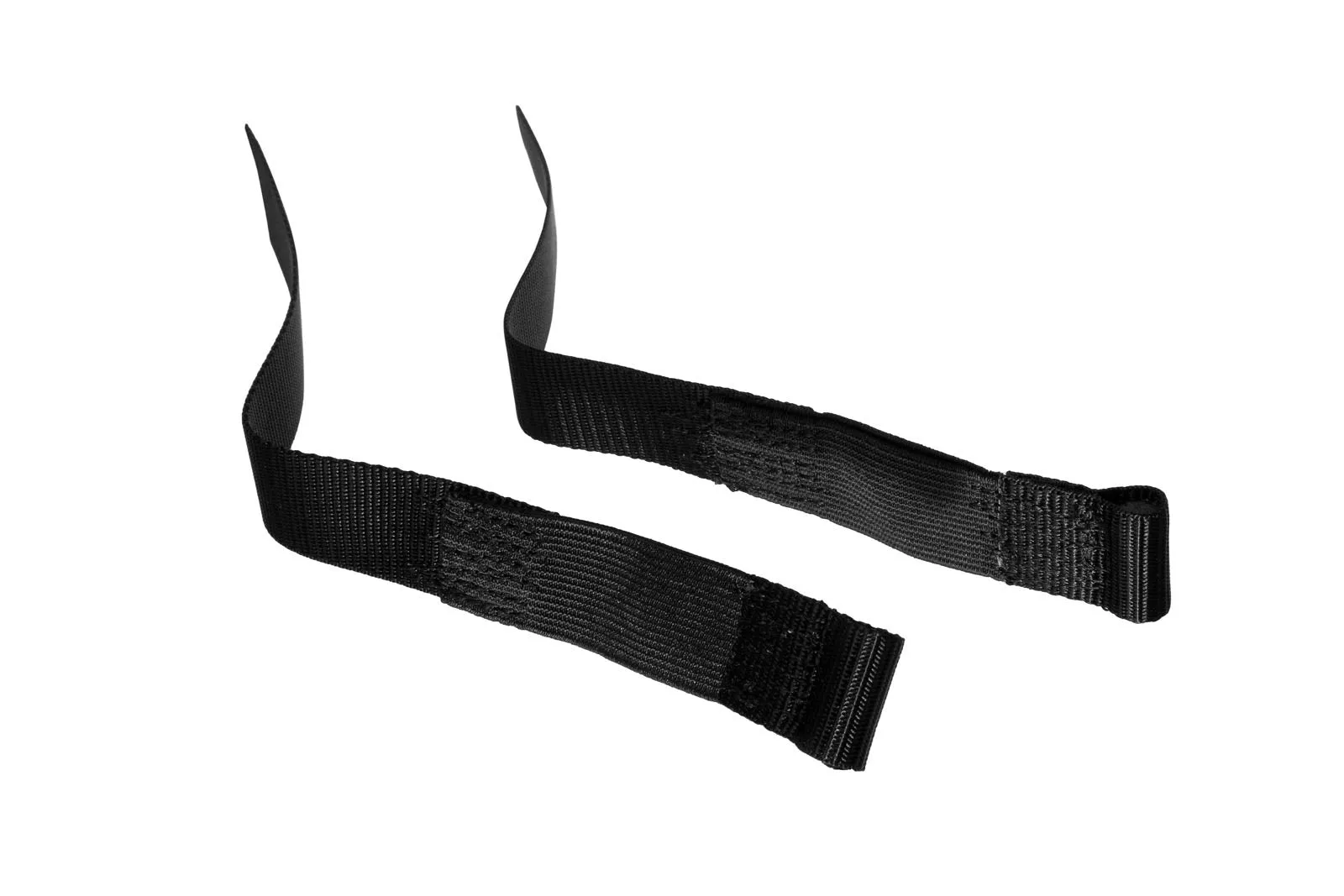
- Replacement end-rope: Replacement end rope for pulling harness. Keeps a pulling harness usable when the original end rope wears out, so you can maintain a safe connection without replacing the whole harness.
- Amundsen pack: Heavy-duty dog backpack for expeditions, strength training, and excursions. Ergonomic and adjustable, the pack sits steadily on the dog's back. Not a pulling harness, but its ergonomic, adjustable fit shows how load distribution matters; use it for strength training or hikes, not for canicross or biking.
Which setup fits your dog?
Best for
- Dogs that pull in canicross or bikejor
- Owners who want to protect the throat and neck during runs
- Dogs with a chest girth that matches a pulling harness size
Not for
- Dogs that never pull and only need ID tags
- Owners looking for a tool to stop pulling on walks
- Dogs with skin conditions or injuries that make a harness impractical