Quick answer
For most senior dogs, start with a joint supplement and a gentle, hypoallergenic shampoo, then add a low-impact toy if your dog still enjoys play. Prioritize products that match your dog's current mobility and skin sensitivity rather than buying a full senior bundle at once.
Senior dogs rarely need a completely different product lineup—they need the same categories you already buy, chosen with stiffer joints, thinner coat, and lower stamina in mind. The goal is to support comfort and daily function, not to chase every product marketed as "for seniors."
This guide walks through the categories that matter most for older dogs—joint support, skin and coat care, and appropriate play—and gives you decision rules so you can tell when a product is worth trying and when it is not.
Start with joint support, not a shelf of supplements
Mobility is usually the first thing senior owners notice: slower stairs, longer naps, less enthusiasm for the evening walk. A joint supplement is the most direct category to try because it targets everyday joint wellness and muscle support. Look for a formula that states its purpose clearly and is made in the USA if sourcing matters to you.
Do not stack three joint products at once. Pick one supplement, give it several weeks, and judge based on your dog's willingness to move—not on how the label sounds. If your dog has a diagnosed condition or is on medication, confirm with your vet before adding anything.
- Choose a supplement with a clear daily serving size for your dog's weight.
- Introduce one new product at a time so you can tell what is helping.
- Keep a simple log of walks and stair use to track changes over 4–6 weeks.
Grooming products should get gentler with age
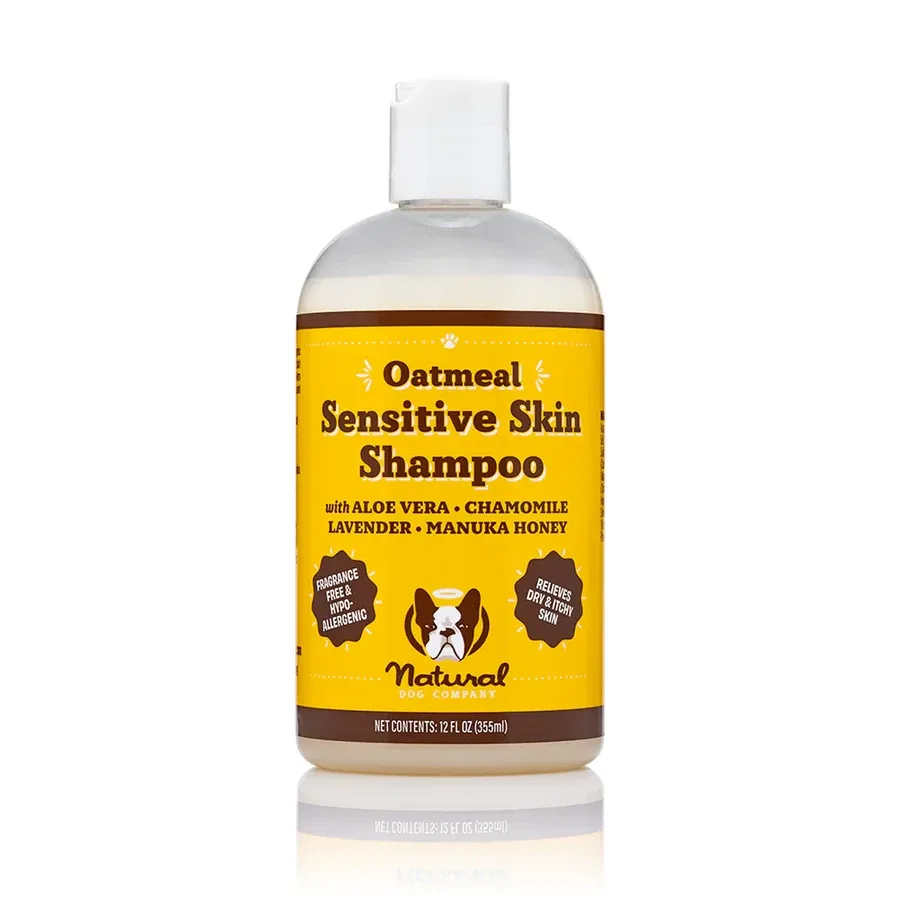
Older dogs often have thinner coats and more sensitive skin, so a harsh shampoo can cause more itching and dryness than it solves. A hypoallergenic oatmeal formula is a reasonable default because it cleans without stripping the skin, and it works for puppies through seniors of all breeds and sizes.
Bathing frequency matters as much as the product. Most senior dogs do fine with a bath every 4–6 weeks unless they get genuinely dirty. If your dog has open sores, hot spots, or sudden hair loss, that is a vet question, not a shampoo question.
- Rinse thoroughly—residue is a common cause of post-bath itching.
- Use lukewarm water; senior dogs regulate temperature less efficiently.
- Keep a towel or non-slip mat in the tub area to prevent slips.
Play and enrichment: lower impact, same benefits
Mental stimulation does not stop being useful when a dog slows down. Treat-dispensing toys and soft tug toys let a senior dog engage without the sprinting and hard stops that bother stiff joints. A treat holder that doubles as a chew toy provides entertainment and mental stimulation while promoting oral health—useful for dogs who can no longer handle long, vigorous play sessions.
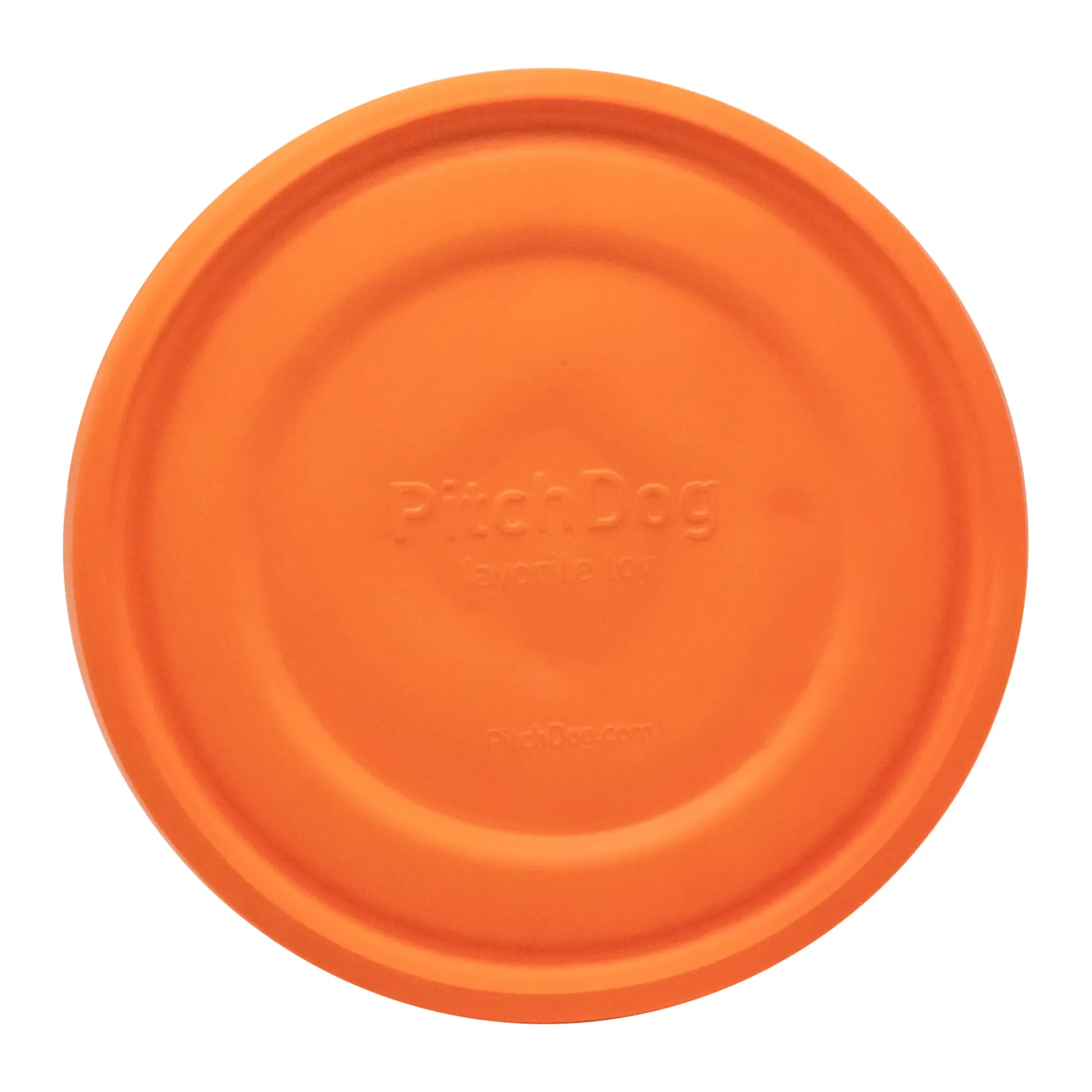
For dogs who still run, a soft flying disc is gentler on teeth and jaw than a hard plastic disc. Match the toy to what your dog actually does now: if fetch has turned into a slow trot, a soft disc or a treat toy will get more use than a ball launcher.
- Rotate two or three toys instead of leaving everything out at once.
- Stop play at the first sign of stiffness or heavy panting.
- Choose toys sized so your dog cannot swallow them whole.
What to skip (and why)
Skip anything that requires a behavior your dog can no longer comfortably perform, such as high-impact fetch or long training sessions with repeated sit-to-stand. Skip multi-ingredient "senior blends" that combine joint, skin, and calming claims—if something goes wrong, you will not know which ingredient caused it.
Also skip products with no clear serving or use instructions. A missing specification is a decision limitation, not a minor detail: if you cannot tell how much to give or how often to use it, you cannot judge whether it is working.
- Avoid stacking supplements with overlapping ingredients.
- Do not replace vet-prescribed medication with an over-the-counter product.
- Reassess every 3 months—senior dogs change faster than adult dogs.
Decision rules for buying senior dog wellness products
- If your dog is slowing on stairs or walks: Start with one joint supplement such as Hip & Joint Supplement and give it 4–6 weeks before judging. Do not add a second joint product on top. One product, one change, one clear result.
- If your dog itches after baths or has a thin coat: Switch to a hypoallergenic oatmeal shampoo like All-Natural Sensitive Skin Shampoo and bathe no more often than every 4–6 weeks. Gentler formula plus less frequent bathing usually beats medicated shampoo for routine care.
- If your dog still wants to play but tires quickly: Choose low-impact options: a treat holder for solo enrichment or a soft disc for gentle fetch. Skip high-impact games that involve sharp turns or jumps. Match the toy to today's ability, not last year's.
- If the label does not state a serving size or use frequency: Treat that as a dealbreaker. Without clear instructions you cannot measure whether the product helps or causes side effects. No instructions, no purchase.
Product facts to know
- Hip & Joint Supplement: Hip & Joint chews may help relieve occasional inflammation associated with normal exercise and activity, and support overall joint wellness, everyday health, strong muscles, and healthy joints for dogs at all stages of life. 100% made in USA. A single joint-focused chew is easier to evaluate than a multi-claim senior blend, and the all-stages wording means you can start it as soon as you notice slowing down.
- All-Natural Sensitive Skin Shampoo: Hypoallergenic oatmeal and aloe vera formula, mild enough for the most sensitive skin, made for puppies and sensitive-skin dogs of all breeds, ages, and sizes. 12 oz. Senior coats thin out, so a gentle formula reduces the risk that bath time makes itching worse rather than better.
- NEW! Tough Rubber Treat Holder & Chew Toy: Combines a treat dispenser and chew toy to provide entertainment, boost mental stimulation, and promote oral health. Gives a lower-energy senior dog a productive activity that does not require running or jumping.
- Herm Sprenger Flying Disc: Crafted from a soft yet durable material that is gentle on teeth and jaw, odorless, and suitable for backyard, park, or water play. A softer disc lets fetch continue for dogs whose teeth or jaw cannot handle hard plastic.
Who these products fit
Best for
- Owners of dogs 7+ showing early signs of stiffness or reduced stamina
- Dogs with sensitive skin or thinning coats that react to harsh shampoos
- Households that want a small, focused set of senior products rather than a full bundle
Not for
- Dogs with a diagnosed joint disease or on prescription medication—those cases need veterinary guidance first
- Owners looking for a single product that solves mobility, skin, and behavior at once
- Dogs with severe dental disease who should not chew on any toy until a vet evaluates them
Pick one product that matches your senior dog's most pressing issue, give it a fair trial, and reassess in a few months. A small, well-chosen set of dog wellness products for senior dogs will do more than a shelf full of maybes.