Quick answer
Buy dog wellness products that solve a problem you can actually name: a specific life stage, a specific symptom, or a specific daily habit. Skip anything marketed as general wellness with no target. For most owners, that means one age-appropriate supplement, one gentle grooming staple, and one durable toy or chew that fits how your dog actually plays.
The wellness aisle is crowded with vague promises, and the labels rarely tell you who the product is for. That makes it easy to spend money on things your dog doesn't need while missing the one item that would genuinely help.
This guide walks through how to judge dog wellness products before you buy: what a specific formula looks like, where general products fall short, and how to match supplements, grooming, and chews to your dog's age, coat, and chewing style.
Start with a life stage, not a symptom
The single most useful filter is age. A puppy, an adult, and a dog over seven have different nutritional and physical needs, and a product built for one group often wastes money for another. If a label doesn't state an age range, treat that as a gap rather than a selling point.
Once you know the life stage, narrow further to the body system you're trying to support. Cognitive function, heart health, and vision are common concerns in aging dogs, while puppies and young adults usually need coat, skin, and joint basics. Writing your dog's age and one concern on a note before you shop keeps the decision simple.
- If your dog is 7 or older, prioritize formulas labeled for aging dogs rather than general multivitamins.
- If your dog is under 2, skip senior-specific products entirely.
Judge supplements by what's inside, not by the front label
A useful dog supplement guide starts with the ingredient list. Omega-3s from fish oil support heart, joint, brain, and immune function, and turmeric and borage oil are common additions in senior blends. If a product lists those ingredients but doesn't say which life stage it targets, you're guessing.
Delivery format matters too. Chews are easy to dose and easy to travel with, while liquids mix into food and suit dogs that refuse tablets. Neither is better in the abstract, but one will fit your routine and the other will sit in a cupboard.
- Check whether the formula names a target group, such as dogs 7 and older.
- Pick chew or liquid based on what your dog will actually accept daily.
Grooming products should be boring and gentle
Skin and coat care is the least glamorous part of a dog wellness routine and the easiest to get right. For dogs with sensitive skin, oatmeal and aloe vera formulas are the standard choice because they clean without stripping. Hypoallergenic labeling is a useful signal when your dog reacts to ordinary shampoos.
You don't need a shelf of products here. One gentle shampoo that suits puppies and sensitive-skin dogs of any breed, age, or size covers most households, and you can add a conditioner later only if your dog's coat actually needs it.
- Choose oatmeal-based formulas for itchy or reactive skin.
- One gentle shampoo is enough unless your groomer recommends more.
Chews and toys are wellness products too
Mental stimulation and appropriate chewing are part of daily health, not just entertainment. The mistake is buying a toy that doesn't match your dog's chewing intensity. A soft cotton tug suits puppies and small or medium dogs, while a determined chewer will destroy it in an afternoon and may swallow pieces.
Match the material to the behavior. Retrieving and tugging instincts call for soft, tooth-friendly fabric, while aggressive gnawing calls for dense nylon. Floating rubber toys bridge the gap for dogs that fetch in water. Buying the wrong category is the most common way owners waste money on chews.
- Soft cotton for puppies, small and medium dogs, and tug or retrieve games.
- Dense nylon for dogs that gnaw rather than chase.
Decision rules for buying dog wellness products
- Rule 1: Name the problem in one sentence: Before buying, finish this sentence: 'I want to help my dog with ___.' If you can't fill the blank with something specific, the product is probably not necessary. No named problem, no purchase.
- Rule 2: Match age before ingredients: Senior formulas for dogs 7 and older, gentle everyday formulas for puppies and adults. A product that doesn't state an age range is a guess, not a bargain. Age first, then ingredient list.
- Rule 3: Buy the format your dog will accept daily: Chews for easy dosing, liquids for dogs that refuse tablets or need a multi-system blend. A supplement your dog won't take has zero value regardless of its formula. Consistency beats potency claims.
- Rule 4: Match chew material to chewing intensity: Soft cotton tugs for puppies and small or medium dogs; dense nylon for aggressive chewers; floating rubber for water fetch. Wrong material means a destroyed toy or a safety risk. One toy in the right category beats three in the wrong one.
Products that show what good targeting looks like
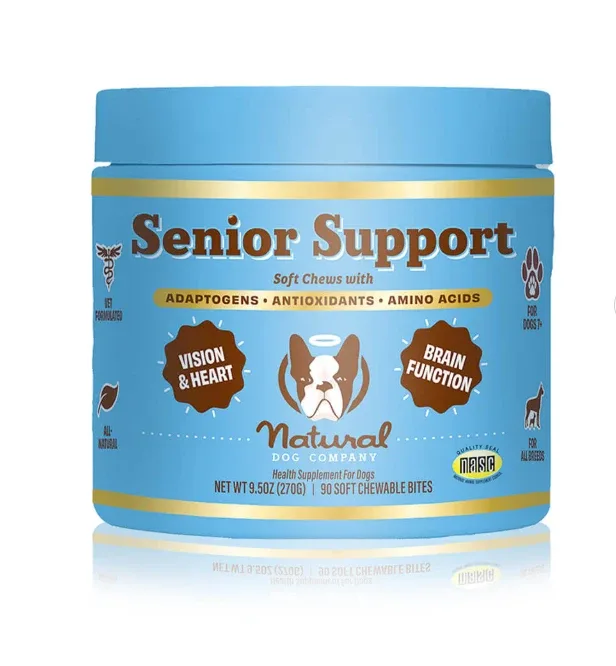
- Senior Support Chew: Formulated exclusively for aging dogs (7+ years), focusing on cognitive function, cardiovascular health, and vision support rather than general wellness. If your dog is seven or older, this is a targeted daily chew instead of a vague multivitamin. If your dog is younger, it isn't the right pick.
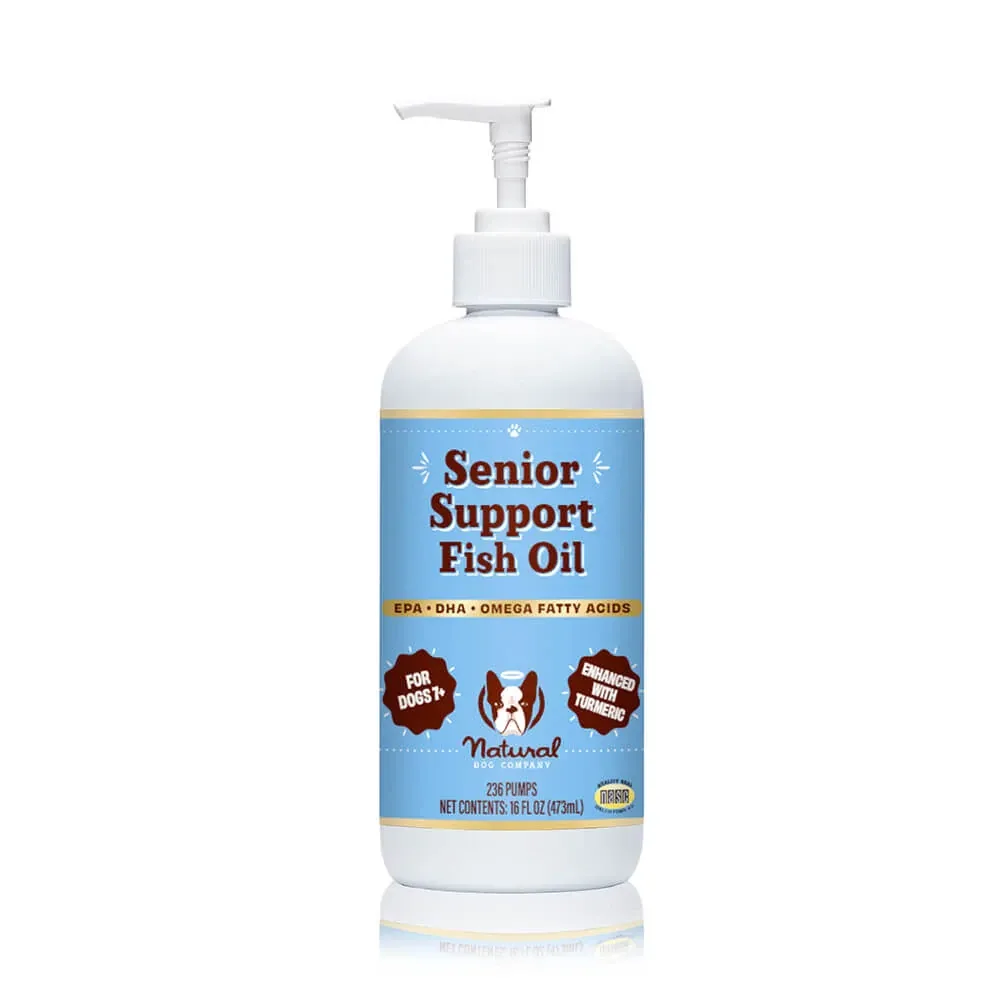
- NEW! Senior Support Fish Oil – 16 oz: A blend of wild-caught salmon and pollock oil with turmeric and borage oil, positioned to support heart health, joint flexibility, brain function, and immune response. A liquid option for senior dogs that won't take chews, covering several systems in one daily dose.
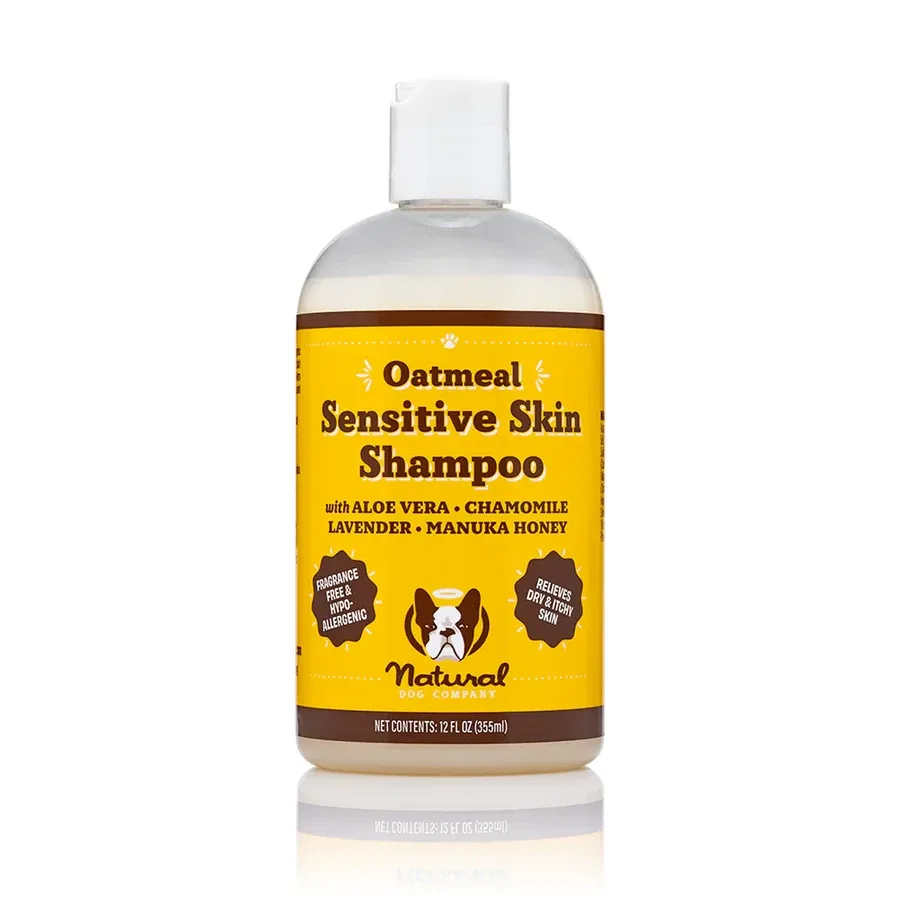
- All-Natural Sensitive Skin Shampoo: A hypoallergenic oatmeal and aloe vera formula described as gentle enough for puppies and sensitive-skin dogs of all breeds, ages, and sizes. Covers the grooming slot with one bottle instead of several, which is the realistic way most owners keep up with coat care.
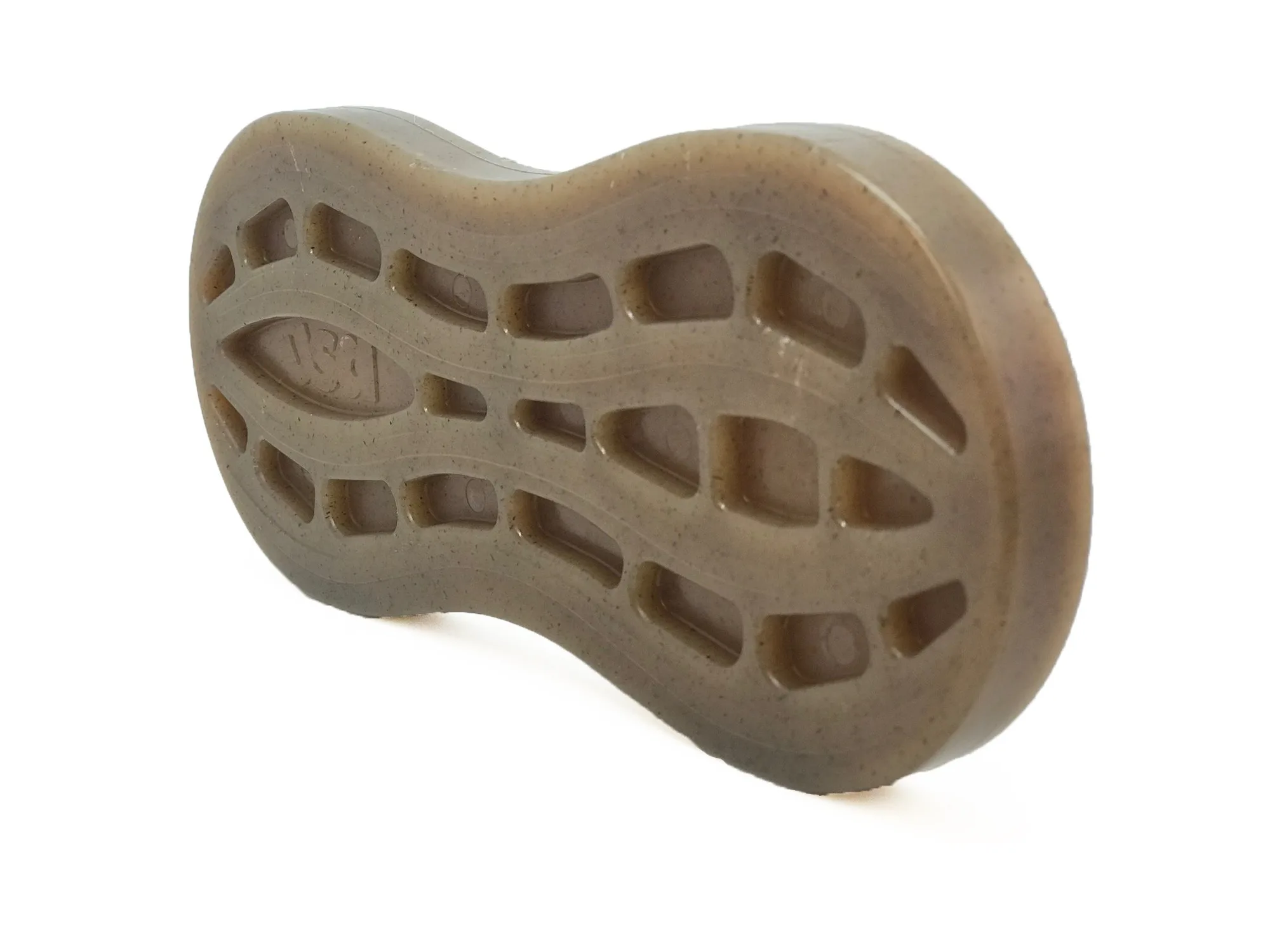
- Peanut Durable and Tough Nylon Chew Toy: A veterinarian-approved nylon chew that can be gnawed as-is or filled with a treat such as peanut butter. Suits dogs that need heavy chewing stimulation, and the stuffable design adds a second use from the same purchase.
Who this approach fits
Best for
- Owners of dogs 7 and older who want targeted cognitive, heart, and vision support instead of general multivitamins
- Households with puppies or sensitive-skin dogs that need one gentle shampoo rather than a full grooming shelf
- Owners of strong chewers who keep replacing destroyed soft toys and need a dense nylon or floating rubber alternative
Not for
- Owners looking for a single product that covers every life stage and every health concern
- Dogs with a diagnosed medical condition, who need a veterinarian's plan rather than an over-the-counter routine
- Owners who want to buy several overlapping supplements at once instead of one targeted formula
Good dog wellness buying is mostly subtraction. Pick one age-appropriate supplement, one gentle grooming staple, and one chew or toy that matches how your dog actually plays, then stop there. Reassess at your next vet visit rather than adding products on impulse.