Quick answer
Buy dog wellness supplements only when they address a specific, observable need—such as dull coat, itching, or joint stiffness—and choose products with transparent ingredient lists and clear dosing. Start with one supplement at a time, give it 4–6 weeks, and track changes. If your dog is on medication or has a health condition, check with your vet first.
When supplements make sense—and when they don't
Supplements are not a substitute for a complete and balanced diet or veterinary care. They can help fill specific gaps: fatty acids for skin and coat, glucosamine for joint support, or fiber for digestion. But if your dog is already eating a high-quality diet and shows no issues, adding supplements may be unnecessary.
Look for clear signs: a dull coat, excessive shedding, scratching, or stiffness after rest. If these persist, a vet visit is the first step to rule out underlying conditions. Once health issues are excluded, a targeted supplement can be a reasonable next step.
Key ingredients to look for (and what they do)
For skin and coat, prioritize omega-3 fatty acids (especially DHA and EPA) from sources like wild Alaskan salmon oil. These support the skin barrier and reduce inflammation. For joints, glucosamine and chondroitin are common, often paired with MSM. Digestive supplements may include probiotics or pumpkin fiber.
Avoid products with vague "proprietary blends" that don't disclose amounts. A good label lists each active ingredient with a specific amount per chew or scoop. If you can't find that, keep looking.
How to introduce a supplement safely
Start with half the recommended dose for the first few days, then increase gradually. Watch for digestive upset, itching, or changes in behavior. If you see any negative reaction, stop and consult your vet. Never combine multiple new supplements at once—if a problem arises, you won't know which one caused it.
Give supplements with food to improve absorption and reduce stomach upset. Keep a simple log of what you gave and when, plus any changes you notice. This helps you and your vet make informed decisions.
Red flags and quality checks
Be wary of supplements that promise to cure diseases, replace medication, or show results in days. Legitimate supplements support normal function; they don't treat illness. Look for a manufacturer that provides a contact address, batch numbers, and third-party testing claims. If a company won't share basic sourcing information, that's a dealbreaker.
Also check for artificial colors, preservatives, or fillers like corn syrup and propylene glycol. Simple, recognizable ingredients are a better bet.
Decision rules for buying dog wellness supplements
- Rule 1: Match the supplement to a specific need: Don't buy a general 'wellness' supplement. Choose one targeting your dog's actual issue: skin and coat, joints, digestion, or calm behavior. If your dog has no issues, you likely don't need a supplement. Checkpoint: Can you name the problem this supplement solves? If not, skip it.
- Rule 2: Verify ingredient amounts: Look for specific amounts of active ingredients (e.g., 200 mg salmon oil per chew). Vague blends are a no-go. Compare labels across products to see which offers a meaningful dose. Checkpoint: Does the label list each active ingredient with a number? If not, move on.
- Rule 3: Introduce one at a time and track results: Give a new supplement for 4–6 weeks before judging. Take notes on coat shine, scratching, stiffness, or energy. If you see no change, the supplement may not be worth the cost. Checkpoint: After 6 weeks, is there a clear improvement? If not, discontinue.
Product facts
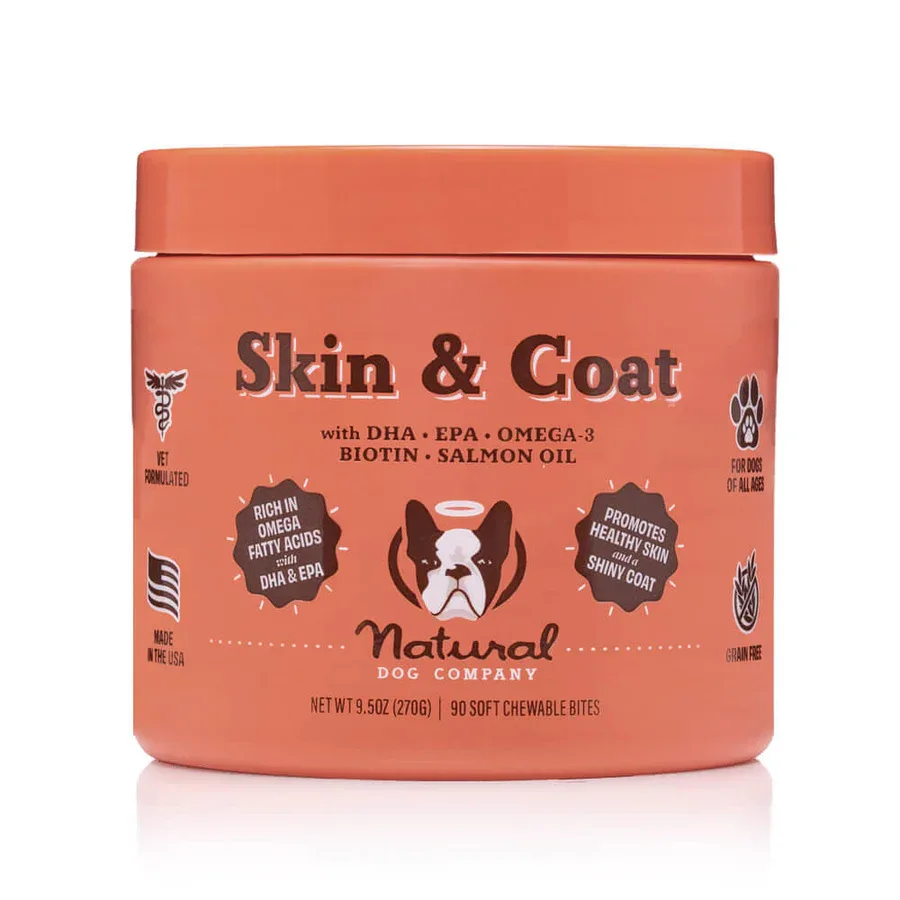
- NEW! Skin & Coat Supplement: A daily dog chew with nourishing fatty acids, DHA, wild Alaskan salmon oil, and other essential nutrients to promote healthy skin. This supplement targets skin and coat health, making it a good fit for dogs with dull fur or dry skin. The inclusion of DHA and salmon oil provides omega-3s that support the skin barrier.
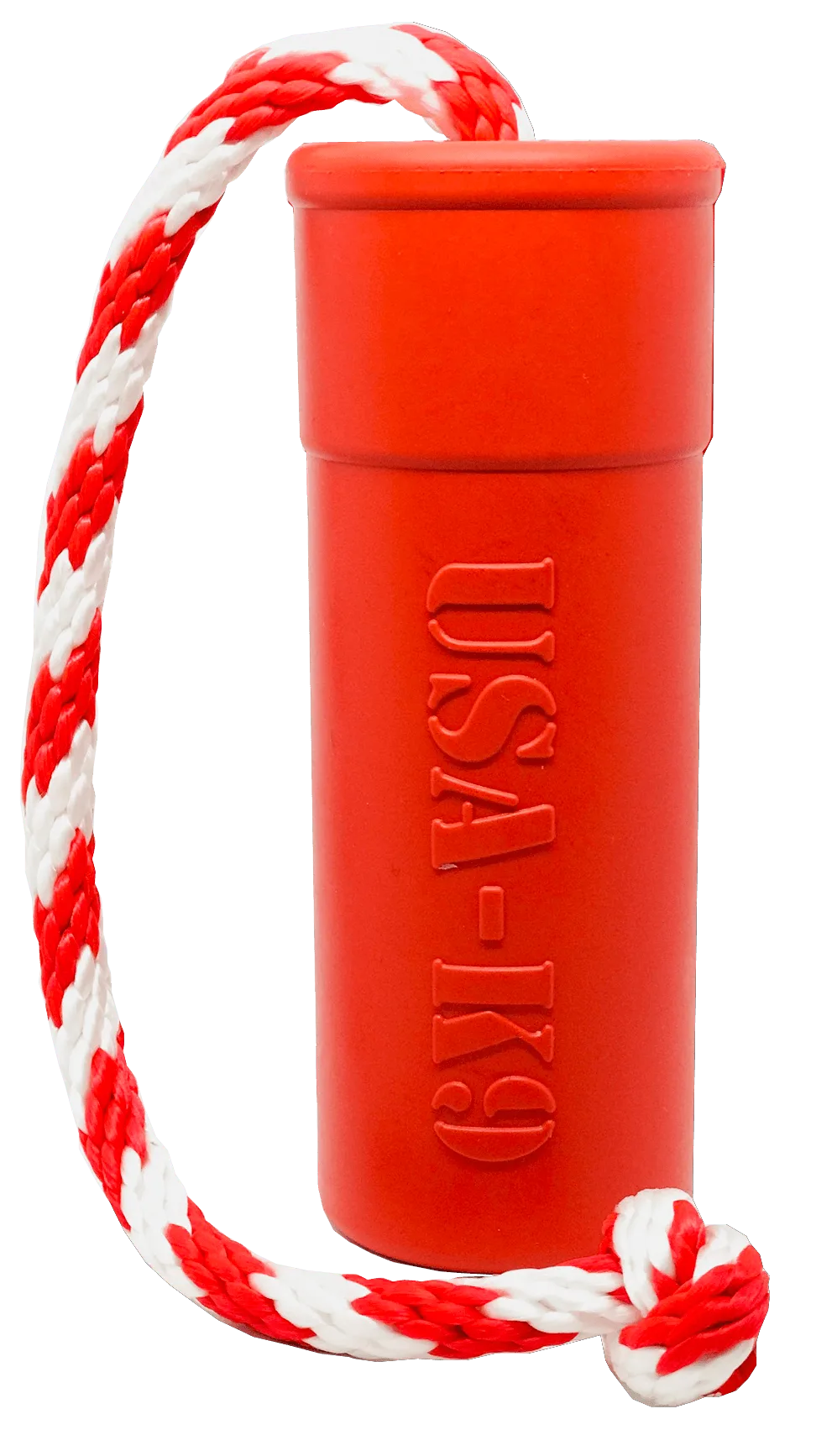
- NEW! K9 Tough Firecracker Rubber Floating Training Toy: Durable rubber floating training toy designed for fetch and retrieve games. While not a supplement, this toy supports active play, which contributes to overall wellness. It's a practical addition for dogs that need mental and physical exercise.
Is a dog wellness supplement right for your dog?
Best for
- Dogs with dull coat, dry skin, or excessive shedding
- Dogs showing mild joint stiffness after exercise
- Owners who want to address a specific, observable issue with a targeted supplement
Not for
- Dogs already on a complete and balanced diet with no health issues
- Dogs with diagnosed medical conditions without veterinary approval
- Owners looking for a quick fix or cure for serious health problems