Quick answer
Pick a memory game with 18–24 tile pairs and simple, familiar images for toddlers (ages 2–3); move to larger sets with themed illustrations (dinosaurs, space, or faces) for preschoolers (ages 4–5); and choose games with added challenges like foil accents or cultural learning for school-age kids (ages 6+).
Why age matters for memory games
Memory games build concentration, visual memory, and turn-taking skills, but the right level of difficulty depends on your child's developmental stage. Toddlers need fewer pairs and highly recognizable images; older kids benefit from more pairs and thematic variety that holds their interest over multiple rounds.
The number of tile pairs is the biggest factor. Games with 18 pairs (36 tiles) suit younger children because the smaller set is less overwhelming. Games with 24 pairs (48 tiles) are better for kids who can already match a dozen pairs without frustration.
Another key factor is the image content. Toddlers connect best with pets, familiar objects, or simple faces. Preschoolers and school-age children enjoy themes like dinosaurs, space, or diverse children from around the world—these add a learning layer without making the matching harder.
Trade-offs to consider
Games with foil or shiny embellishments (like the Shiny Dinosaur or Space Shiny games) add visual appeal and can make matching more engaging, but the reflective surface can sometimes distract younger players who may focus on the shine instead of the image. Save foil games for ages 5 and up.
Smaller tile sizes (2.25 inches square) are standard for most memory games, but very young toddlers may find larger tiles easier to grasp and flip. If your child is under 3, look for games with chunky tiles or consider a dedicated toddler version.
Portability matters: compact games (like the Pets Little Matching Game) are great for travel or restaurant outings, but the smaller box means fewer pairs and less replay value for older kids who want a longer game.
How to choose by age: decision rules
- Ages 2–3 (Toddlers): Look for games with 18 pairs or fewer, simple and familiar images (pets, toys, faces), and sturdy tiles that are easy for small hands to flip. Avoid foil or shiny finishes that can distract. The Pets Little Matching Game (18 pairs) is a strong fit. Focus on low pair count and high image recognition.
- Ages 4–5 (Preschoolers): Choose games with 24 pairs and a theme that sparks curiosity—dinosaurs, animals, or space. Foil accents are okay if your child can stay focused on matching. The Shiny Dinosaur Memory and Matching Game (24 pairs, foil) works well here. Introduce thematic variety and slightly more pairs.
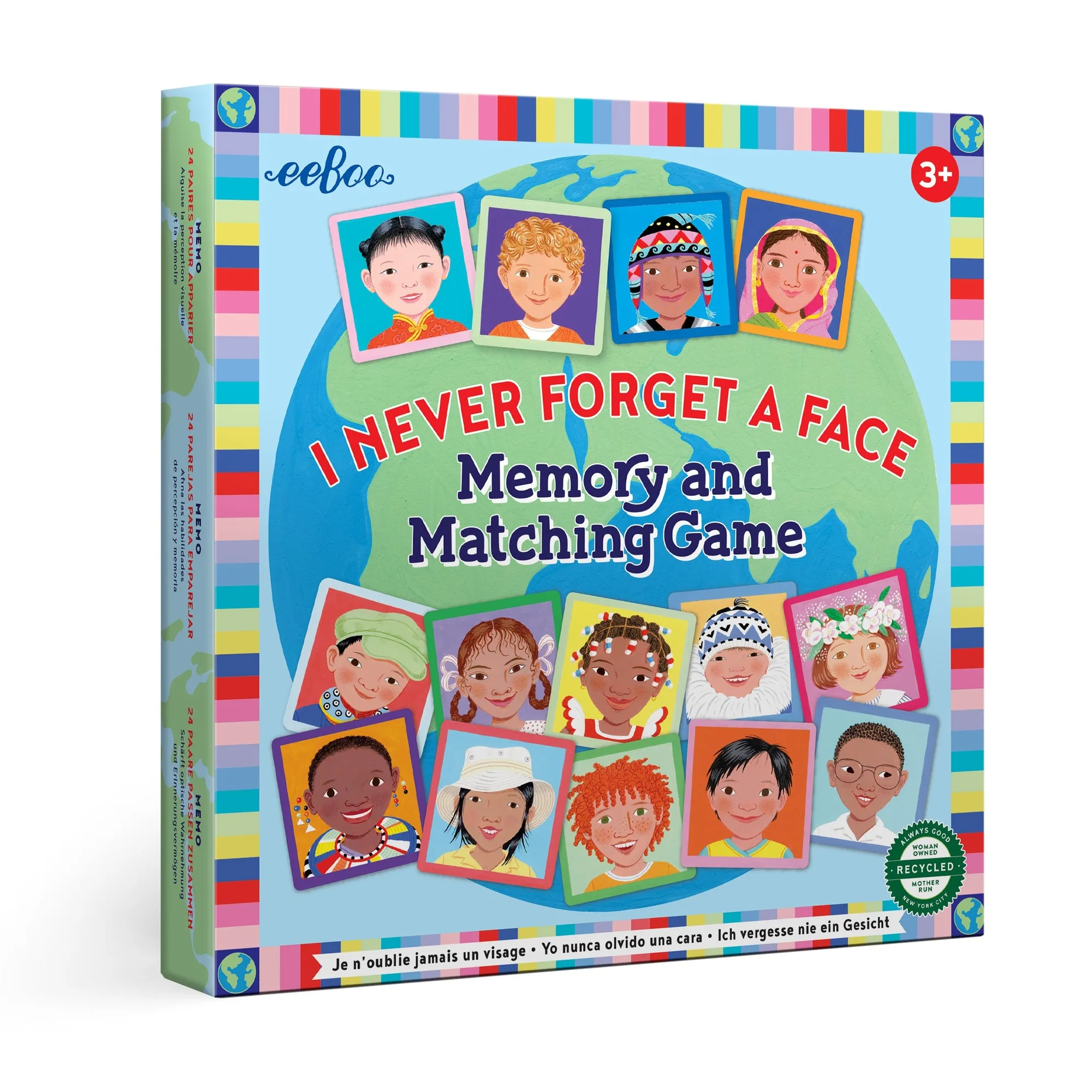
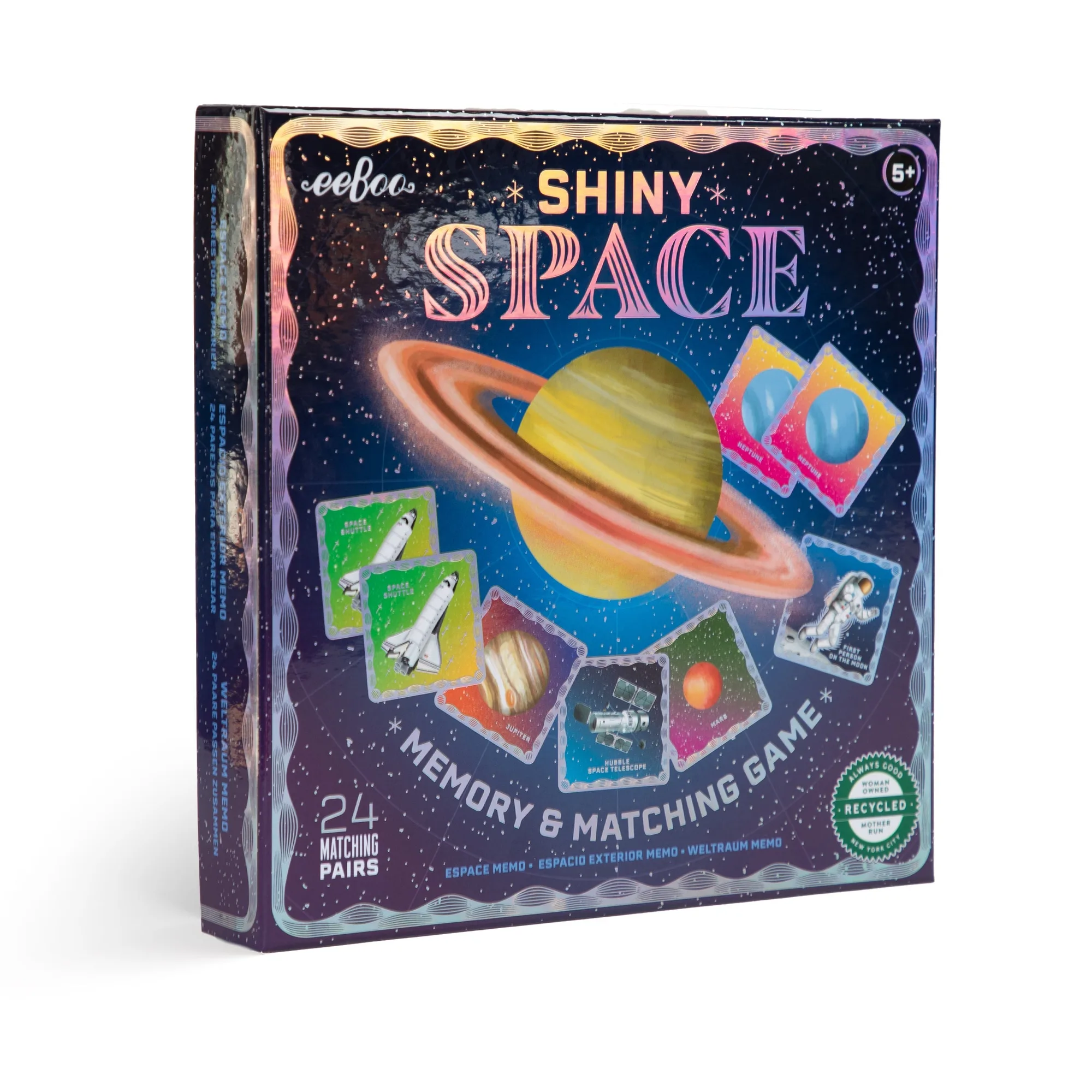
- Ages 6+ (School-age): Select games with 24 pairs and added learning layers: cultural diversity, science facts, or pronunciation guides. Foil or shiny tiles add visual interest without hurting concentration. The Space Shiny Memory & Matching Game or I Never Forget a Face Memory & Matching Game are good choices. Prioritize educational depth and longer play sessions.
Matching games that fit each age
-
Pets Little Matching Game: 18 pairs of sturdy illustrated tiles featuring bunnies, kittens, and other pets, in a handy size perfect for on-the-go play. The small number of pairs and familiar pet images make this a great first memory game for toddlers ages 2–3, and the compact box fits easily in a diaper bag.
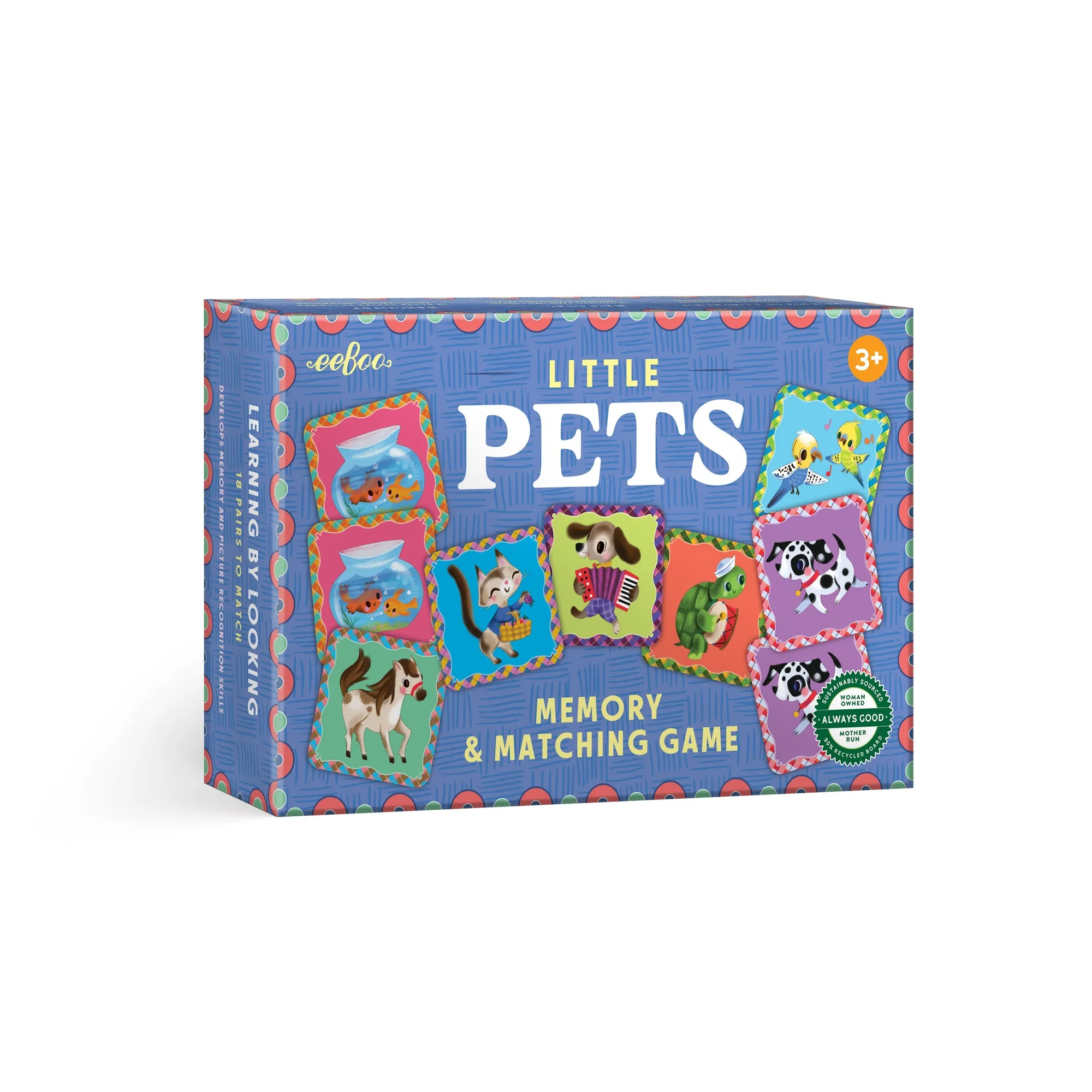
Pets Little Matching Game
-
Shiny Dinosaur Memory and Matching Game: 24 dinosaur illustrations with foil embellishments and color-coordinated tiles to aid identification; includes pronunciation guides for dinosaur names. The extra pairs and thematic complexity suit preschoolers (ages 4–5), while the foil accents and name-learning add challenge and educational value for school-age kids.
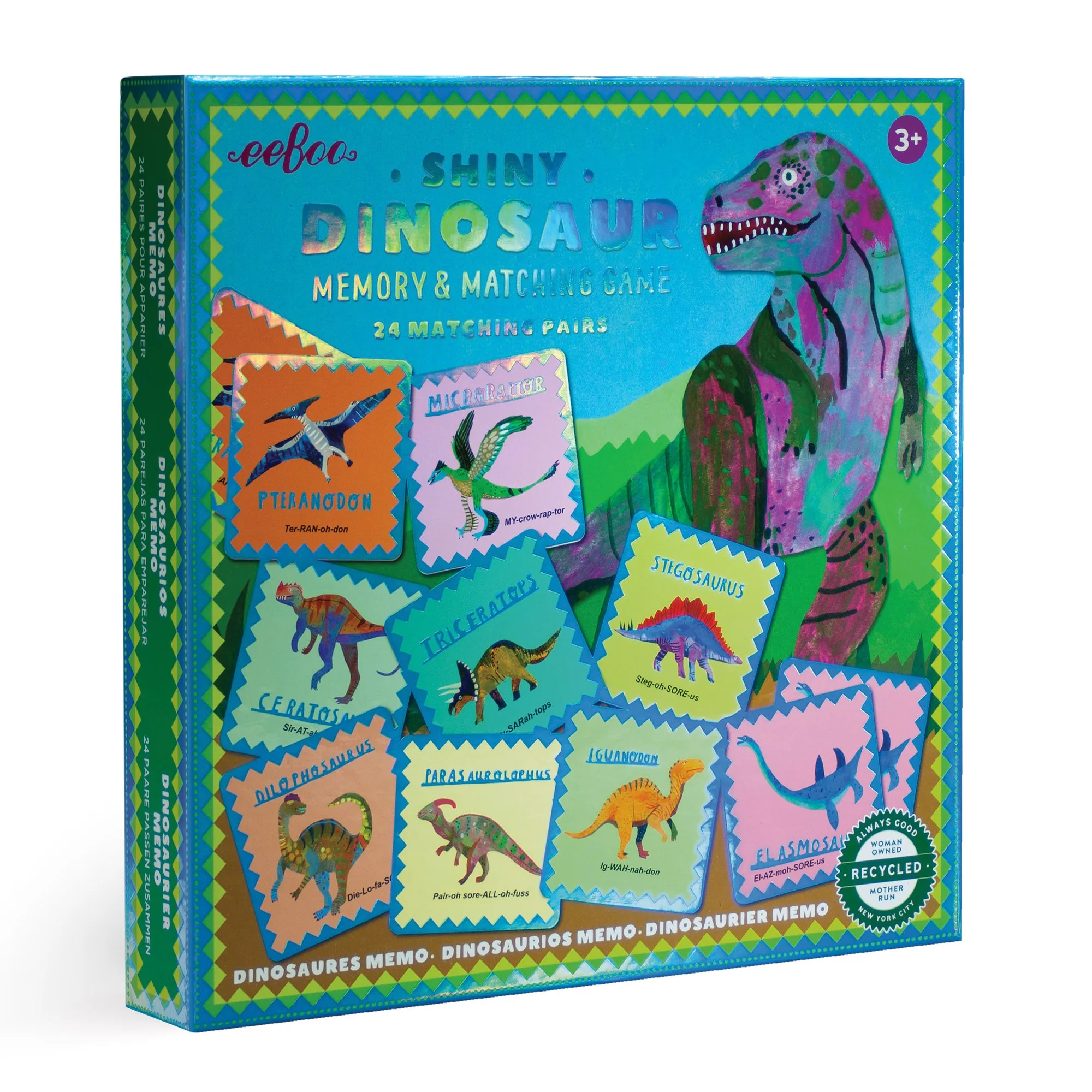
Shiny Dinosaur Memory and Matching Game
-
Space Shiny Memory & Matching Game: 24 pairs of foiled space-themed tiles in a handy size, designed for ages 5+ and 1–6 players with a 15–25 minute playtime. The space theme and slightly longer playtime make this ideal for school-age children (ages 6+) who can handle more pairs and want a game that feels like a real challenge.
-
I Never Forget a Face Memory & Matching Game: 24 pairs of tiles featuring children from diverse cultures around the world, with each child’s home country identified on the back cover. The cultural learning component adds depth for school-age kids (ages 6+) who have mastered basic matching, while the 24 pairs provide a satisfying level of difficulty.
Which game is right for your child?
Best for
- Toddlers (ages 2–3) who need a simple, portable matching game with familiar images
- Preschoolers (ages 4–5) who enjoy themed games with a bit of sparkle and extra pairs
- School-age kids (ages 6+) who want a memory game that also teaches something new
Not ideal for
- Children under 2 who still put small objects in their mouth (tiles are a choking hazard)
- Older kids (ages 8+) who prefer fast-paced or strategy-based games—memory matching may feel too slow