Quick answer
Wipe the frame with a damp cloth, brush debris from the wheels, and check screws and harness straps every week. Deep clean monthly or after muddy walks. This routine prevents rust, keeps wheels rolling freely, and extends the life of your dog's wheelchair.
Gather the right supplies before you start
You do not need specialty products. A bucket of warm water, mild dish soap, a soft-bristle brush (an old toothbrush works well for crevices), a few microfiber cloths, and a towel are enough. Avoid harsh chemicals, bleach, or abrasive pads because they can scratch the frame coating and dry out rubber parts. If your dog's wheelchair has a harness, keep a separate cloth for strap cleaning so you do not spread dirt back onto the frame.
Clean the frame without soaking the joints
Dampen a microfiber cloth with soapy water and wipe down the frame from top to bottom. Pay attention to the areas around the saddle and where the frame folds or adjusts, since dirt collects there. Do not spray water directly onto the frame or submerge it. Excess moisture can seep into adjustment holes and promote rust over time. After wiping, dry the frame immediately with a clean towel, especially around screws and any unpainted metal.
Remove debris from the wheels and axles
Turn the wheelchair upside down or on its side and use a brush to clear hair, grass, and grit from the wheel treads and the axle area. Hair wrapped around an axle is one of the most common causes of a wheel that drags or squeaks. If the wheels have a quick-release button, you can remove them for easier cleaning, but check your model's manual first because not all wheels are removable. Wipe the axle with a dry cloth and add a drop of light machine oil if the wheel does not spin freely after cleaning.
Wash the harness and padding separately
If your dog's wheelchair uses a harness or padded straps, remove them before cleaning the frame. Most fabric harnesses can be hand-washed in warm soapy water, then air-dried completely before putting them back on the wheelchair. A damp harness can cause skin irritation, so do not rush this step. Check the straps for fraying or stretched buckles while they are off the frame. Replace any strap that looks worn before it fails during a walk.
Inspect screws, bolts, and adjustment points
After cleaning, go over every screw and bolt with your fingers. Tighten anything that feels loose, but do not overtighten because you can strip the threads or crack the frame. Check the height and width adjustment knobs to make sure they still lock firmly. If a knob slips, the wheelchair can shift while your dog is moving. A quick tighten now prevents a mid-walk breakdown later.
Store the wheelchair properly between uses
Keep the wheelchair indoors, away from extreme heat and damp basements. If you must store it in a garage, cover it with a breathable cloth to keep dust off without trapping moisture. Do not leave it outside in the rain or direct sun for long periods, as UV rays can degrade rubber wheels and plastic parts. Proper storage is the easiest way to extend the life of your dog's wheelchair.
Weekly wheelchair care steps
- Wipe the frame: Use a damp cloth with mild soap to wipe down the frame, then dry immediately. Common mistake: soaking the frame or leaving it wet around screws, which can lead to rust. The frame should look clean and dry with no water sitting in crevices.
- Brush the wheels and axles: Remove hair and grit from the wheel treads and axle area with a brush. Check that each wheel spins freely. Common mistake: ignoring a slow-spinning wheel until it locks up. If a wheel still drags after cleaning, add a drop of light oil to the axle.
- Check and tighten hardware: Go over every screw, bolt, and adjustment knob. Tighten loose ones gently. Common mistake: overtightening, which can strip threads or crack the frame. All parts should feel snug, and adjustment points should lock firmly.
- Wash the harness or padding: Hand-wash fabric parts in warm soapy water and air-dry completely before reattaching. Common mistake: putting a damp harness back on the wheelchair, which can irritate your dog's skin. The harness should be fully dry and free of fraying before use.
- Store it indoors: Keep the wheelchair inside, away from dampness and direct sun. Cover it with a breathable cloth if stored in a garage. Common mistake: leaving it outside, which speeds up rust and rubber cracking. A dry, covered spot indoors is best for long-term storage.
Product facts
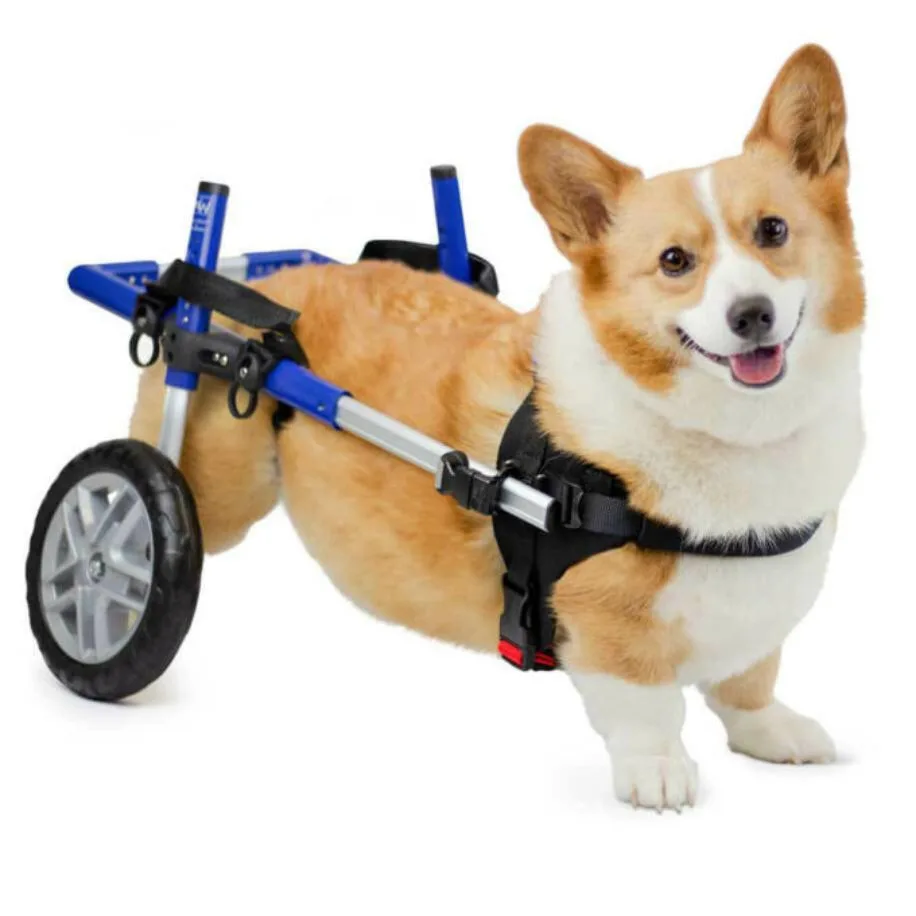
- Walkin' Wheels SMALL Dog Wheelchair: Created for small pets weighing between 11 and 25 pounds, the Walkin' Wheels SMALL Dog Wheelchair provides life-changing support to keep pets active. Small wheels and a lighter frame mean you can clean and inspect the entire wheelchair quickly, but the smaller axle parts need more frequent hair removal.
- Walkin' Wheels MEDIUM Dog Wheelchair: The Walkin' Wheels MEDIUM Dog Wheelchair provides rear support for paralyzed and injured pets weighing between 26 to 49 lbs. Medium wheelchairs handle more outdoor terrain, so wheels and axles should be checked after every muddy or sandy walk.
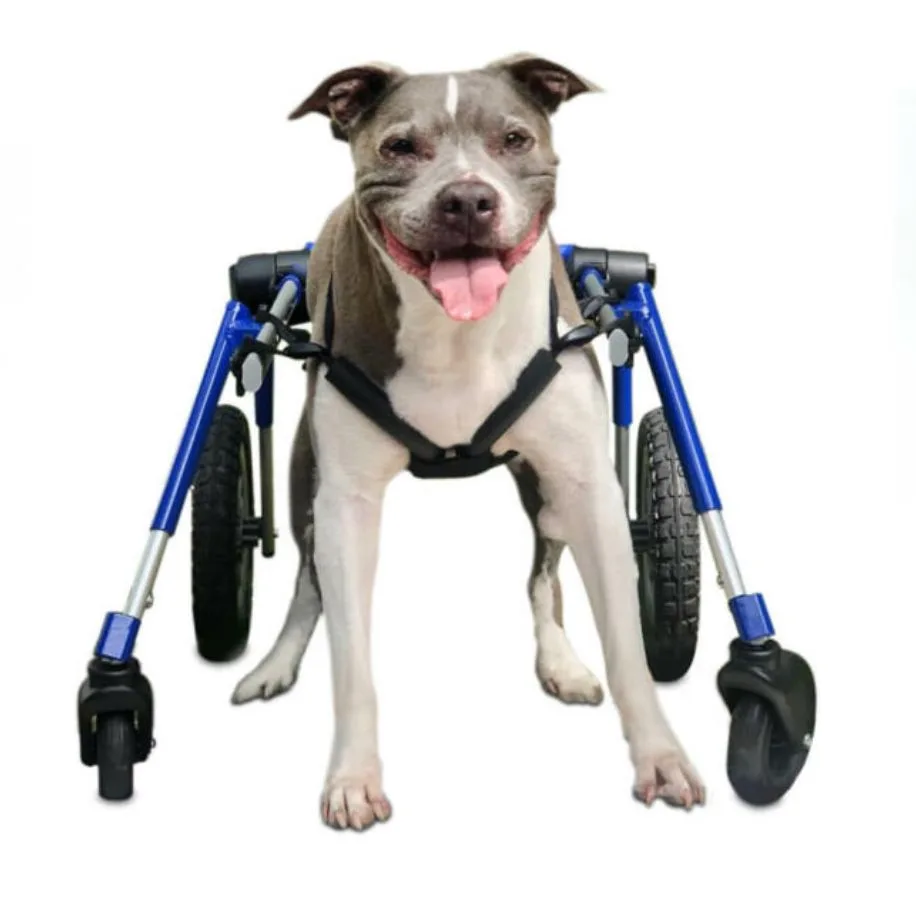
- Walkin' Wheels LARGE Front Wheel Attachment: The Walkin' Wheels LARGE Front Wheel Attachment is designed for pets weighing 70–180 lbs and converts your LARGE Walkin' Wheels Rear Wheelchair into a Full Support (Quad) Wheelchair. If you use a front wheel attachment, you now have two sets of wheels to clean and inspect; keep the front and rear axles on the same maintenance schedule.