Quick answer
A dog wheelchair should support the hindquarters without lifting the paws off the ground or forcing a hunched posture. Most dogs can use a cart for walks and play as long as they are comfortable, typically 30–60 minutes at first, building gradually. Proper fit and a slow introduction are the two biggest factors in long-term success.
How do I know if the wheelchair fits correctly?
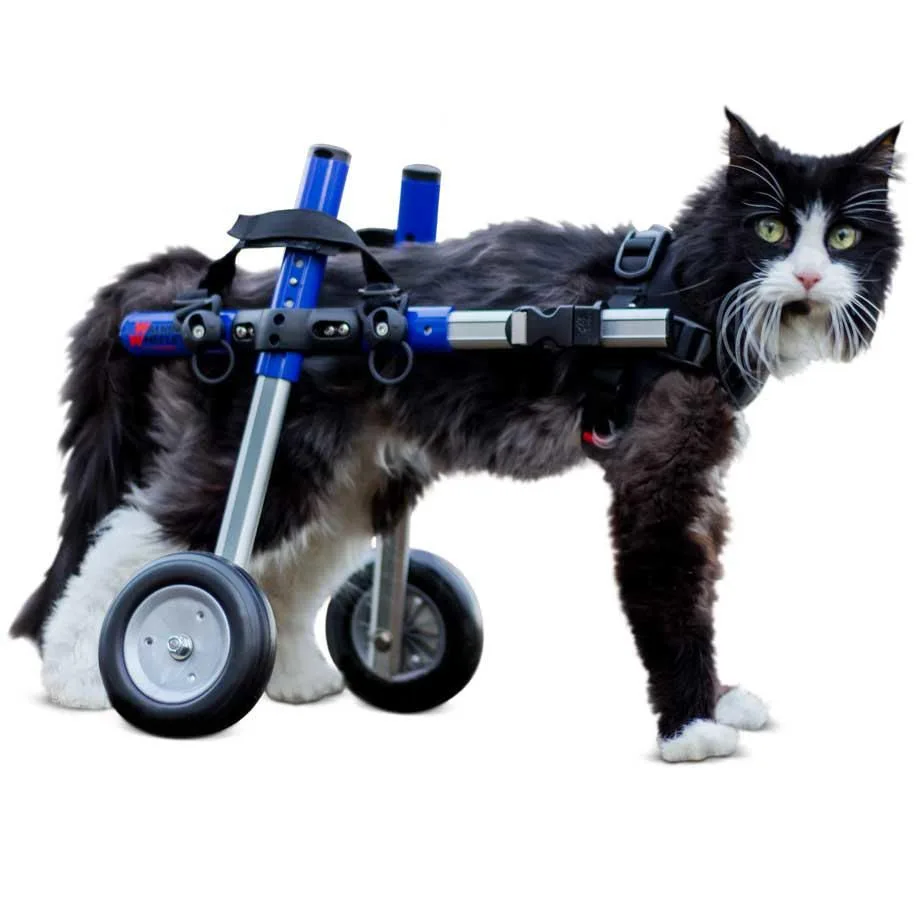
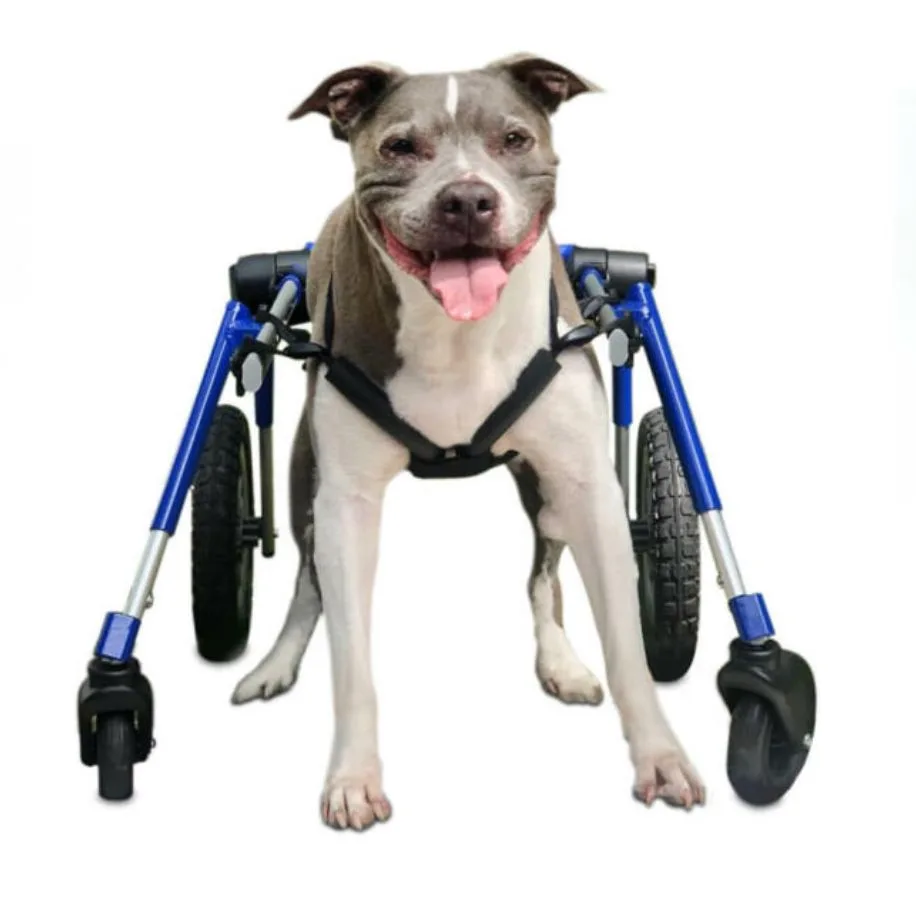
Check three things: the frame length should match your dog's torso so the wheels sit just behind the hind legs, the width should allow the belly to rest in the sling without squeezing, and the height should keep the paws touching the ground or just barely above it. If the paws drag or the dog's back arches, adjust the frame. Walkin' Wheels wheelchairs are fully adjustable in height, length, and width, so you can fine-tune after the first few uses.
How long can a dog stay in a wheelchair?
There is no fixed time limit, but start with short sessions of 10–15 minutes and watch for signs of fatigue, such as slowing down, panting heavily, or trying to lie down. Most dogs work up to 30–60 minutes of continuous use. If your dog is recovering from surgery or has a condition like IVDD, follow your veterinarian's guidance on duration and intensity. The goal is quality movement, not marathon sessions.
What if my dog refuses to move in the cart?
Resistance usually means the fit is off or your dog feels unstable. Recheck the height and sling position, then try again with high-value treats and a familiar route. Let your dog stand in the cart for a few minutes without moving, then take one step and reward. Some dogs need a week of short, positive sessions before they walk willingly. Never force a dog to walk; if they freeze, stop and try again later.
How do I keep my dog comfortable in a wheelchair?
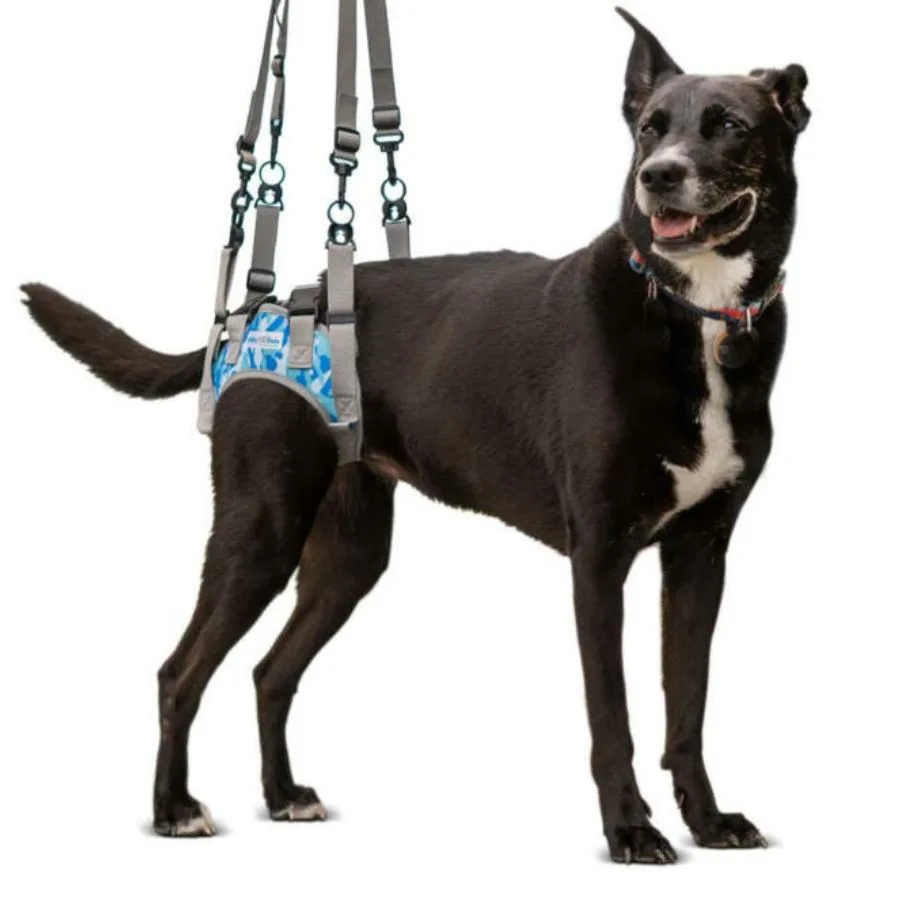
Padding matters. Use the belly sling that comes with the cart and check for rubbing behind the front legs and under the belly after each use. Clean the sling regularly to prevent irritation. For dogs with sensitive skin, a soft liner or baby sock over the sling can reduce friction. Also, make sure the harness or front attachment is snug but not tight; you should be able to fit two fingers under the straps.
Can my dog use a wheelchair indoors and outdoors?
Yes, but the wheels matter. Standard wheels work on pavement, grass, and carpet. For uneven terrain or sand, consider larger wheels or an all-terrain option if available. Indoors, be mindful of thresholds and furniture; a narrower frame helps navigate tight spaces. Many owners keep one cart for outdoor walks and use a sling or harness for quick indoor moves.
Quick reference: common dog wheelchair questions
How do I measure my dog for a wheelchair?
Measure from the front of the shoulder to the back of the hind leg for length, the widest part of the chest for width, and from the ground to the belly for height. Use a soft tape measure and stand your dog squarely. Write down all three measurements before ordering; adjustable frames still need a starting point.
Can my dog wear a wheelchair all day?
No. Wheelchairs are for active mobility, not continuous wear. Give your dog breaks to rest, stretch, and eliminate. Most veterinarians recommend using the cart for exercise and potty breaks, then removing it. Aim for several short sessions rather than one long one, especially in the first month.
What if my dog's condition changes?
If your dog gains or loses weight, or if their mobility shifts, recheck the fit. Walkin' Wheels carts are adjustable, but significant weight changes may require a different size. Consult your vet if you notice new weakness or discomfort. Re-measure every few months and after any change in diagnosis or weight.
Product facts
- Walkin' Wheels DACHSHUND Wheelchair: Walkin' Wheels DACHSHUND Wheelchair is designed for dachshunds weighing 2 to 40 pounds, with adjustable height, length, and width to accommodate short legs and a long torso. A standard cart can be too long or too wide for a dachshund, causing the dog to sit unevenly or drag its paws. This model's adjustability targets the breed's proportions.
- Walkin' Wheels MEDIUM Dog Wheelchair: Walkin' Wheels MEDIUM Dog Wheelchair provides rear support for dogs weighing 26 to 49 pounds, suitable for conditions like IVDD, degenerative myelopathy, or cruciate injury recovery. Medium-sized dogs need a frame that matches their weight and stride. Using a cart rated for a smaller dog can strain the frame and compromise support.
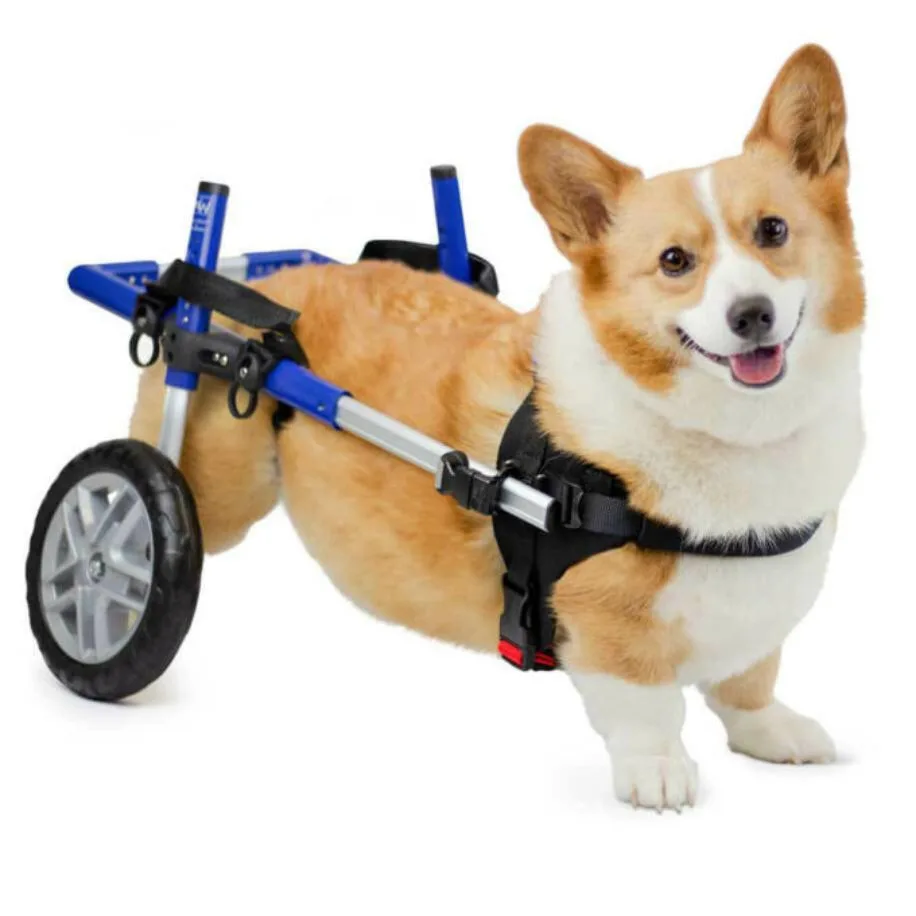
- Walkin' Wheels CORGI Dog Wheelchair: Walkin' Wheels CORGI Dog Wheelchair is built for the long torso and short legs of Pembroke or Cardigan Welsh Corgis, providing rear leg support for conditions such as degenerative myelopathy or IVDD. Corgis often struggle with standard wheelchairs because their proportions differ from other breeds. A breed-specific fit reduces the risk of skin irritation and improves stability.