Quick answer
For most cold, dry winters, choose a down scarf with a responsibly sourced 800-fill down and a recycled DWR-finished shell, because that combination traps heat without bulk and shrugs off light snow. If you expect heavy rain or you want an easy-care scarf under $50, a synthetic scarf is the more practical pick. Fit matters more than fill power: the scarf should wrap once around your neck without a gap and still let you turn your head.
A down scarf is one of those small purchases that changes how you feel on a winter walk. It sits against your skin, under your chin, and right at the gap where a jacket collar lets cold air in. That makes the details — fill power, shell fabric, length, and closure — more important than the brand name on the tag.
This guide walks through the specific features that separate a scarf you wear every day from one that stays in the closet. You'll also see how a few real Cotopaxi pieces fit into the layering picture, and when a down scarf is the wrong tool for the job.
Fill power and warmth: what the number actually tells you
Fill power measures how much space one ounce of down occupies. Higher fill power traps more air per ounce, so a 800-fill down scarf can be thinner and lighter than a 600-fill scarf while keeping you just as warm. For a scarf, that matters because bulk around your neck can feel restrictive. If you run cold or spend long stretches outside, prioritize higher fill power. If you just need a light layer for a commute, a lower fill power at a lower price can be enough.
Responsibly sourced down is worth checking on the label. It means the down comes from ducks or geese that were not live-plucked or force-fed. That's an ethical marker, but it also tends to correlate with better cleaning and loft retention, so the scarf keeps its puffiness longer. Avoid vague claims like 'premium down' with no fill power number — you can't compare what you can't measure.
- Look for a stated fill power (e.g., 800-fill) rather than a vague 'warm' claim.
- Higher fill power = more warmth per ounce, which means less bulk around your neck.
- If you see 'responsibly sourced down,' that's a meaningful traceability signal.
Shell fabric and weather resistance
Down loses its insulating power when it gets wet, so the shell fabric does a lot of work. A recycled DWR-finished shell repels light rain and snow, giving you time to get inside before moisture reaches the down. DWR is a finish, not a waterproof membrane, so it will eventually wet out in sustained rain. For a scarf, that's usually fine — you're not wearing it as a rain jacket. But if you live somewhere with wet, heavy winters, a synthetic fill or a waterproof shell is a safer bet.
Breathability matters too. A shell that blocks wind also blocks moisture vapor from your breath and skin. If you run hot or wear the scarf indoors, look for a shell that balances wind resistance with some air permeability. There's no universal number here, so read the product description for words like 'breathable' or 'air-permeable' and treat them as directional, not absolute.
- DWR handles light snow and drizzle; it is not a substitute for a rain hood.
- If you overheat easily, avoid fully windproof shells for everyday wear.
- Check whether the shell is recycled — it's a small sustainability win with no warmth penalty.
Fit and length: the details that decide whether you wear it
A scarf that's too short won't stay tucked, and one that's too long becomes a trip hazard on stairs. For an adult, a length between 60 and 75 inches gives you enough to wrap once and still tie or tuck. Width matters too: a 10- to 12-inch width covers the gap at your jacket collar without bunching under your chin. If you wear a helmet or a hood, a narrower scarf is easier to manage.
Closure style changes how the scarf sits. A continuous loop or an infinity scarf stays put without tying, which is great for commuting. An open scarf gives you more styling options but needs a knot or a belt to stay in place. For kids or anyone with limited hand dexterity, a loop or a magnetic closure is easier than a traditional knot.
- Measure your jacket collar gap before buying; a scarf should cover it without a draft.
- Infinity and loop scarves stay put; open scarves need tying.
- If you wear a hood or helmet, choose a narrower width to avoid bulk.
Down vs synthetic: which one fits your winter
Down wins on warmth-to-weight and packability. It compresses small, lofts back up, and lasts for years if you care for it. The trade-offs are cost, water sensitivity, and the need for gentle washing. Synthetic fill — usually recycled polyester — costs less, handles damp conditions better, and is machine-washable without special detergent. It's heavier and less packable for the same warmth, and it loses loft over time faster than down.
If your winters are cold and dry, down is the better long-term investment. If you live in a wet climate, sweat a lot, or want a scarf you can toss in the wash after a muddy commute, synthetic is the smarter pick. There's no single 'best' — the right choice depends on your weather and your laundry habits.
- Down: warmer per ounce, packs smaller, needs gentle care, costs more.
- Synthetic: budget-friendly, damp-resistant, machine-washable, bulkier.
- Wet climate or heavy sweating? Lean synthetic. Dry cold? Lean down.
How a down scarf fits into your layering system
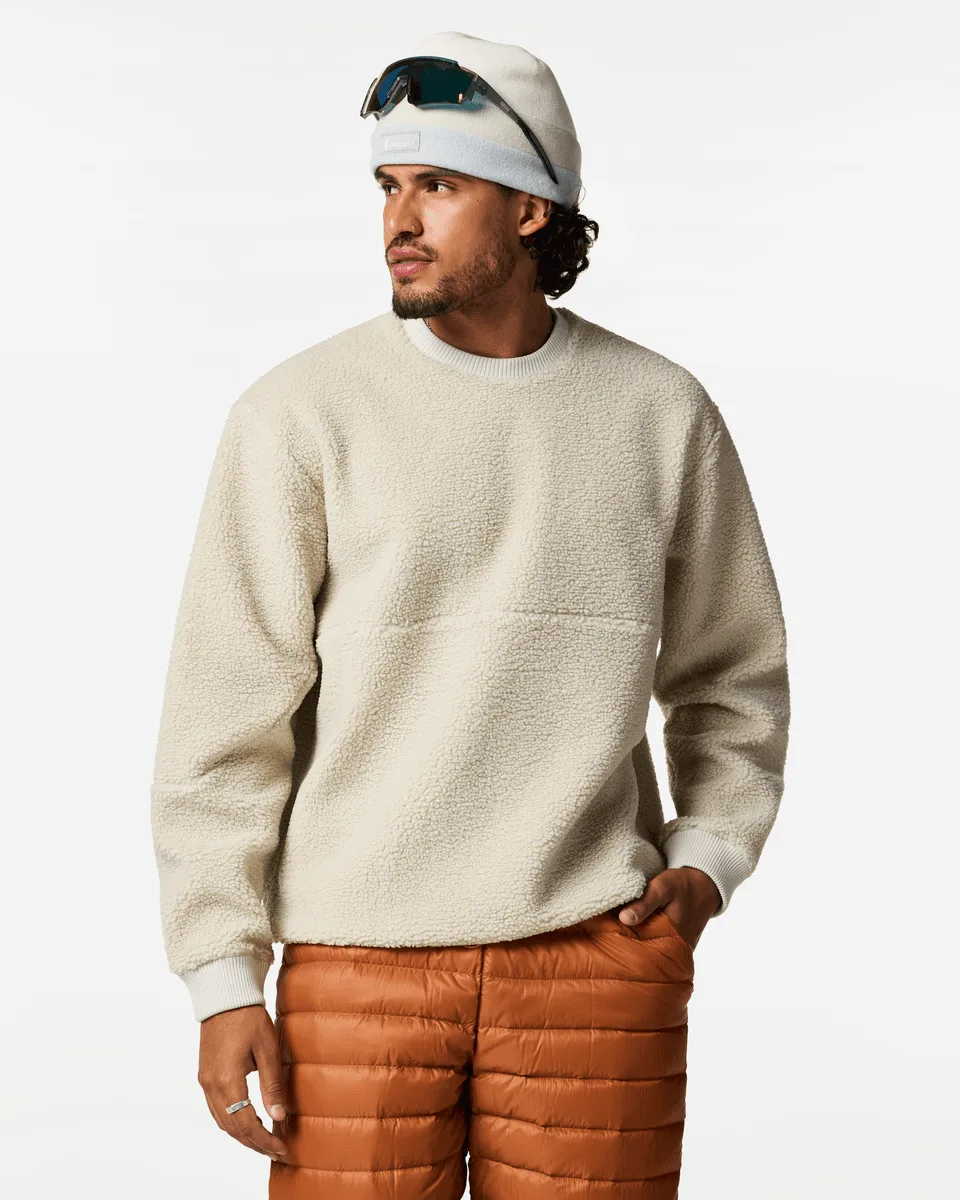
A scarf is a layering tool, not a standalone jacket. It works best when it complements the pieces you already wear. For example, a lightweight fleece like the Amado Fleece Pullover - Men's adds warmth under a shell, and a down scarf seals the neck gap above it. The Amado is a half-zip, lightweight fleece made from recycled fabric, so it layers without adding much bulk — which means your scarf still sits close to your neck instead of fighting a thick collar.
If you already own a down jacket, a down scarf extends its comfort range. The Fuego Down Jacket - Women's uses a 100% recycled DWR-finished shell and responsibly sourced 800-fill down, so it handles the same conditions a down scarf is built for. Pairing the two gives you a consistent warmth layer from collar to hem. For days when you need more coverage, the Fuego Down Parka - Women's offers the same 800-fill down and recycled shell in a longer cut, and a scarf fills the gap at the collar.
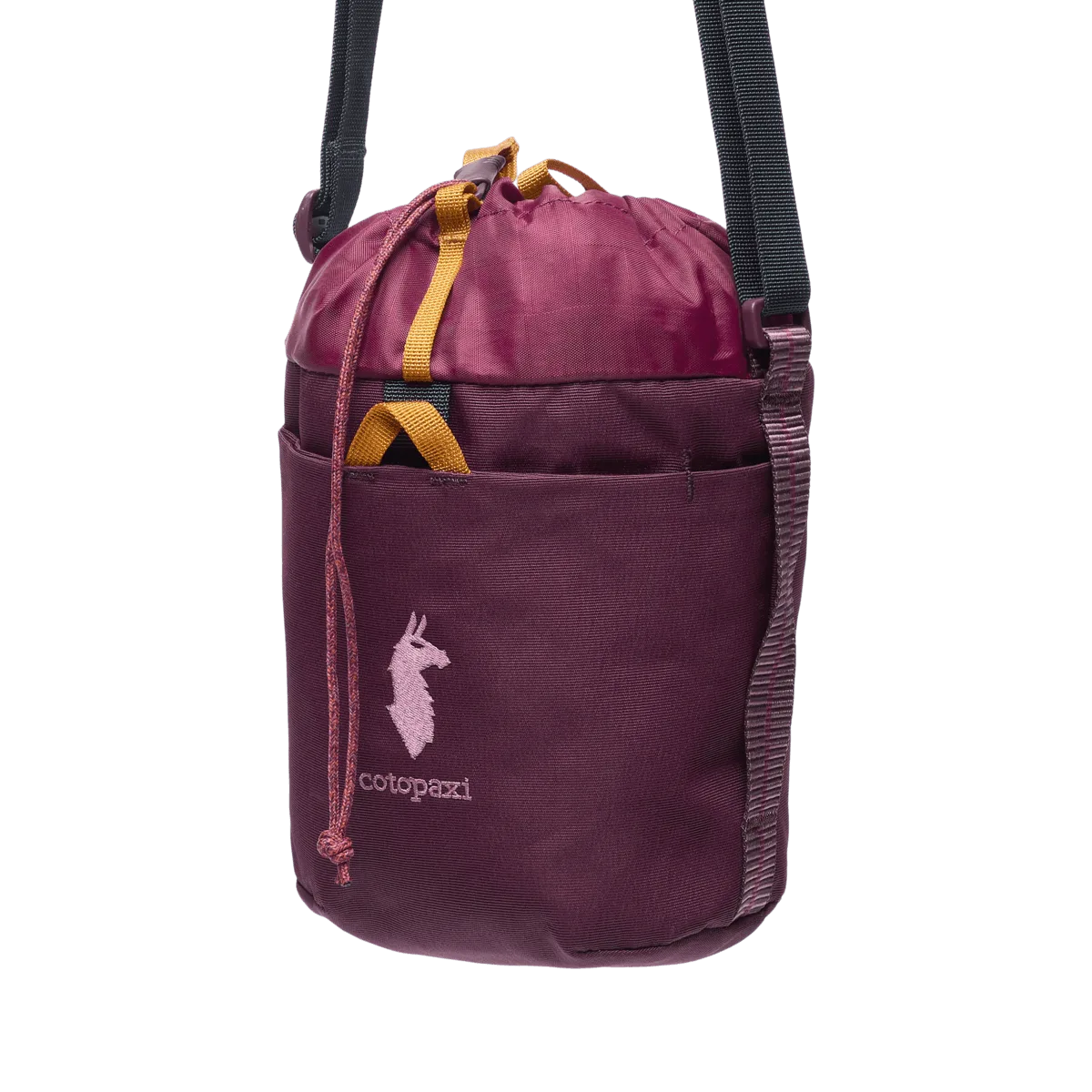
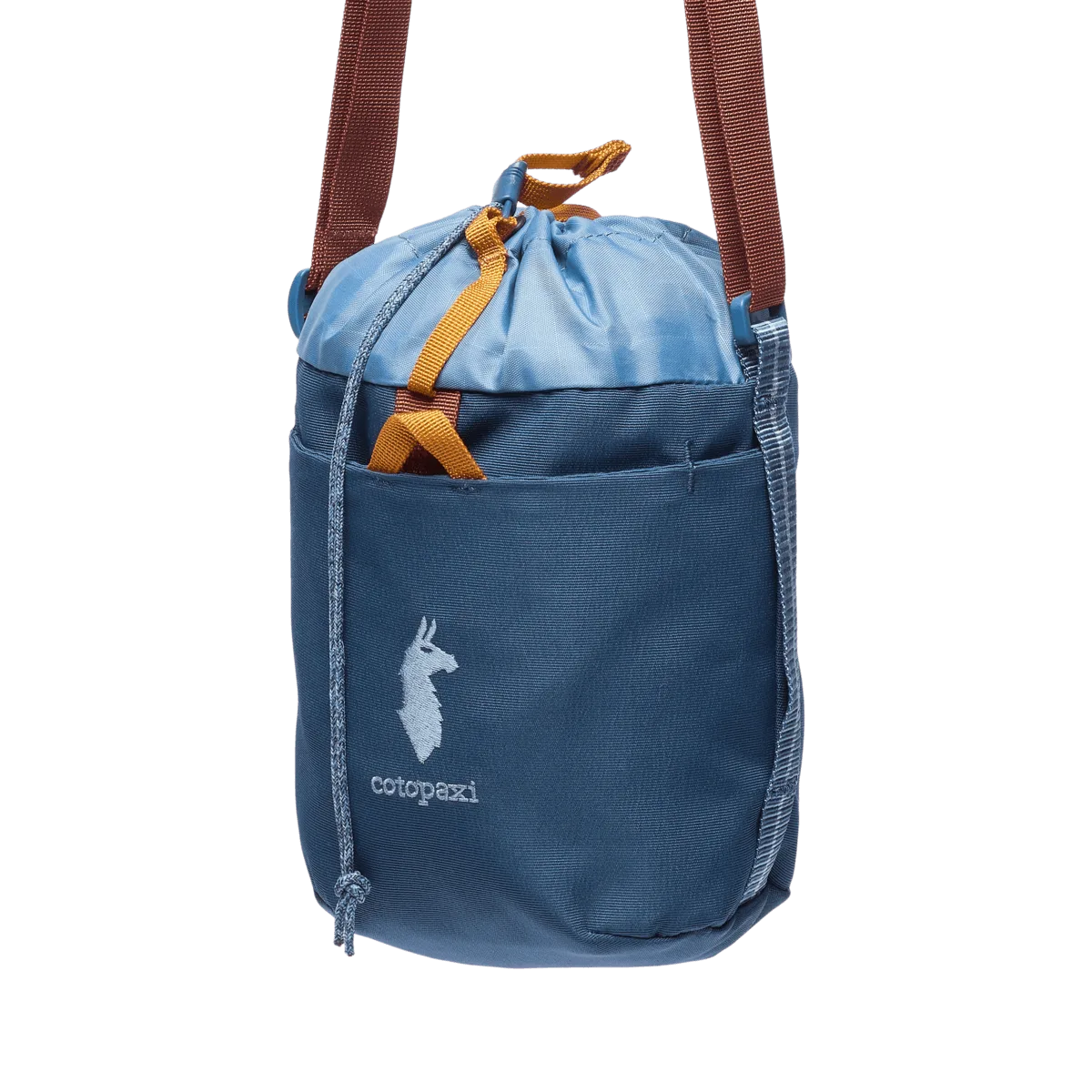
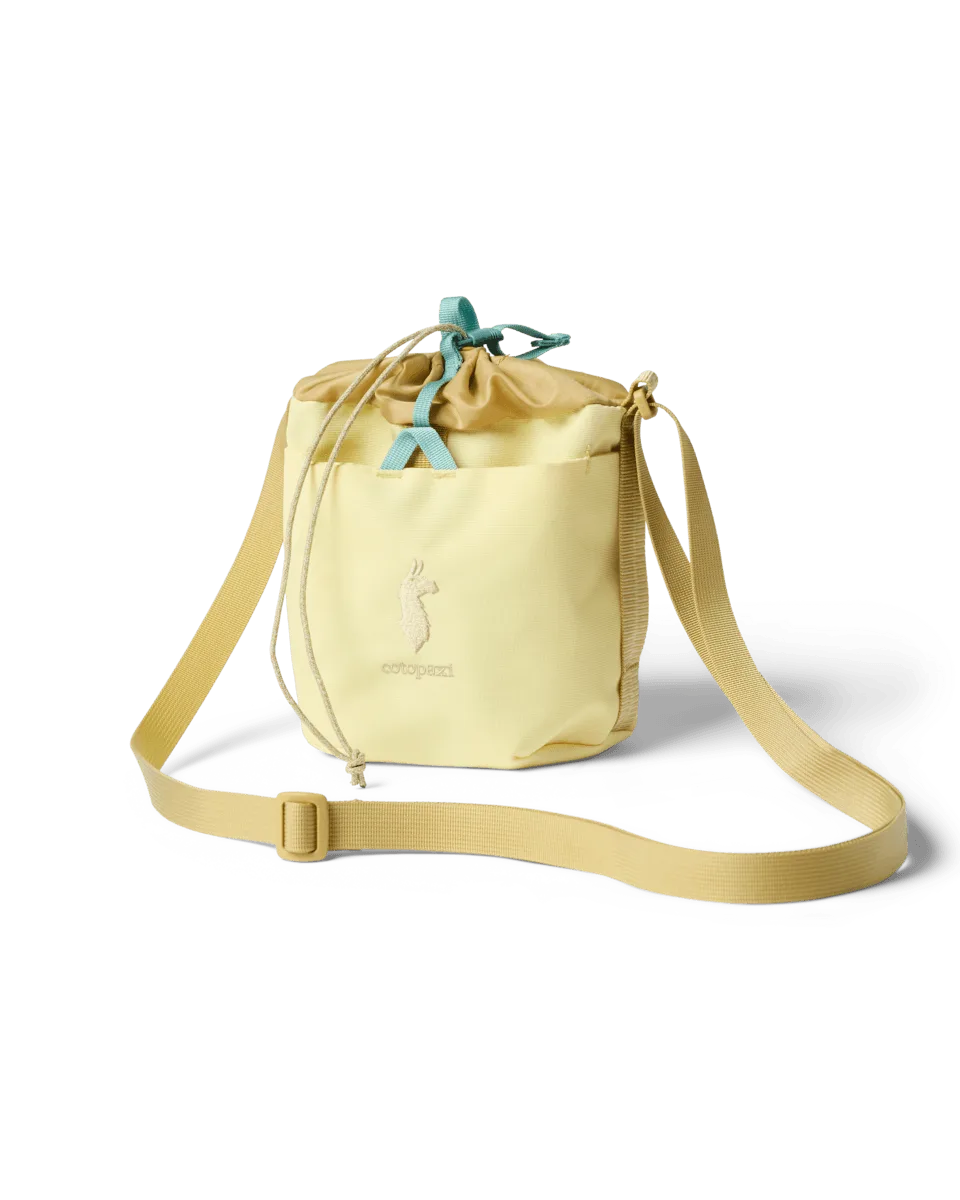
For travel or everyday carry, a small bag like the https://cotopaxiety.com/products/todo-3l-bucket-bag-cada-dia-04066d037d79205a81e0607f-1804181https://cotopaxiety.com/products/todo-3l-bucket-bag-cada-dia-1-58e861861dd827b029203075-1804191Todo 3L Bucket Bag - Cada Día holds a phone, wallet, and a light layer — including a compact down scarf. It's a drawstring bucket bag designed for hands-free daily essentials, so you can cinch it shut and go. The point is that a scarf should fit your routine, not the other way around.
- Layer a down scarf over a lightweight fleece for a warm, low-bulk neck.
- Match your scarf's weather resistance to your jacket's shell for consistent protection.
- Keep a compact scarf in a small day bag for temperature swings.
Decision rules for buying a down scarf
- Rule 1: Match fill power to your coldest realistic day: If you regularly face below-freezing temperatures, choose 800-fill down or higher. For mild winters or indoor use, 600–700 fill is enough and costs less. Checkpoint: can you find a stated fill power? If not, skip it.
- Rule 2: Let your climate pick the fill type: Dry cold → down. Wet, slushy winters → synthetic. If you're in between, a DWR-finished down scarf handles light moisture but not a downpour. Checkpoint: will the scarf get soaked on a typical winter day? If yes, go synthetic.
- Rule 3: Prioritize fit over brand: A scarf that gaps at the collar or bunches under your chin won't keep you warm no matter how good the specs are. Measure your collar gap and choose a length and width that cover it. Checkpoint: wrap it once in the store or check the return policy if buying online.
- Rule 4: Plan for care before you buy: Down needs gentle washing with down-specific detergent and thorough drying. Synthetic can go in a regular machine cycle. If you won't do special care, choose synthetic. Checkpoint: read the care label and be honest about your laundry habits.
Real products that show these features in practice
- Fuego Down Jacket - Women's: Features a 100% recycled DWR-finished shell and responsibly sourced 800-fill down with a regular fit. Shows what a DWR-finished recycled shell and 800-fill down look like in a real garment, so you can expect similar weather resistance and warmth-to-weight from a down scarf with the same specs.
- Amado Fleece Pullover - Men's: A half-zip, lightweight fleece made from recycled fabric with a regular fit, designed as a midlayer. Demonstrates a low-bulk midlayer that pairs with a down scarf without crowding your neck, so you can layer warmth without restriction.
- Todo 3L Bucket Bag - Cada Día: A minimalist 3L drawstring bucket bag designed for hands-free daily essentials like a phone, wallet, and an extra light layer. Shows a compact carry option that fits a folded down scarf for commutes or travel when temperatures change.
Who should buy which down scarf
Best for
- Cold, dry winters where warmth-to-weight matters
- Travelers who need a packable layer that fits in a small bag
- People who already own a down jacket and want to extend its range
Not for
- Wet, rainy climates where down will soak through
- Anyone who wants a machine-washable, no-fuss scarf
- Budget shoppers who don't need maximum warmth per ounce
A down scarf is a small purchase that makes a big difference in winter comfort, but only if the fill, shell, and fit match your actual conditions. Use the decision rules above to narrow your options, and consider how the scarf will layer with the jackets and bags you already own. If you're ready to shop, start with the Fuego Down Jacket - Women's or Fuego Down Parka - Women's to see the 800-fill down and recycled DWR shell in person, then find a scarf that complements them.