Quick answer
Start by deciding whether you want to play or collect, then buy one sealed booster box to learn the set and its pull rates before chasing singles. Add specific cards only after you know which rarities and characters matter to you, and always check condition notes on singles before checkout.
Step 1: Pick your lane before you buy anything
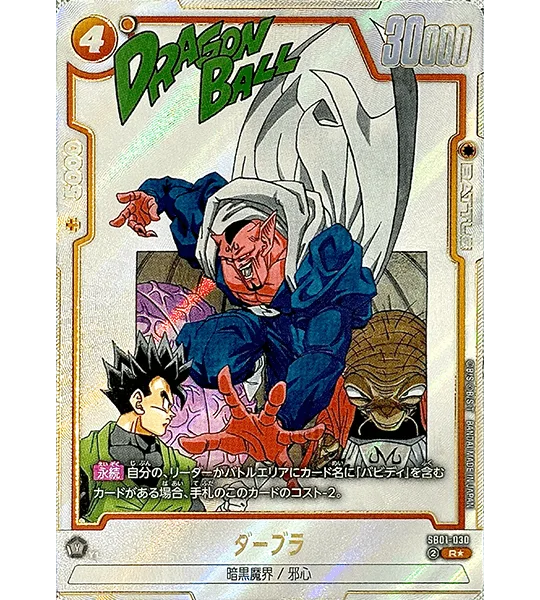
Dragon Ball card products serve two different buyers: players who need legal deck cards and collectors who want art, rarity, or character appeal. The same booster box can satisfy both, but your first purchase should match your goal. If you plan to play at a local shop, check which format is active there and buy into that set. If you only want to collect, choose a set whose character roster you actually like, because you will open dozens of cards from it.
- Common mistake: buying a case before opening a single box to test whether you enjoy the set.
- Checkpoint: write down one goal sentence, such as 'collect Super Rare Goku cards' or 'build a tournament-legal deck.'
Step 2: Learn the rarity ladder so you can read a box
Dragon Ball sets use a rarity structure that typically runs from common and uncommon up through Rare, Super Rare, Special Rare, and higher-tier chase cards. The exact names and pull rates change by set, so read the product page for the specific box you are considering instead of assuming every set works the same way. When a listing gives pull rates, treat them as typical per-box expectations, not guarantees. This helps you avoid paying chase-card prices for a box that rarely contains them.
- Common mistake: assuming a box guarantees a specific chase card.
- Checkpoint: compare the listed pull rates against the current single price of the card you actually want.
Step 3: Buy one booster box as your foundation
A single sealed booster box gives you a broad base of commons and uncommons for deck building plus a realistic look at the set's art and rarity distribution. If you are collecting, keep the box's contents organized by rarity so you can trade duplicates later. If you are playing, sort playable cards into a deck box immediately. One box is enough to learn a set; buying multiple boxes of the same set before you know it well is the fastest way to overspend.
- Common mistake: opening every pack at once and losing track of which cards came from which set.
- Checkpoint: sleeve anything Rare or higher before it touches a play surface.
Step 4: Fill gaps with singles, not more boxes
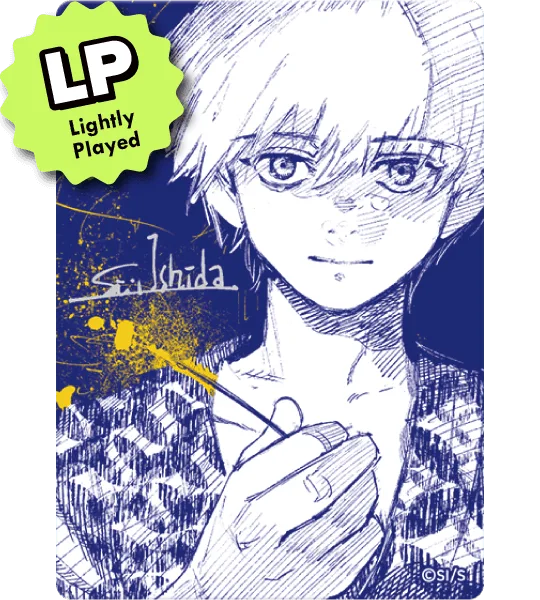
Once you know which cards you are missing, buying singles is almost always cheaper than opening more packs for one specific card. Singles also let you choose condition. A lightly played card with minor edge wear can be a sensible budget option for a deck, while a near-mint copy matters more if you are collecting for display. Read the condition note carefully, because sellers often list example flaws such as foil seams, surface scratches, or edge whitening rather than every individual imperfection.
- Common mistake: buying a second box to chase one card that costs less as a single.
- Checkpoint: compare the single's price plus shipping against the cost of one more box.
Step 5: Store and track your collection from day one
Dragon Ball cards are easy to damage through careless storage. Use penny sleeves for bulk, toploaders or rigid holders for anything valuable, and a binder with acid-free pages for display cards. Keep a simple list or spreadsheet of what you own, including set name, card number, rarity, and condition. That record saves you from buying duplicates and makes it easier to trade or sell later. Store everything away from direct sunlight and humidity, which can warp foils over time.
- Common mistake: stacking loose foils without sleeves, which causes surface scratches.
- Checkpoint: every card worth more than a few dollars should be sleeved and rigid-held.
Step 6: Set a monthly budget and stick to it
Dragon Ball TCG releases new sets regularly, and the temptation to buy every release is real. Decide on a monthly amount before you shop, then prioritize one sealed product or a short singles list per month. If a set does not interest you, skip it entirely; a complete collection is not required to enjoy the hobby. Budgeting also makes it easier to save for a case or a high-value single instead of scattering money across impulse buys.
- Common mistake: preordering every set and never finishing the one you started.
- Checkpoint: if you cannot name the last three cards you added, pause and reassess.
Your first-month Dragon Ball collecting steps
- Week 1: Choose your lane and set a budget: Decide whether you are playing or collecting, pick one Dragon Ball set that fits that goal, and write down a monthly spending limit before you browse. Checkpoint: you can explain in one sentence why you chose that set.
- Week 2: Buy one sealed booster box: Open it slowly, sort by rarity, and sleeve anything Rare or higher. Note which cards you still want after seeing the set's actual contents. Checkpoint: you have a written list of missing cards, not just a pile of wrappers.
- Week 3: Buy singles for the gaps: Price the missing cards as singles, read the condition notes, and compare total cost against another box. Buy only what closes a real gap. Checkpoint: each single you buy has a specific place in your deck or binder.
- Week 4: Store, track, and review: Move everything into sleeves, toploaders, or a binder, update your tracking list, and check your spending against the budget you set in Week 1. Checkpoint: your collection is organized and your budget is intact.
Product facts to know before you buy
- 【ONE PIECE Card】ONE PIECE Heroines Edition (EB-03) Japanese Booster Box: ONE PIECE Heroines Edition (EB-03) Japanese Booster Box contains 24 packs with 6 cards per pack and releases 2025/10/25. Useful as a cross-check when comparing pack counts and release timing against Dragon Ball boxes, since pack size and release date directly affect value per box.
- 【Pokemon Card】Mega Brave (M1L) Japanese Booster Box - Without Shrink: Pokemon Mega Brave (M1L) Japanese Booster Box includes 30 packs with 5 cards per pack and lists typical pull rates of 1 SR/SAR/MUR, 3 AR, and 4-5 RR per box. Shows how a transparent pull-rate table helps you judge whether a box is worth opening versus buying singles, a habit you can apply to Dragon Ball boxes.
- 【Pokemon Card】CINCCINO EX【SR】(103/083) (M4) Japanese Single Card - Lightly Played: CINCCINO EX SR (103/083) is a lightly played Japanese single with possible foil seams, surface scratches, or edge whitening. Demonstrates why reading condition notes matters when buying singles, especially if you want a card for play rather than display.