Quick answer
Match the bit to the job, not to a single universal size. Use a fine-grit bit for prep, a medium or coarse bit for shaping, and a sanding band mandrel that matches your band's inner diameter. For acrylic work, pair your chosen bit with a powder that self-levels evenly, such as Jessica Danielle Nails #44 Sex On The Beach or #23 Girls Night Out, so the bit removes less excess and your finish stays smooth.
Start with the shank, then the working end
Nail drill bits are described by two measurements: the shank diameter that fits into the handpiece and the working-end size that touches the nail. Most professional handpieces accept a standard 3/32-inch shank, but check your drill's manual before buying. If the shank is too large, the bit will not seat; if it is too small, it will wobble and damage the nail.
Once the shank fits, choose the working end by task. A small barrel or needle bit reaches cuticle areas and sidewalls; a wider barrel covers more surface for shaping and surface reduction. There is no single best size for every nail, so build a small set rather than one do-everything bit.
Mandrel bit sizes explained: match the band, not the bit
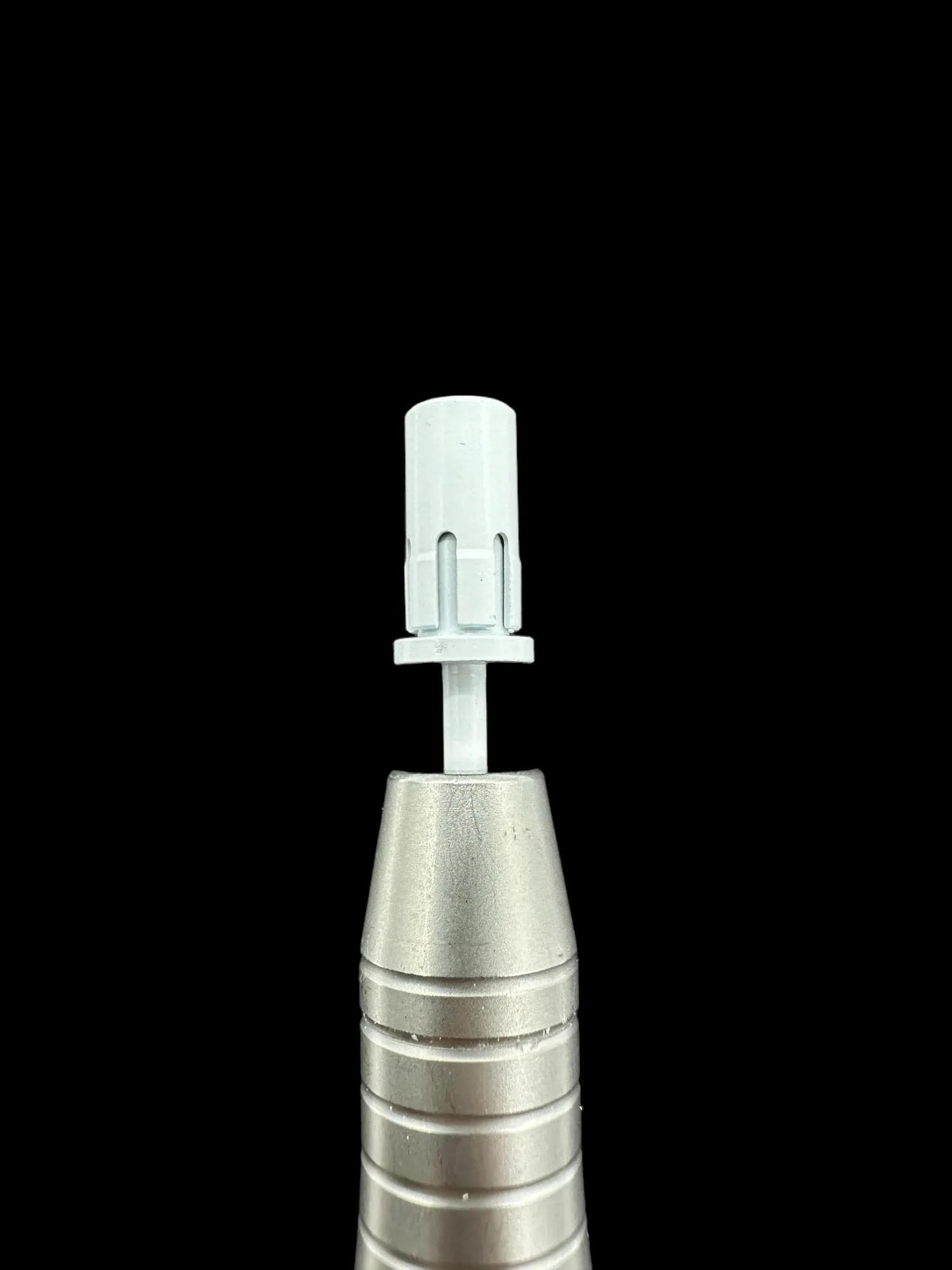
Mandrel bit
A mandrel is a reusable arbor that holds disposable sanding bands. The mandrel's outside diameter must match the band's inside diameter; a loose band slips during rotation, and an oversized band tears or flies off. Mandrels are commonly sold in small, medium, and large sizes, but the only reliable check is the band's stated inner diameter.
Buy bands and mandrels from the same supplier when possible, and keep one mandrel per band size to avoid mixing them mid-service. Replace worn bands early: a band that has lost grit creates heat and drag, which is harder on the nail than a fresh band at the correct size.
Grit and bit shape change the result more than size alone
A fine-grit bit removes thin layers and is the safer choice for natural nail prep and finish blending. Medium grit handles product shaping, and coarse grit removes bulk acrylic or hard gel quickly. Beginners should stay finer and slower until they can control the drill without skipping.
Shape matters too. Flame and tapered bits get into sidewalls; rounded barrels are forgiving on flat surfaces; safety bits have a smooth tip to reduce the chance of digging in. Choose the shape that matches the contour you are working on, then adjust grit before increasing size.
Check compatibility before you buy
Confirm three things: shank diameter, handpiece chuck type, and rotation direction. Most bits are designed for forward rotation, and using a bit in reverse can dull it or cause skipping. If your drill uses a twist-lock or quick-change chuck, verify the bit's shank length and locking groove fit that system.
Keep a small compatibility note in your kit listing your handpiece model, shank size, and the band sizes you use. That note prevents expensive duplicate purchases and makes it easier to reorder the right consumables.
Pair the right bit with a workable acrylic powder
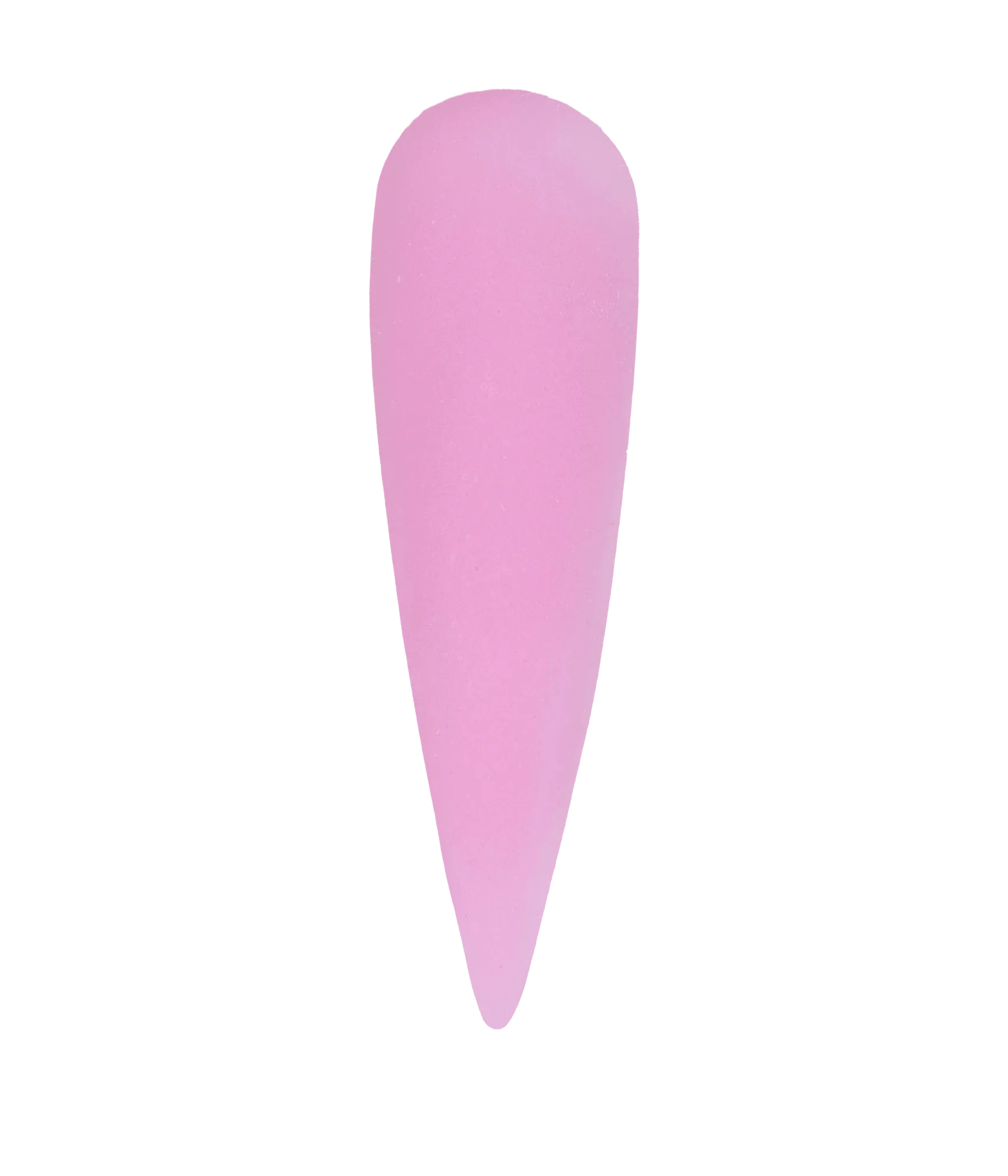
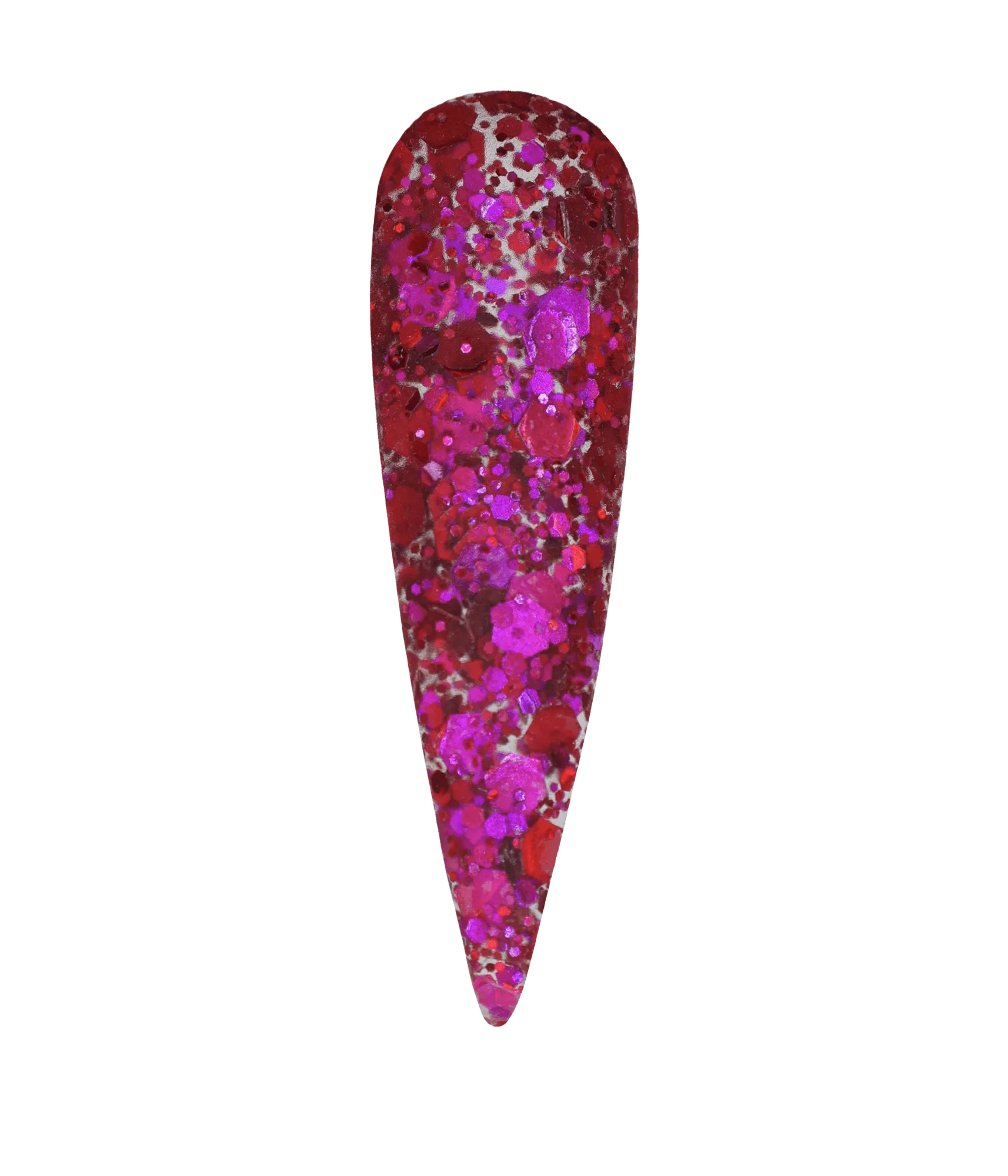
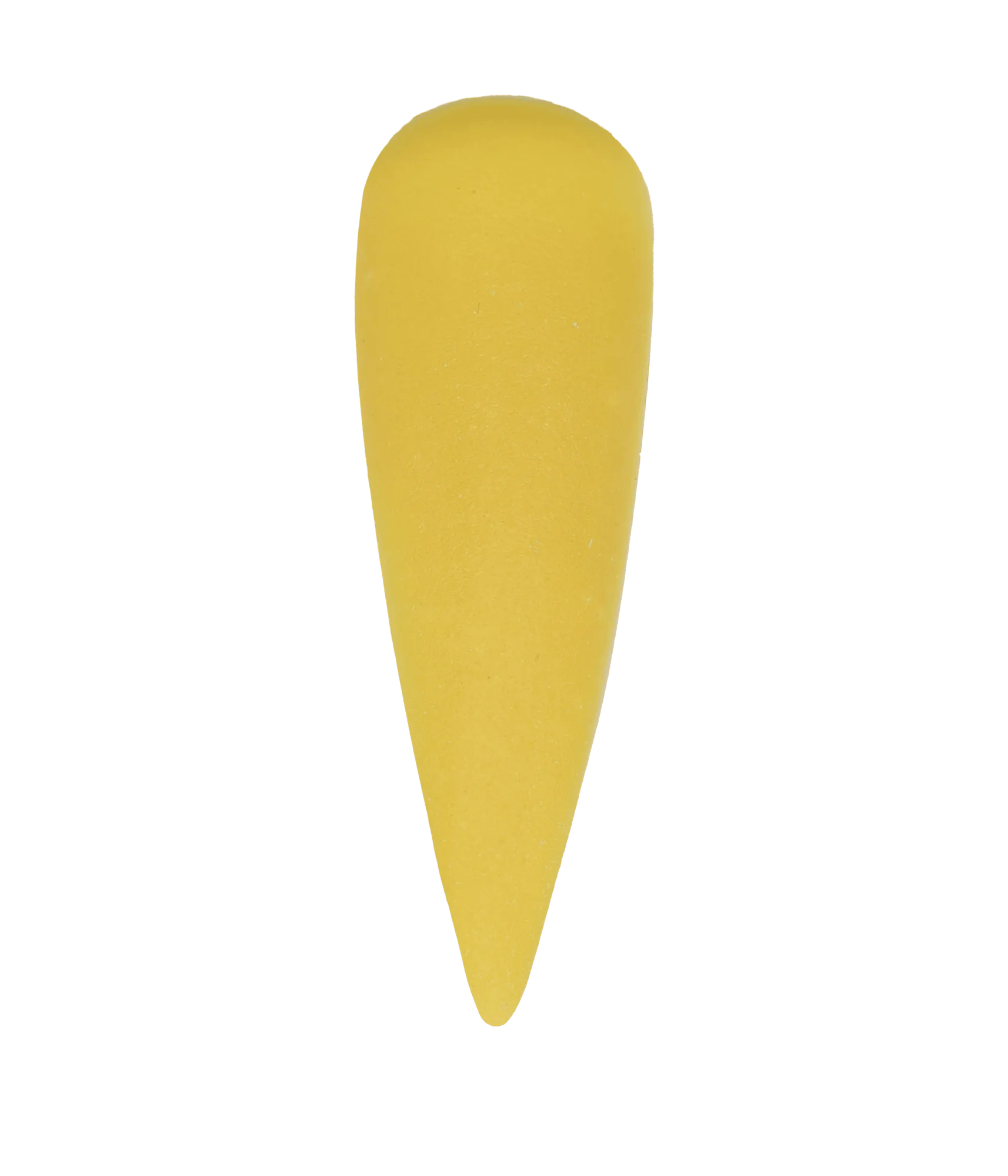
A self-leveling acrylic powder reduces the amount of filing needed, which means less wear on bits and bands. Jessica Danielle Nails #44 Sex On The Beach and #23 Girls Night Out are described as super fine powders that absorb liquid evenly and self-level, and both can be applied with monomer or a dip system. For a butter-like consistency that is easy to control, #64 BubbleGum Martini is formulated for smooth application. #58 Yellow Bird Cocktail is described as suitable for both beginners and seasoned professionals and pairs with the brand's EMA monomer.
These powders are for professional use, and colors may differ slightly from photos due to lighting or monitor settings. Use the powder's working characteristics to reduce bulk removal, then choose a finer bit for cleanup rather than a coarser one to fix application problems.
Decision rules for matching bits and mandrels
- If the bit wobbles, stop: A wobble usually means the shank is undersized or the chuck is worn. Recheck the shank diameter against your handpiece manual before using the bit again. Fit first, speed second.
- If the sanding band slips, change the mandrel: Match the mandrel's outside diameter to the band's stated inside diameter. Do not stretch a band to make it fit; it will tear or overheat. Keep one mandrel per band size.
- If you are removing bulk acrylic, use medium grit before coarse: Start with a medium-grit bit and light pressure. Switch to coarse only when the product is thick and you can control the drill without skipping. Remove less, check more.
- If you are prepping natural nail, stay fine: Use a fine-grit bit or hand file for cuticle prep and surface blending. Coarse grit on natural nail removes structure quickly and is hard to reverse. Fine grit protects the natural nail.
- If your powder self-levels, finish with a finer bit: Choose a powder that absorbs liquid evenly and self-levels, then use a fine bit for cleanup. This reduces heat and extends the life of your bits and bands. Let the product do the work.
Product facts that affect bit choice
- #44 Sex On The Beach - Acrylic Nail Powder: Super fine acrylic nail powder that absorbs liquid evenly and is self-leveling; available in 1oz, 2oz, 4oz, or 16oz jars. Even self-leveling reduces high spots, so you can use a finer bit for finishing instead of a coarse bit for correction.
- #64 BubbleGum Martini Acrylic Nail Powder: Formulated for a butter-like consistency that is easy to work with for beginners and advanced technicians. A controllable consistency helps you apply thinner, more even layers, which lowers the risk of over-filing with a large bit.
- #23 Girls Night Out - Acrylic Nail Powder: Super fine powder with high pigment and strong adhesion; can be used with monomer or dip system. Strong adhesion means less lifting and less need for aggressive removal bits during fills.
- #58 Yellow Bird Cocktail - Acrylic Nail Powder: Designed for both beginner and professional use and intended to pair with the brand's premium EMA monomer. A predictable powder-monomer pairing supports consistent application, so your bit choice can focus on shape and grit rather than correcting uneven product.
Who this guide fits
Best for
- Beginner nail techs building a first bit and mandrel set
- Technicians switching handpieces or sanding band brands
- Anyone who wants a simple compatibility checklist before buying
Not for
- Pros who already have a fully documented bit inventory and need advanced e-file techniques
- Users looking for medical or safety advice beyond standard manufacturer instructions
- Anyone who needs a single universal bit for every task