Quick answer
Choose a duvet cover if you want one washable outer layer that protects a comforter or insert and gives you a smooth, tailored look. Choose a quilt if you want a lighter, stand-alone layer that's easy to fold, layer, or use alone in warmer months. If you sleep hot or want simple bedding, a quilt is usually the easier pick; if you want year-round flexibility and a finished look, a duvet cover wins.
How each layer actually works on the bed
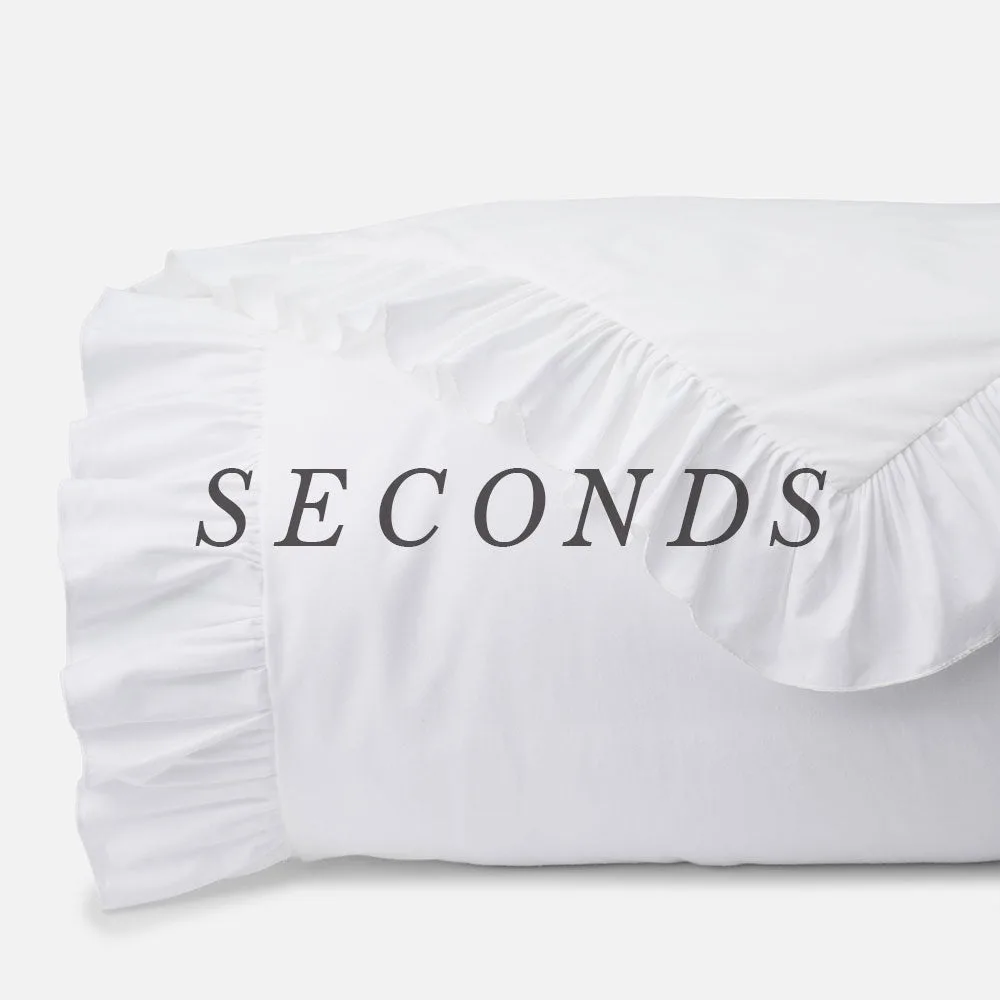
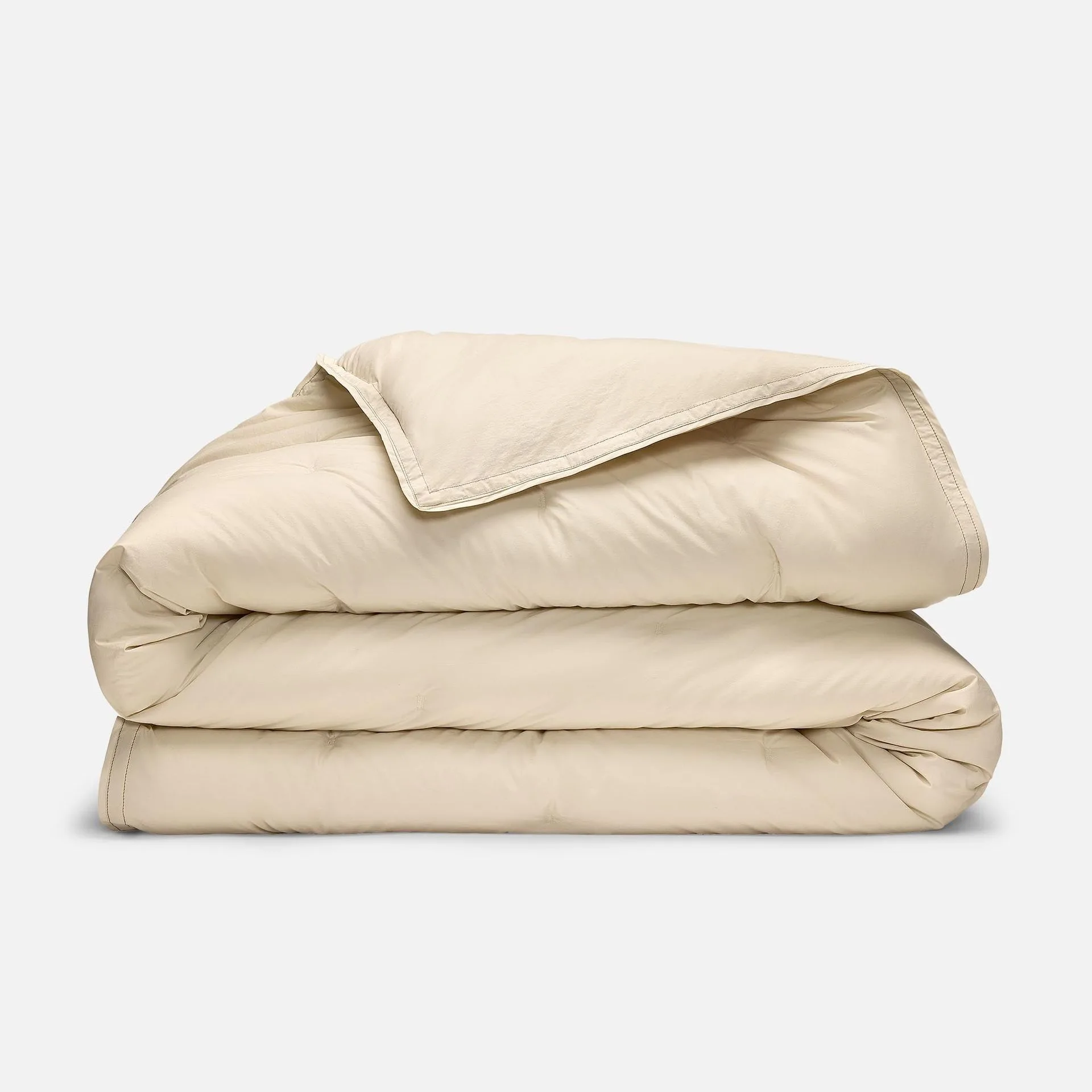
A duvet cover is a removable shell that encases a duvet insert. The cover takes the wear, washing, and styling, while the insert provides the loft and warmth. That means you can change the look of your bed by swapping the cover rather than buying a new comforter. Look for interior corner ties and button or zipper closures, which keep the insert from shifting. The Red Land Cotton Seconds Madeline Gray Duvet Cover, for example, uses button closures and interior corner ties, so the insert stays put and the cover can be removed for washing.
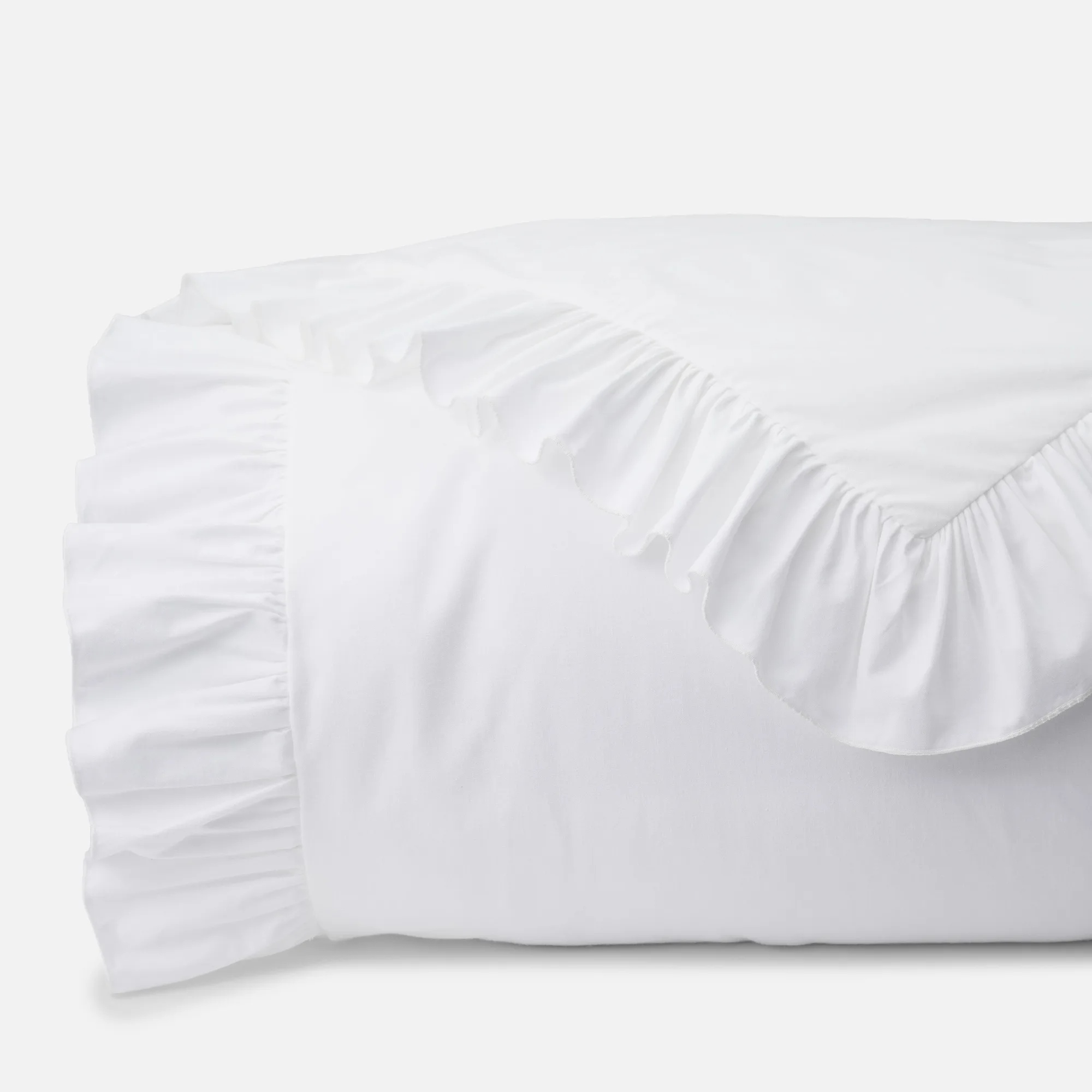
Madeline Gray Duvet Cover
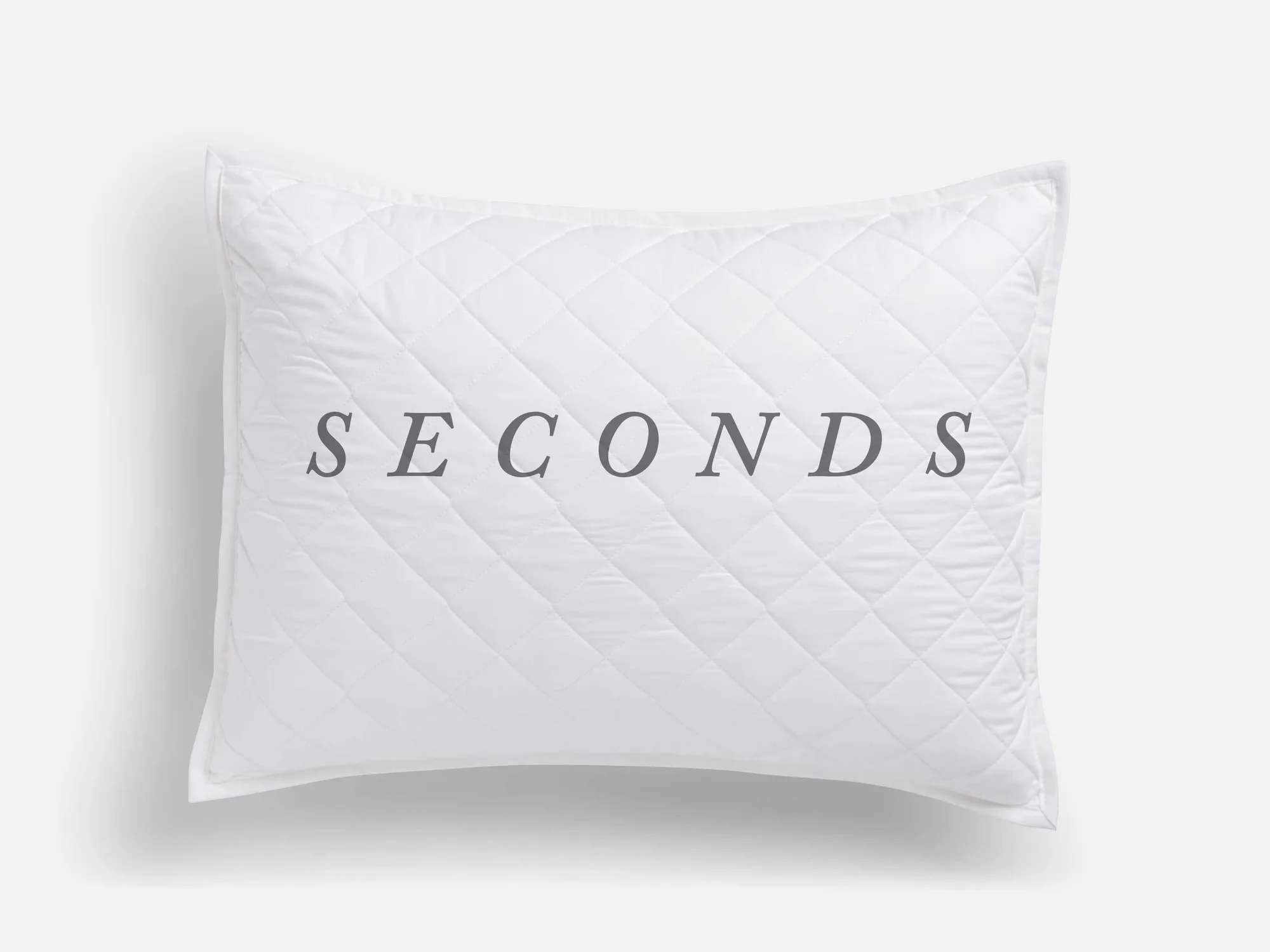
A quilt is a finished, stitched layer with its own filling. It doesn't need an insert, so it's a single purchase and a single thing to wash. Quilts are typically flatter and lighter than a duvet, which makes them easy to fold at the foot of the bed or use alone when it's warm. The Seconds Basic Quilted Standard Sham uses a classic repeating diamond pattern and is filled with 100% cotton batting, which gives you a sense of the quilted, low-loft feel a matching quilt would have.
Warmth and temperature: which one sleeps cooler
Because a duvet cover's warmth comes from the insert inside it, you control the temperature by choosing the insert. A lightweight insert plus a cotton cover sleeps cooler than a heavy all-season comforter, and you can swap inserts seasonally without replacing the cover. That flexibility is the main duvet cover benefit for people who run hot and cold.
A quilt is a fixed layer. You can't add or remove loft, so its warmth is set by the batting and the size you buy. That makes a quilt a strong choice for summer or for anyone who sleeps warm year-round, but it may not be enough on its own in a cold room. In that case, layer a quilt over a sheet and add a blanket, or use the quilt as the top layer over a duvet.
Washing, drying, and everyday care
Duvet covers are usually the easier of the two to launder because you remove the insert and wash only the cover. The trade-off is the re-stuffing step: you have to tie the insert back in at the corners and shake it into place. If you dislike that chore, a quilt avoids it entirely.
Quilts are simpler to wash and dry because there's no insert to remove, but a quilted layer with cotton batting takes longer to dry and can be bulky in a home machine. Always check the care label. For cotton bedding, washing in cold water and drying on low helps preserve the fabric and stitching over time. If you're comparing a duvet cover to a quilt mainly on laundry effort, the quilt wins on simplicity and the duvet cover wins on wash frequency, since you're only washing the outer shell.
Style, texture, and how they change a room
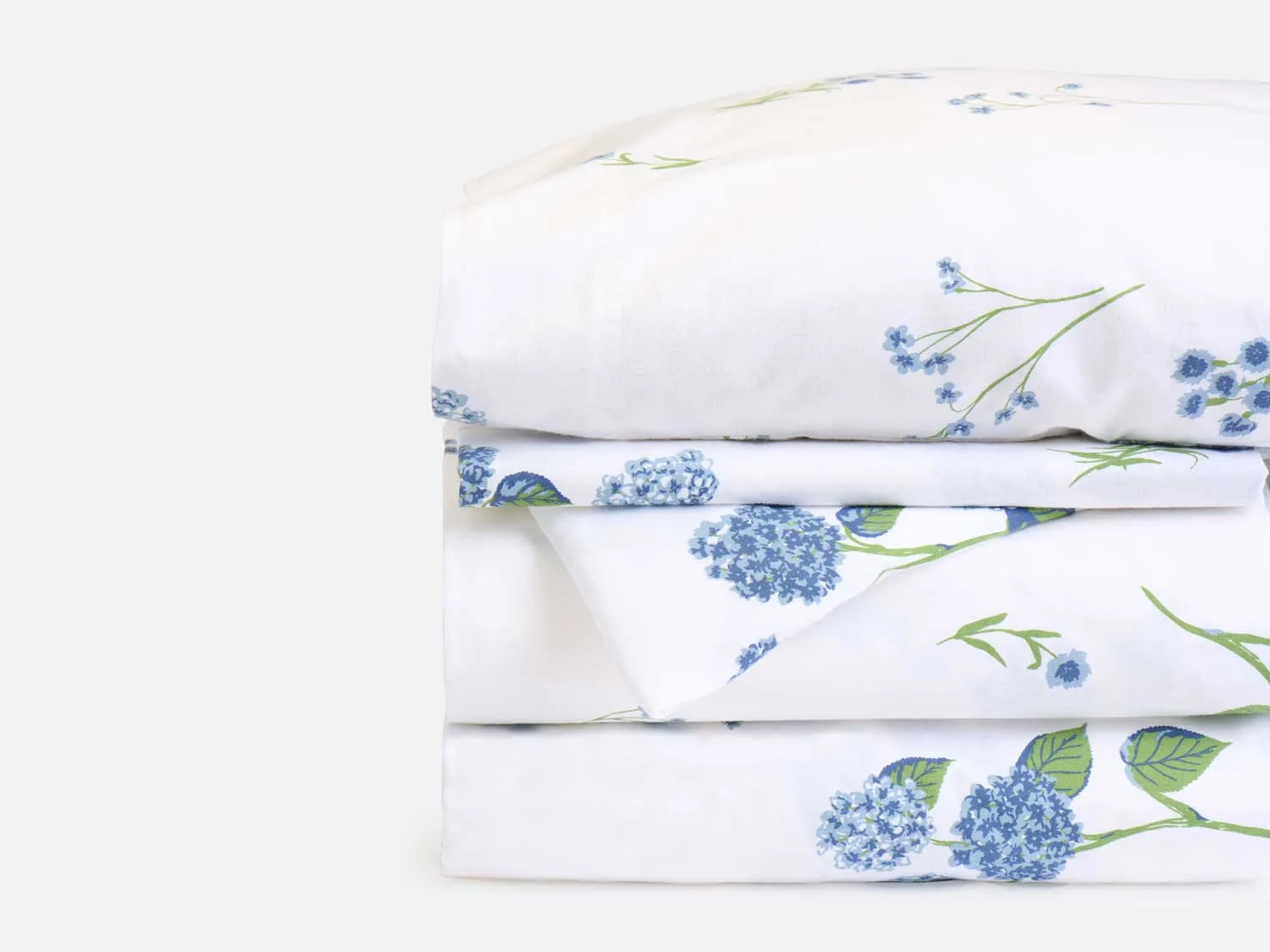
A duvet cover gives you a clean, rectangular, hotel-style finish. It reads as tailored and works well with a folded quilt or blanket at the foot of the bed. Because covers are sold in many colors and prints, they're the fastest way to change a bedroom's look. The Hydrangea Print Sheet Set shows how a custom print can carry a room's palette, and a duvet cover in a similar spirit would let you build on that.
A quilt brings texture. The stitching, diamond patterns, and matte cotton surface make a bed look layered and casual rather than crisp. If you want a traditional or cottage feel, a quilt does more visual work on its own. If you want a modern, uncluttered look, a duvet cover is usually the cleaner choice.
Cost and what you're actually buying
A duvet cover is one part of a two-part system. You need both a cover and an insert, so the total cost is higher unless you already own an insert. The upside is that replacing or changing the cover later costs less than replacing a whole comforter.
A quilt is a single purchase that does the whole job. That makes it the lower-commitment option if you're furnishing a guest room or trying a new look. If you're watching budget, compare the cover-plus-insert total against the quilt price before deciding. Seconds-quality items can lower the entry price, but note that sales on seconds are final and the discount is already reflected in the price, so confirm the size and color before you buy.
Trade-offs at a glance
- Duvet cover: flexibility vs. assembly: You can change warmth by swapping the insert and change the look by swapping the cover, but you have to tie in and shake out the insert after every wash. Best if you want one bed that adapts across seasons.
- Quilt: simplicity vs. fixed warmth: One layer, one wash, no insert to manage, but you can't adjust its loft, so its warmth is set by the batting and size you choose. Best if you sleep warm or want an easy guest-room layer.
- Laundry: fewer steps vs. less frequent washing: A quilt is simpler to wash and dry but bulkier; a duvet cover is easier to wash because you remove the insert, yet you'll wash it more often since it's the layer against your sheets. Pick based on whether you'd rather do one easy wash or several quick ones.
- Style: tailored vs. textured: A duvet cover gives a smooth, hotel-style finish and is the fastest way to change color or print; a quilt adds stitching and a casual, layered look. Match the layer to the room's overall feel before you buy.
Products that show the difference
- Seconds Madeline Gray Duvet Cover: The Seconds Madeline Gray Duvet Cover is crafted in the USA from signature premium cotton with a soft ruffle detail, button closures, and interior corner ties. The corner ties and button closure keep the insert from shifting, which is the main frustration people have with duvet covers; the ruffle adds a softer, less tailored look.
- Hydrangea Print Sheet Set: The Hydrangea Print Sheet Set is a custom-illustrated print made in collaboration with Helmsie in Georgia and produced with cotton grown on the family farm in Alabama, made entirely in the USA. If you want a patterned bed, a printed sheet set plus a solid duvet cover or quilt is an easier pairing than mixing two bold prints.
- Seconds Basic Quilted Standard Sham: The Seconds Basic Quilted Standard Sham features a classic repeating diamond pattern and is filled with 100% cotton batting from the farm. The diamond quilting and cotton batting show the low-loft, textured feel of a quilted layer, which is the look and warmth profile you'd get from a matching quilt.
Which layer fits your bed and routine
Choose a duvet cover if you...
- want to adjust warmth by changing the insert rather than buying new bedding
- like a smooth, tailored look and want to change colors or prints easily
- already own a duvet insert and want to protect it with a washable cover
Choose a quilt instead if you...
- sleep warm and want a lighter layer for summer
- want one piece to buy, wash, and fold without stuffing an insert
- prefer a textured, casual look and don't need adjustable loft