Quick answer
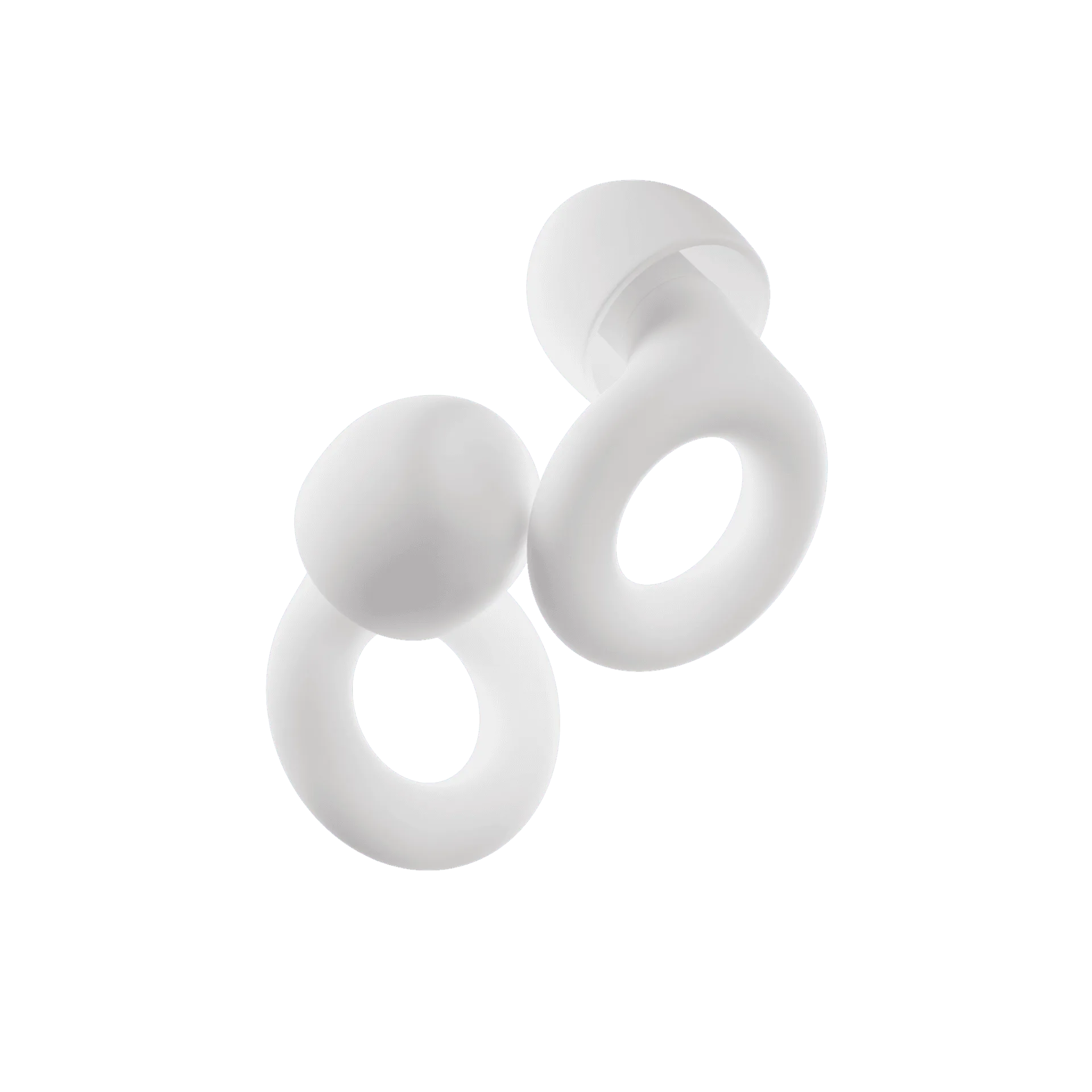
For most open-plan offices, earplugs are the better daily choice. They stay comfortable through a full workday, don't interfere with headsets or glasses, and models like Loop EngageTM Kids 2 let you hear nearby conversation while cutting background noise. Earmuffs make sense only for short bursts of extreme noise where you don't need to talk or listen.
Why earplugs usually win for open-plan focus
Open-plan noise is rarely one loud event. It's a steady mix of keyboard clatter, phone calls, and distant chatter that wears you down over hours. Earplugs sit inside your ear, so they don't press on your temples, clash with glasses, or get bumped by a headset. That makes them practical for back-to-back meetings and deep-work blocks alike. If your goal is simply to block office noise without feeling sealed off, earplugs give you more control over how much you let in.
When earmuffs actually make more sense
Earmuffs cover your whole ear and create a physical barrier that's easy to put on and take off in seconds. That's useful for short, loud tasks like running a vacuum or working near machinery. But in an office, the bulk and clamping pressure become noticeable fast, especially if you wear glasses or take calls. Earmuffs also tend to muffle speech heavily, so you may miss a colleague calling your name. For all-day desk work, that trade-off usually isn't worth it.
Matching the earplug to the office task
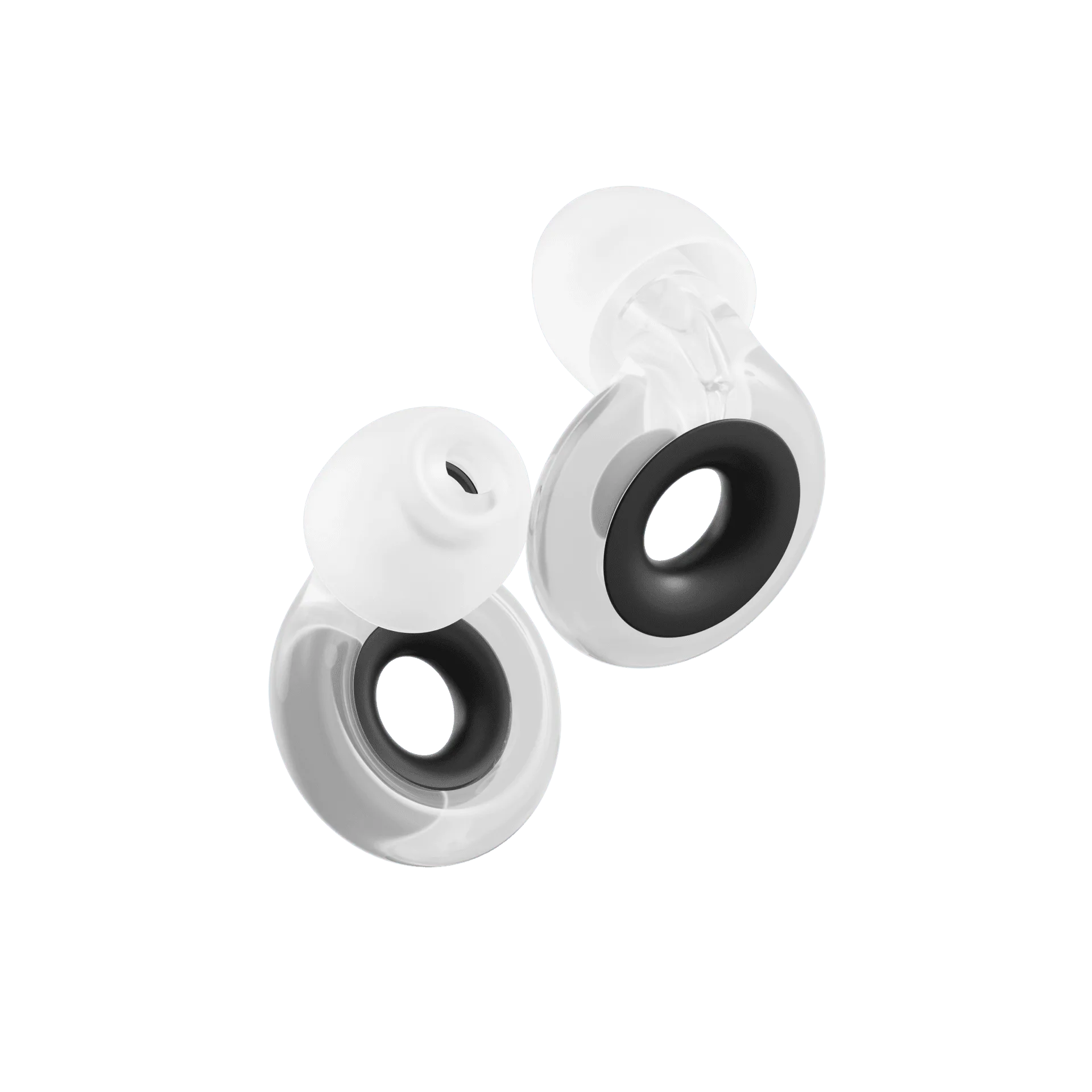
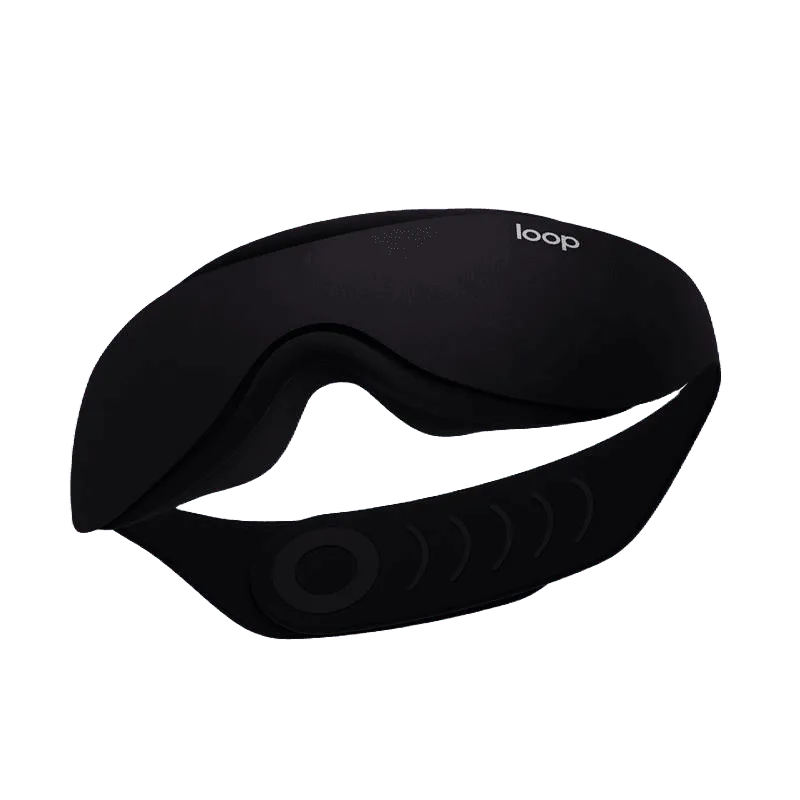
Not every office hour needs the same level of quiet. For studying, writing, or commuting, Loop QuietTM 2 reduces noise for better concentration and rest, and its reusable design suits daily wear. For meetings or shared spaces where you still need to catch what people say, Loop EngageTM Kids 2 helps reduce overwhelming noise while allowing clear conversations and awareness of surroundings. If your office noise spikes at night or you work late shifts, Loop DreamTM is built for sleep and relaxation, reducing snoring, traffic, and other nighttime noises with a comfortable fit for side sleepers. Pairing earplugs with the Loop EclipseTM sleep mask covers both sound and light, which matters if you nap in a shared space or work odd hours.
Trade-offs at a glance
- Earplugs: discreet and comfortable: They sit inside the ear, so they don't press on glasses or headset arms and can stay in for hours. The trade-off is that insertion takes a moment and you need to keep them clean. Best for all-day desk work where you want quiet without bulk.
- Earmuffs: fast and obvious: You can slip them on and off in seconds for a sudden loud task. The trade-off is clamping pressure, heat, and heavy speech muffling that makes office conversation awkward. Best for short, extreme noise bursts, not eight-hour focus.
- Awareness vs. maximum blocking: Some earplugs let you hear nearby conversation while cutting background noise; earmuffs typically block more sound but also more speech. Choose based on whether you need to respond to colleagues. If you must hear your name called, pick an awareness-focused earplug.
Product facts
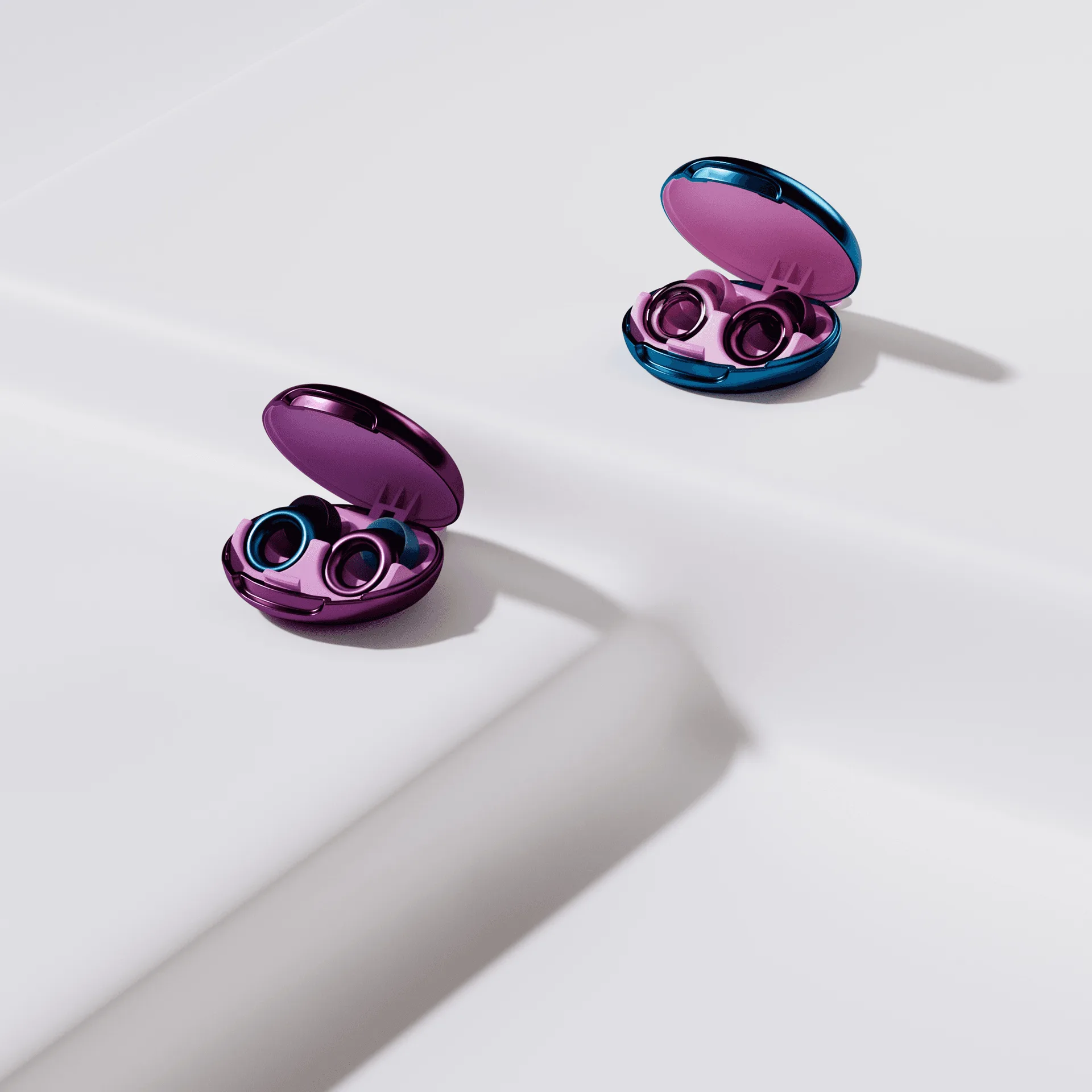
- Loop Quiet™ 2: Engineered to reduce noise for better concentration and rest; comfortable, reusable design suitable for daily wear. A practical default for long focus blocks or studying where you want steady quiet without re-adjusting gear.
- Loop Engage™ Kids 2: Helps reduce overwhelming noise while still allowing for clear conversations and awareness of surroundings; simple to insert and remove. Lets you stay present in meetings or a shared desk area without constantly taking earplugs in and out.
- Loop Dream™: Specifically designed for sleep and relaxation; helps reduce snoring, traffic, and other nighttime noises; comfortable fit for side sleepers. Useful if your open-plan environment doubles as a rest space or you work late and need to sleep during the day.
- Loop Eclipse™: Designed for use during sleep or relaxation; compatible with Loop earplugs for enhanced comfort. Combines with earplugs to cut both light and sound, which helps if you nap in a bright or noisy shared area.
Which should you choose?
Choose earplugs if you
- Work in an open-plan office and need focus for hours at a time
- Wear glasses or a headset and want gear that doesn't press on your head
- Still need to hear nearby conversation or your name being called
Choose earmuffs instead if you
- Only need protection for short, extremely loud tasks like vacuuming or machinery
- Don't need to hear speech or take calls during the noisy period
- Prefer a barrier you can put on and remove in seconds without inserting anything