Quick Answer
Choose an eBike if your commute involves hills, long distances, or carrying cargo and you want to arrive less sweaty. Choose a traditional bike if you want the lowest upfront cost, a lighter ride, and a full workout every trip.
Cost and Maintenance: Upfront vs Long-Term
Traditional bikes are generally cheaper to buy and maintain. You avoid battery replacement and motor servicing, and repairs are often simpler. However, if your commute replaces a car trip, an eBike can save on gas and parking over time.
eBikes have a higher upfront price, but they can make bike commuting feasible for people who would otherwise drive. Consider your total cost per mile, including battery charging and occasional parts, to see which option fits your budget.
Effort and Fitness: Workout vs Assisted Ride
Traditional bikes give you a consistent workout every ride. You control the pace and burn more calories, but hills and headwinds can be exhausting, especially on a long commute.
eBikes with torque sensors, like the Flyer Via, match your pedaling effort and provide assistance only when you need it. This means you can still get exercise, but you can arrive at work without being drenched in sweat. If fitness is your primary goal, you might prefer a traditional bike, but an eBike can still offer a good workout if you use lower assist levels.
Range and Battery: Know Your Limits
Traditional bikes have unlimited range as long as you have energy, but eBikes depend on battery life. Most eBikes offer 20-50 miles per charge, depending on the model and assist level. If your commute is longer than the range, you'll need to charge at work or carry a spare battery.
The Flyer Flex offers 20-40 miles per charge, while the Flyer Loop provides 30-50 miles. Consider your daily distance and whether you have access to charging. For short commutes, an eBike's range is usually plenty; for very long rides, a traditional bike might be more reliable.
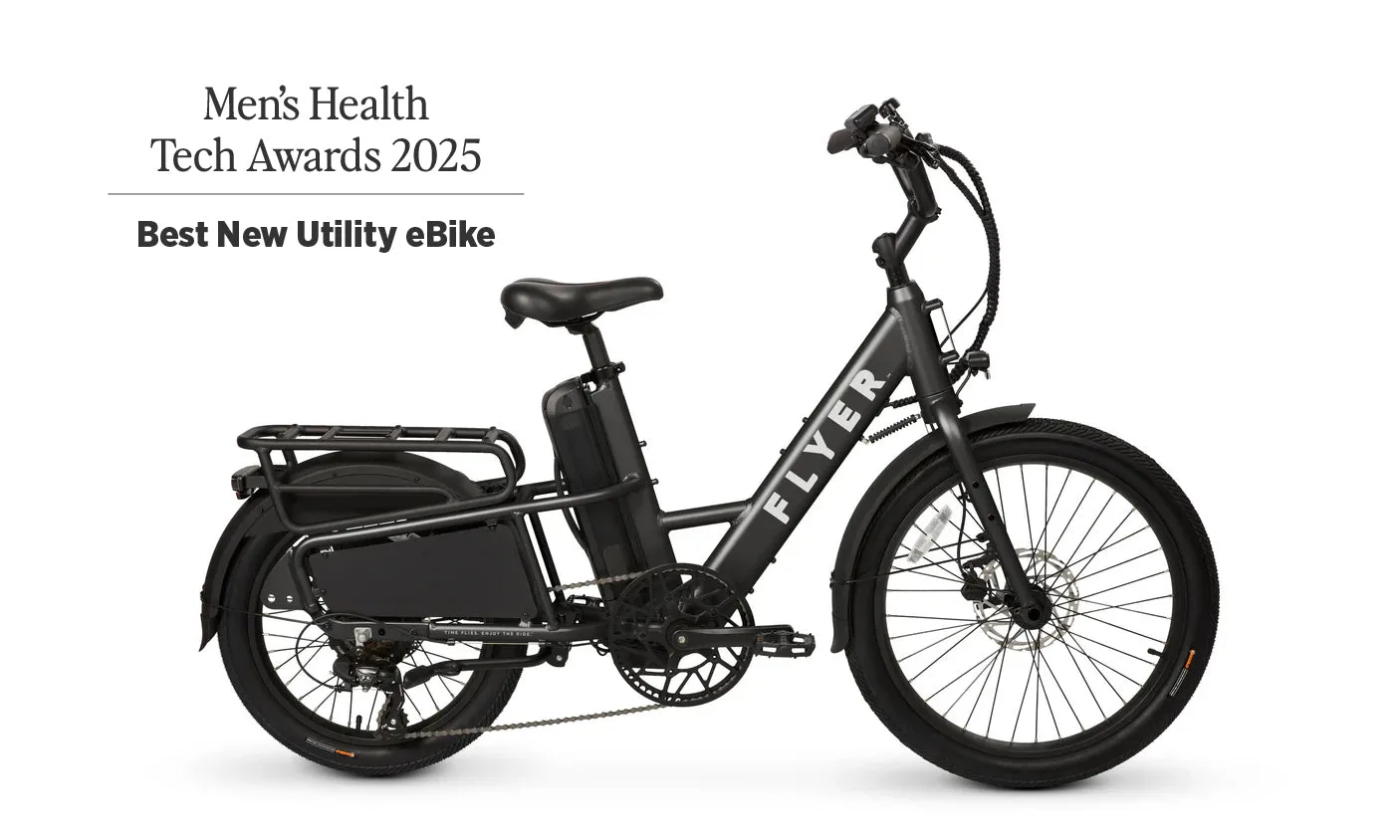
Flyer Flex
Cargo and Kids: Hauling Made Easier
If your commute involves dropping off kids or carrying groceries, an eBike can make a big difference. The motor assists with the extra weight, and some models are designed with cargo in mind.
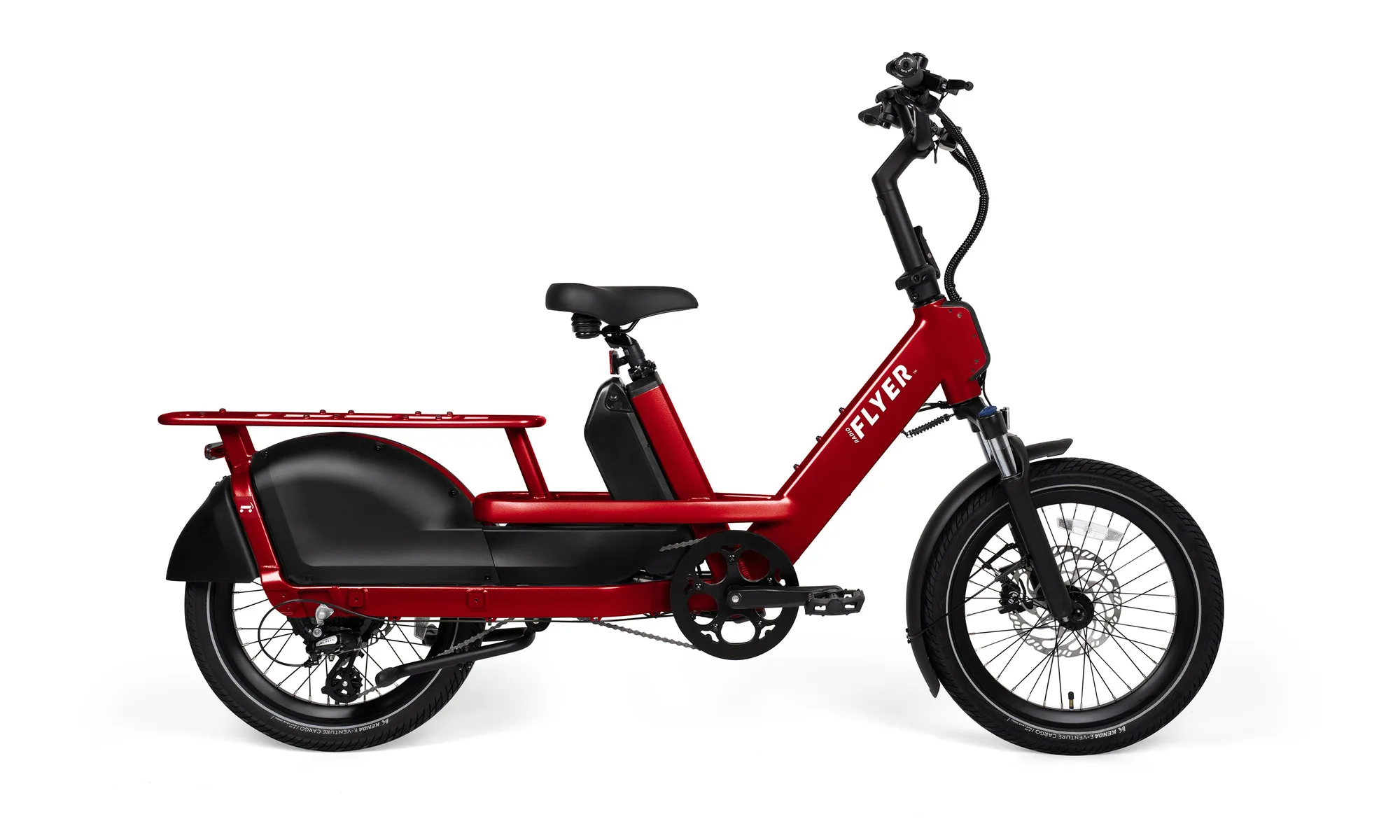
The Flyer Loop has a 440 lb. total payload capacity and a comfort-forward geometry, making it a strong choice for hauling both kids and cargo. A traditional bike can carry cargo too, but the added weight makes hills and starts more challenging. If you regularly carry heavy loads, an eBike's motor assistance is a practical advantage.
Trade-Offs to Consider
- Upfront Cost: Traditional bikes are significantly cheaper to buy. eBikes cost more, but they can replace car trips and save on gas, parking, and maintenance over time. Calculate your cost per mile over a year to see if an eBike pays off.
- Effort and Fitness: Traditional bikes give you a full workout every ride. eBikes with torque sensors, like the Flyer Via, assist only when you pedal, so you can still exercise but arrive less sweaty. If fitness is your main goal, consider a traditional bike or use lower assist levels on an eBike.
- Range and Battery: Traditional bikes have unlimited range. eBikes range from 20-50 miles per charge. The Flyer Flex offers 20-40 miles, while the Flyer Loop offers 30-50. Plan for charging if your commute is long. Measure your daily commute and check if it falls within the eBike's range.
- Cargo and Kids: eBikes make hauling easier with motor assistance and higher payload capacities. The Flyer Loop can carry up to 440 lbs., making it ideal for family commutes. Traditional bikes require more effort with heavy loads. If you carry kids or groceries daily, prioritize an eBike with a high payload capacity.
Radio Flyer eBikes at a Glance
-
Flyer Via: The Flyer Via has a 24” front wheel and 20” back wheel, creating a lower center of gravity for increased stability and efficiency with cargo. This design makes the Via feel stable and smooth when you're carrying bags or a child, which is a key advantage over a traditional bike with a high center of gravity.
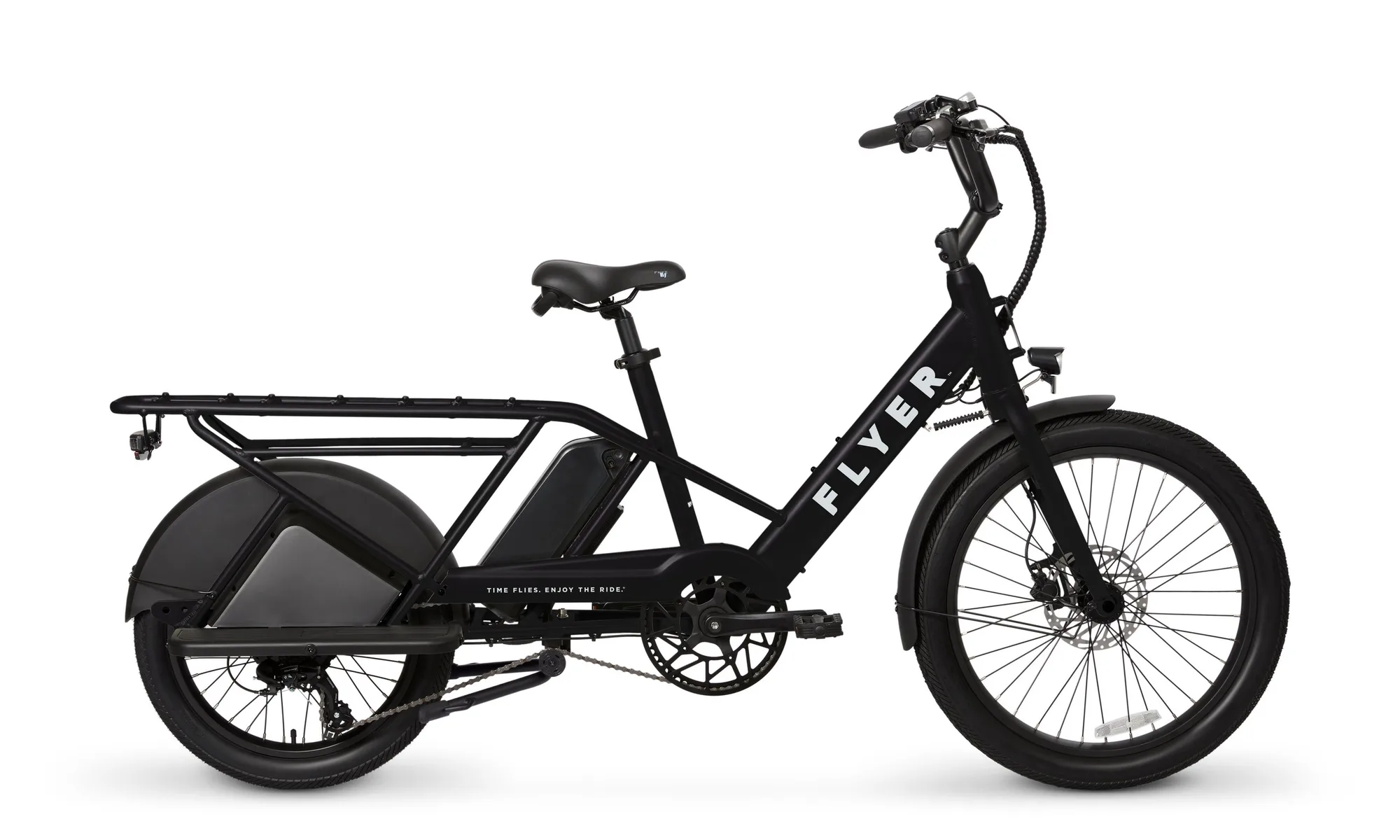
Flyer Via
-
Flyer Loop: The Flyer Loop offers a 440 lb. total payload capacity, a comfort-forward geometry, and a 30-50 mile range. If you need to haul kids or heavy cargo on your commute, the Loop's high payload and long range mean you can handle more without worrying about range anxiety.
Which Should You Choose?
Best for
- Commuters with hills, long distances, or hot climates who want to arrive fresh
- Riders who need to carry kids, groceries, or other cargo regularly
Not for
- Budget-focused riders who want the lowest possible upfront cost
- Fitness purists who want a full workout without any motor assistance